

Inspiration

Keeping toy clutter under control
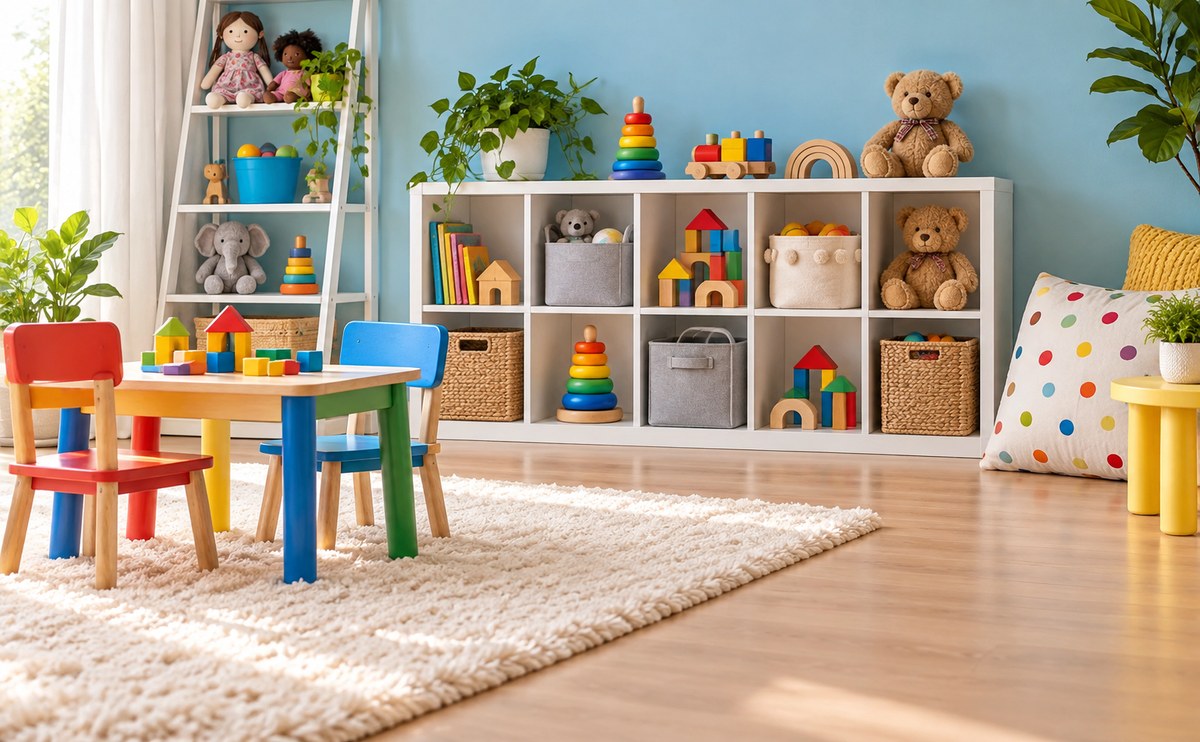
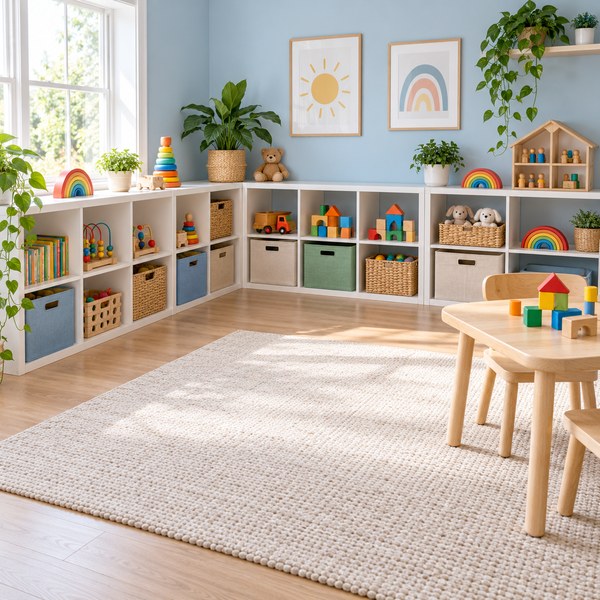
Colourful tidy playroom with toys organised on a cube shelf, small table and chairs on a rug

Toy clutter builds up fast in any home with kids. One Christmas, a couple of birthdays and a trip to granny's house later, and there are toys in every room.

The goal is not an empty toy box. It is a simple system so toys have a place to go, and tidy up does not turn into a nightly fight.

5. Eva Solo: Danish Furnishing Accessories

Start by sorting what you already have into three piles: broken, outgrown, and keep. This alone clears a surprising amount of floor space before you even think about storage.

A toy that has not been touched in three months is not being missed. Pass it on before it just takes up room.

Once the keep pile is smaller and clearer, the rest of the system is much easier to put in place.

Start with a sort. Before you buy a single storage box, go through every toy in the house and decide what stays, what gets donated, and what gets thrown out. Sorting first means you only store what your child actually still plays with, not everything they have ever owned.

4. Magisso Finnish Design Movement

Broken toys with no fix in sight can go straight in the bin. Outgrown toys in good condition are worth donating rather than storing, since another child will get real use out of them.

What is left is usually a far smaller pile than you expected, and a much easier one to store properly.

A toy in good condition that nobody plays with is not doing your child or anyone else any good sitting in a cupboard. Give it a new home.

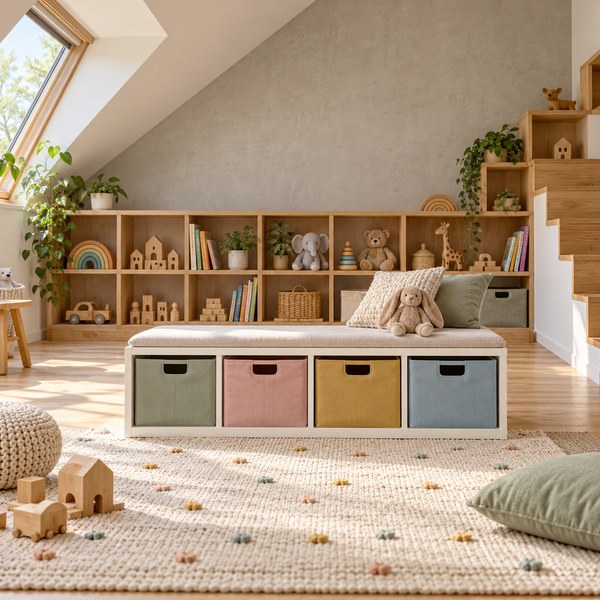
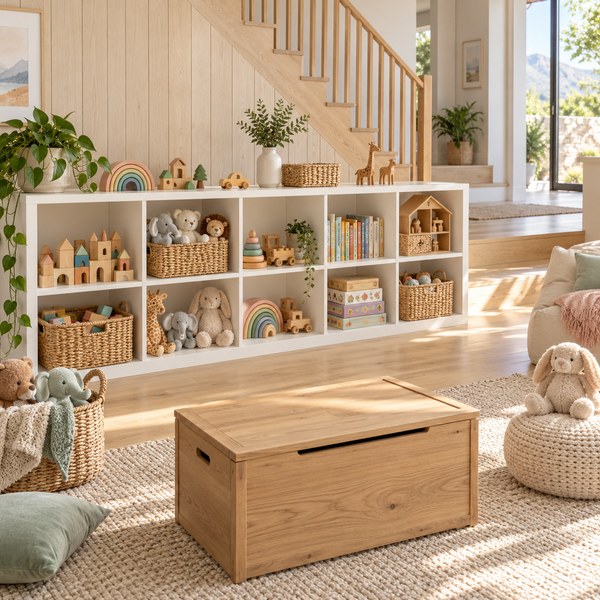
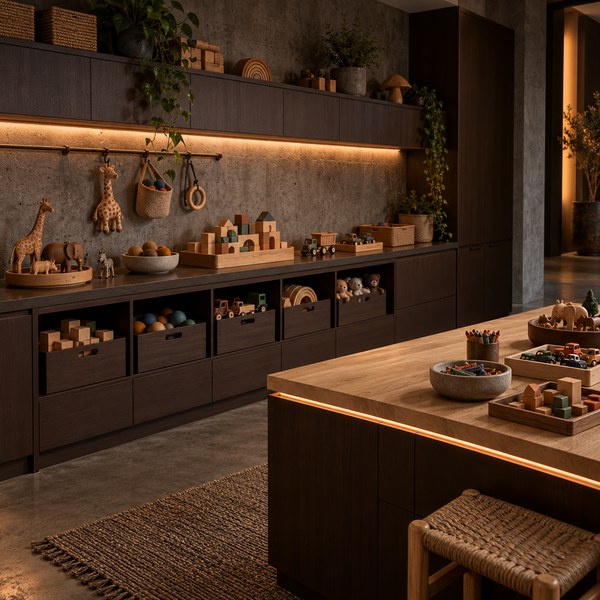
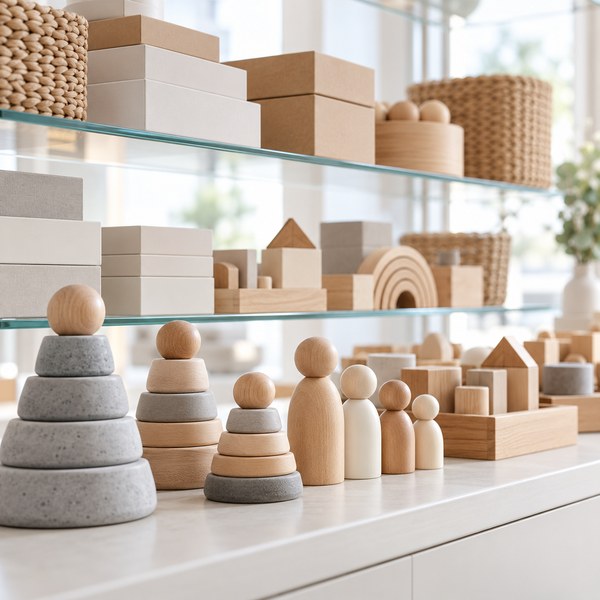
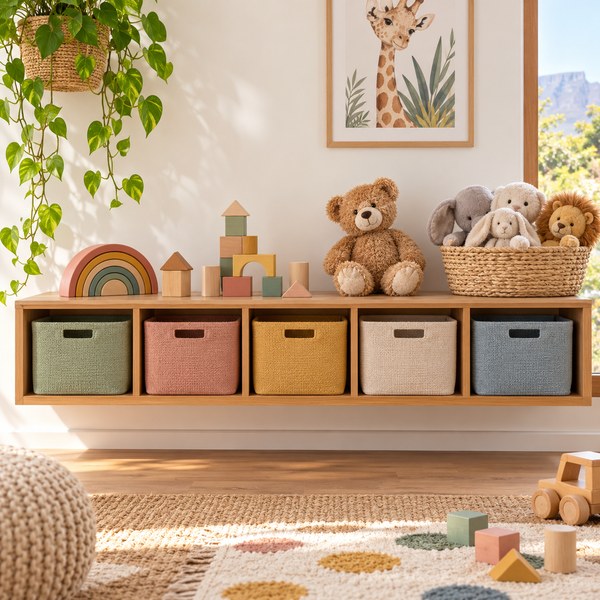
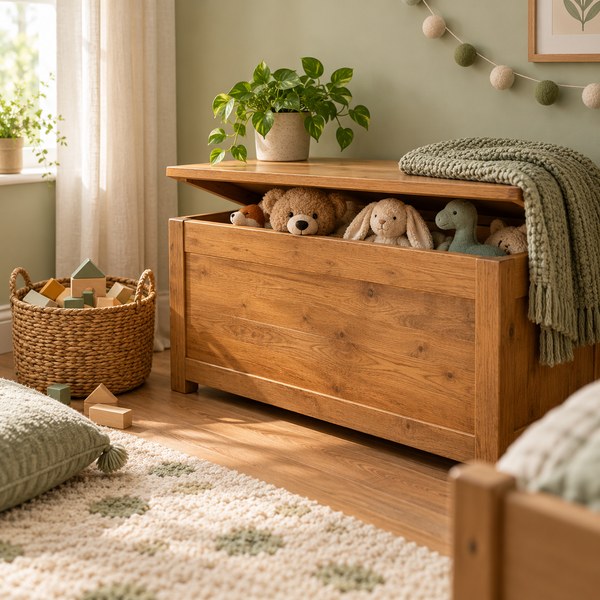
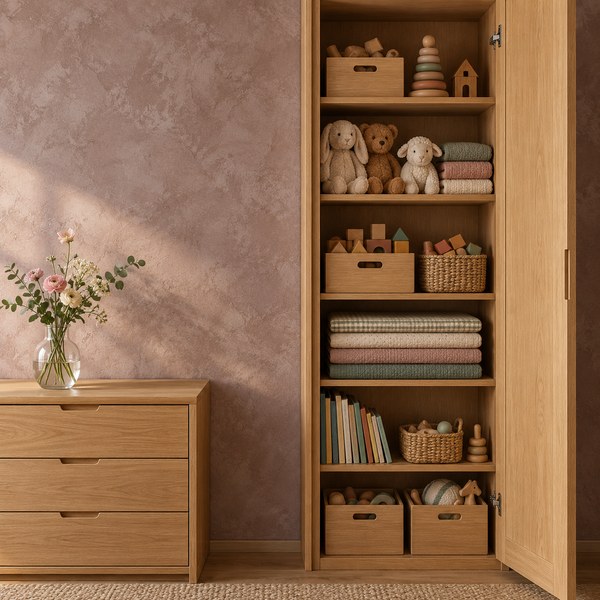
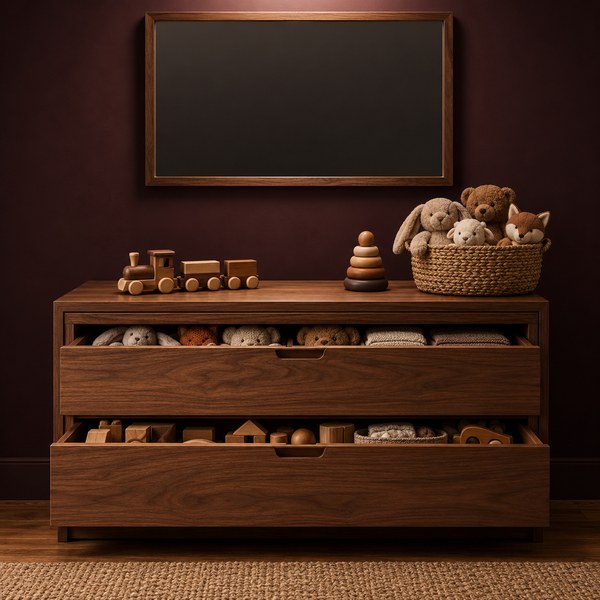
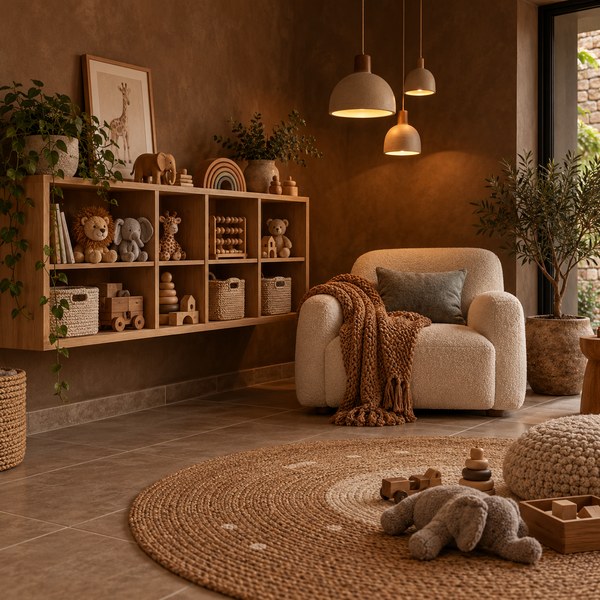
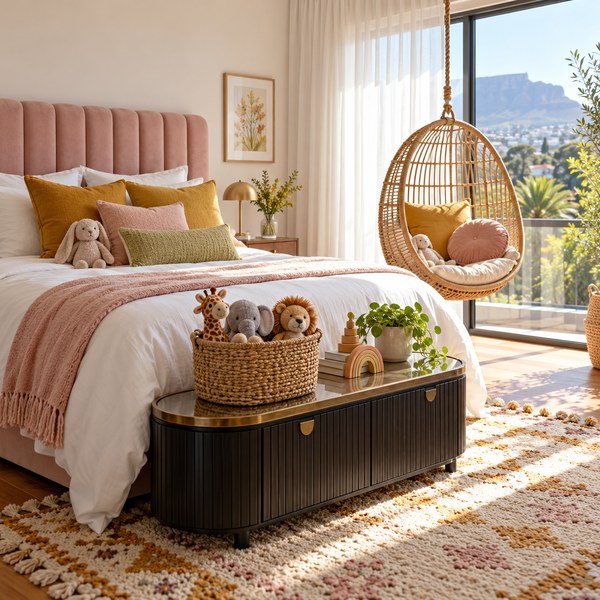
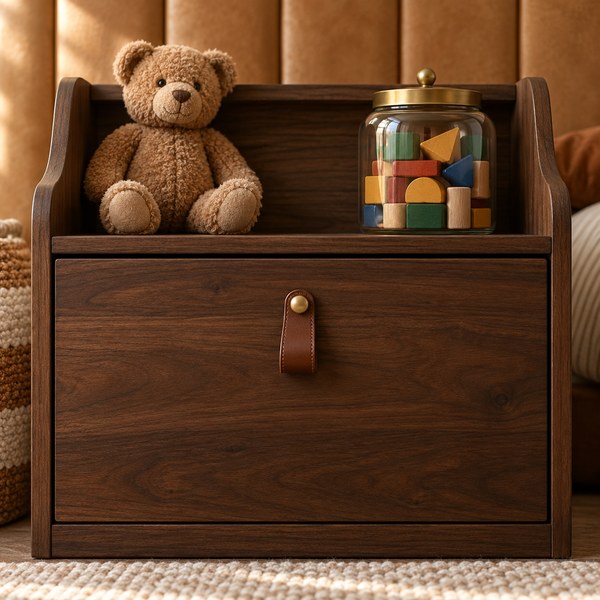
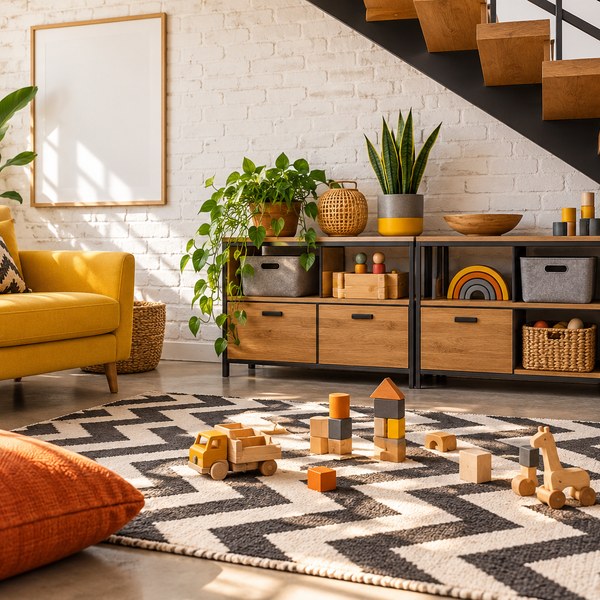
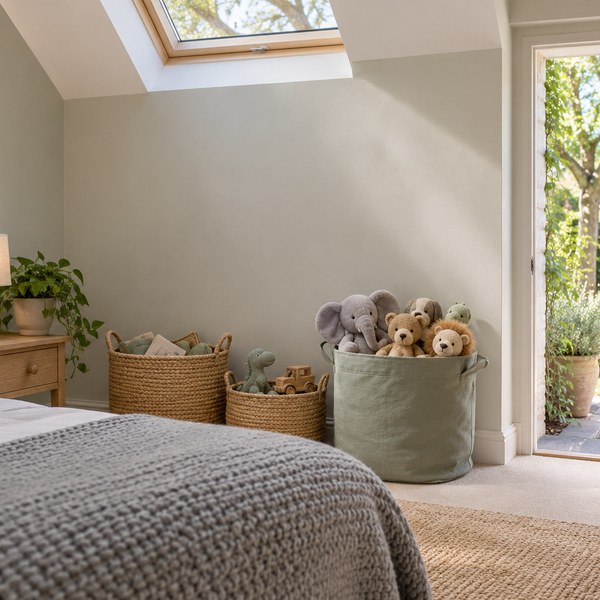
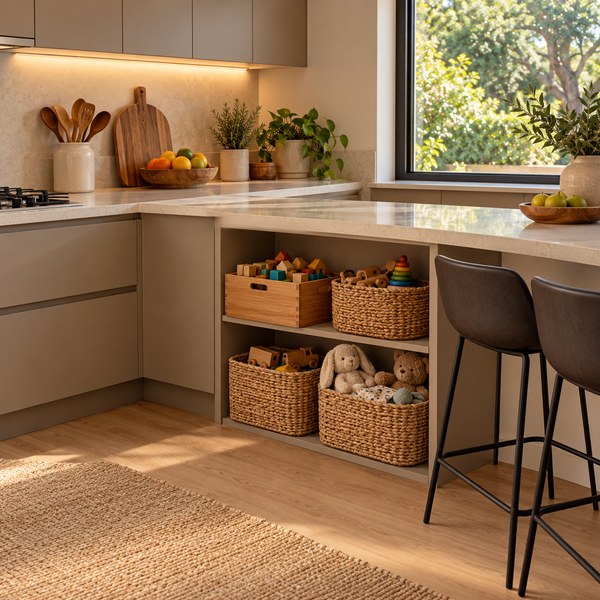
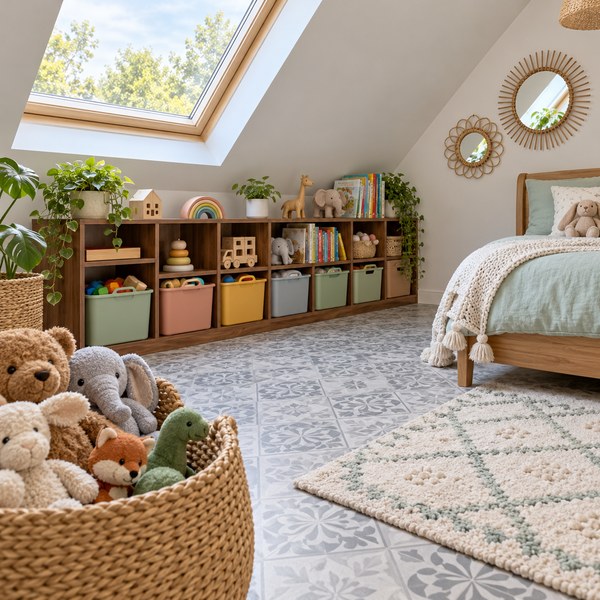
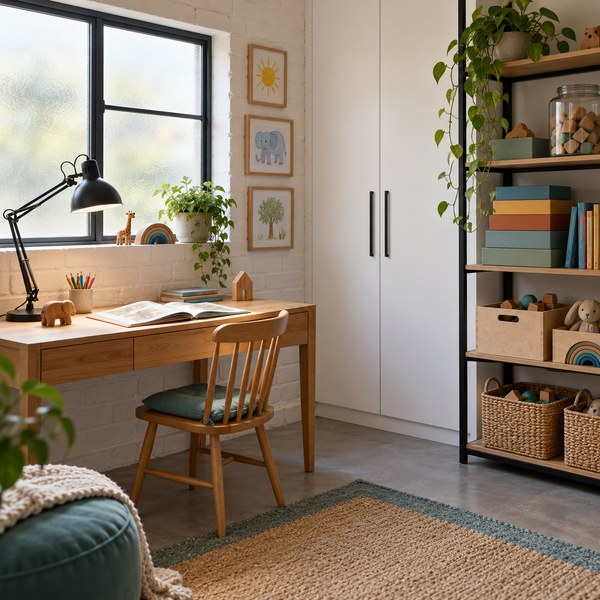
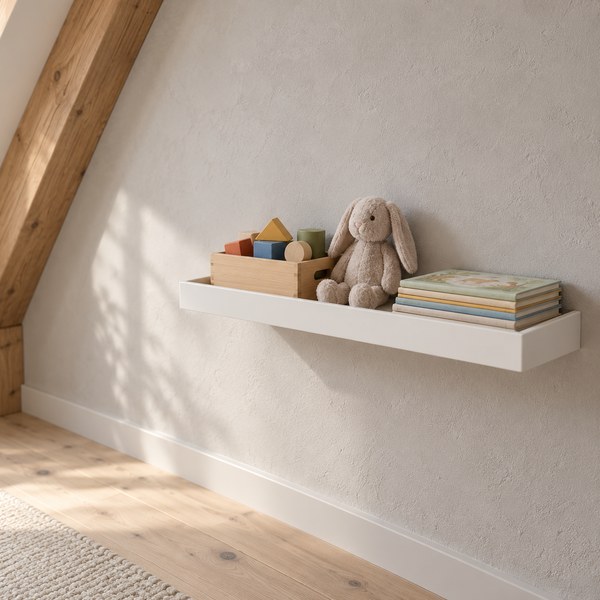
Give every toy a home. Once you know what you are keeping, give each type its own bin or shelf spot, wooden toys together, soft toys together, games together. A toy without a home is a toy that ends up on the floor.

3. Röshults Svenska Hantverk

Clear bins work better than one big toy box, since your child can actually see what is inside instead of digging to the bottom.
Add a simple picture label to each bin for younger kids who cannot read yet. It turns tidy up into a matching game instead of a chore, and most children pick it up within a week.

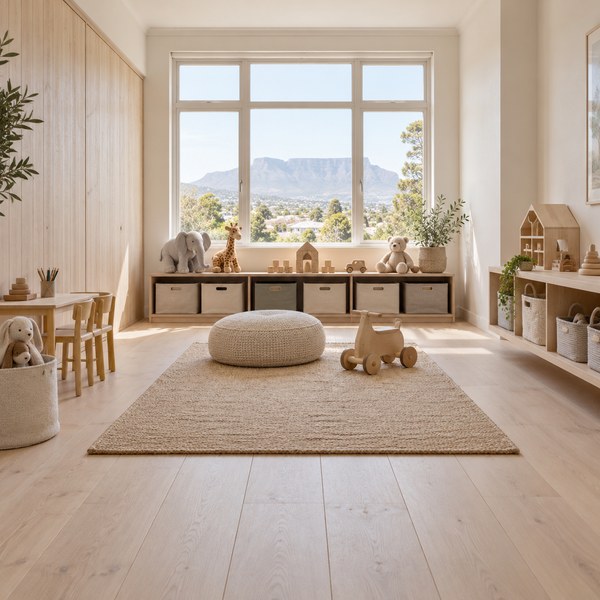
Low open shelves work well too, since a toddler can reach them without pulling anything down on top of themselves.
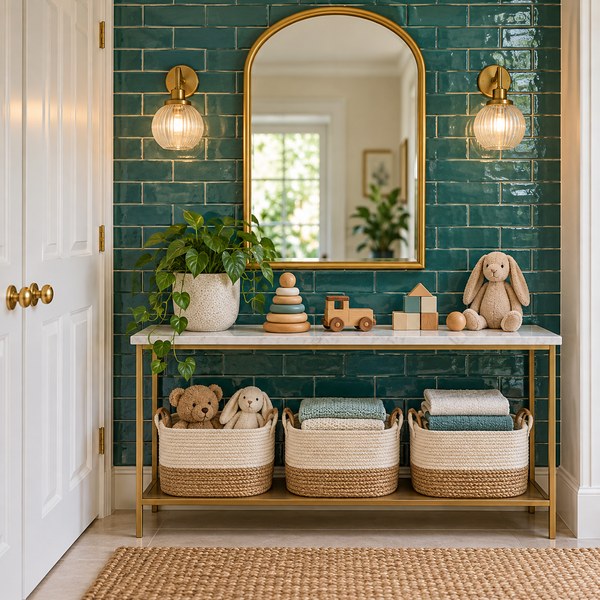
Set a one in, one out rule. Each time a new toy comes in, an old one goes out to be donated or passed on. It keeps the total amount roughly steady, so the bins never quite overflow no matter how many birthdays go by.

2. Alessi: the Italian Factory of Design

The rule works best when your child helps choose what goes. Let them pick the toy to pass on rather than choosing it for them, and they are far more likely to agree without a fuss over it.

Rotating toys in and out of storage makes old favourites feel new again, and it is far cheaper than buying something new every time play gets boring.

Keep a box of toys out of sight in a cupboard for a month, then swap it with what is on the shelf. The swapped toys usually get played with again like new.

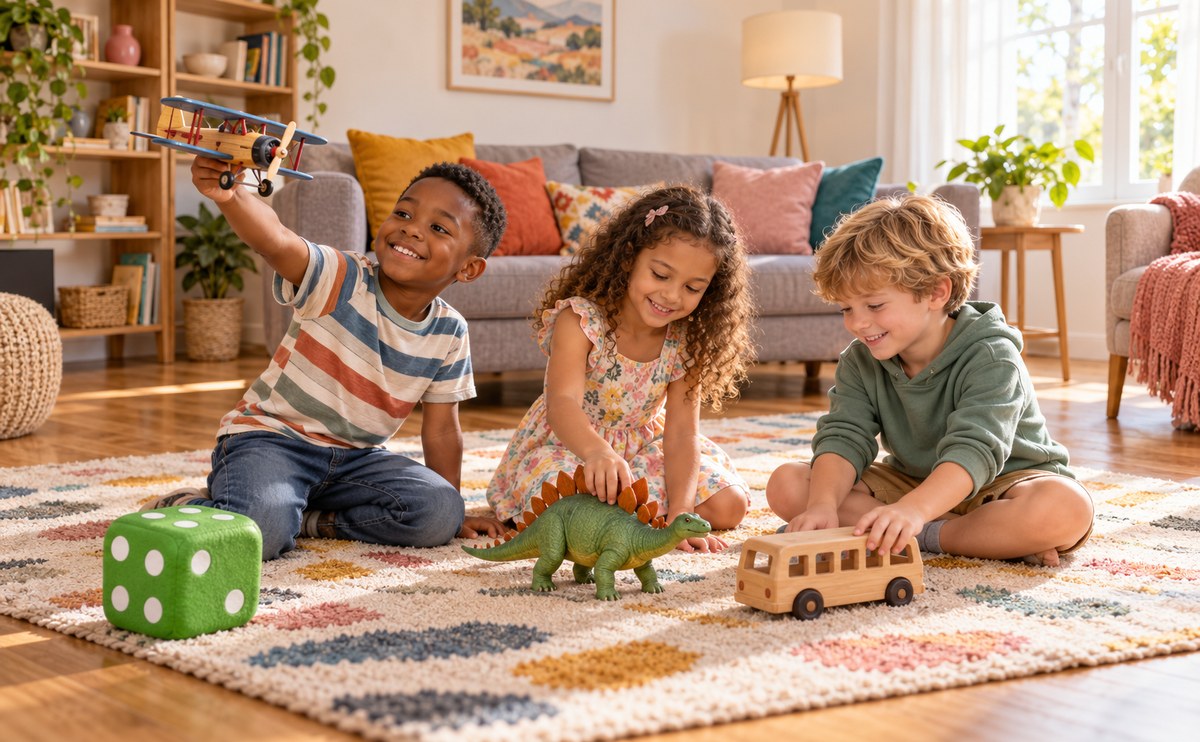
Make tidy up part of play. A two minute pack away song or a quick race to fill the bins turns the end of play time into a game, rather than a fight that undoes all the sorting you did earlier.

1. Leolux Design Furniture

None of this needs to happen in one weekend. Sort one shelf or one box at a time, and the system builds itself over a few weekends without taking over your whole house.

Clutter is not really about having too many toys. It is about toys having nowhere to go. Fix the homes first, and the mess mostly sorts itself out.

Stick with bins by type, the one in one out rule, and a short tidy up routine, and the playroom stays manageable even with a house full of kids.

Leave a Reply

Your email address will not be published. Required fields are marked *