Blog
How to read a car service history

A full service history tells you more than a stamped book ever can. Check that stamped dates, mileage, and the garage's details line up on every entry. Gaps often mean missed services, not simple forgetfulness. If a car has done 90,000km but only has three stamps, ask the seller why the rest are missing before you make an offer.
Habitant leo
A service book only means something if it actually matches the car in front of you.
Check that the VIN and registration in the book match the car exactly, and compare the mileage at each stamp against the current odometer. If the numbers do not line up in order, or a page looks replaced, treat the history with caution and get a second opinion before you pay.
Dealer stamps are good, but invoices are better. An invoice shows exactly what work was done, which parts were used, and what it cost.
Watch out for the same repair showing up twice. A gearbox or head gasket fixed again within two years is a warning sign, not routine maintenance. Ask the seller for the original invoices, not only a stamped book.
Some owners keep every invoice in a folder. Others have only a half filled book. Both can be honest, so look at the pattern.
A clean book with regular intervals and sensible mileage jumps tells you the car was looked after, even without a thick folder of invoices.
Ask the seller when the car was last serviced and what was done, then compare the answer to the book.
A service history also shows how the previous owner used the car. Short trips between services, or long gaps between oil changes, add wear the odometer alone will not show.
Look at the gaps between each stamp. A car serviced every 15,000km on schedule has had an easier life than one serviced erratically. Ask the seller to explain any long gap in the record.
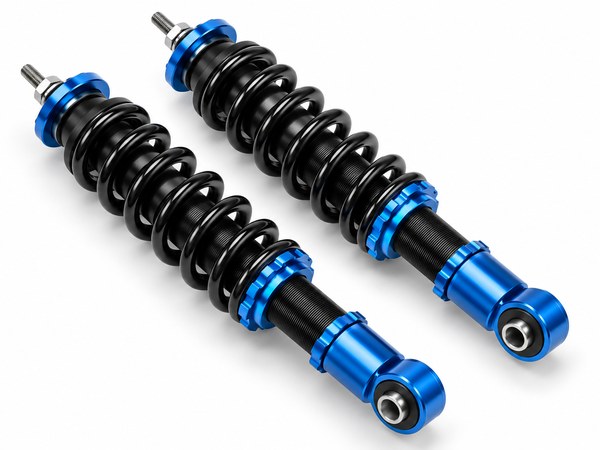
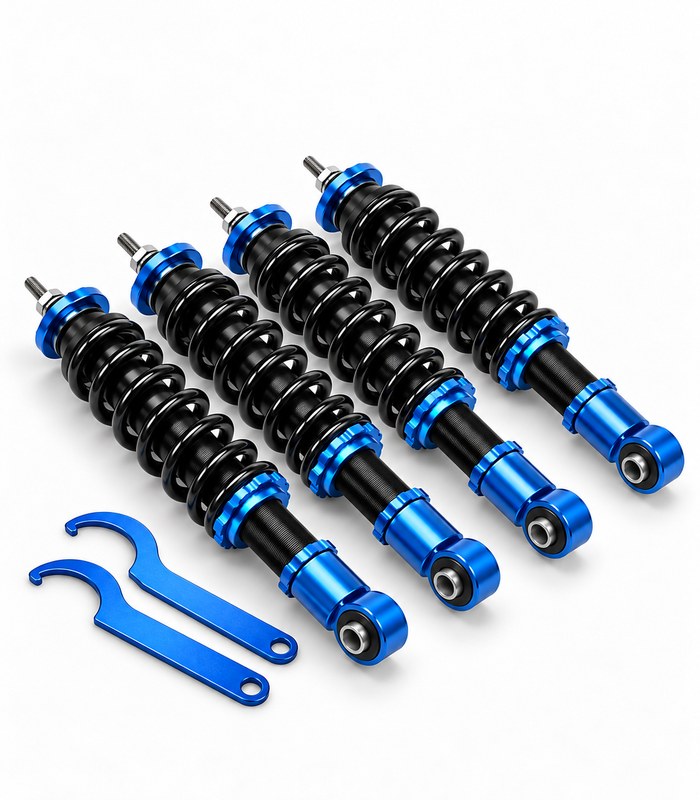
Adjustable Coilover Suspension Kit
Every car on the floor is checked by our own workshop before it goes on sale. You get the full service history, a roadworthy certificate and a week to change your mind.
Spotting Gaps
A thin service history is not always a dealbreaker. Some owners use a trusted independent garage instead of the dealer.
What matters is proof: dated invoices, parts used, and mileage at the time. Ask who did the work, so you can call and confirm it.
If there is no paperwork at all, budget for a full inspection before you buy.
A full service history adds real value when you sell the car again, not just when you buy it. Buyers trust a documented car and pay more for one.
Keep every invoice, every stamp, and every receipt in one folder from day one. It costs nothing and it pays you back at resale.