

Blog
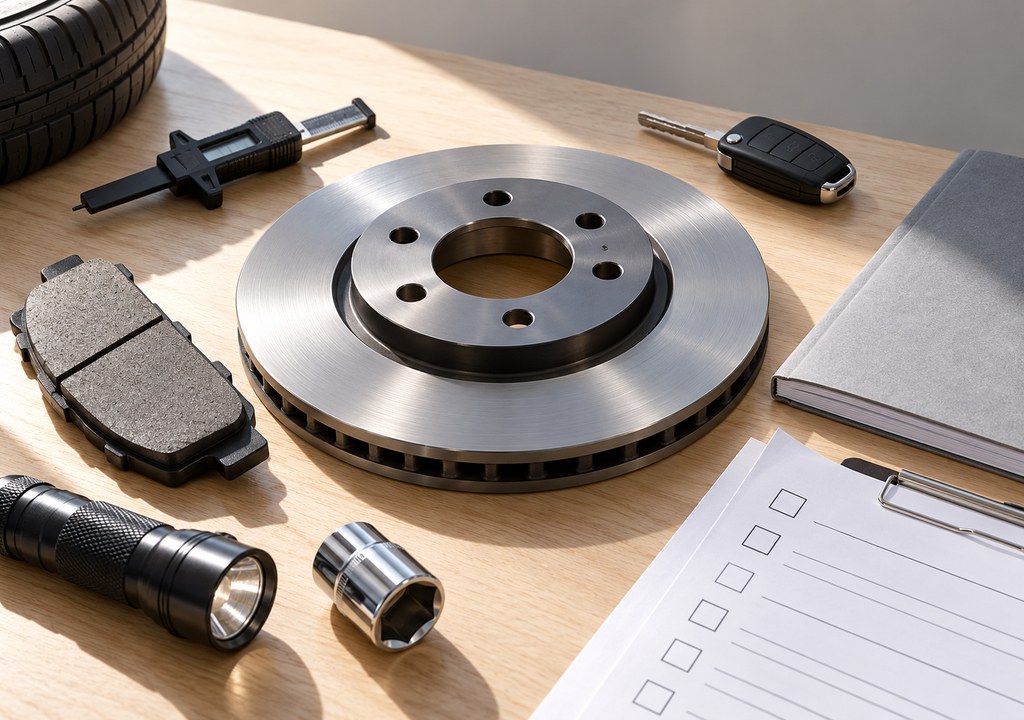
What a roadworthy certificate actually covers




Related Posts
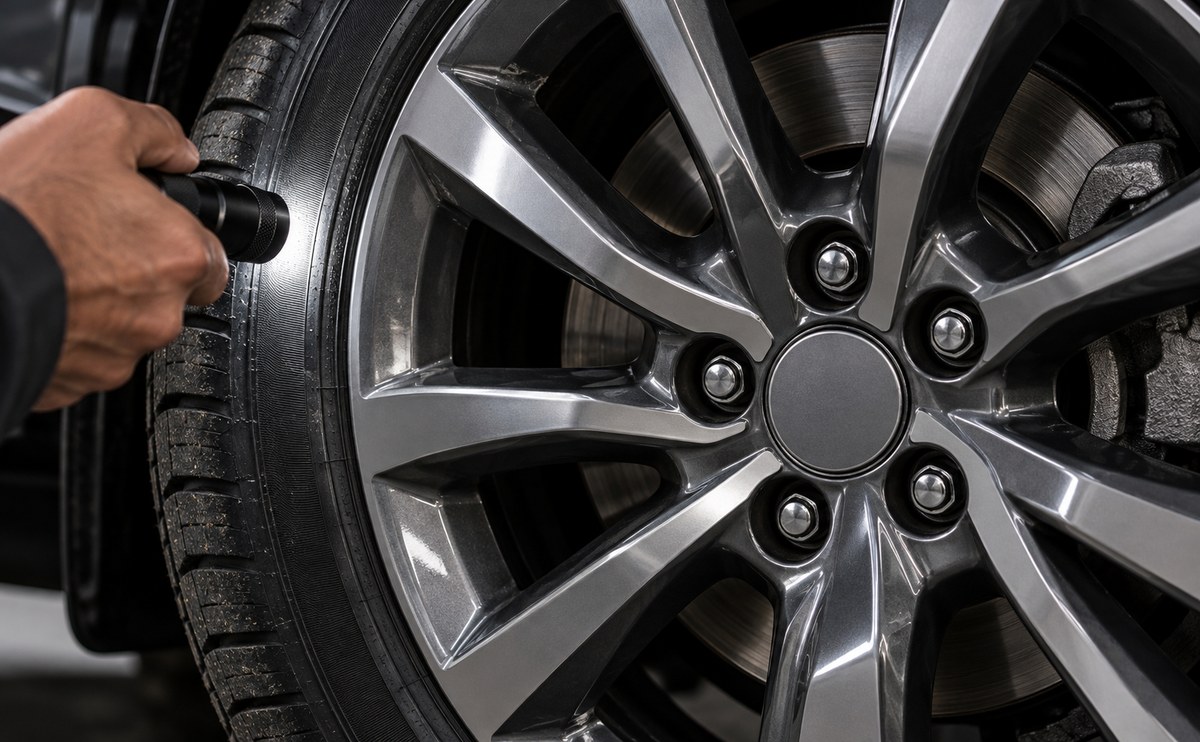
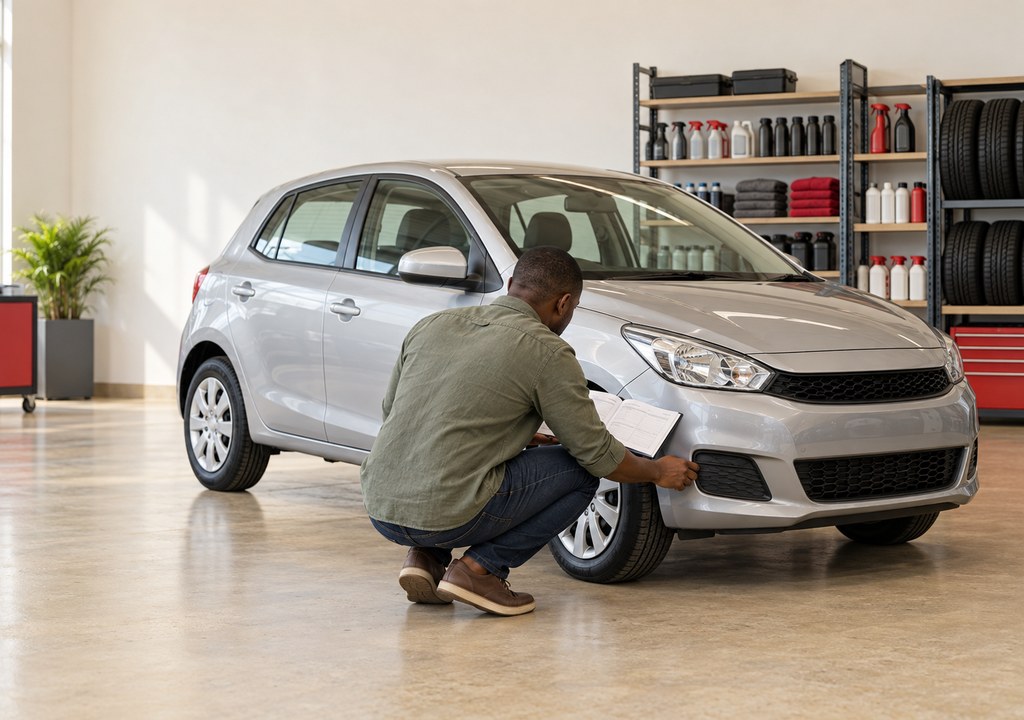
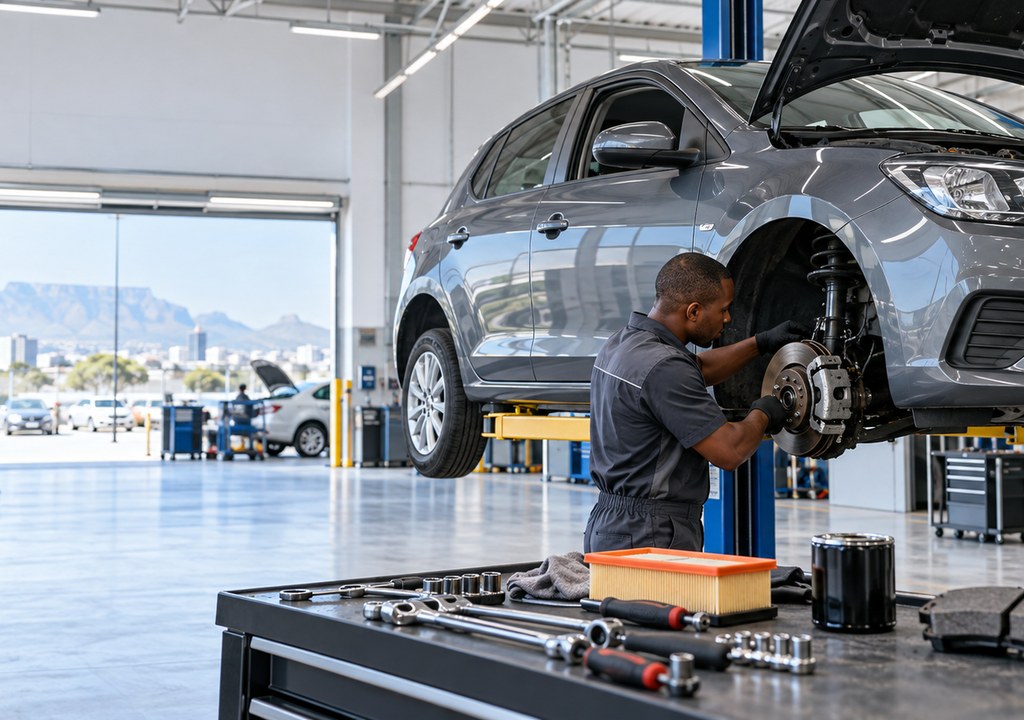
How to check a used car before you buy

Before you hand over any money, get the car on a hoist. A good inspection takes thirty minutes and tells you more than any logbook.Star...
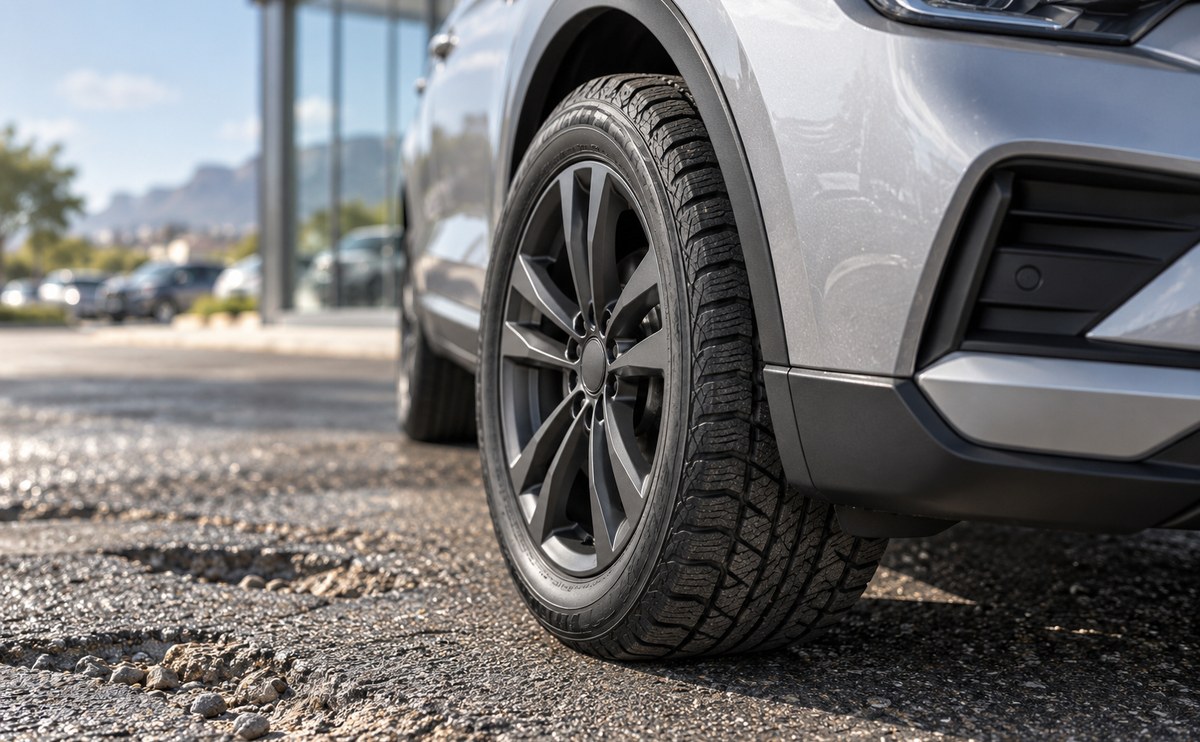
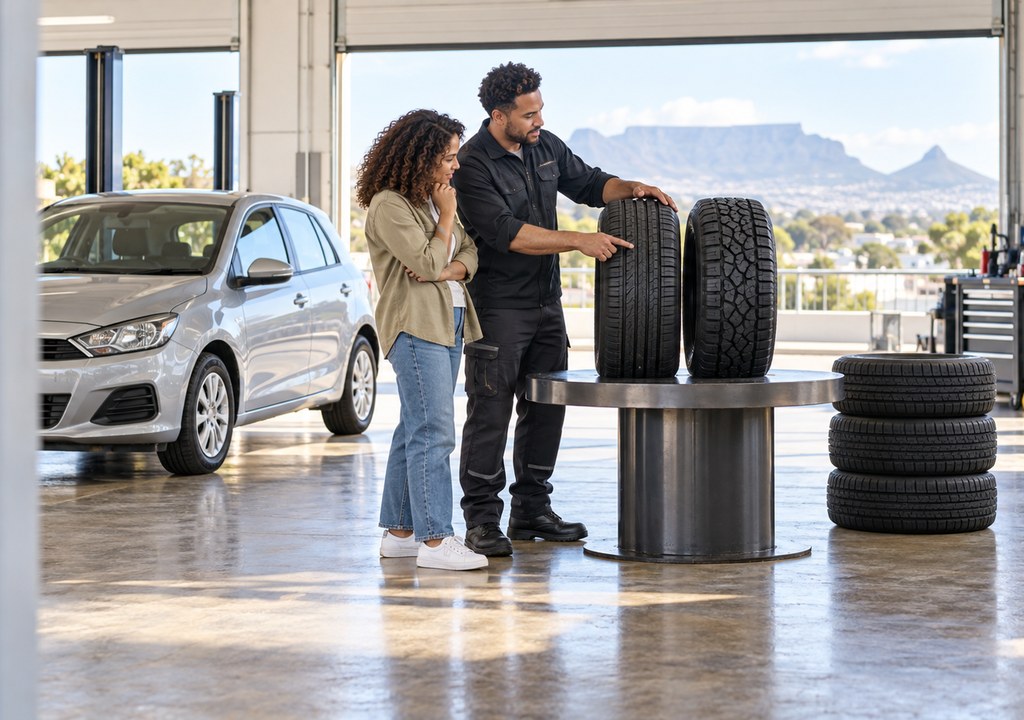
Choosing tyres for South African roads
Our roads mix smooth highway with potholes and gravel in the same trip. Tyre choice depends more on how and where you drive than on the...
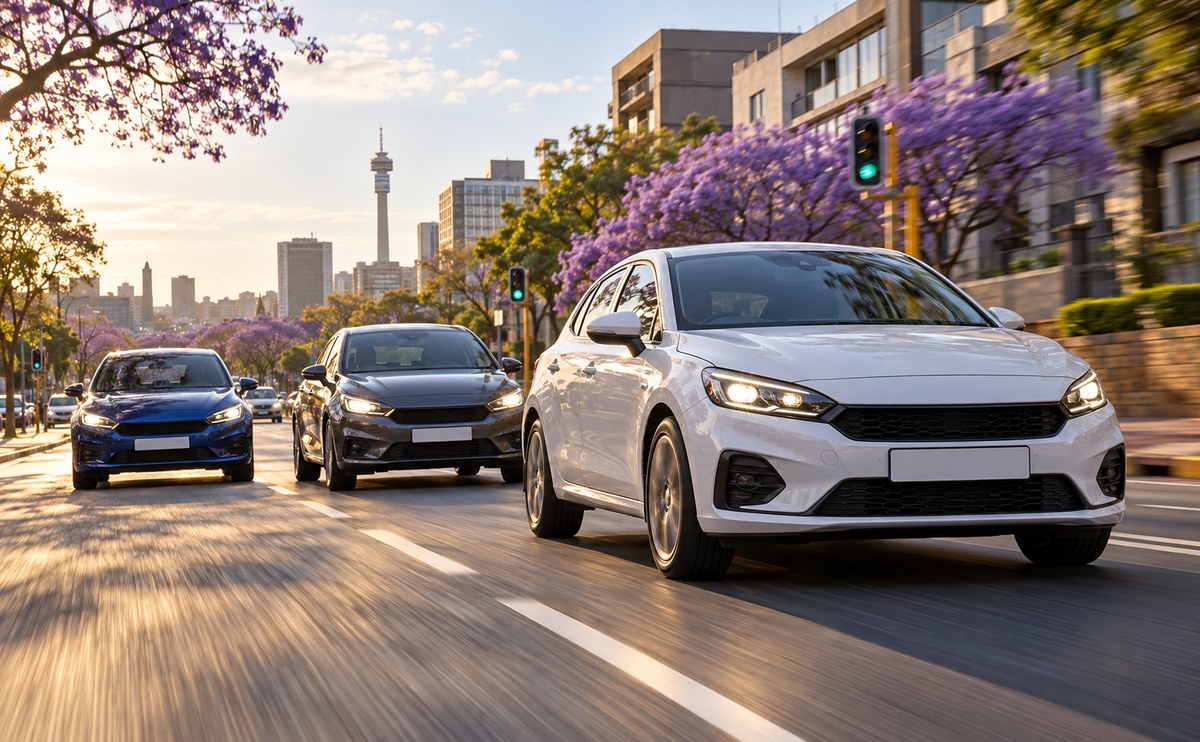
Petrol, diesel or hybrid for city driving
Stop start traffic changes which engine makes sense. A car that feels great on the open road to Durban can be the wrong choice for dail...
What adds real value at resale
A well kept service book adds value when you sell. Buyers see proof of care and pay closer to the right price.A few small things cost l...