Inspiration

What a roadworthy certificate actually covers

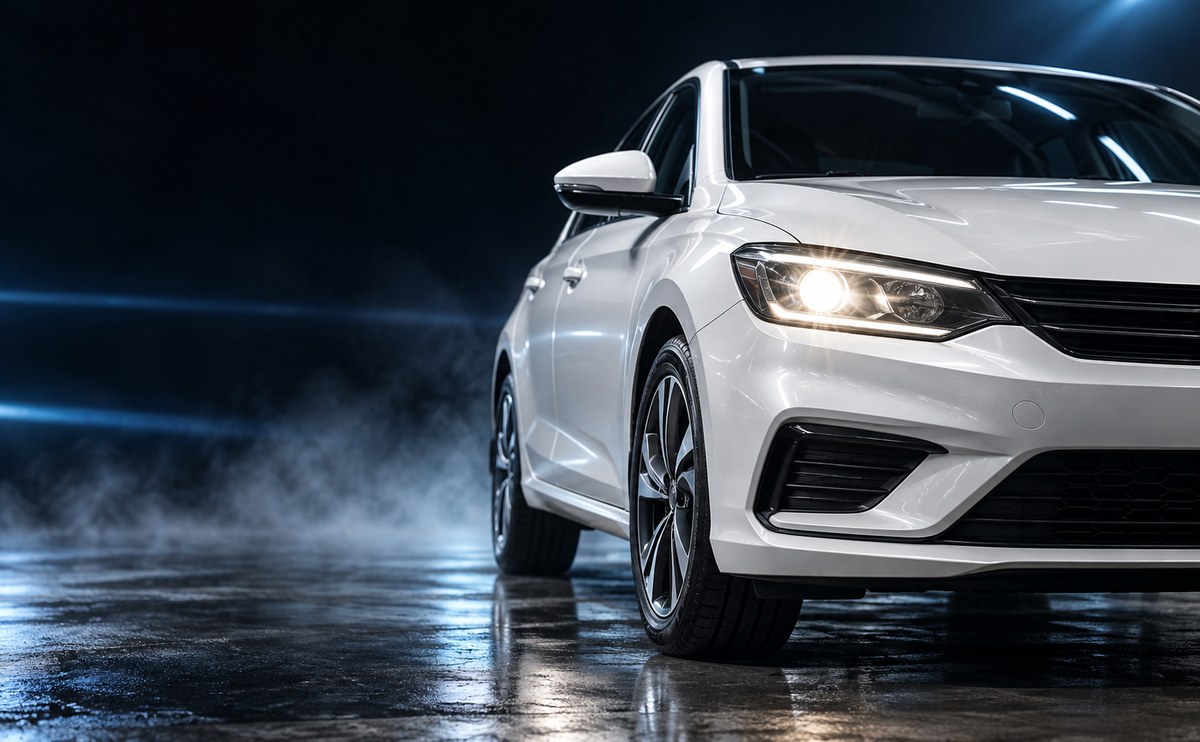
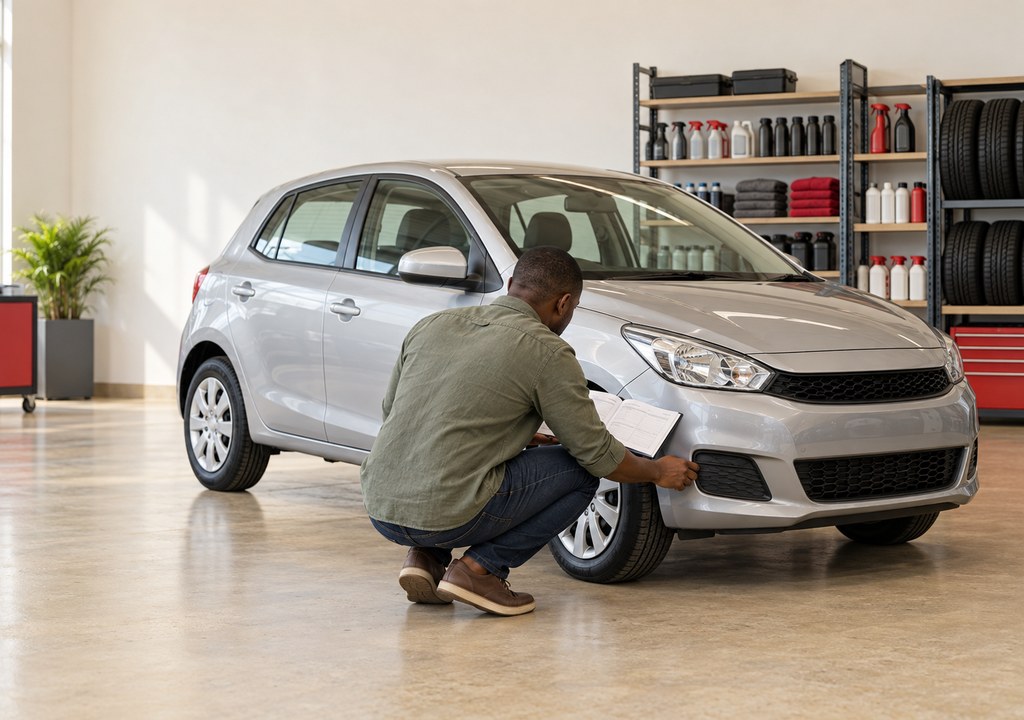
front half of a generic white car being checked with headlights on for roadworthy certification

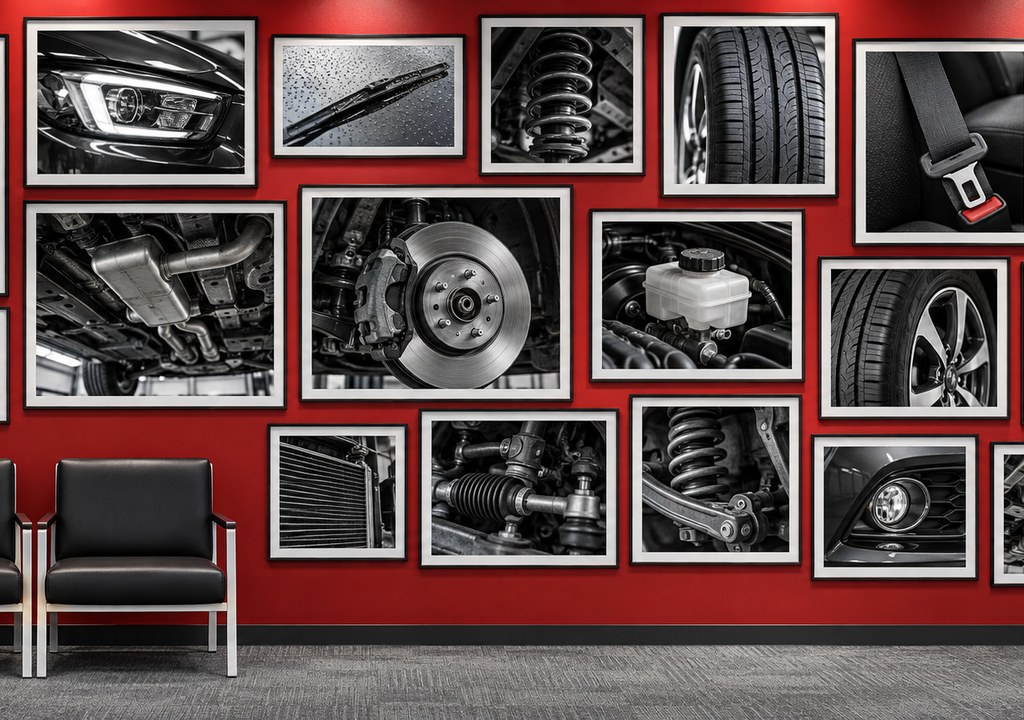
A roadworthy certificate checks that your car is safe to drive, not that every part works well. It covers brakes, tyres, lights, steering, suspension and the windscreen. It does not cover the engine, gearbox or electronics, so a car can pass roadworthy and still need real repairs.

Ask the seller for the test sheet before you pay a deposit. If there is no certificate, budget for one and have it done at a testing station you trust, not one the seller picked.

What The Test Covers

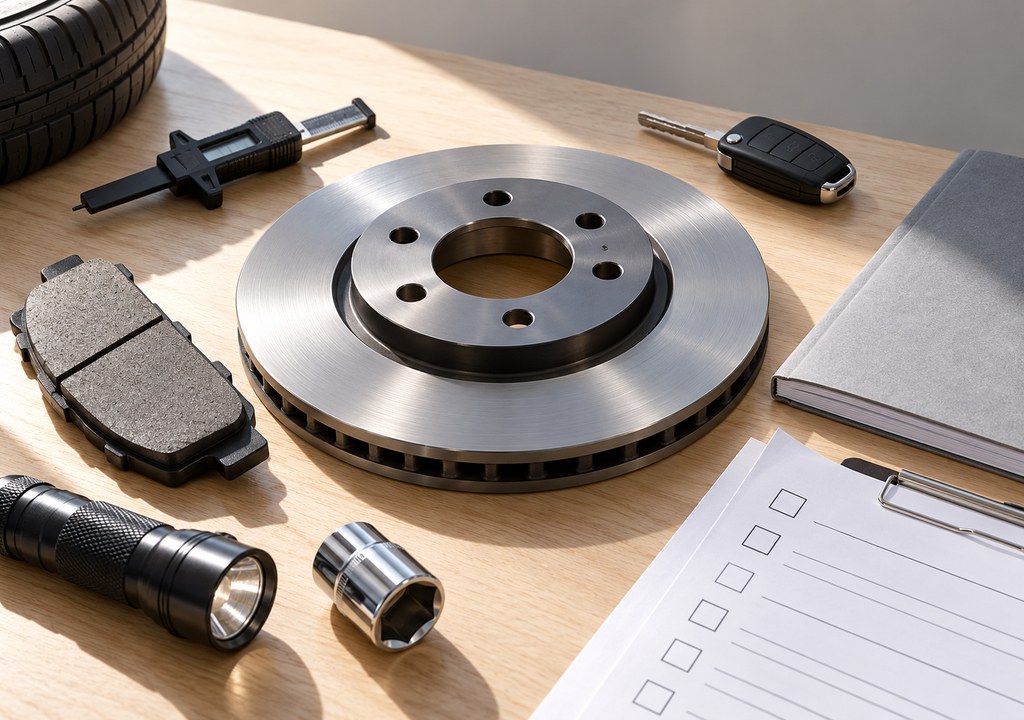
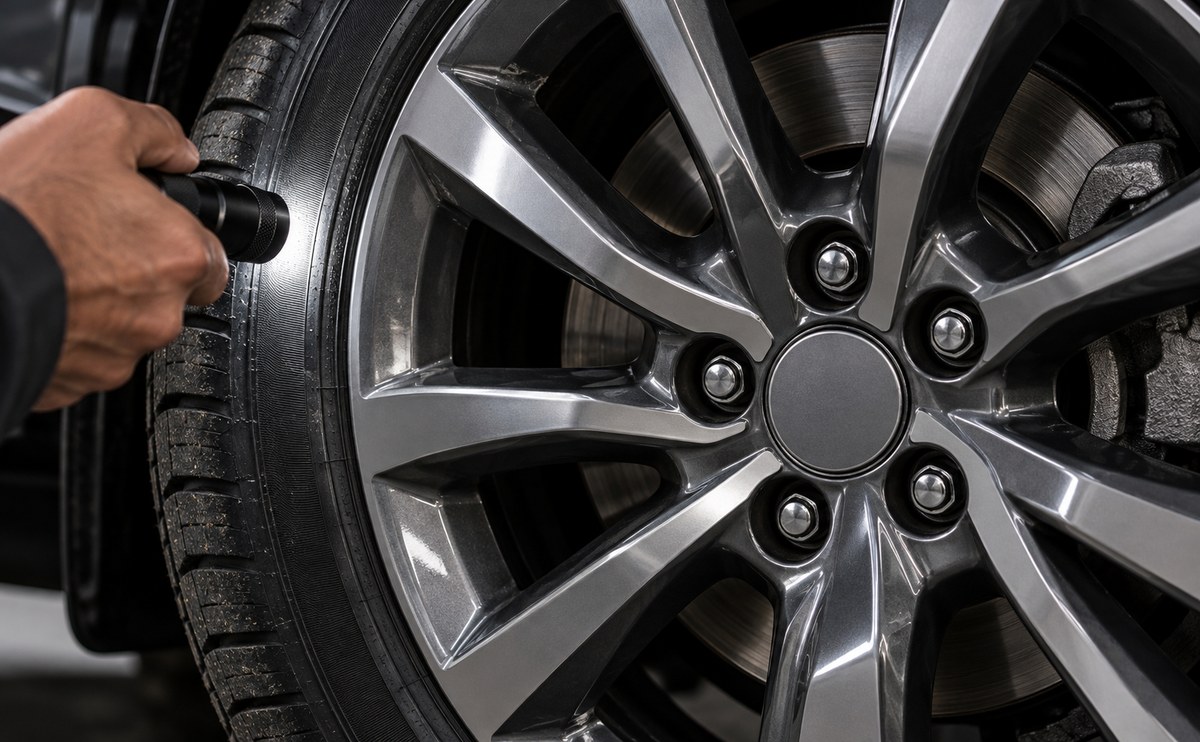
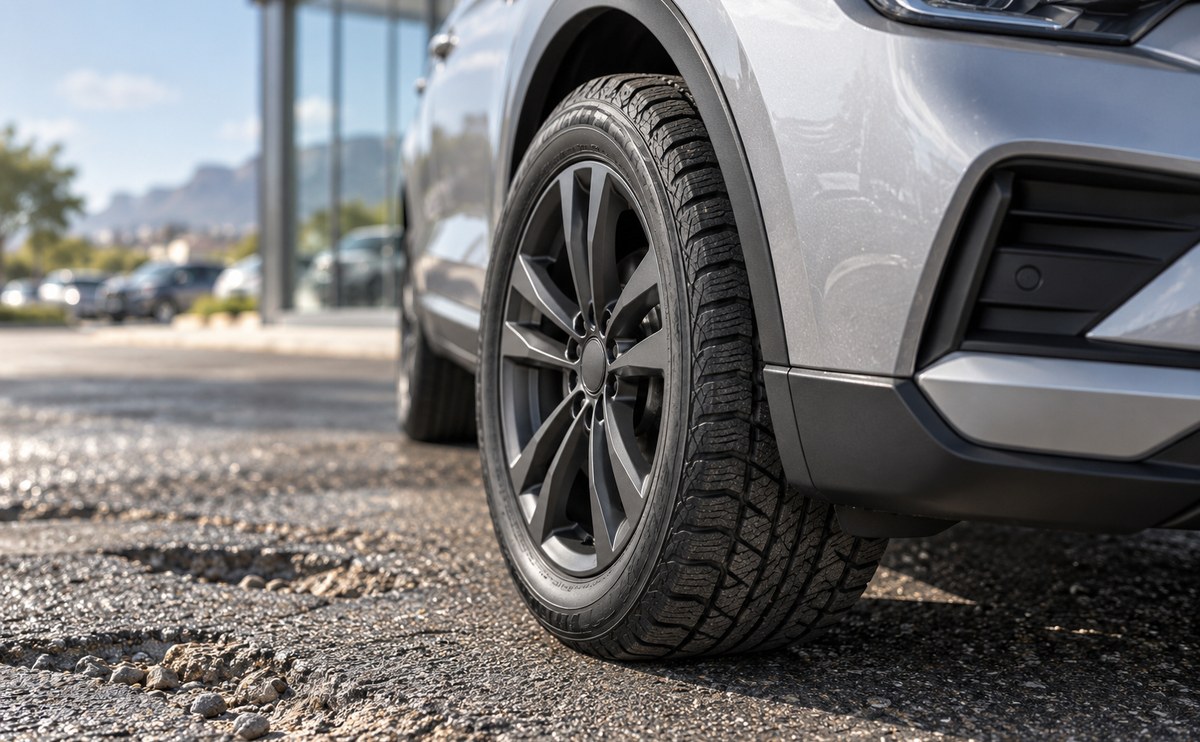
Brakes, tyres, lights, seatbelts, steering and bodywork are checked against the legal minimum standard.

EVENT INFO

ā€œRoadworthy Testingā€ @Autoveld Workshop
Branch: Randburg – Also: Cape Town
Mon – Fri / 08:00 – 17:00

A roadworthy certificate is valid for sale purposes only and does not need to be renewed every year.

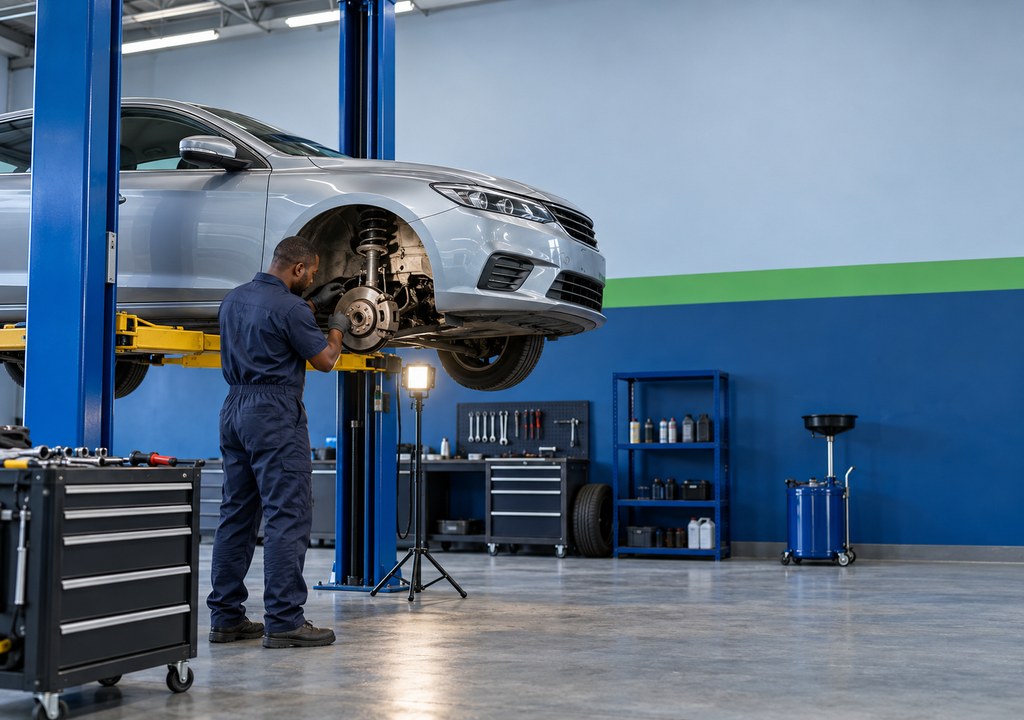
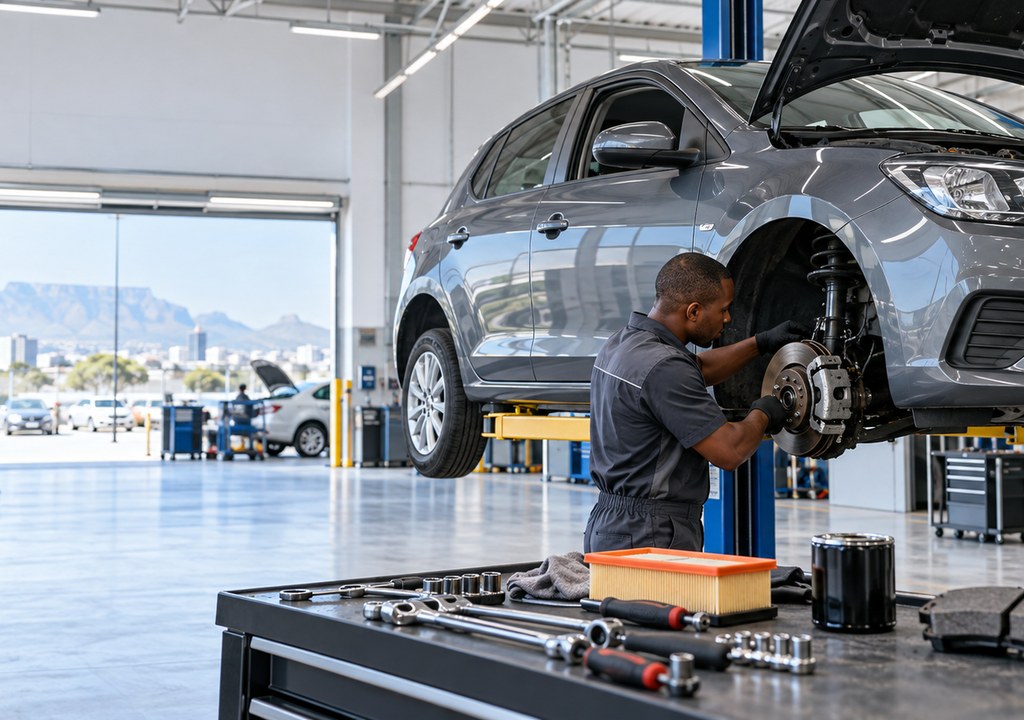
Testing stations check for things like worn brake pads, cracked windscreens, bald tyres, faulty indicators and loose steering components. A car with a cracked chassis or welded repair can still fail even if everything else looks fine. Testing stations are strict about seatbelts and warning lights on the dashboard.

What It Does Not Cover

Most municipalities require a roadworthy certificate when you change ownership of a vehicle, not every year like some people think. It stays valid as long as the car isn't sold again, so a private seller showing you an old certificate from a previous sale means nothing for the car's current condition.

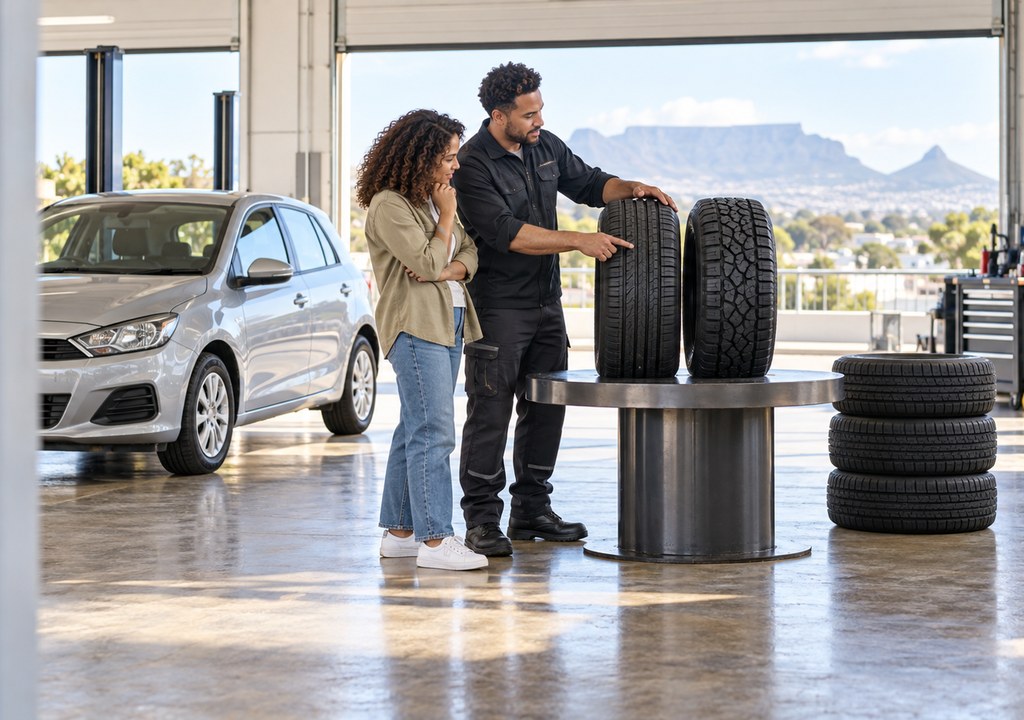
Always get your own roadworthy done through a tester you trust, not whichever garage the seller recommends. It's a small cost that protects you long after the sale is done.

Leave a Reply

Your email address will not be published. Required fields are marked *