Behind the Craftsmanship of Our Bags

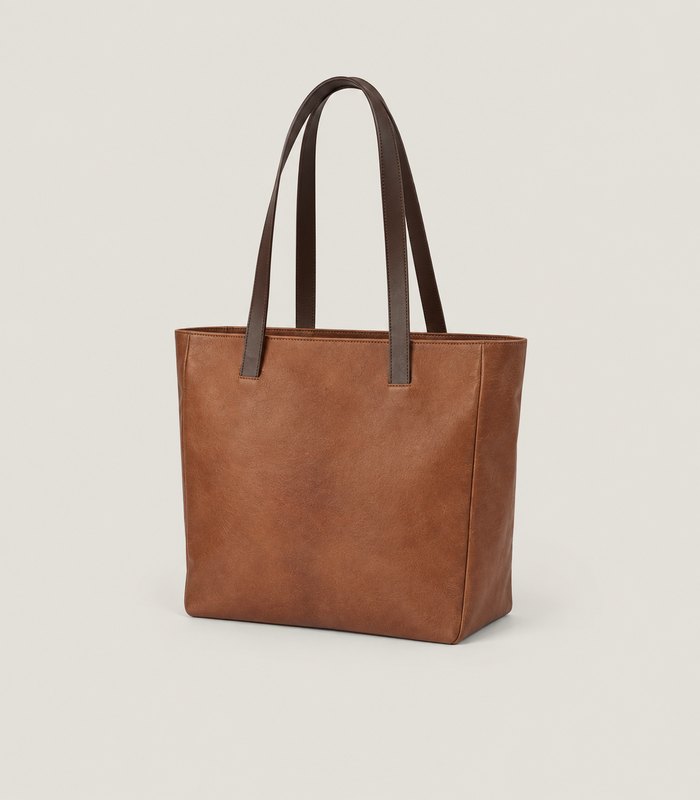
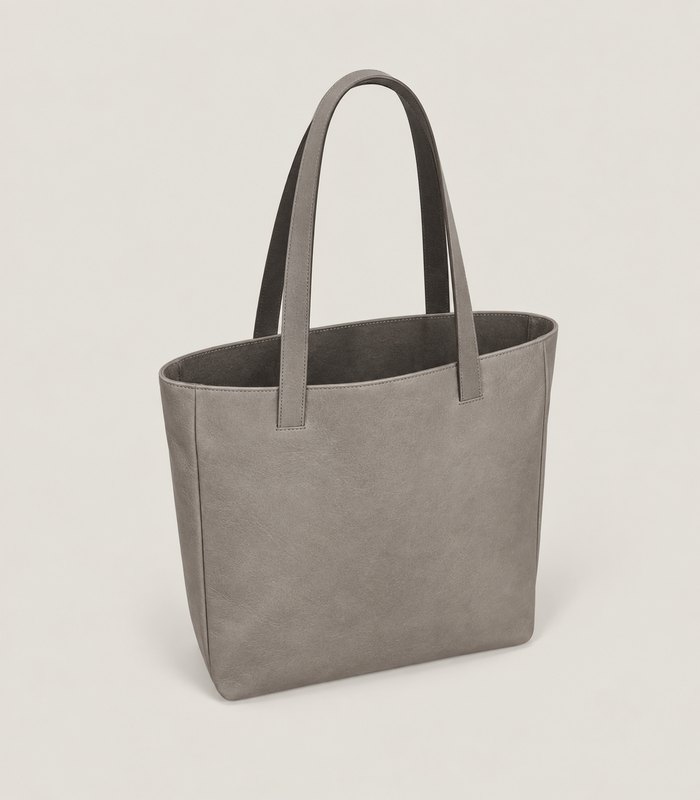
Handmade leather bag by Stitchfield

Inside The Workshop On Bree Street

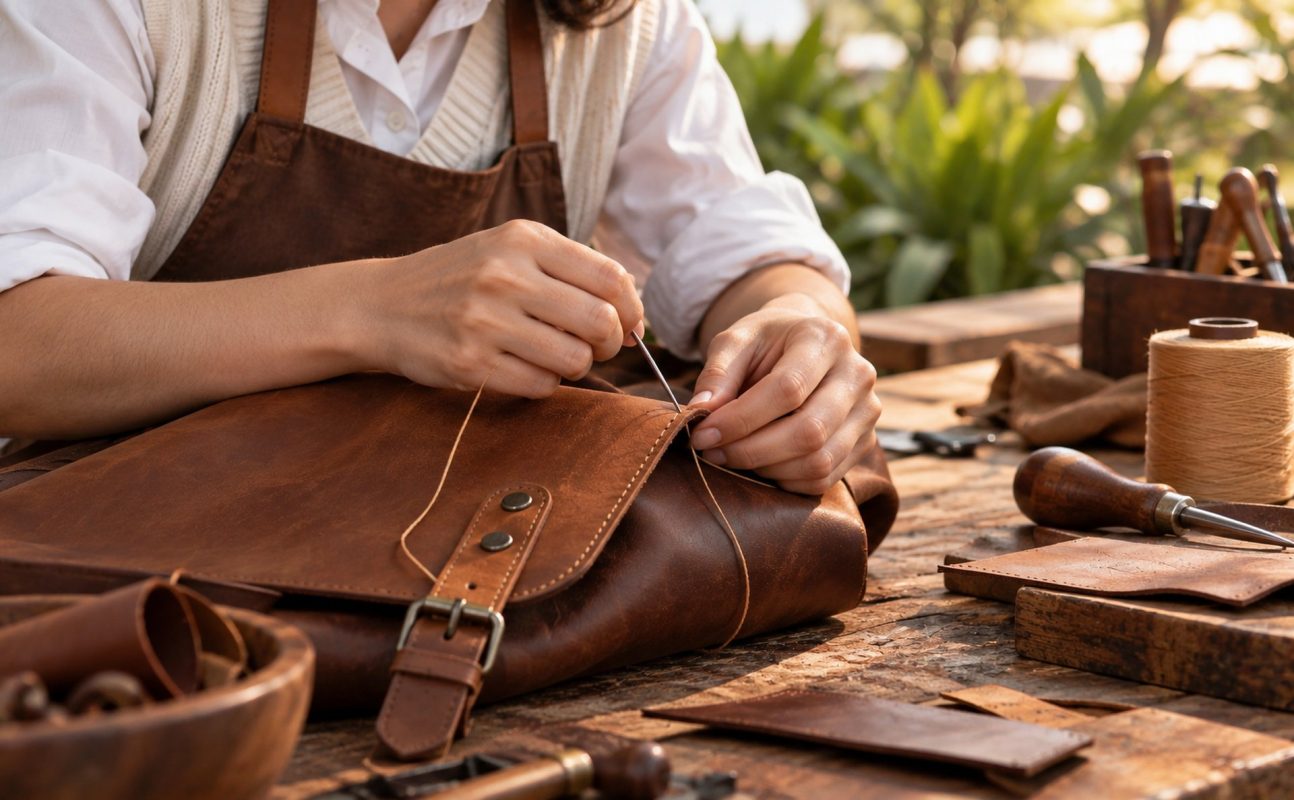
Our workshop sits on Bree Street in Cape Town, one floor above the traffic. Five of us work here, cutting hides by hand and stitching them with waxed thread. Nothing moves along a conveyor belt and nothing gets rushed to hit a number. A bag starts as a flat piece of full-grain leather on a scarred wooden bench, and it leaves as something a person will carry for years. That slowness is the whole point of the place.

How We Choose Leather And Canvas

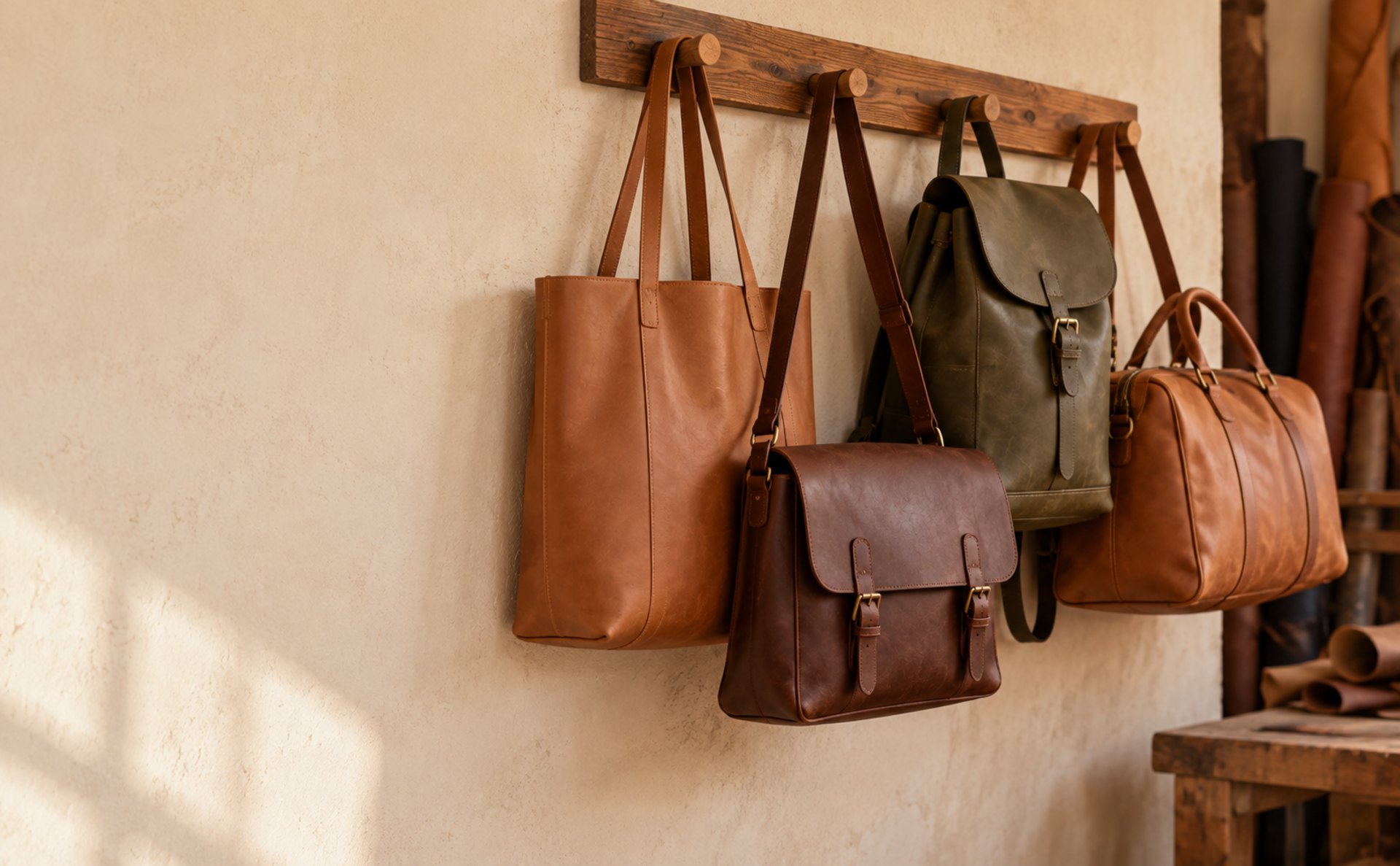
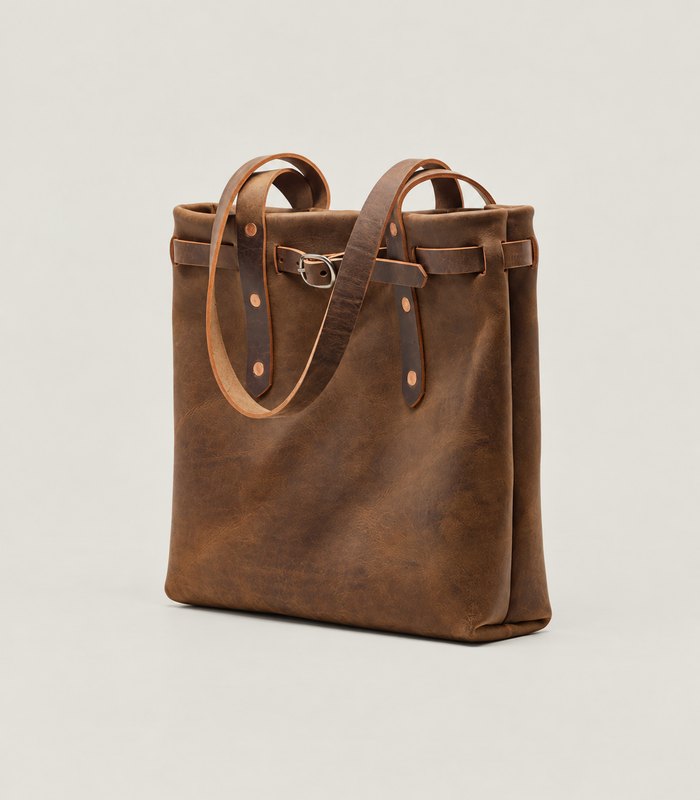
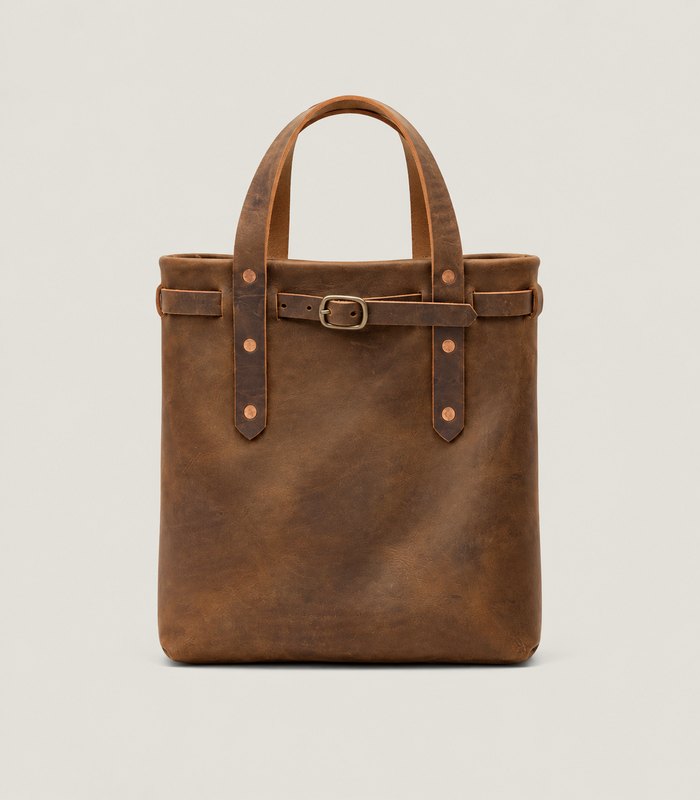
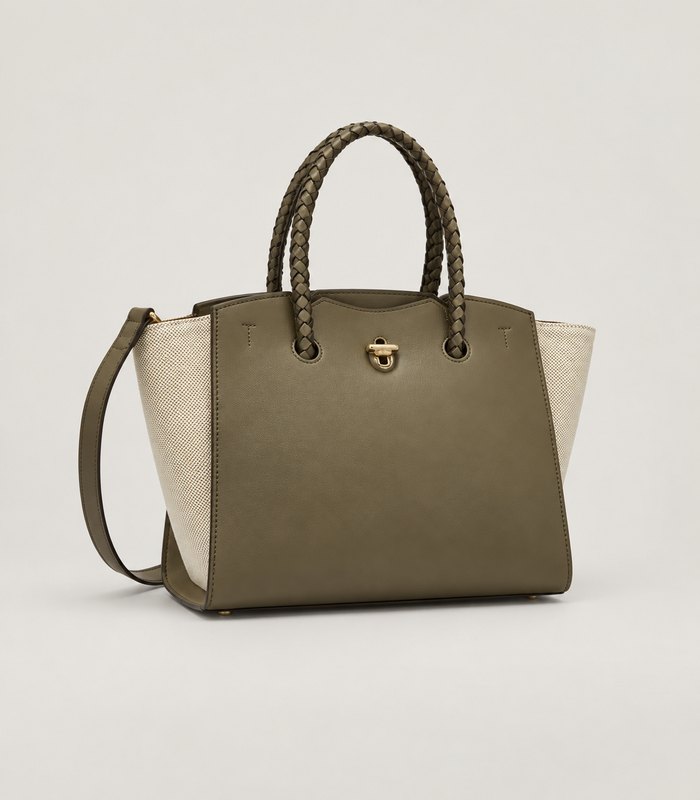
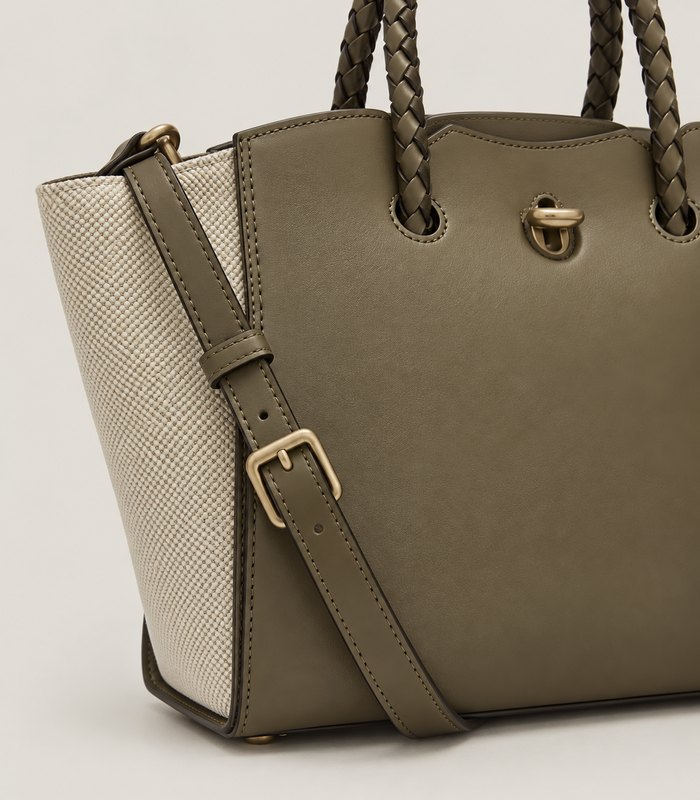
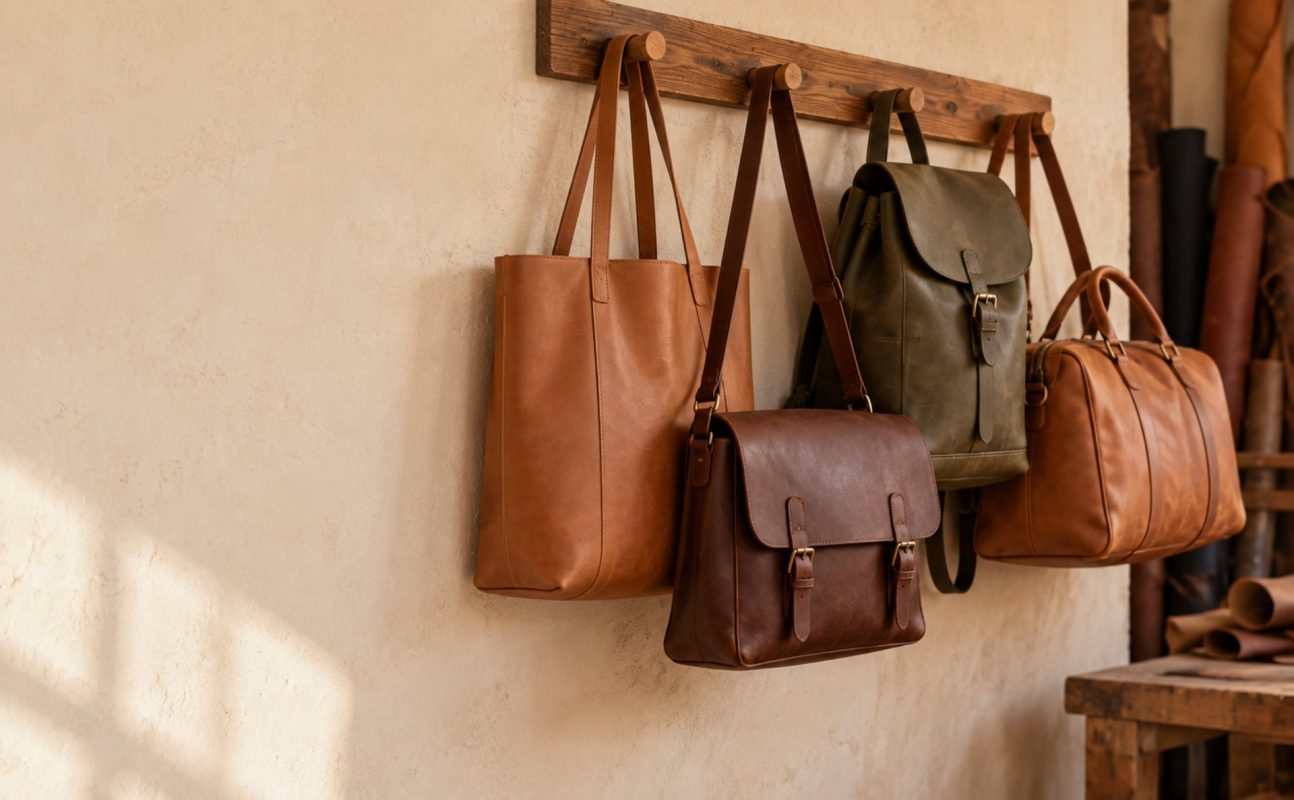
We buy full-grain leather in tan, cognac, charcoal and olive, and we check every hide by hand before it goes near a knife. Scars and grain changes are part of the material, so we cut around the worst of them and keep the rest honest. Waxed canvas comes in for the lighter bags, paired with a recycled cotton lining that wears quietly and never shows a crease. Vegetable-tanned accents finish the edges and straps where hands touch most often.

Cutting, Skiving And Hand Stitching

Each panel is cut from a paper pattern, then skived thin along the edges so the seams lie flat instead of bunching. We saddle stitch the load-bearing joins with two needles and one length of waxed thread. If a single stitch breaks, the whole row still holds. It is slower than a machine, and it is stronger.

A Personalized Experience

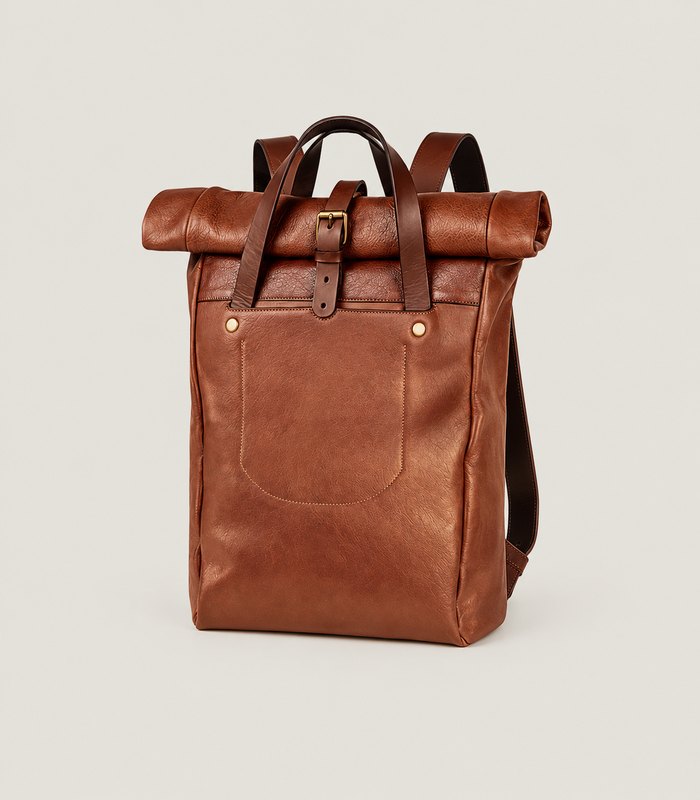
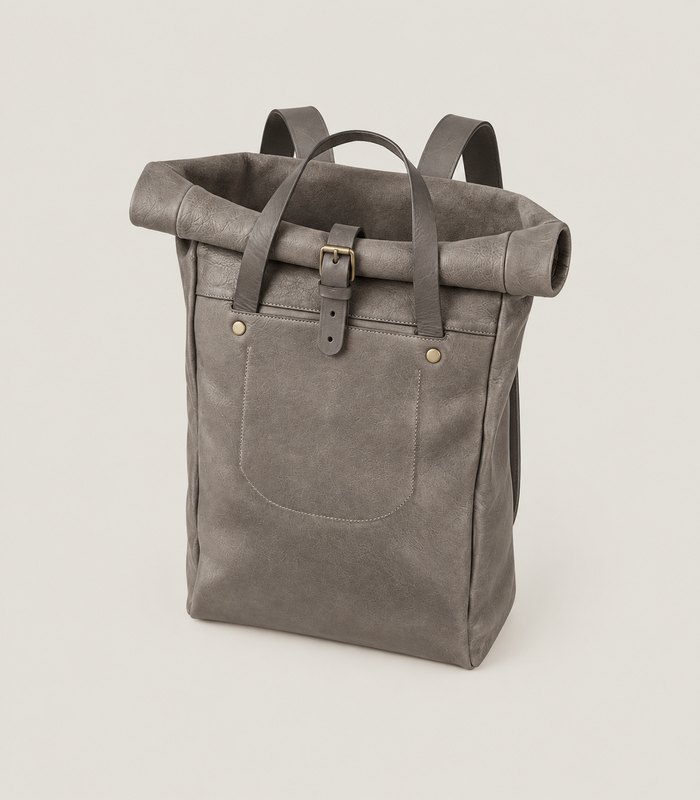
Edges are sanded, burnished and waxed until they feel smooth under a thumb, which is usually the first step a factory skips. Solid brass hardware goes on by hand, rivet by rivet, because a loose fitting is the first thing to fail on any bag. The Kirstenbosch Leather Rucksack alone takes a full day of steady bench work before anyone here is willing to sign it off.

Handmade leather bag by Stitchfield

The People Behind Every Single Bag

Stitchfield started in 2018 when a leatherworker and a tailor shared one bench and an argument about stitch length. The team is five craftspeople now, and the argument has not really ended. One cuts, two stitch, one handles hardware and finishing, and one runs the small repairs bench in the corner. Everyone learns the whole process here, so nobody hands off a problem they cannot fix themselves.

How A Good Bag Ages

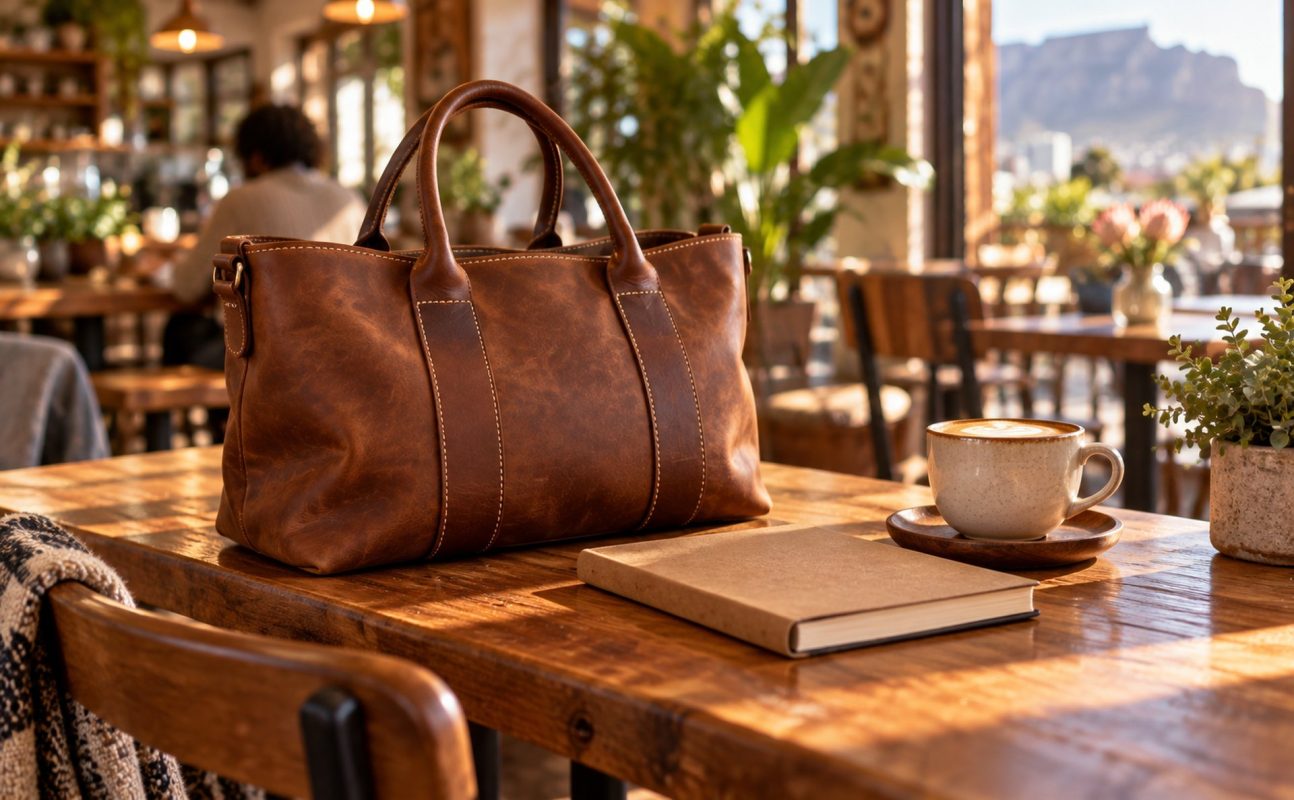
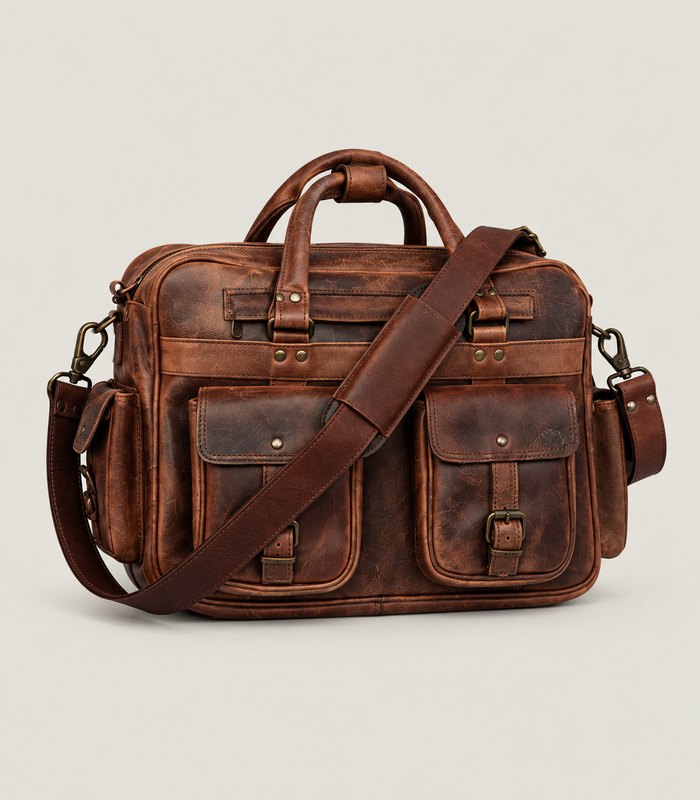
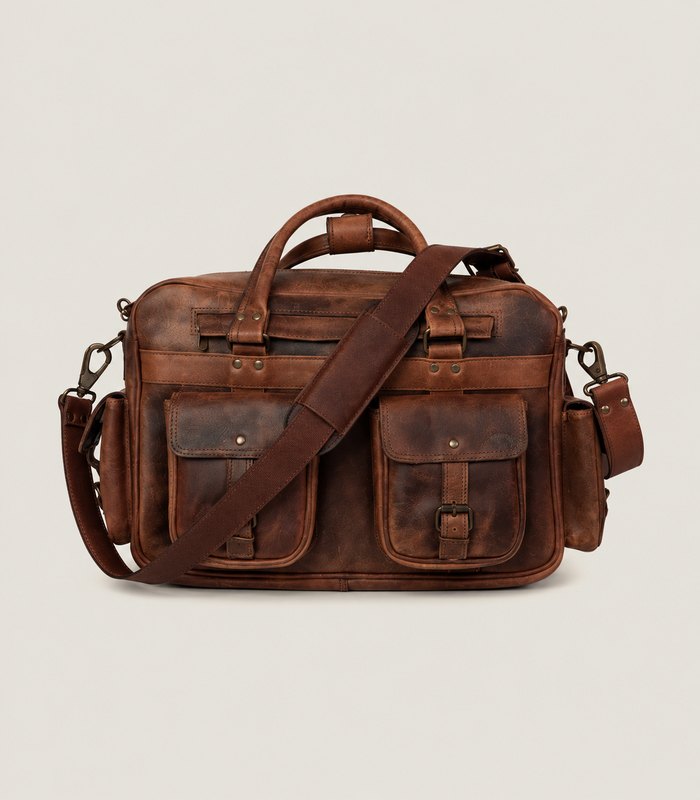
Full-grain leather darkens where your hand rests and where afternoon sunlight catches it. After a year the Kalk Bay Weekender Duffel looks nothing like the one that left the bench, and that is exactly how it should be. Waxed canvas softens and creases along the same folds each time you pack it for a trip. Brass dulls into a warm, quiet colour instead of staying bright. None of this is damage. It is the record of a bag being used properly, day after day.

Built To Be Repaired, Not Replaced

We guarantee the seams and hardware for three full years, and we would far rather fix a bag than replace it with a new one. Send it back to Bree Street and we will restitch, rivet or re-edge it for you. Returns stay open for 30 days. Courier delivery runs nationwide, R100 standard and free over R750.

Related posts