

Blog
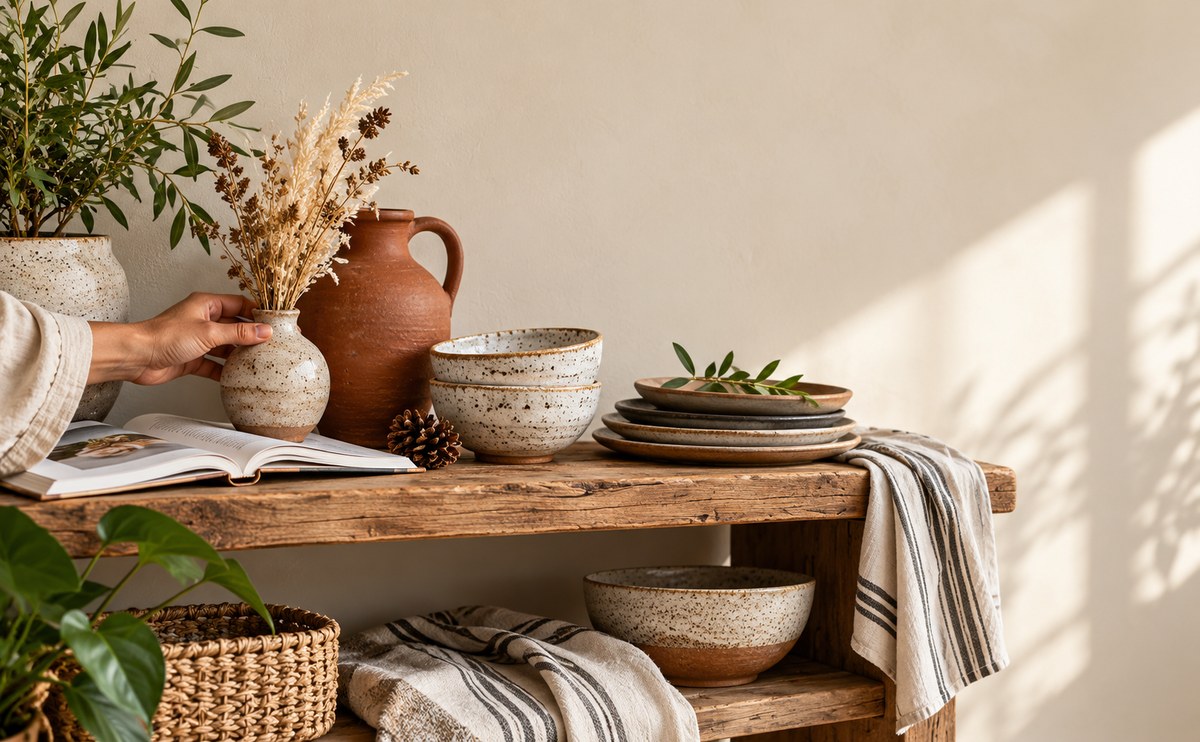
Styling open shelves with local ceramics
Handmade baskets are strong, but the KZN humidity can be hard on them. Damp air lets mould settle in the weave if a basket is left in a closed cupboard. Keep yours where air can move.Wipe each basket with a dry cloth every few weeks and let it sit in the shade after a rainy spell. Never soak a woven piece, as the fibres lose their shape.
If you see a little mould, brush it off outdoors and leave the basket in gentle sun for an hour. Rub in a drop of natural oil afterwards. Store baskets stacked loosely, never packed tight, and they will last for years.
Choosing the right basket
Think about where the basket will live before you buy. A tight weave suits storage for linen and toys, while an open weave is better for fruit and bread. Look for even stitching and a flat base. Natural dyes may soften over time, which many people prefer, and a well made basket will hold its shape for years of daily use.
A good basket feels light in the hand and firm in the weave. Check the rim and base before you buy, and trust a maker happy to show you how it was made.
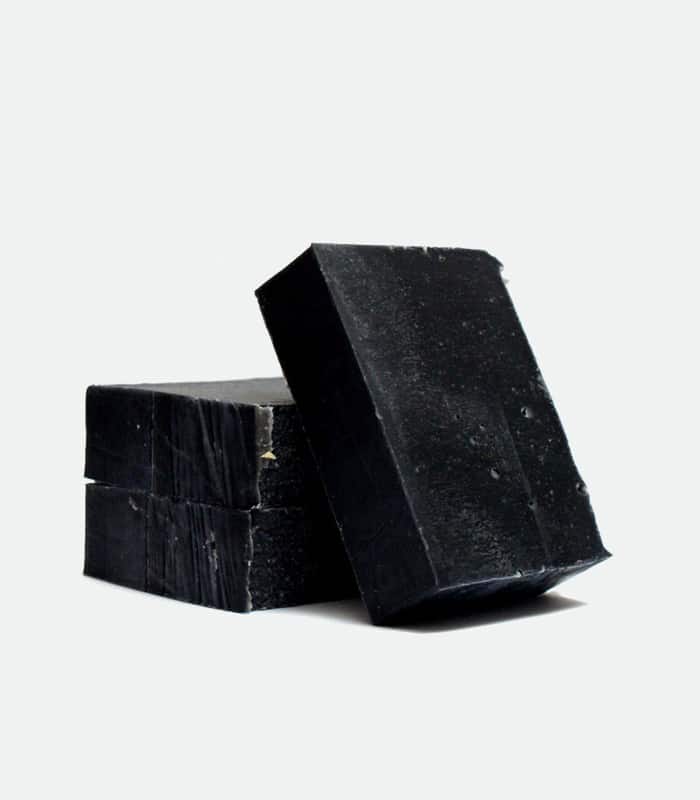
Activated Charcoal Soap Bar
R320.00 – R750.00Price range: R320.00 through R750.00
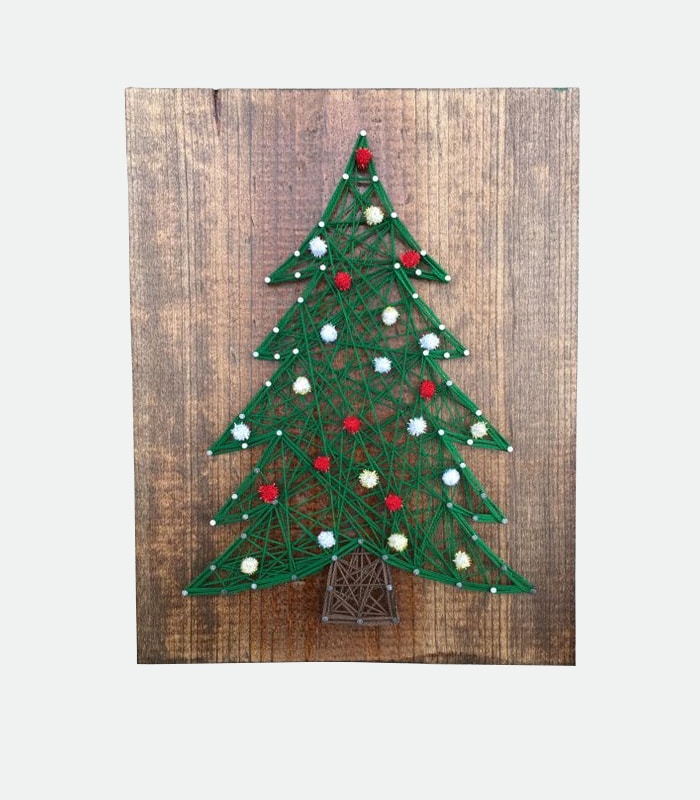
Christmas Tree String Art Board
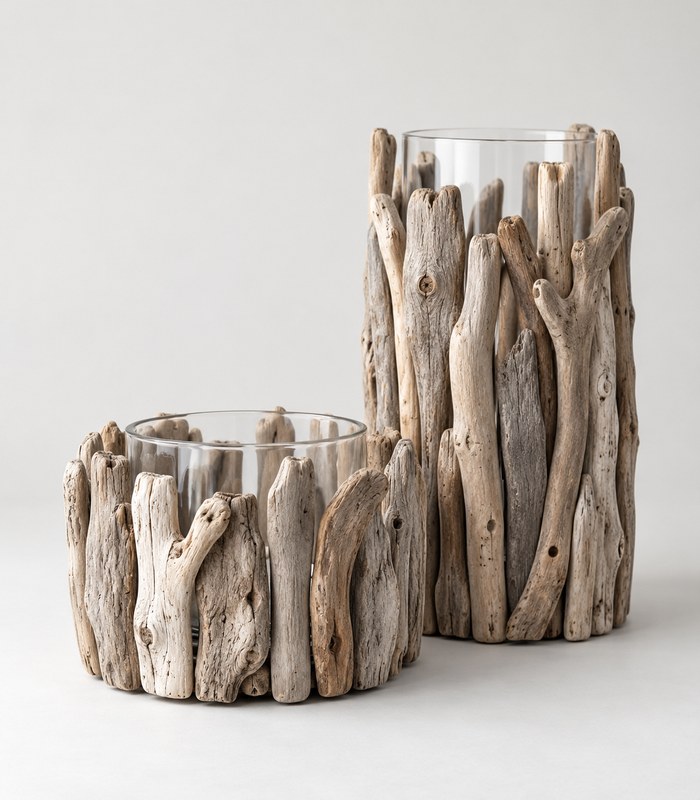
Driftwood Candle Holder Set
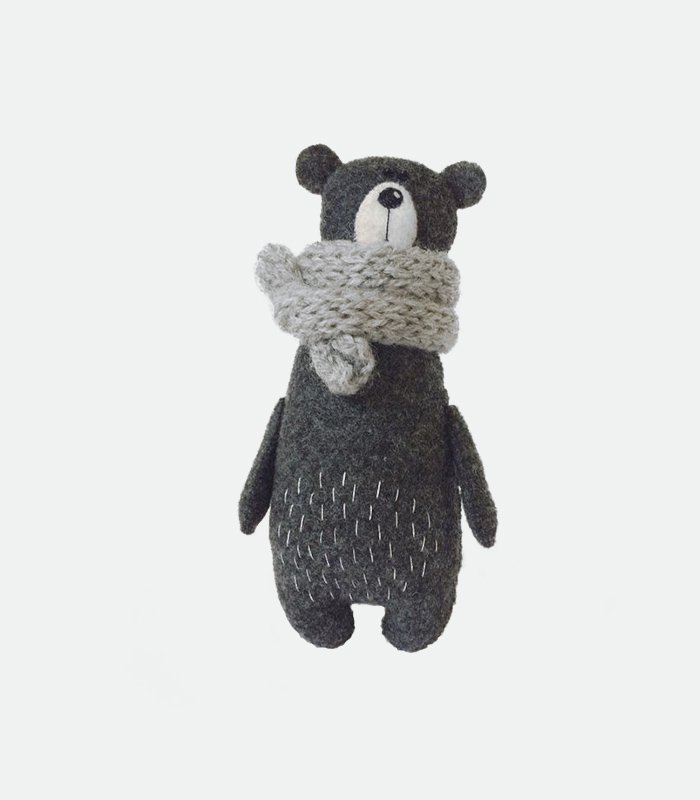
Hand-Knitted Bear with Scarf
R395.00
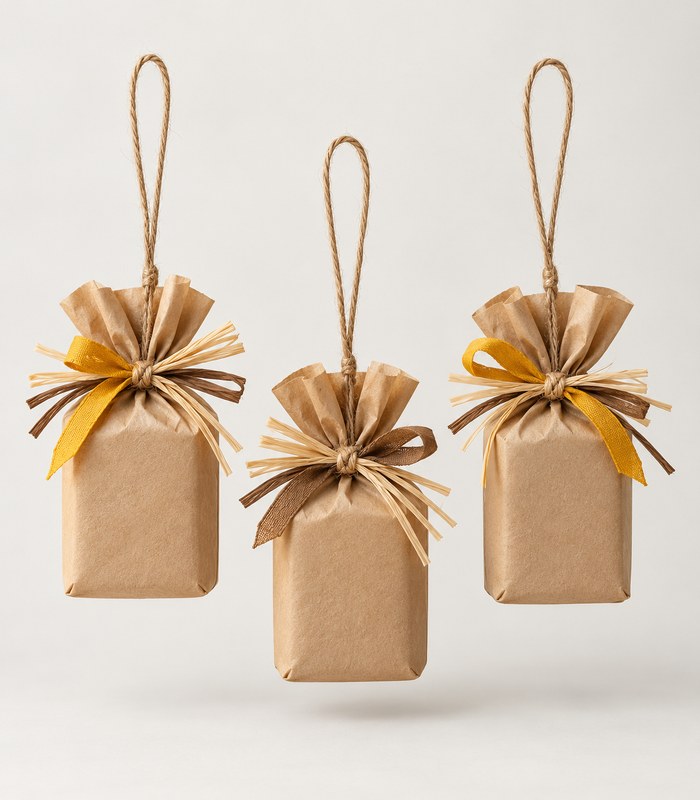
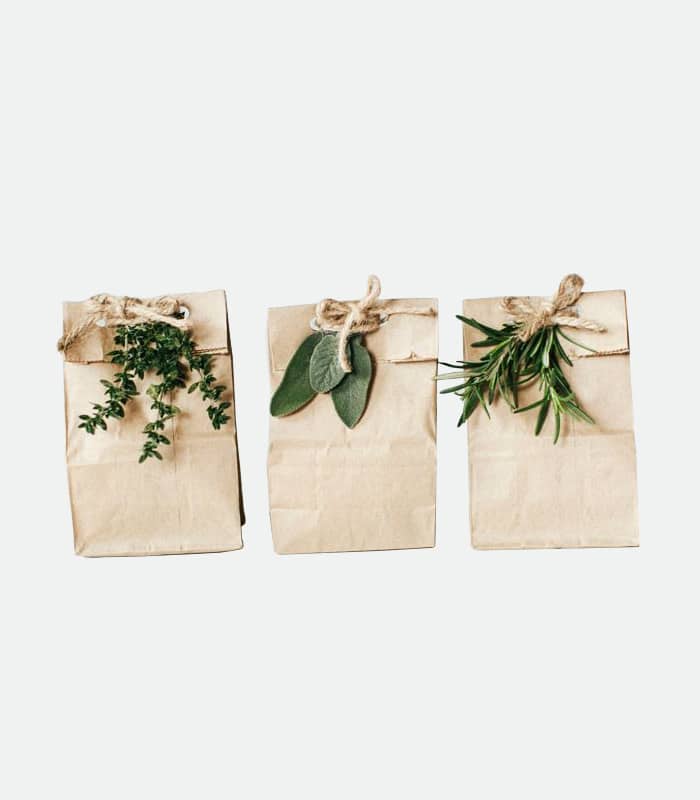
Kraft Paper Gift Bags with Fynbos Sprig
Baskets also love a little company. Place a few of different sizes together on a shelf or by the front door. Mixed shapes look natural and keep the air moving around each piece. Line a basket with cotton cloth for bread or fruit, and wash the cloth often. Keep woven pieces away from kitchen steam and bathroom damp, and they will stay tidy and strong for a long time.
A simple routine for baskets
Dust weekly, air monthly and keep away from damp walls. Turn each basket now and then so the sun does not fade one side. A little care goes a long way.
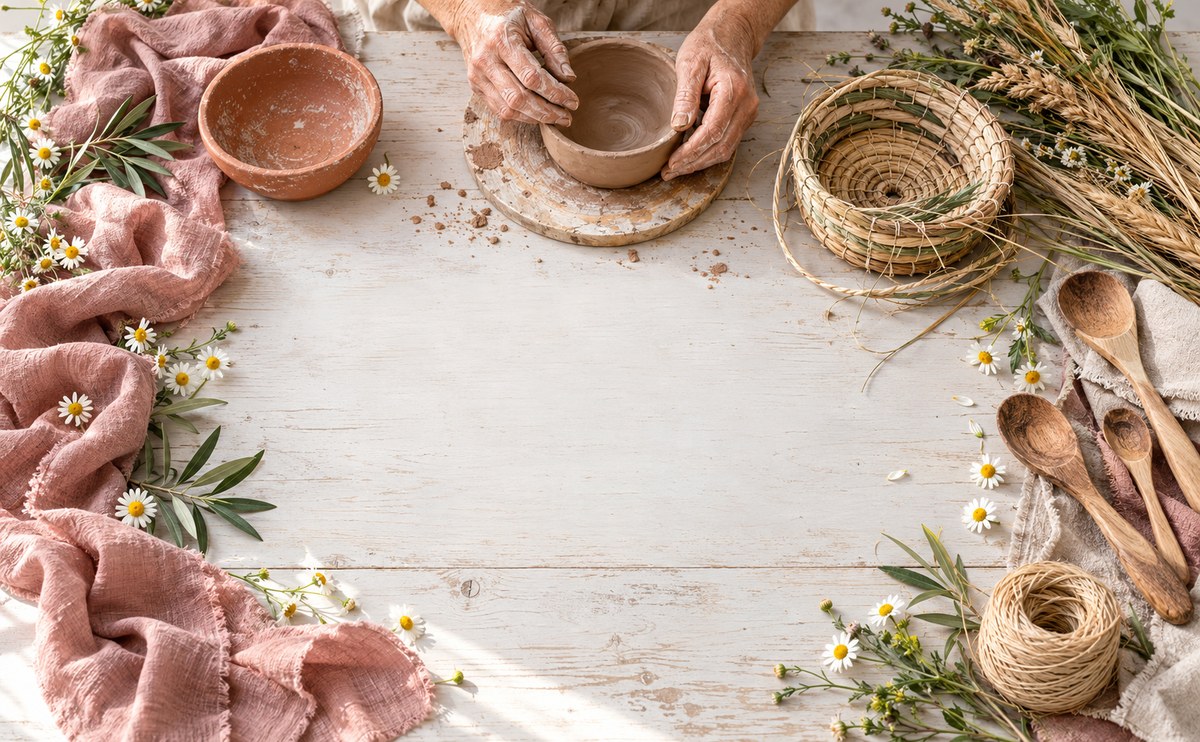
Baskets coiled by hand in Inanda
Each basket takes the Inanda Weavers several days to finish. The grass is gathered, dyed and coiled by hand, so no two pieces look the same. Ours are made to be used every day.
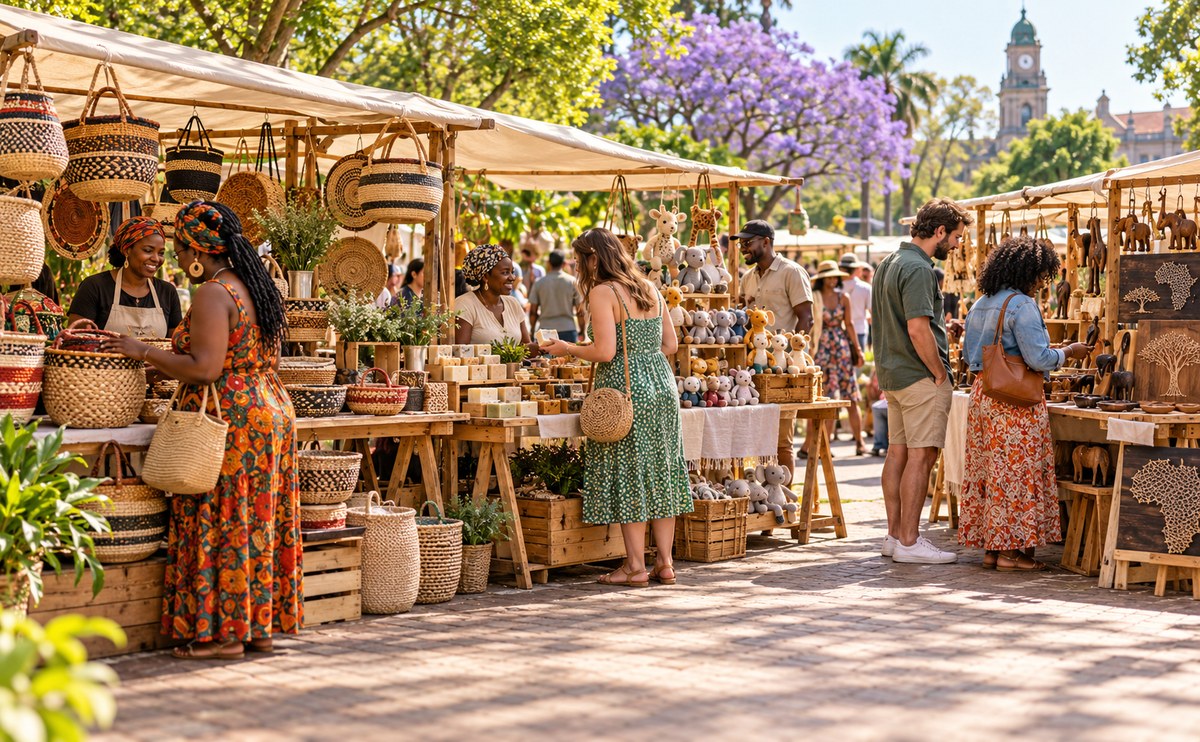
Our Midlands makers work from small studios and kitchen tables around Pietermaritzburg. Every piece is shaped, stitched or fired by hand, and each one carries the mark of the person who made it. Look for the maker's name on the tag. We pay them fairly and we always keep the stories behind each piece alive in our shop.