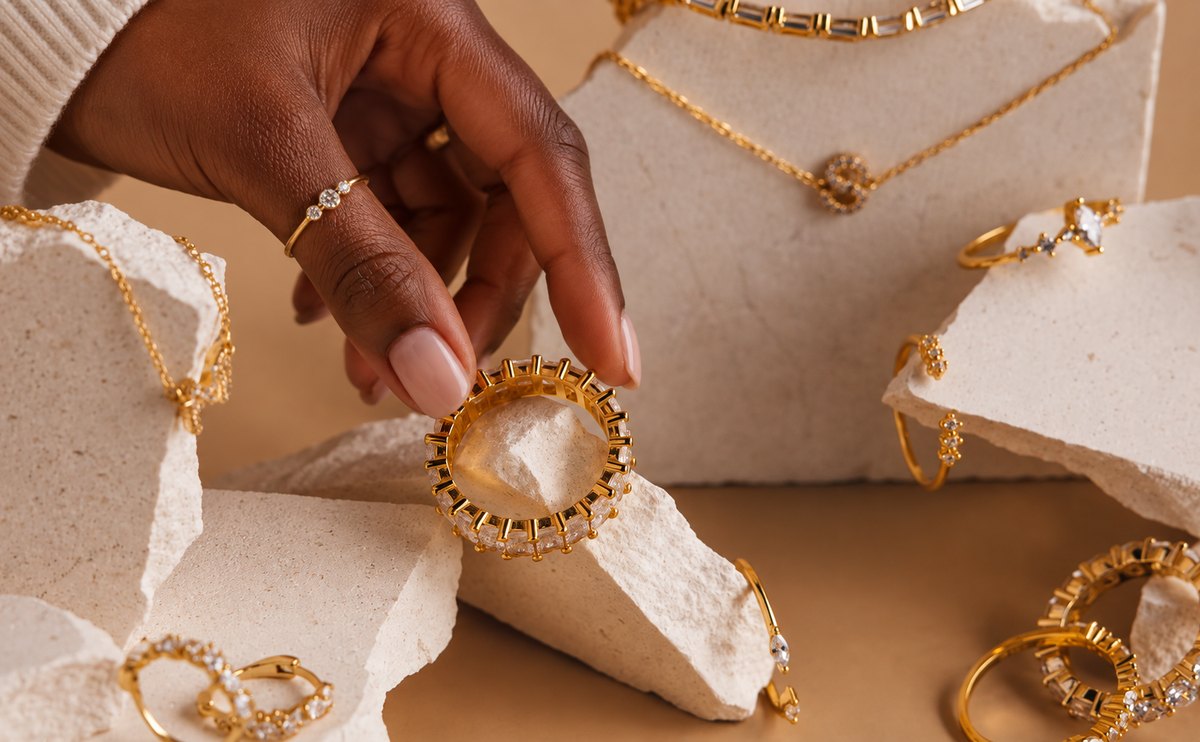
Solid metal is the first thing to look for. A plated piece has a thin layer of gold over a cheaper metal, and however good the plating is, it will wear through at the points that rub. Solid gold has the same metal all the way through, so a scratch polishes out instead of showing the base underneath. That is the difference between a piece you keep for twenty years and one you replace every second summer, and it is usually the whole reason for the price gap.
Solid Gold
Cape Town
Repair Bench
Cape Town

People use the word investment loosely when they talk about jewellery, and mostly they do not mean it. Very little jewellery goes up in value. What good jewellery does is hold its value while you use it, which is a different and more useful thing. A well made ring worn every day for fifteen years costs a few rand a week to own. A cheap one bought four times over the same period costs more and gives you less. That is the sum worth doing before you buy anything.
Four Things That Last
When we look at pieces that come back to the bench after many years, the ones still going strong tend to share these four things.
- Solid metal rather than plating. Gold vermeil is a good middle option because the plating sits on silver rather than brass, so when it does wear you still have a decent metal underneath. Straight gold plate over base metal is the one to avoid if you want the piece to still be here in ten years.
- A clasp built to be opened. Most necklaces fail at the clasp, not the chain, because that is the part being worked twice a day. A solid lobster clasp with a cast ring will outlast a spring ring several times over. It costs a little more to fit and it is the cheapest insurance on the whole piece.
- Stones set in a bezel or solid claws. Thin claws bend, catch on knitwear and eventually let the stone go. A bezel wraps the stone in a rim of metal and holds it for good. If you want claws, ask for four heavy ones rather than six fine ones, because the fine ones wear away.
- Somewhere to get it fixed. A piece from a shop with its own bench can be repaired for as long as the shop exists. An imported piece often cannot be touched, because the alloy is unknown. Ask before you buy, not after it breaks.
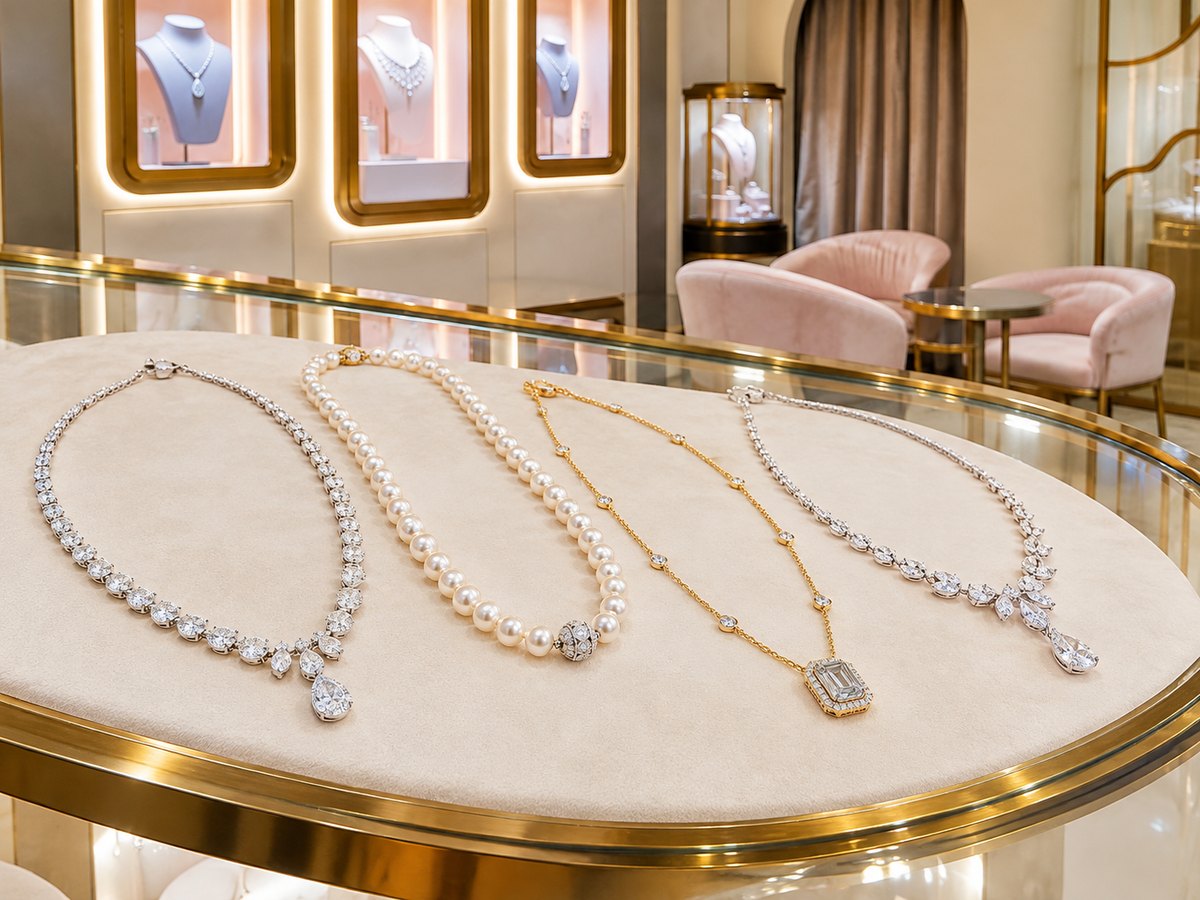
Looking after a piece matters almost as much as how it was made. Most damage we see is not wear, it is chemistry. Perfume, sunblock, chlorine and the salt in sea air all attack plating and dull stones, and the damage is cumulative rather than sudden. The habit worth building is simple. Jewellery goes on last, after perfume and sunblock, and comes off first, before a swim or a shower.
Storage is the other half. Pieces thrown into one box scratch each other, and silver tarnishes fastest in a warm damp cupboard, which describes most bathrooms on this coast. Keep each piece in its own soft pouch, somewhere dry, and give silver a rub with a soft cloth every few weeks rather than waiting for it to go black. None of this takes more than a minute. Do it and a good piece will still look right when you hand it on to someone, which is the only kind of return on jewellery that has ever really been worth having.
Thanks for reading this far. We will have more guides for you soon, so check back.