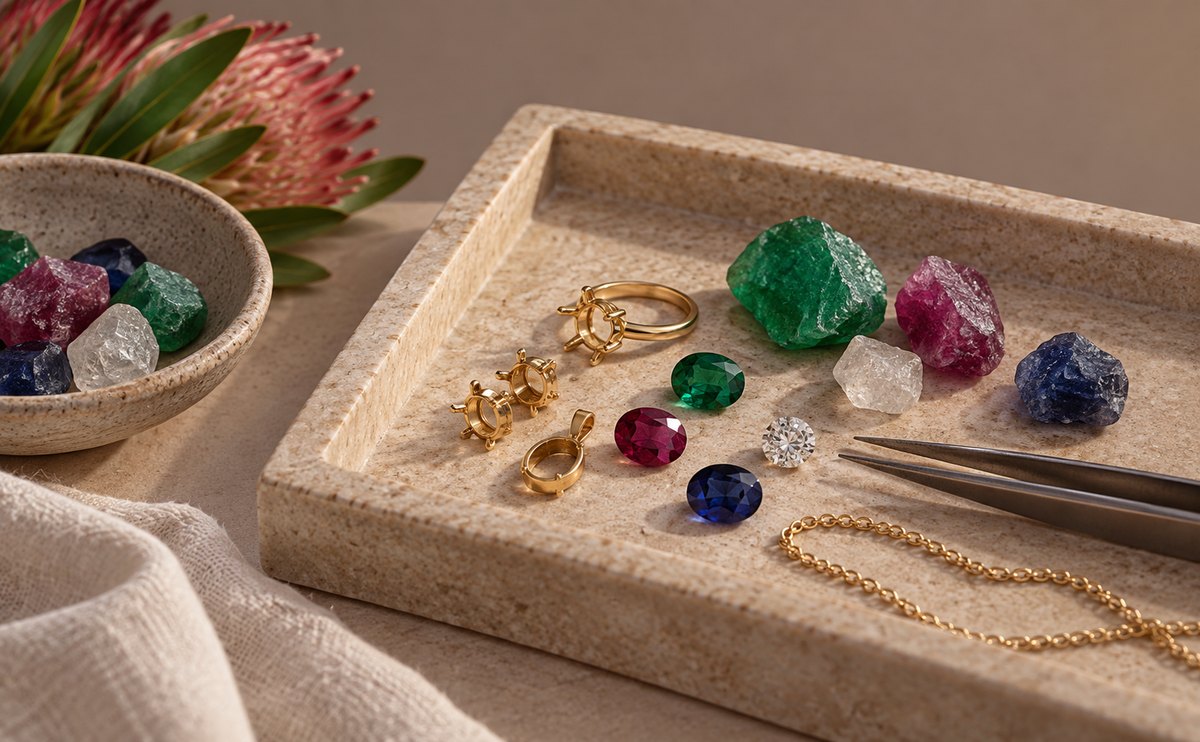
Recycled metal is where most of the change has happened. Gold can be melted and refined again and again without losing anything, so a ring made from recycled gold is exactly as good as one made from newly mined metal. Our casting house in Johannesburg now runs almost entirely on recycled material, which keeps the cost steady and takes a lot of digging out of the picture. When you ask a jeweller where their gold comes from and they can answer clearly, that is a good sign.
Recycled Gold
Johannesburg
Rough Stones
Cape Town

Ten years ago, asking a jeweller where a stone came from usually got you a shrug. That has changed quickly. Buyers started asking, the bigger houses had to answer, and the small studios followed. South Africa sits in an odd spot here, because we mine a great deal and cut very little, so most of what is dug up here leaves the country rough and comes back set in something. A shop that can tell you the route its stones took is doing real work behind the counter, not just talking.
Four Questions Worth Asking
Use these four when you are standing in a shop. A good jeweller will enjoy the questions. One who gets uncomfortable is telling you something.
- Where was the metal refined, and is it recycled. Recycled gold and silver are now easy to source in South Africa, so there is no real excuse left. Ask for the refinery name. If the answer is vague, or you get told it does not matter, take that as your answer and shop somewhere else.
- Can you trace the stone. For diamonds, look for a stone with paperwork that names the country and the cutting house. For coloured stones, ask whether it is mined or lab grown. Lab grown is not a lesser stone, it is the same material grown in a different place, and it costs far less for the same look.
- Who made the piece, and where do they work. A studio that makes its pieces on site can show you the bench. One that imports finished pieces and adds a logo cannot. Neither is wrong, but you should know which one you are buying from before you spend the money.
- What happens when it breaks. A shop that stands behind its work will resize, re-solder and re-plate for years. That promise costs them money, so they only make it when the piece is built properly. Ask what the repair policy is before you pay.
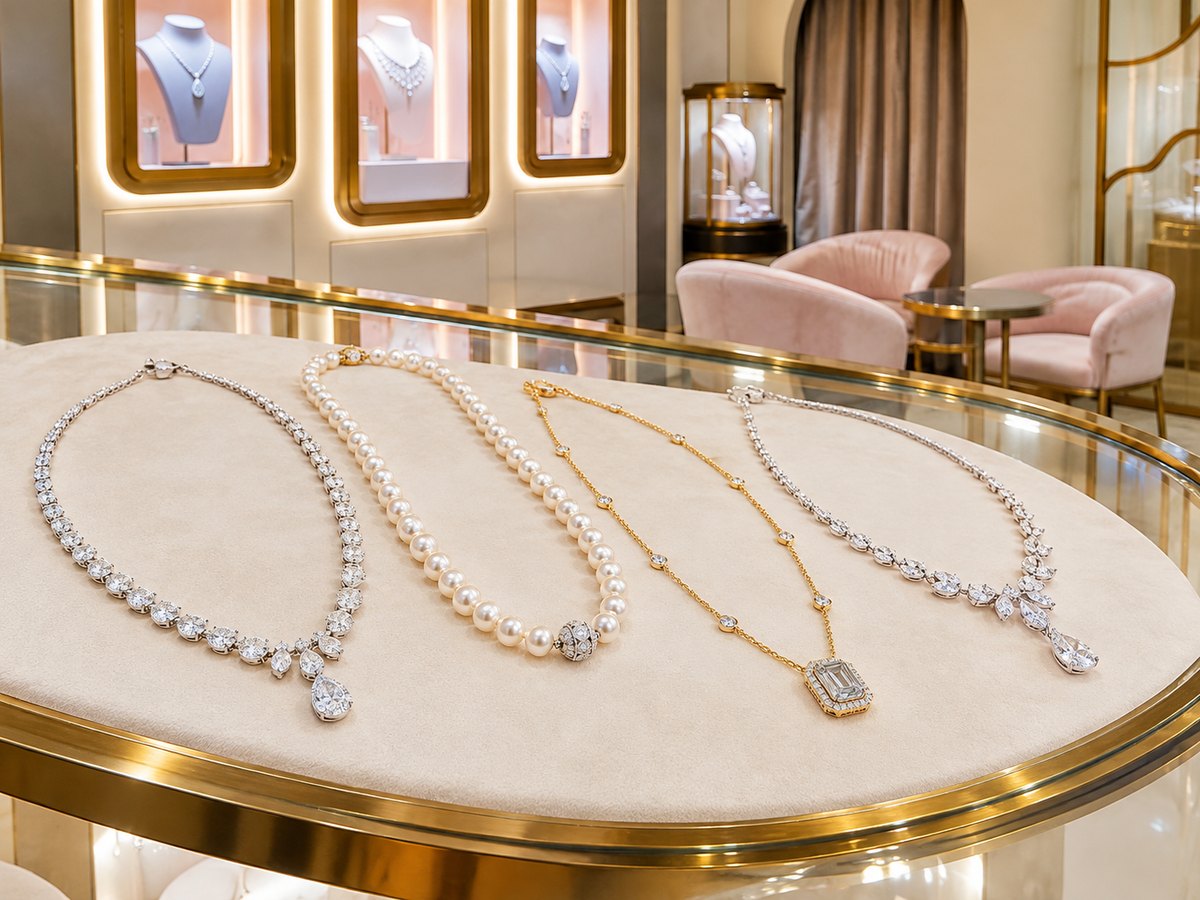
None of this means you have to spend more. Some of it works the other way. Lab grown stones have pulled the price of a good coloured stone down hard, and recycled metal is often cheaper than newly refined metal because the energy cost is lower. Buying carefully is mostly about asking, not about paying extra.
The part that does cost more is labour, and that is the part worth paying for. A piece that is cast, filed, set and polished by someone who does this every day will outlast three cheaper versions of the same thing. We see the difference on the repair bench every week. Pieces come in that are five years old and need a clasp, and pieces come in that are five months old and have nothing left to save. The sourcing questions and the quality questions turn out to be the same questions asked from different angles, which is why the shops that answer one well usually answer the other well too.
Thanks for reading this far. We will have more guides for you soon, so check back.