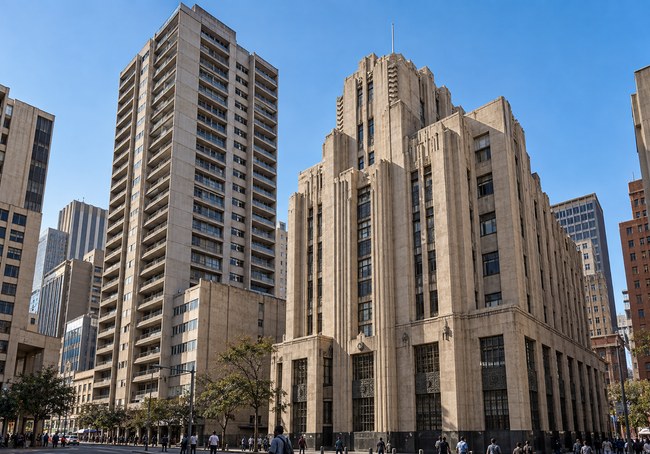
Johannesburg's inner city holds some of the most striking buildings in the country. Art deco corners, bold concrete towers and old banking halls sit side by side. Walk slowly and look up, because the best details are above the shop signs.

Start with the Ponte Tower story and its hollow core, then wander through the streets nearby. Many buildings are being restored by small teams and local owners. Ask at the door and someone will often let you peek inside the lobby.

Art deco icons

The art deco buildings downtown were built in the boom years of gold. Look for curved corners, stepped tops and geometric tiles on the entrance floors. Old banking halls along Commissioner Street are good places to start. Bring a camera and comfortable shoes. Early on a Saturday the streets are quiet and the light is kind to the stone.

Brutalist corners

Brutalist concrete shapes much of Braamfontein, from university blocks to old office towers. The style is heavy and honest, and it photographs well in afternoon light. Look closely at the textured walls and deep window recesses. Many were designed for shade in hot summers. Some are being given new life as studios, cafés and small galleries, which makes them easier to enjoy than ever.

Streets to walk

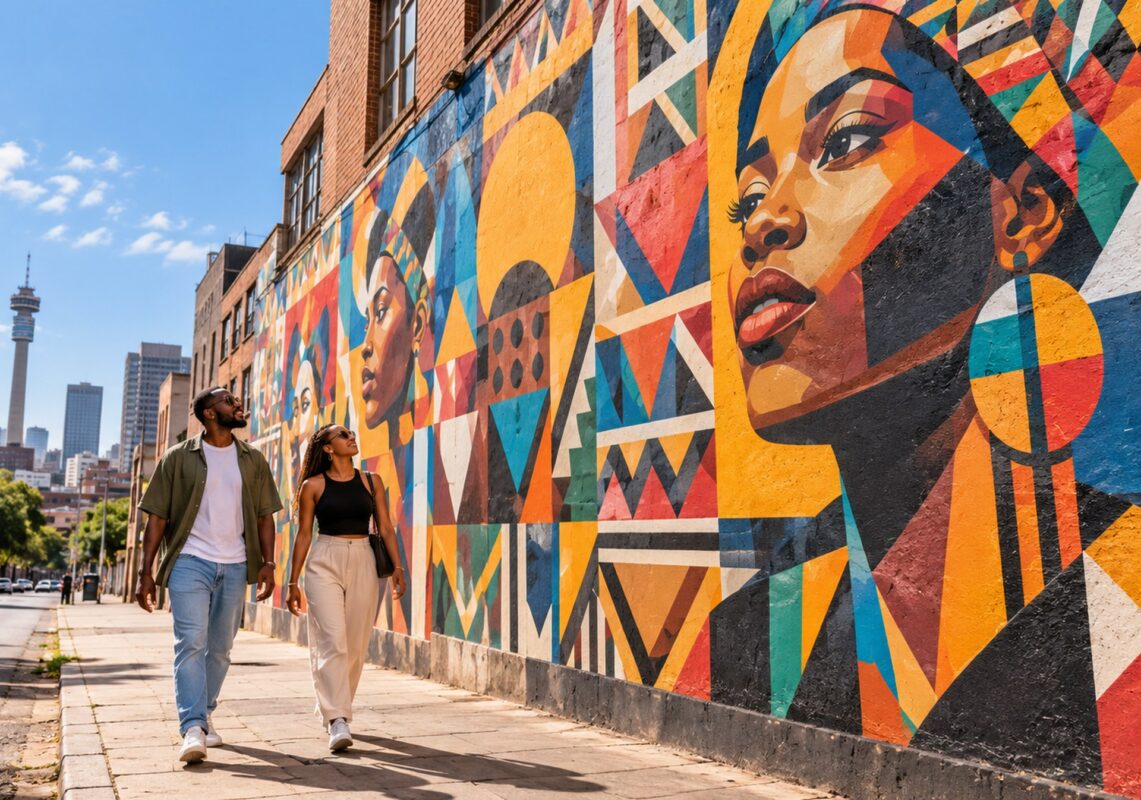
The best way to see the inner city is on foot, with a friend and a plan. Begin at Constitution Hill, then walk toward the Braamfontein rooftops and end with a coffee on Juta Street. Keep to busy streets, carry little and go in daylight. Guided walks are also available and many are led by people who grew up in the area. They know the stories behind each building and happily share them along the way.

Inner City Notes

Johannesburg's inner city is full of buildings with a story. Art deco apartment blocks sit next to old banks and warehouses that now hold studios and coffee shops. Walk down Commissioner Street on a quiet Sunday and look up. Take our architecture walk and see how the city has grown. Every block has something worth a photo, from curved balconies to tiled lobbies and hand painted signs.

Many of these buildings were put up in the 1930s and 1950s, when gold money shaped the skyline. Some have been restored with care. Others still wait for new owners. In Braamfontein, old warehouses now hold design studios and student flats, while the streets around Juta Street fill with people at lunchtime. Ask a local guide to point out the details you would miss alone. The best time to walk is early morning, when the light is soft and the traffic is light. See our city guides for routes and tips.

Stoeptalk Newsroom, 31 Juta Street
Braamfontein, Johannesburg 2001

Leave a Reply

Your email address will not be published. Required fields are marked *