Start with your electricity bill. Look at how many kWh you used each month for the last year. Winter and summer can be very different, so look at both and take the average.
A typical family home uses about 600 to 900 kWh a month. Most of that is the geyser, the stove, the pool pump and the kettle. Knowing this helps us decide what the solar system must carry.
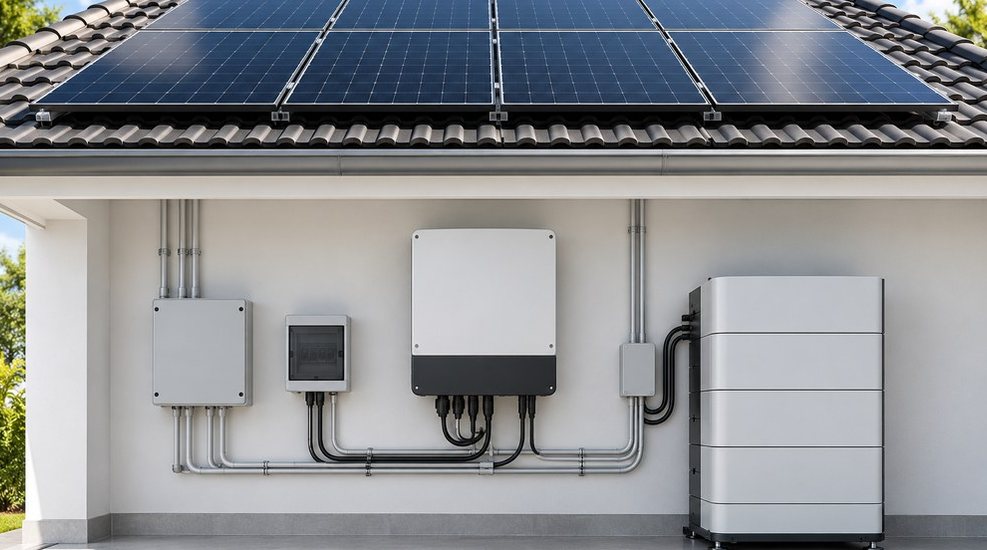
A 5 kW system with battery backup
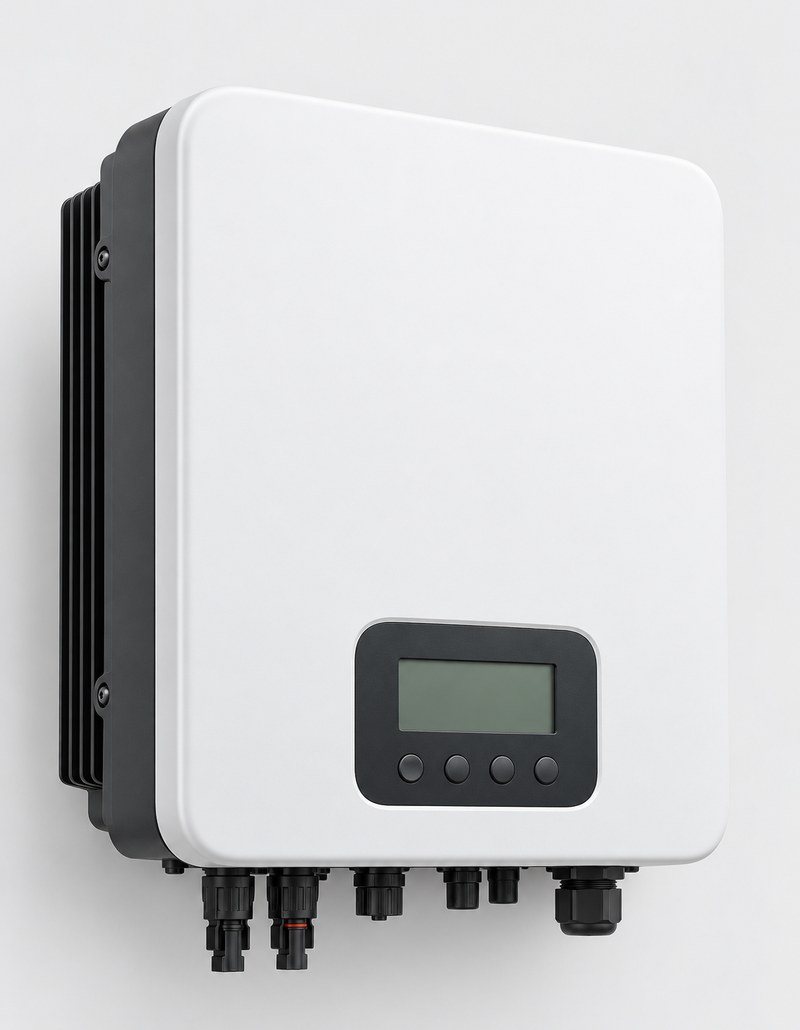
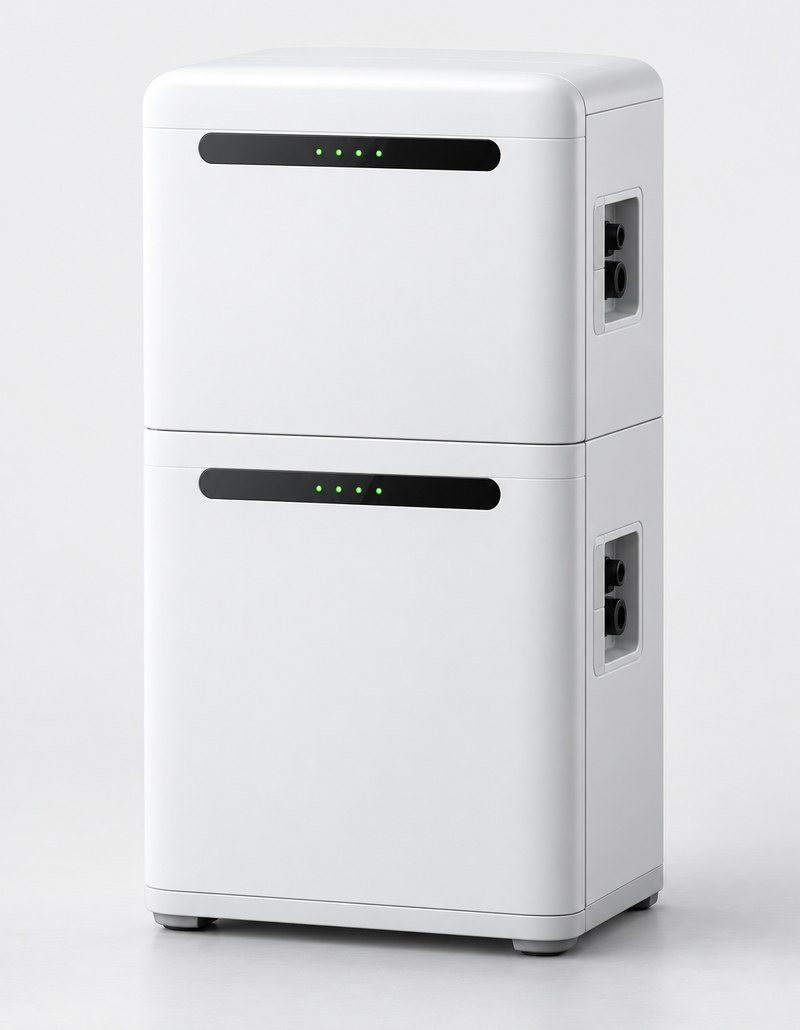
For most homes we start with a 5 kW hybrid inverter, 8 to 10 panels and a 5 to 10 kWh lithium battery. That covers daytime use and gets you through load shedding at night. If you have a pool, a big household or plan to buy an electric car, you may need more. If you mainly want backup, you may need less.
Solar panels only produce power while the sun is up. The more power you use during the day, the more you save. Run the pool pump, the dishwasher and the washing machine in the middle of the day. Put the geyser on a timer. Small changes like these can mean you need fewer panels and a smaller battery.
List what must stay on when the grid is down. Lights, Wi-Fi, the TV, the fridge and the alarm use very little. The stove, the geyser and the kettle use a lot. Most families are happy to keep the essentials running and leave the big loads off. That keeps the battery size, and the price, under control. We will go through this list with you at the site visit.
Sipho designs most of our home systems. He has sized more than 600 solar installs.
All posts by SiphoWhat a lithium battery does, how long it lasts and how big yours should be...
The questions to ask before you sign a solar quote...
A simple way to work out the right system size for your home...

Very helpful. We used about 750 kWh a month and ended up with a 5 kW system and a 10 kWh battery. Works well.

Good tip about running the pool pump at midday. Our bill dropped even more after that.

Glad it helped, Mark. Midday loads make a big difference.

Can you add batteries later if we start with panels only? Asking before we get a quote.


Leave a comment