
Decoration

How often you really need a trim

Two olive-green salon armchairs against a blue and green mosaic wall with a styling product display on a white side tabl

Most people need a trim every six to eight weeks to keep a style looking sharp and healthy. Fine hair shows split ends sooner, while thicker or curly hair can often stretch a little longer between visits.

The real test is not the calendar. Look at your ends, how your style holds its shape, and how your hair feels when you run your fingers through it.

ACCESSORIES

Wide banner of a wooden hairbrush and hair clip on a terracotta-orange backdrop

If you colour your hair, trims matter just as much as the colour itself. Damaged ends take tint unevenly and can make a fresh colour look patchy within weeks. A quick trim before your next colour appointment keeps the result looking smooth.

Row of unlabelled hair care bottles and small jars in a wooden holder on a wooden table beside a comb and hair scissors

Curly and coily hair can often go eight to twelve weeks between trims, since the curl pattern hides frizz and split ends better than straight hair does. A light trim keeps curls bouncy and stops the ends looking dry and frayed.

Curl Care - Caring For Curly Hair

Framed salon wall art of a hairstyle illustration hung on a sage green wall beside a plant, in a salon setting

Colour treated hair needs trims on a slightly tighter schedule, since damaged ends soak up colour unevenly and fade faster. Keeping your ends neat every six to eight weeks helps your colour look fresh for longer between salon visits.

Colour Care - Caring For Colour Treated Hair

Fine, straight hair shows split ends quickly, so a trim every six weeks keeps it looking thick and healthy rather than thin at the tips. Small regular trims do far less damage than waiting months and cutting away more length at once.

Simple Care - Simple Care Between Salon Visits

Hairdresser's trolley with scissors, combs and clips beside a salon mirror, a vintage styling case on the shelf

If you are growing out a cut or trying a new style, your stylist can plan trims around your goal instead of a fixed rule. The right shape depends on your face and how your hair falls, not just the calendar.

Face Shape - How To Pick A Cut That Suits Your Face

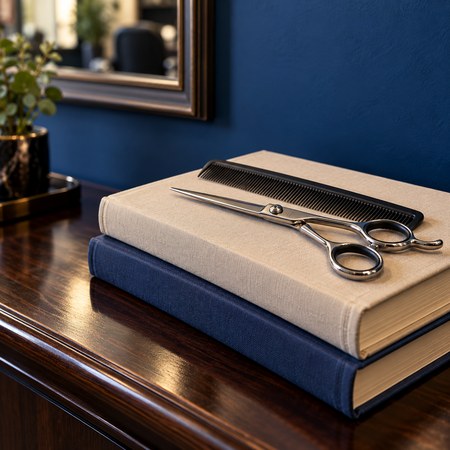
Salon trimming scissors and a fine-tooth comb resting on a stack of two hair magazines on a dark counter

LIGHTING

Row of four hair-care styling products of increasing size (small to large) on a pale grey wall-like backdrop

A good rule of thumb is to book your next trim before you leave the salon. That way you are working with your stylist's schedule instead of trying to find a last minute slot eight weeks from now.

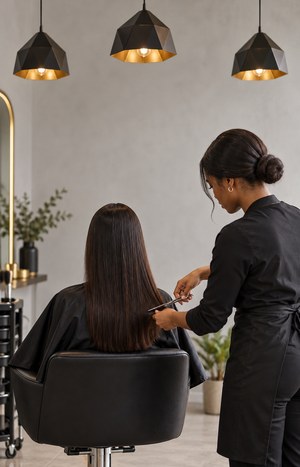
Hanging salon pendant lights over a stylist's station, with a client having a hair trim, soft grey background, portrait
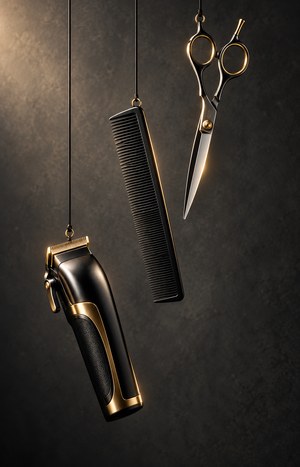
Three salon hair-trimming tools (scissors, comb, clipper) hanging as an elegant suspended arrangement against a dark gre
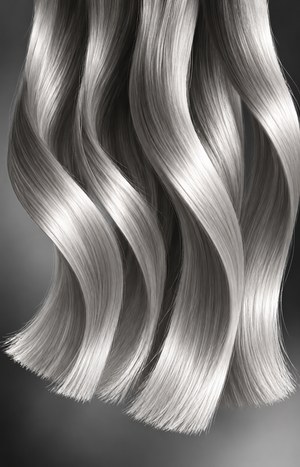
Close-up of long glossy hair strands with sleek flowing waves showing healthy trimmed ends, in dramatic black-and-white
Salon styling station with wooden counter, a plain round mirror, a small succulent in a red pot and a hairdressing comb

Hair type

Straight, fine hair shows split ends faster and often needs a trim every six weeks. Thicker or curly hair holds its shape longer, so eight to ten weeks is usually fine. The best way to tell is to look closely at your ends in good light.

Warning signs

Split ends, hair that tangles more than usual, and a style that looks limp by the end of the day are all signs you are overdue. If your ends feel rough or catch on clothing, it is time to book a trim rather than wait another month.

Growing out

Growing your hair out does not mean skipping trims altogether. A small trim every ten to twelve weeks removes damaged ends without taking length, so your hair grows out looking healthy instead of thin and frayed at the bottom.

Between visits

Between appointments, use a leave in treatment on your ends and keep high heat off dry hair. Ask your stylist for a home routine that matches your hair type, so the gap between trims stays comfortable instead of a scramble.

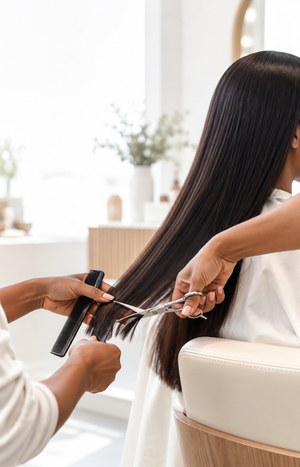
Stylist's hands trimming a woman's hair with shears, light airy salon background
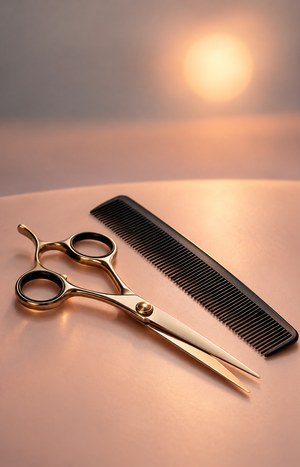
Hairdresser's scissors and a fine-tooth comb resting on a soft peach surface, with a hanging salon pendant glow softly b
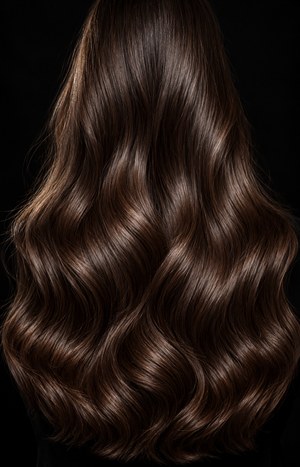
Long glossy wavy hair strands flowing vertically against a dark background, showing healthy trimmed ends
Salon styling station with a hairbrush and blow dryer on a lime-yellow shelf against a dark slate wall

Your stylist will usually tell you at the end of each visit roughly when to come back. That advice is based on your hair, your style, and how it grows, so it is worth more than any general rule.

FURNITURE

Bright modern hair salon interior with styling chair, mirror and shelves of hair products

Keeping a simple routine between trims makes a real difference. Wash with a gentle shampoo, use a light conditioner on your ends, and avoid brushing wet hair too hard. These small habits help your ends stay healthy until your next appointment.

Booking your trims around the same time each visit helps your stylist track how your hair is growing and adjust the cut as needed. It also means you are never caught out with split ends before an event or a busy week at work.

Spacious open-plan hair salon waiting lounge with olive-green velvet seating, large windows and styling stations in the

Long hair that is simply being maintained can often stretch to ten weeks between trims, as long as the ends stay healthy. The moment you notice tangling or roughness at the tips, it is a sign to book sooner rather than later.

Single salon styling chair in a bright minimalist room with a stack of hair magazines and a small shelf of hair products

Short styles with sharp lines, like a bob or a crop, grow out of shape faster than longer cuts. These styles usually need a trim every four to six weeks to keep the shape looking neat and intentional.

There is no single number that suits everyone. Your hair type, how you style it, and whether it is coloured all play a part. The best approach is to check in with your stylist and trust what they see up close.

Dry winter air can make ends feel rougher and more prone to splitting, so some people trim slightly more often in the colder months. Come summer, many of our clients find they can stretch a little longer between visits.

Bright modern hair salon interior with two styling chairs and mirrors, wide shot, for a trim-frequency blog post

Leave a Reply

Your email address will not be published. Required fields are marked *