Decoration

Riding safely in traffic
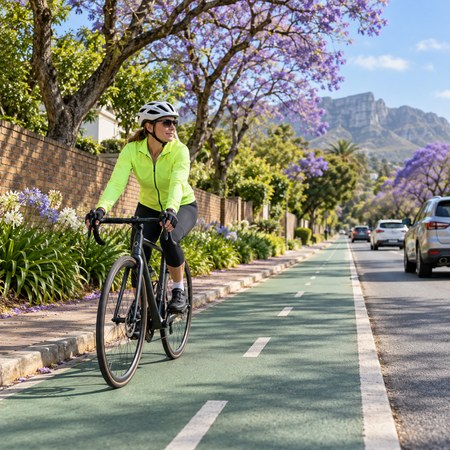
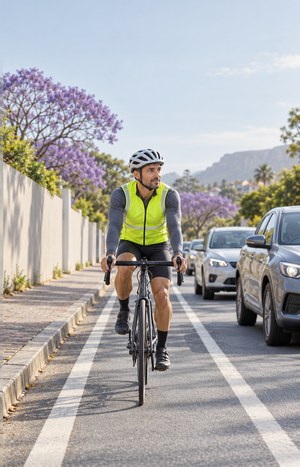
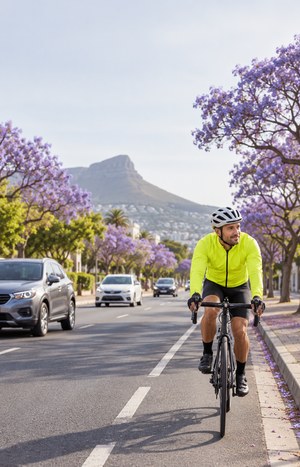
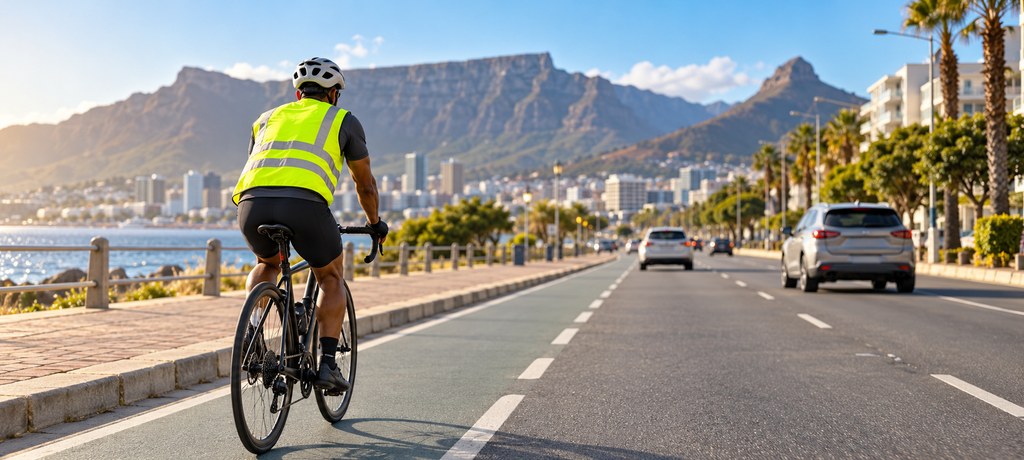
Cyclist in high-visibility kit and helmet riding a road bike along a South African suburban street beside traffic

Traffic can be unpredictable, but most close calls follow the same few patterns. Ride where drivers expect to see you, keep your eyes up the road and give yourself room to react. A little planning before you leave home makes every ride calmer.

This is not about riding scared. It is about riding smart, so you get home the same way you left.

ACCESSORIES

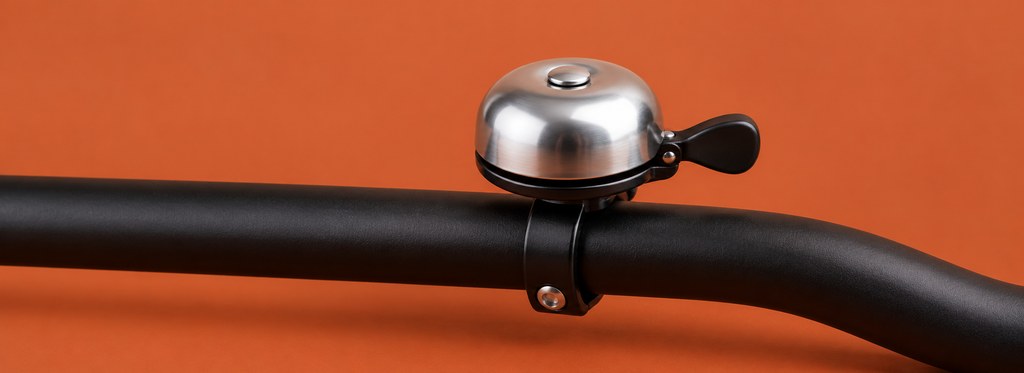
Single bicycle bell on a handlebar section against a terracotta orange background

Ride about a metre out from parked cars, not hugging the kerb. This gives you room to swerve if a door opens and makes you easier to see in a driver's mirror. At junctions, take the lane rather than squeezing down the inside of trucks or buses, where you disappear from view.

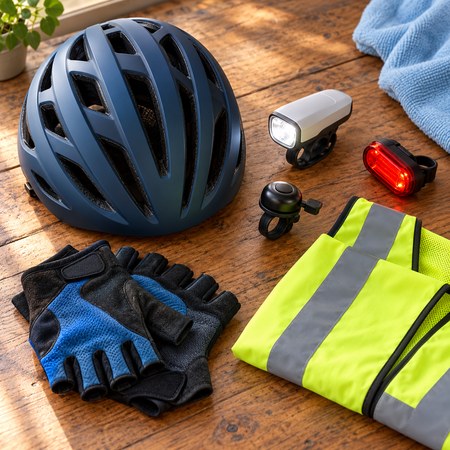
Bicycle safety gear arranged on a wooden table: helmet, front light, rear light, bell and reflective vest

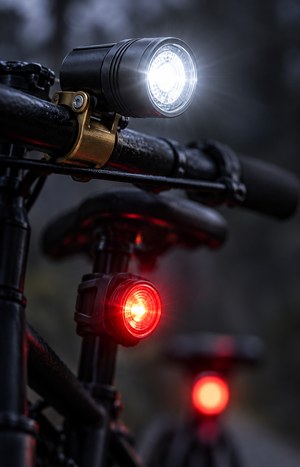
Front and rear lights earn their keep long before the sun goes down. Switch them on in overcast weather, under trees or in busy traffic, not just at night. A bright jacket or reflective strip on your bag adds another layer that costs you nothing in comfort.

Lights And Reflectors - Shop Our Range

Cyclist riding a road bike in a marked bike lane beside city traffic in a South African town, shot from the side in dayl

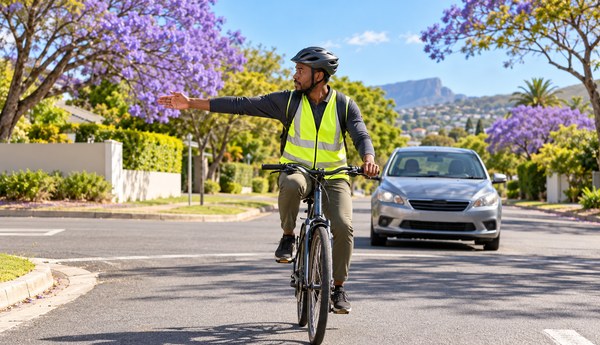
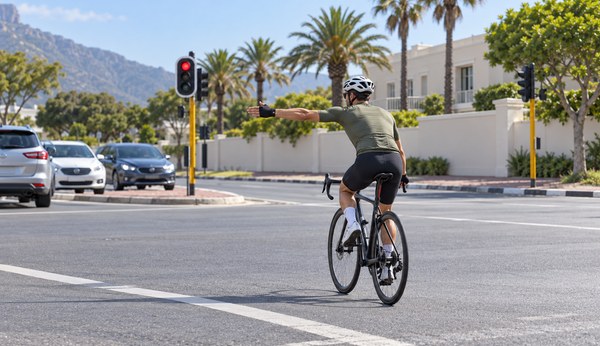
Signal early and clearly, and try to catch the driver's eye before you pull out or change lanes. A nod or a raised hand goes a long way at a four way stop. Never assume a driver has seen you, even when you are sure they have.

Hand Signals - Watch The Video

Most crashes happen at junctions, not on open road. Slow down as you approach, scan left and right, and watch for cars pulling out of driveways or turning without indicating. Give yourself an exit route in case someone does not stop in time.

Reading Junctions - More Tips

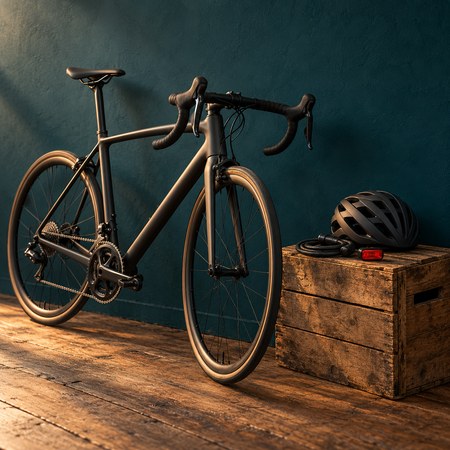
Road bike leaning on a vintage-style wall beside a helmet and bike lock on a worn wooden crate

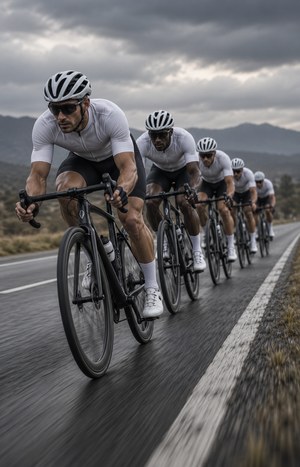
Riding with friends is safer, but only if you keep it tidy. Ride single file through traffic, call out hazards like potholes or opening doors, and never try to hold a conversation two abreast on a busy road. Let faster traffic pass when it is safe to.

Group Rides - Join Our Club Rides

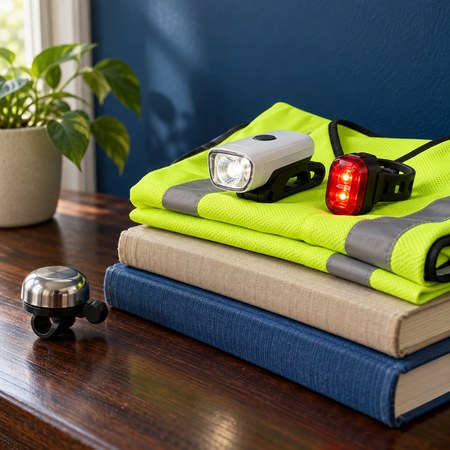
Bicycle safety gear still life: a front white LED light, a rear red light and a folded hi-vis vest resting on a stack of

LIGHTING

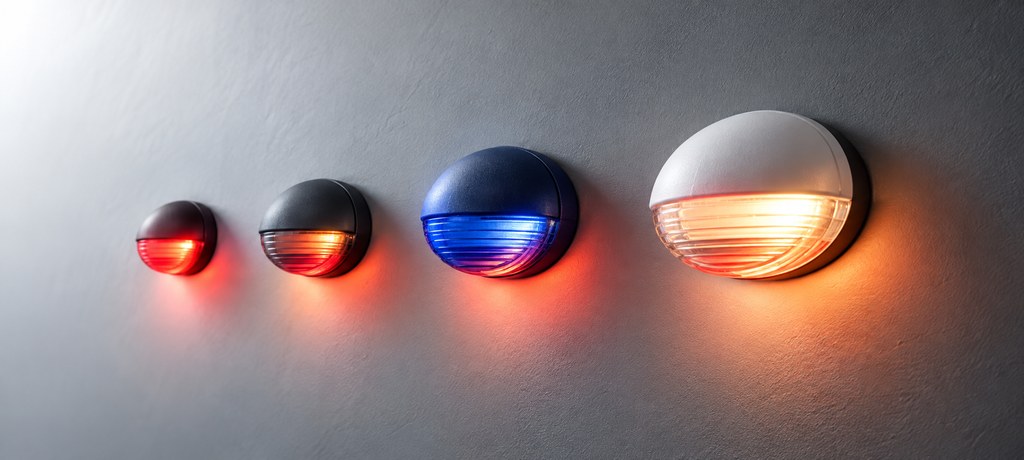
Row of four bicycle rear safety lights in different colours mounted on a soft grey wall, glowing

Wet roads need more stopping distance and gentler braking, especially on painted lines and manhole covers. Drop your tyre pressure slightly for extra grip, slow down before corners rather than during them, and expect drivers to see you later than usual in the rain.

Cyclist riding in a marked bike lane beside city traffic in South Africa, seen from the side in daylight
Close-up of a bicycle rear light glowing red and a front light glowing white mounted on handlebars at dusk
Group of cyclists in helmets riding in single file along a road shoulder, shot from low angle with motion
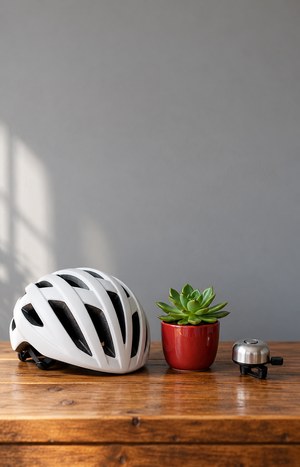
Cycling helmet and bicycle bell on a wooden table with a small plant, in a calm interior

Own Your Lane

Riding too close to the edge invites drivers to squeeze past where there is no room. Moving further into the lane, especially before a narrow point or a parked car, forces traffic to properly cross into the other lane to overtake. It feels bold at first, but it is one of the simplest ways to win the space you need.

Check Behind

A glance over your shoulder before you turn or change position tells you what is coming and warns the driver behind that you are about to move. Practise looking back without drifting off your line, in a quiet car park if you need to. It becomes second nature after a few tries, and it is one habit worth building properly.

Watch For Doors

A car door swinging open with no warning is one of the most common causes of falls in town. Treat every parked car as if someone is about to step out or open a door into your path, and leave enough space to react. Rather lose a few seconds than risk going over the bars.

Ride Predictably

Sudden swerves and last minute lane changes catch drivers off guard. Hold a steady line, signal before you move and avoid weaving between parked cars and traffic. Predictable riding earns you more respect on the road than fast riding ever will, and it keeps everyone around you calmer too.

Cyclist on a road bike riding in a marked bike lane beside city traffic in South Africa
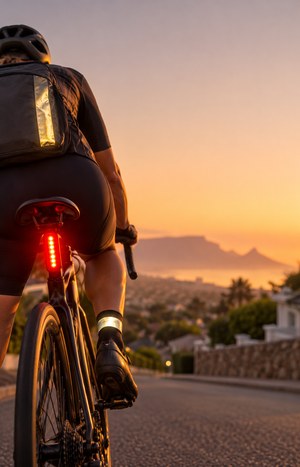
Close-up of a bicycle rear light and reflective gear for visibility on the road at dusk
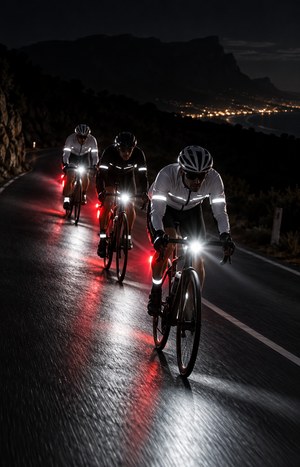
Group of cyclists riding single file in a line at night with bright lights on a road
Cycling helmet and hand-signal gloves resting on a table beside a road bike, ready for a commute

Dusk is the trickiest time to be seen, worse than full dark in some ways. Turn your lights on before you think you need them, choose a jacket with reflective patches over the knees and shoulders, where movement catches a driver's eye, and slow down on unfamiliar roads once the light starts to fade.

FURNITURE

Cyclist in high-visibility vest and helmet riding in a marked bike lane on a South African city street with traffic alon

Brake with both levers together, front slightly harder than rear, and do it in a straight line before a corner rather than through it. Grabbing a handful of front brake on a wet or gravelly bend is how most low speed falls happen. Practise emergency stops somewhere quiet so your hands know what to do.

Roundabouts confuse even experienced riders. Hold your line, signal your exit early and make eye contact with drivers waiting to pull in. Where there is no cycle lane around the roundabout, take the lane fully rather than hugging the kerb, since that is exactly where a car turning left will cut across you.

Cyclist signalling a left turn with an outstretched arm at a South African suburban intersection

A painted cycle lane is not a shield. Cars still turn across them, park in them and pull out of driveways without checking. Ride a cycle lane with the same awareness you would use on open road, and be ready to move into traffic if the lane disappears or is blocked.

Most drivers are not trying to hurt you, they simply have not seen you. Assume every driver at a junction is checking a phone or distracted, and ride accordingly. Slow down through gaps in traffic, cover your brakes near side roads and never rely on an indicator to tell you what they will do.

Riding with children needs a different plan. Keep them on the inside, away from traffic, and ride behind rather than in front so you can see what is happening to them. Choose quieter routes even if they take longer, and walk the bikes across busy junctions rather than riding through together.

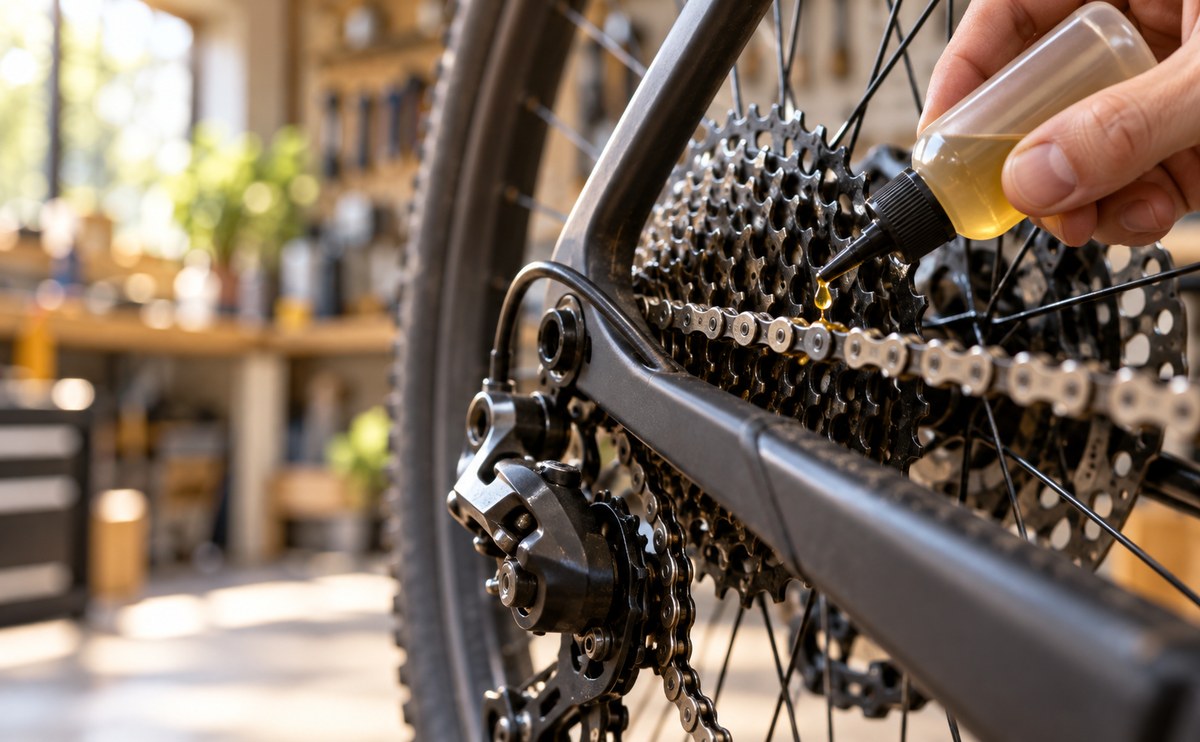
Keep your bike in good order if you want traffic to behave around you too. Working lights, clean reflectors and brakes that bite immediately all change how confidently you can hold your position on the road. A bike that hesitates to stop forces you into hesitant decisions, and drivers misjudge those riders.

Cyclist signalling a turn with an outstretched arm at a South African town intersection

Leave a Reply

Your email address will not be published. Required fields are marked *