
Inspiration

How to use a pour over

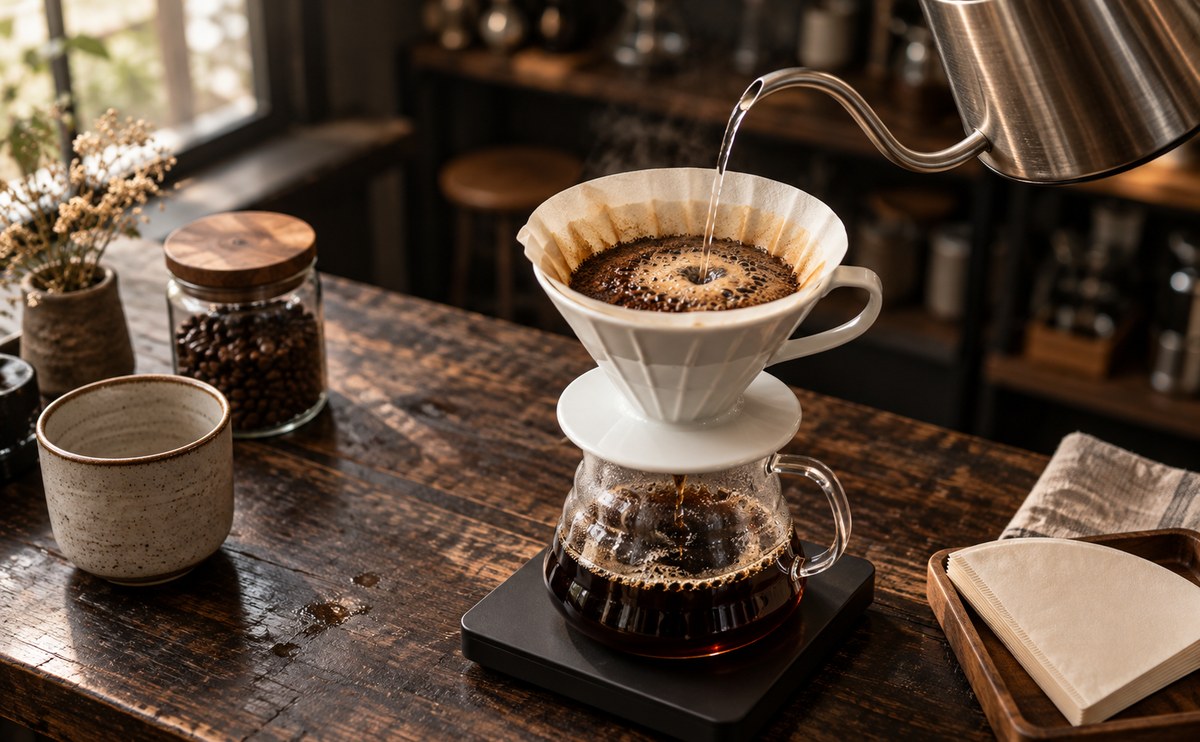
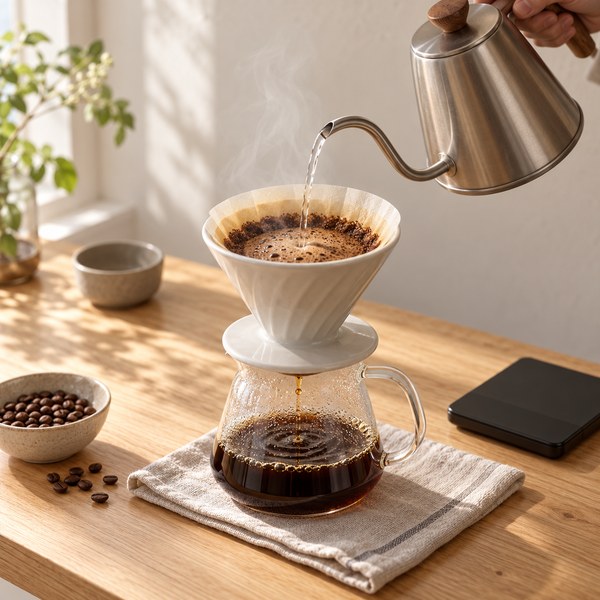
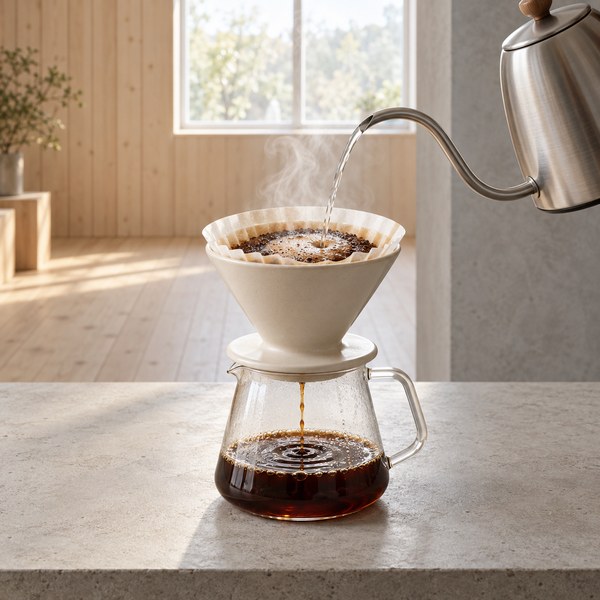
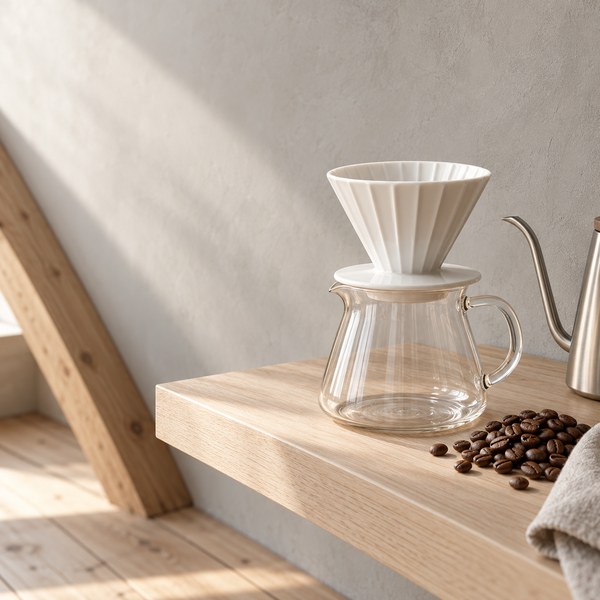
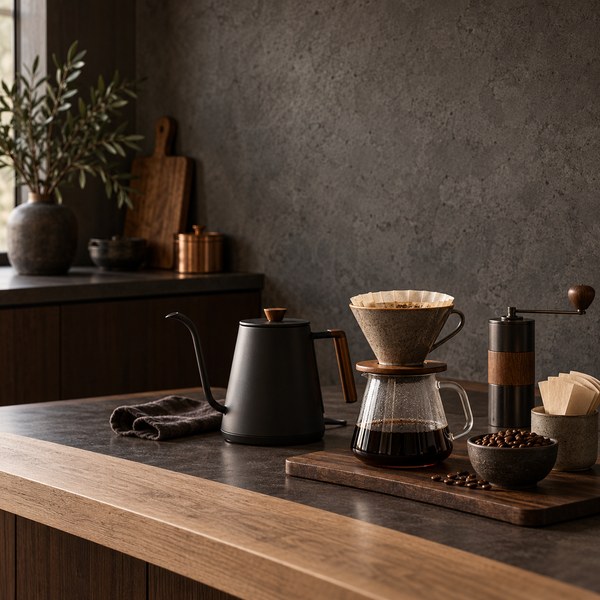
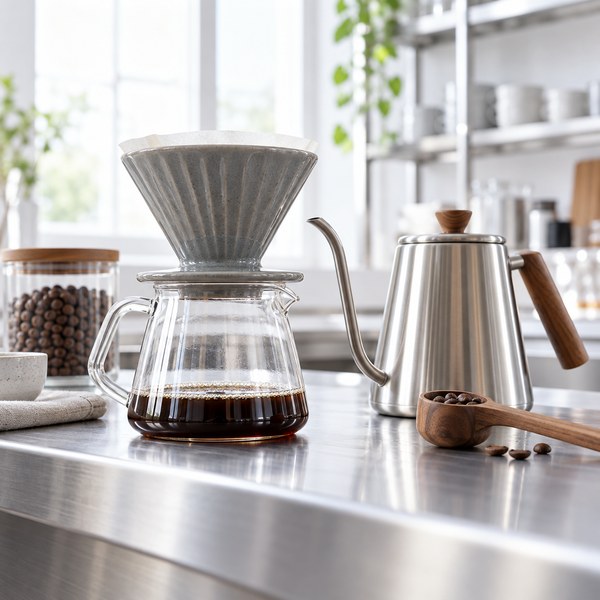
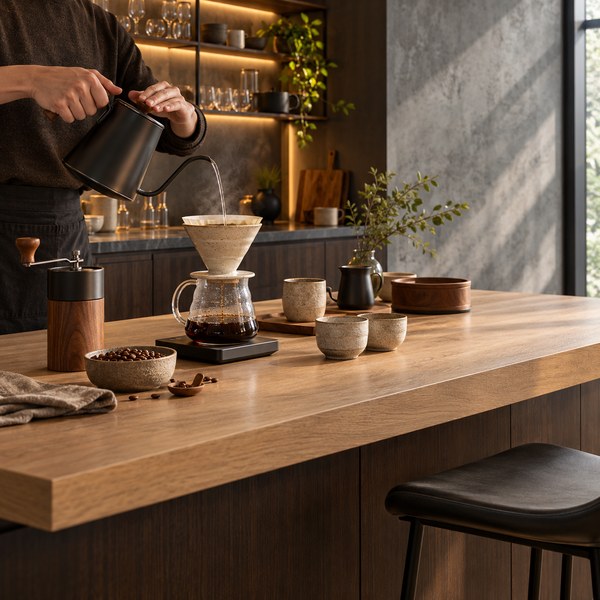
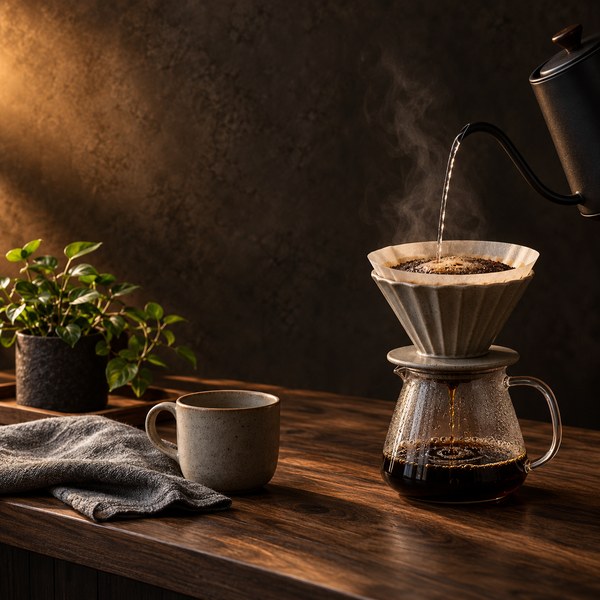
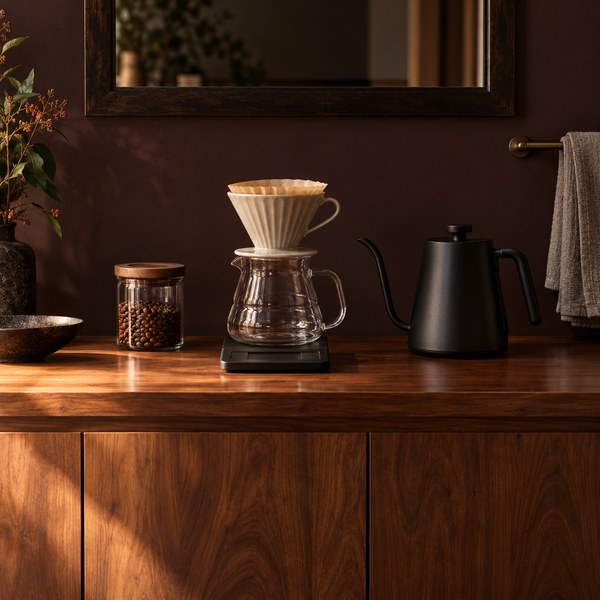
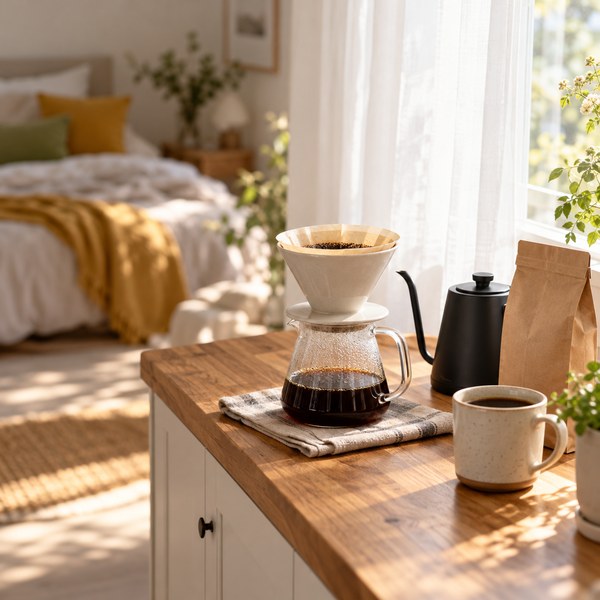
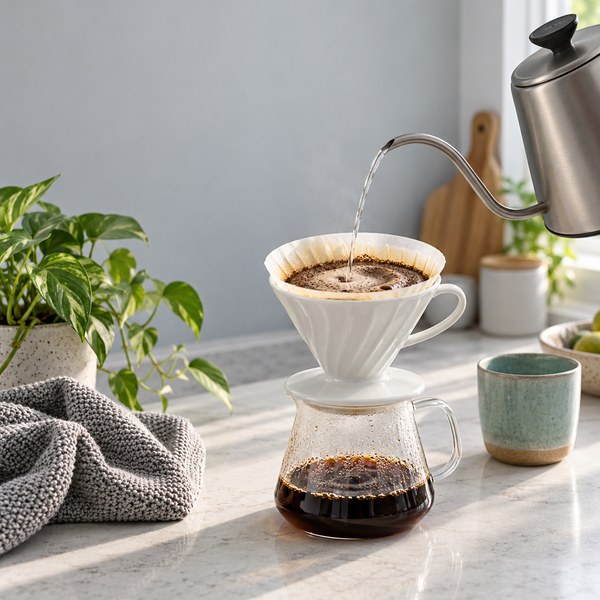
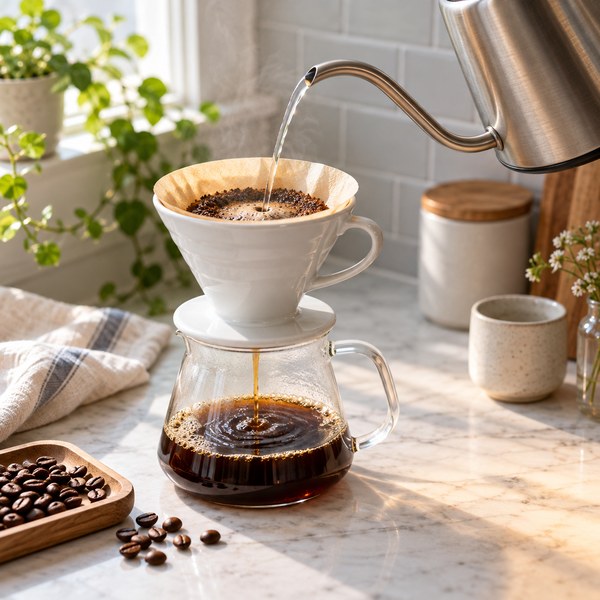
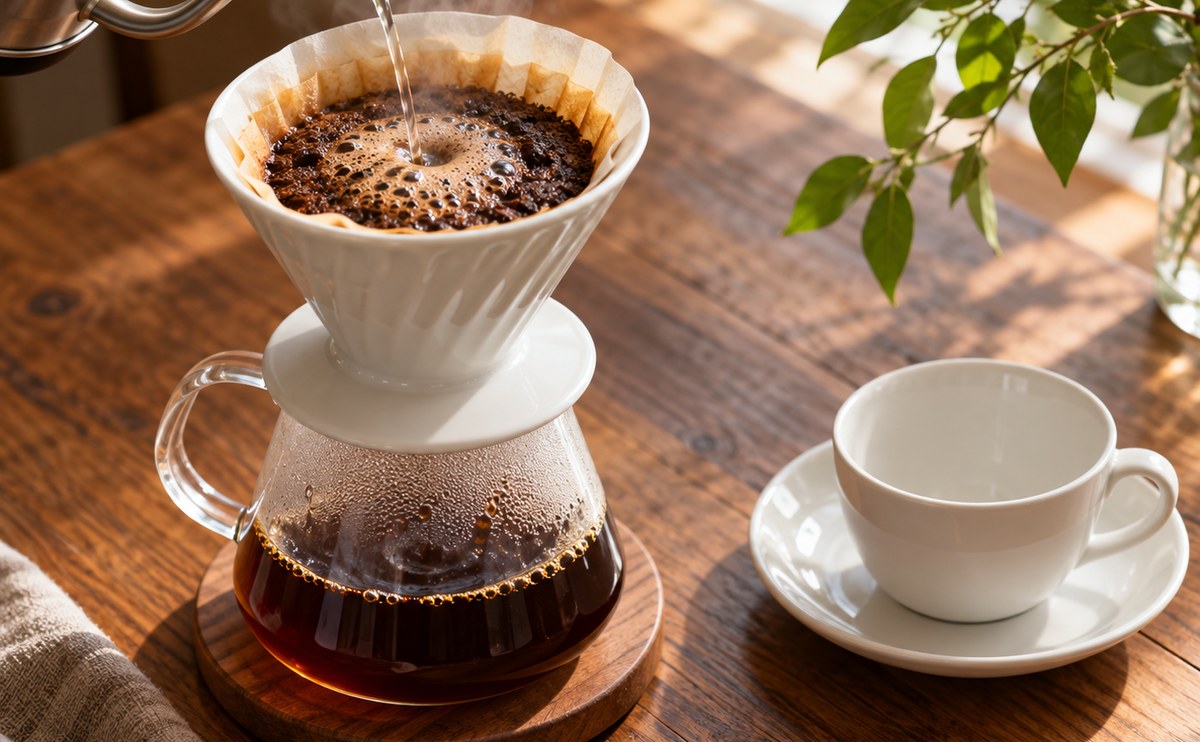
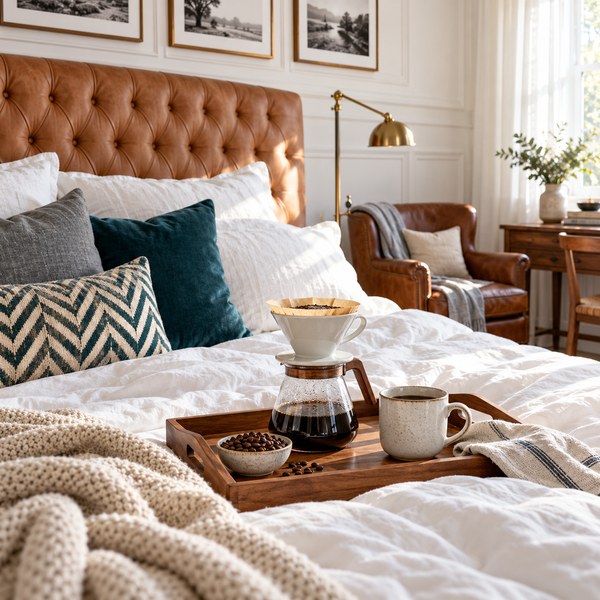
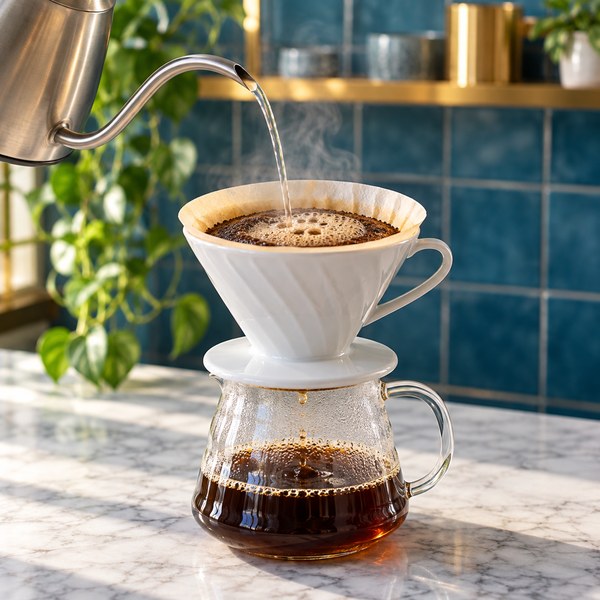
Pour over coffee being brewed: hot water poured from a gooseneck kettle onto a ceramic dripper over a glass server

A pour over gives you more control than a drip machine. You decide the grind, the water temperature and how fast you pour, so small changes make a real difference in the cup.

Our Pour Over Gooseneck Kettle helps with that last part. The narrow spout lets you pour slowly in one steady stream, instead of a splash that soaks the grounds unevenly.

5. Eva Solo: Danish Furnishing Accessories

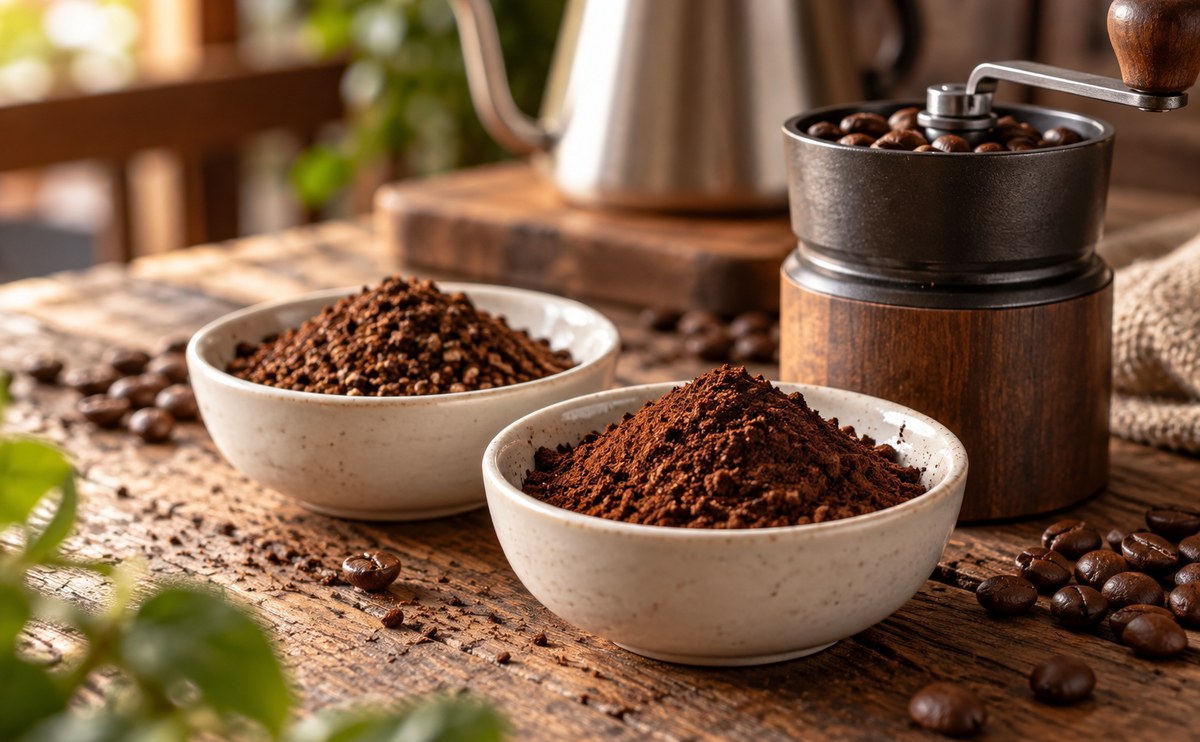
Start with a grind a little finer than table salt, somewhere between an espresso grind and what you'd use for a plunger.

A simple rule to start with: use about 60 grams of coffee for every litre of water.

Weigh your coffee if you can. It takes the guesswork out and makes it easy to repeat a cup you liked.

Step One: heat your water to just off the boil, around 94 degrees. Pour a small amount over the grounds first and let it sit for thirty seconds before you carry on. This is the bloom, and it wakes the coffee up.

4. Magisso Finnish Design Movement

Once the bloom has settled, pour the rest of your water in slow circles, working out from the centre and back again.

Keep the water level steady rather than letting it drop and rise. A full pour should take around three minutes from start to finish.

If your coffee finishes too fast and tastes thin, grind a little finer next time. If it drips too slowly, go a touch coarser.

Step Two: rinse your paper filter with hot water before you add the coffee. This washes away the papery taste and warms the dripper, so your coffee doesn't lose heat the moment it touches it.

3. Rƶshults Svenska Hantverk

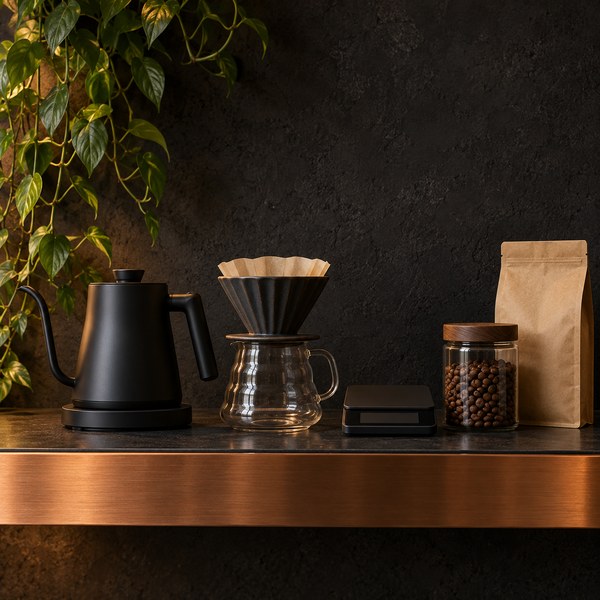
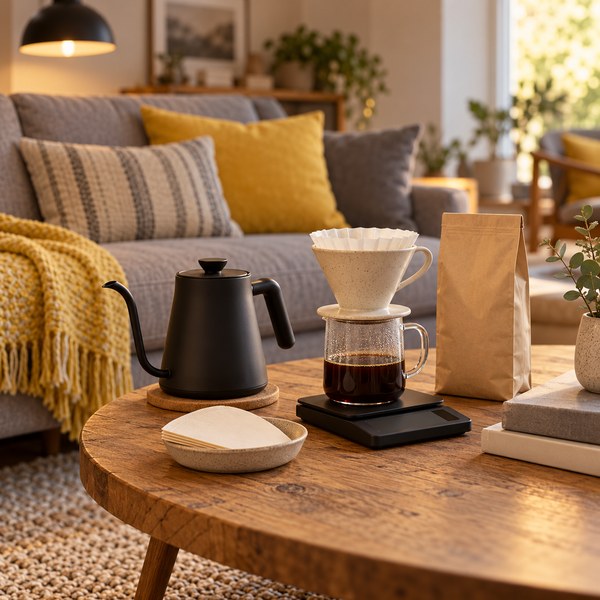
Set your dripper over a cup or jug on the scale so you can watch the weight climb as you pour.

Our mark goes on every bag we send out, so you know it was roasted here in Cape Town and not sitting in a warehouse for months.

When the water has drained through, lift the dripper off and give the cup a gentle swirl before you drink it.
Step Three: pour in stages rather than all at once. Three or four smaller pours give the water time to pass through the grounds evenly, instead of rushing straight down the sides of the filter.

2. Alessi: the Italian Factory of Design

Water temperature matters more than people expect. Too hot and the coffee turns bitter. Too cool and it tastes flat and underdeveloped. A simple kettle thermometer sorts this out in seconds.

Don't walk away while it drains. Watching the pour teaches you more about your coffee than any recipe can on its own.

Once you've got the basics down, start changing one thing at a time and taste the difference each time.

Step Four: clean your dripper and kettle after every use. Leftover coffee oils turn rancid quickly and will spoil the taste of your next cup, no matter how good the beans are.

1. Leolux Design Furniture

A pour over won't make bad beans taste good, but it will show you exactly what good beans can do. That's why we suggest starting with one of our single origins.

Good coffee rewards attention. A slow pour on a quiet morning is time well spent.

Once you've got your method down, the rest is just repeating it and enjoying the result.

Leave a Reply

Your email address will not be published. Required fields are marked *