
Blog
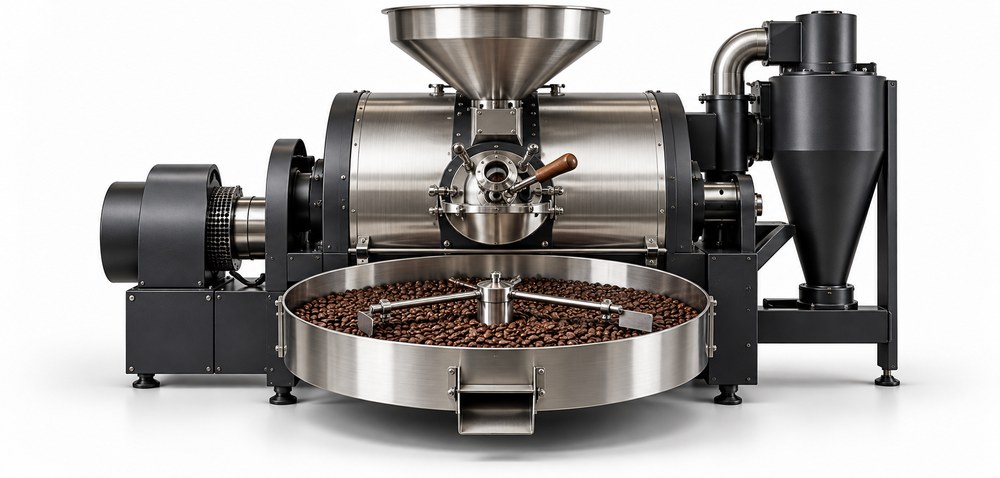
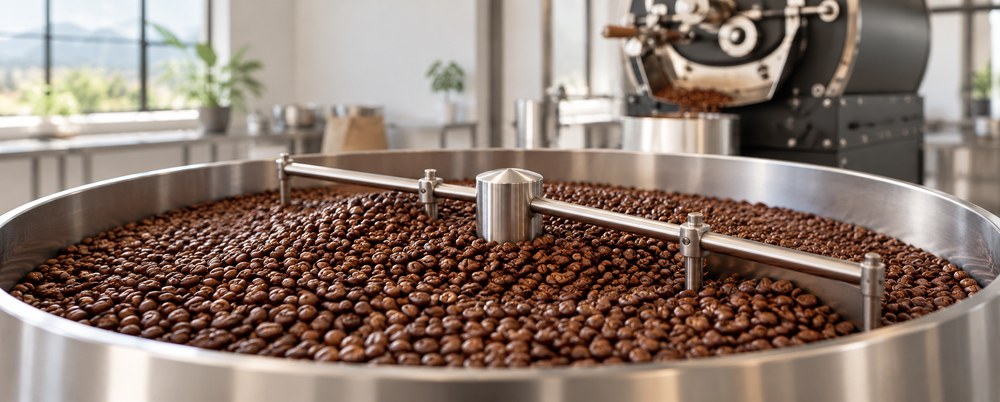
How we roast in small batches


Related Posts
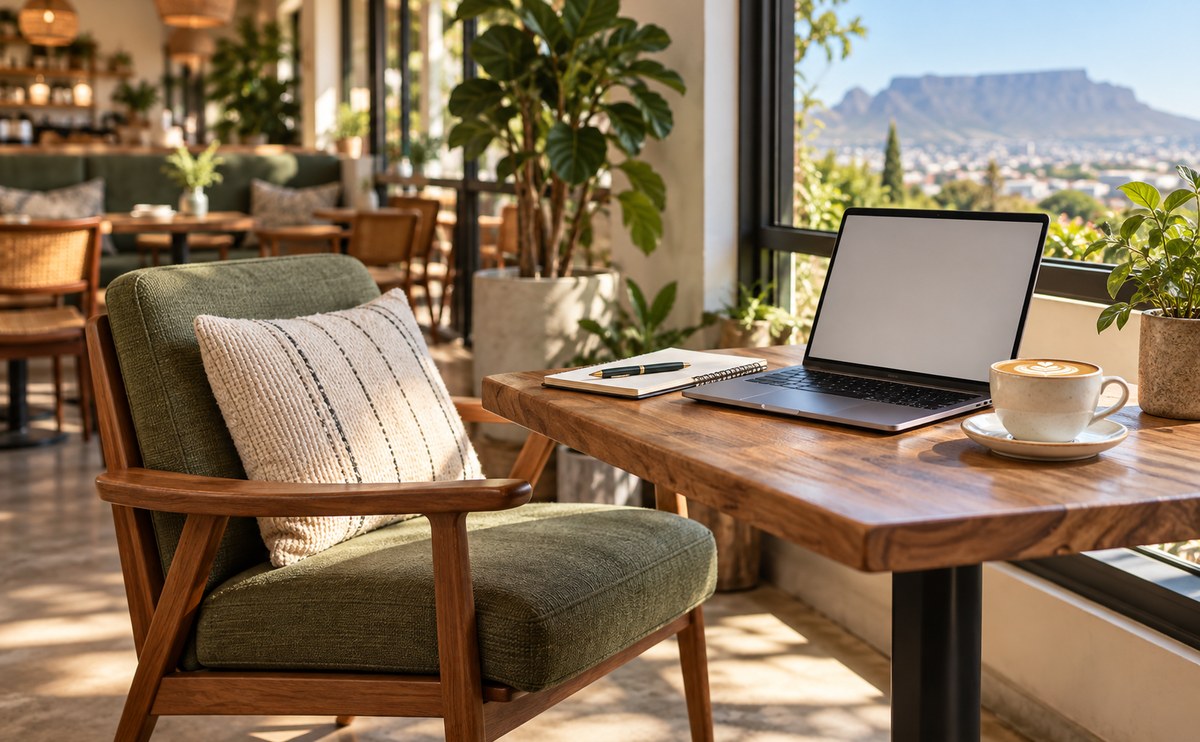
Sweet seat: a coffee corner for IT folks

If you spend your day at a desk, a decent coffee corner makes the shift easier. A kettle, ...
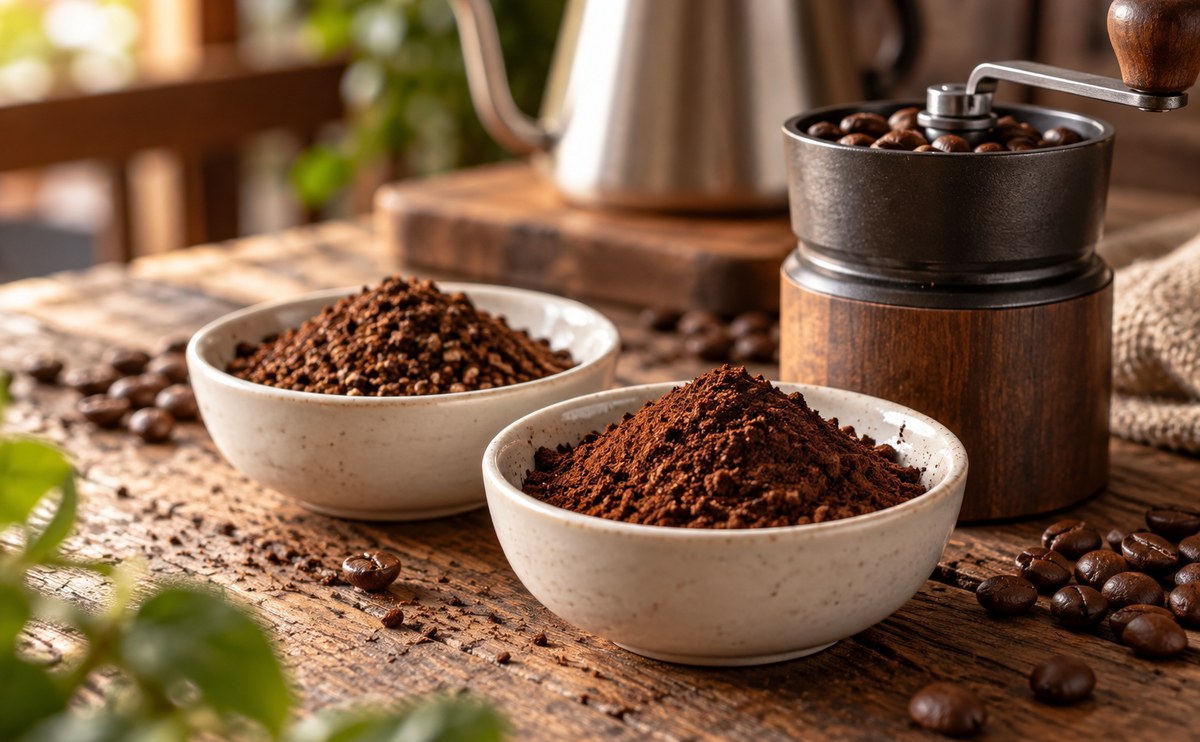
Grind size and why it matters
Grind size changes how fast water moves through your coffee, which changes how it tastes. ...
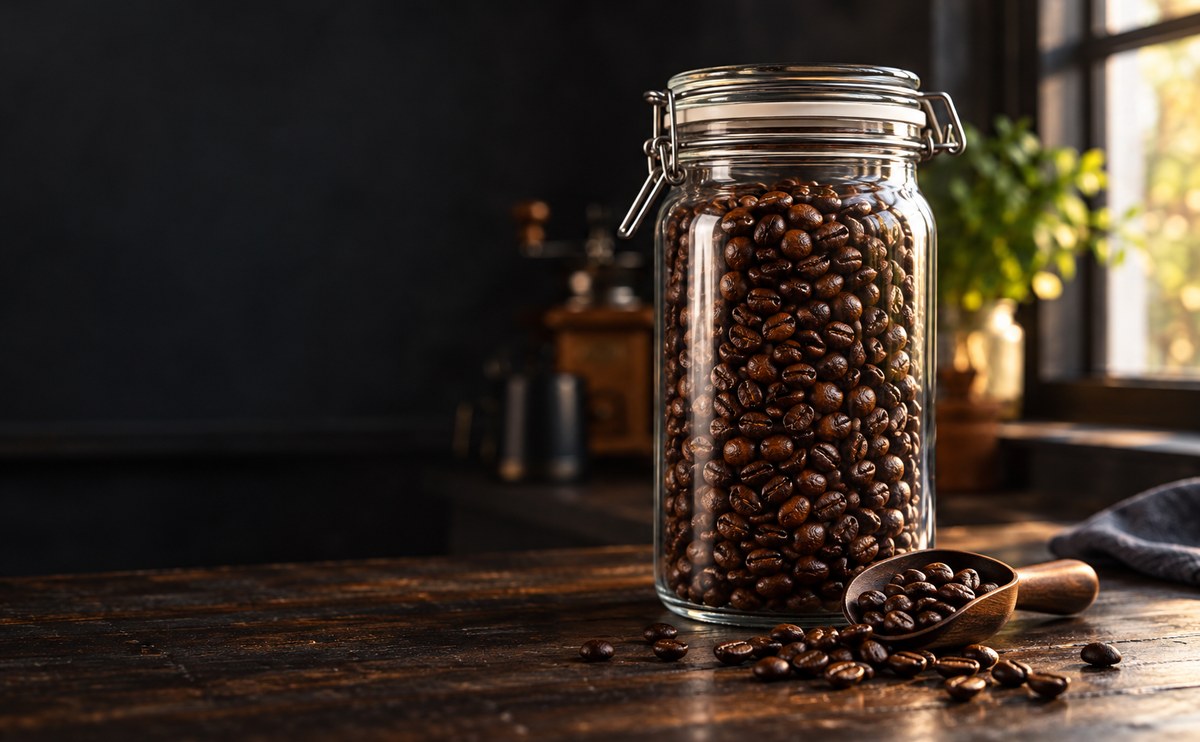
Storing beans so they stay fresh
When it's about controlling hundreds of articles, product pages for web shops, or user profiles in social networks, all
Making better coffee at home
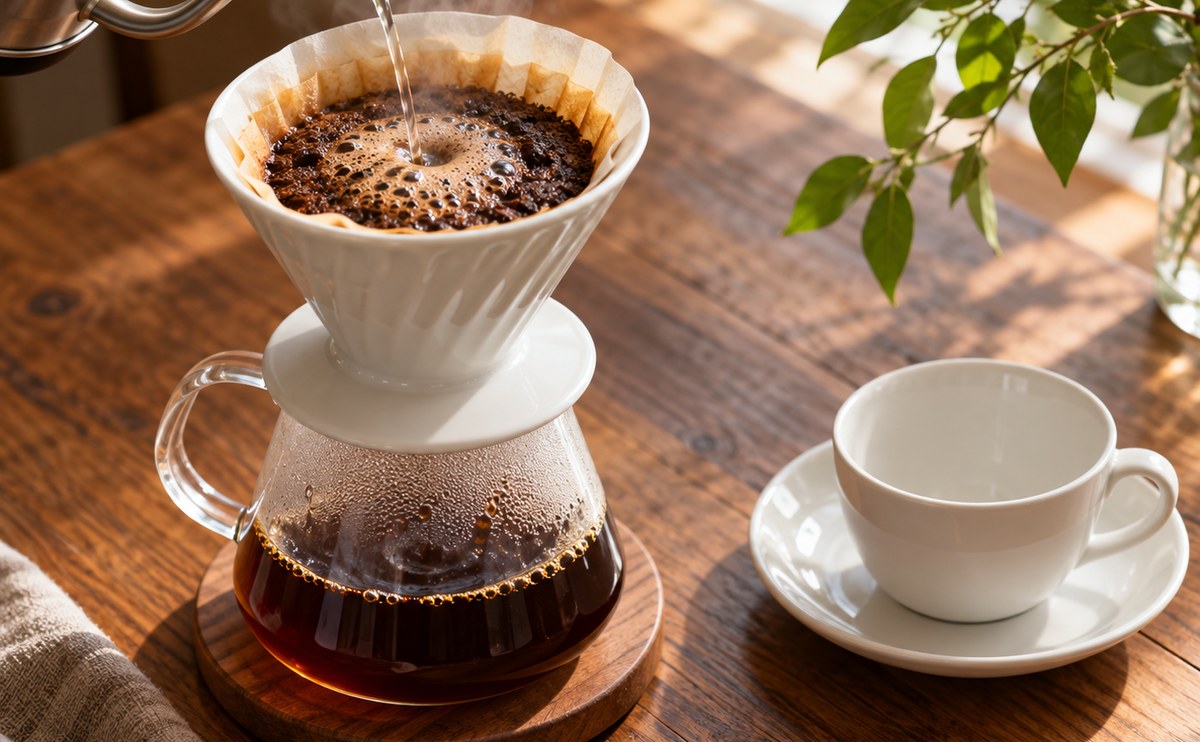
Good coffee at home comes down to a handful of habits, not expensive gear. Start with bean...
Single origin or blend
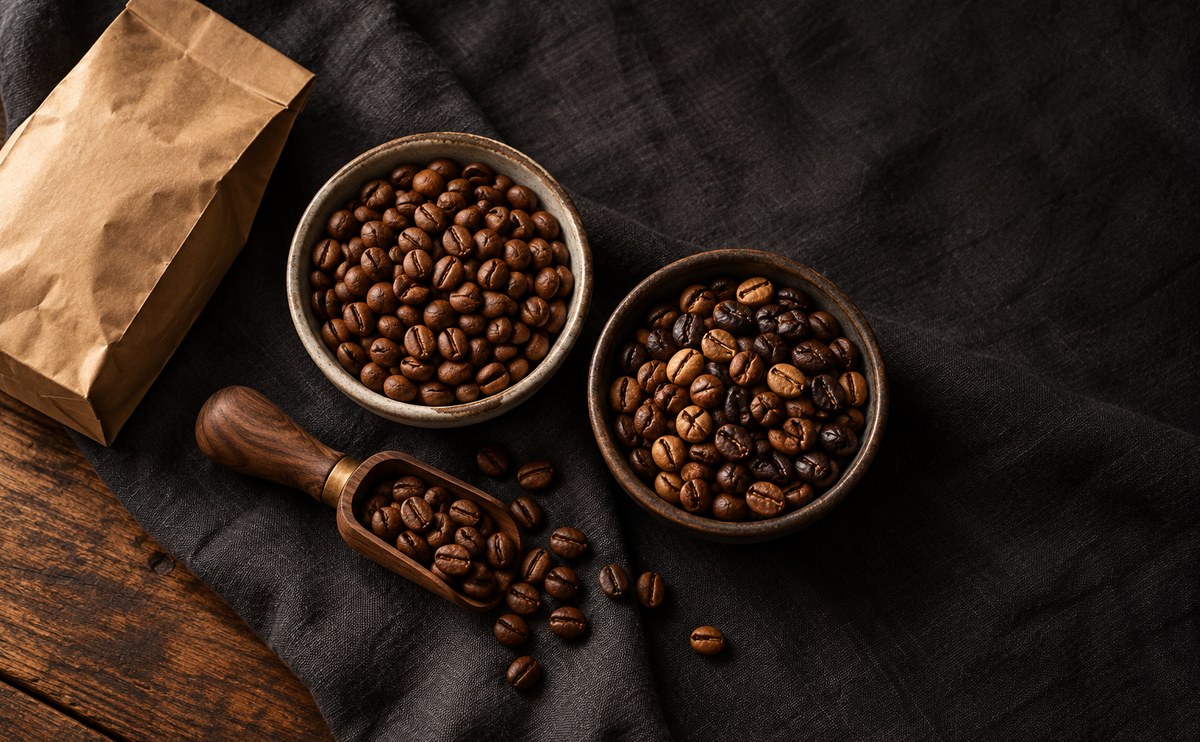
People often ask if single origin coffee is better than a blend. They're just different th...
How to use a pour over
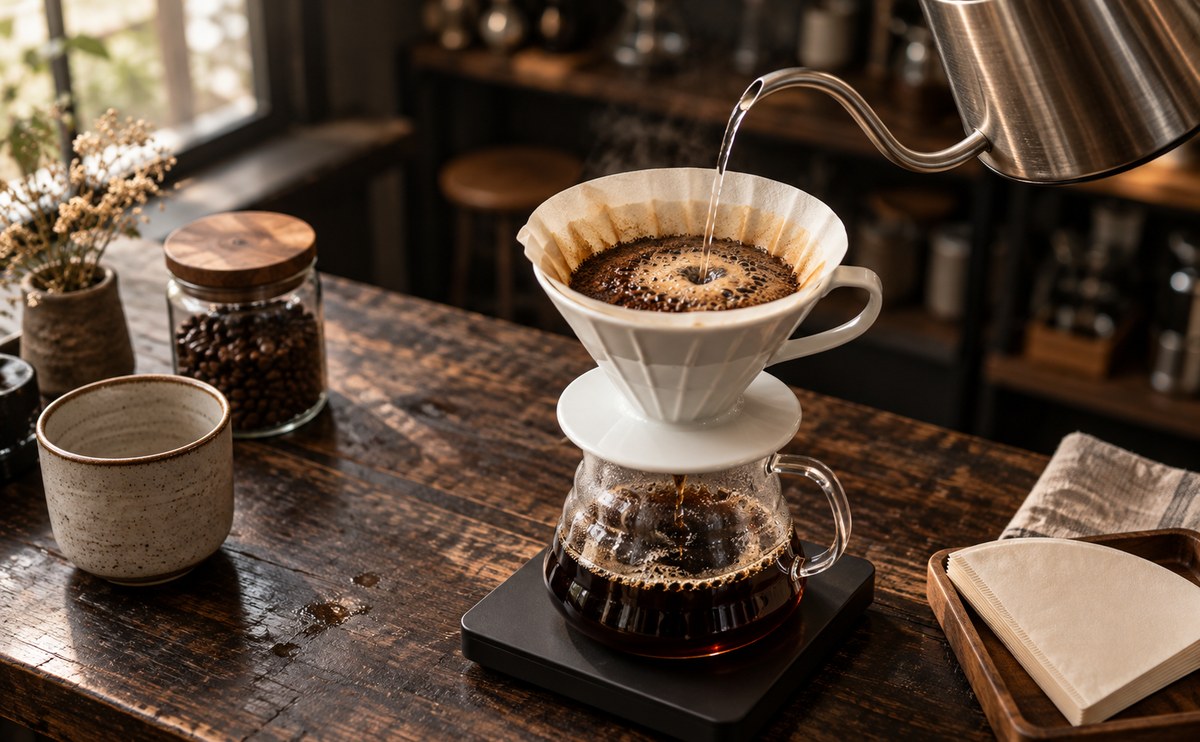
A pour over gives you more control than a drip machine. You decide the grind, the water te...
What the roast date on the bag means
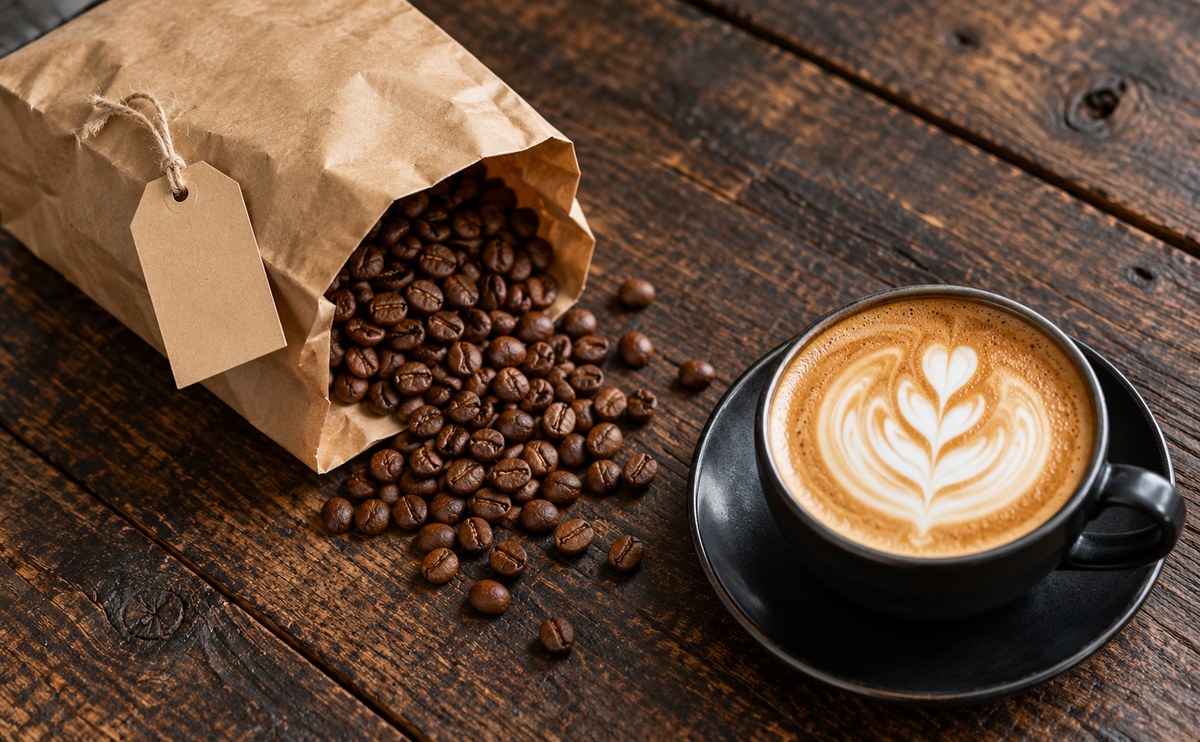
Every bag of Rooibean coffee has a roast date printed on it. That is the day we roasted th...