Blog
Setting up a home office in a small South African flat
A good desk setup starts with the basics. Pick a desk that fits the room, then add a chair that supports your back for a full working day. Keep cables tidy, put a lamp where it lights the page and not the screen, and leave one drawer for the things you reach for most. Small choices like these make a home office easier to work in every day, whatever the size of the space.
Desk Basics
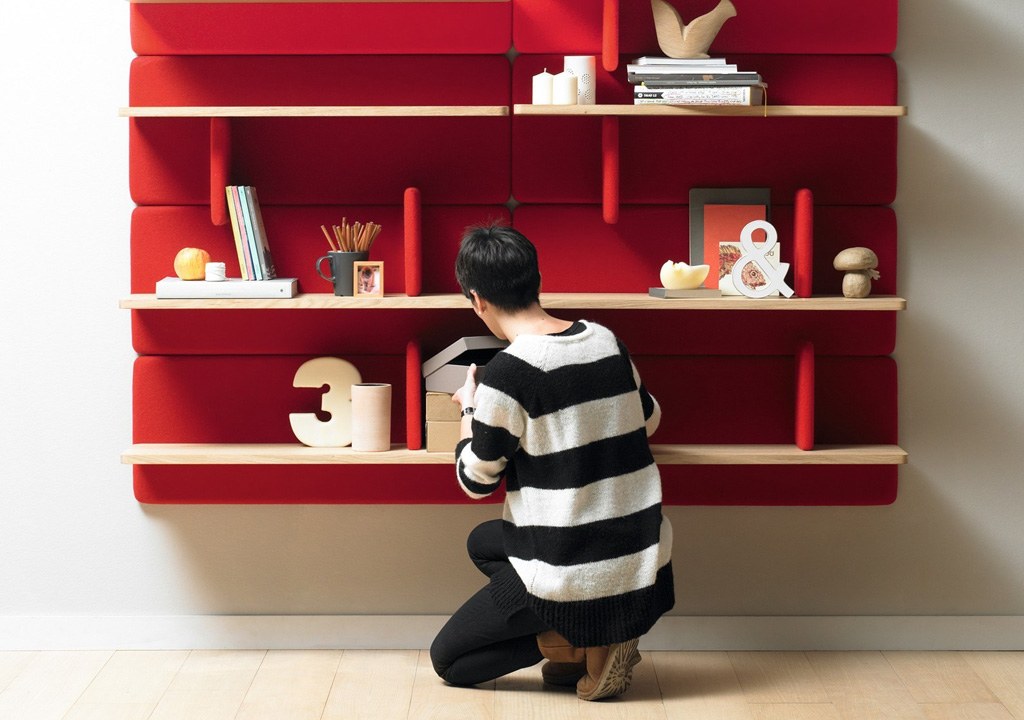
Storage keeps a workspace calm. A pedestal under the desk holds files and stationery, while an open shelf takes the books and binders you use weekly. Decide what must be within reach and what can sit further away, then place each item to match how often you use it.
Label drawers clearly and clear them out every few months. A tidy desk saves minutes every day and makes the room feel larger, which matters most in a small office or a spare bedroom.
Seating is the part of a desk setup most people get wrong. A chair should let your feet rest flat, your knees sit level with your hips and your lower back stay supported. Adjustable height and arm rests help when more than one person uses the same desk.
Try a chair for a few minutes before you buy. If you work eight hours a day, comfort is worth more than looks, and a good chair will last for many years in a busy office.
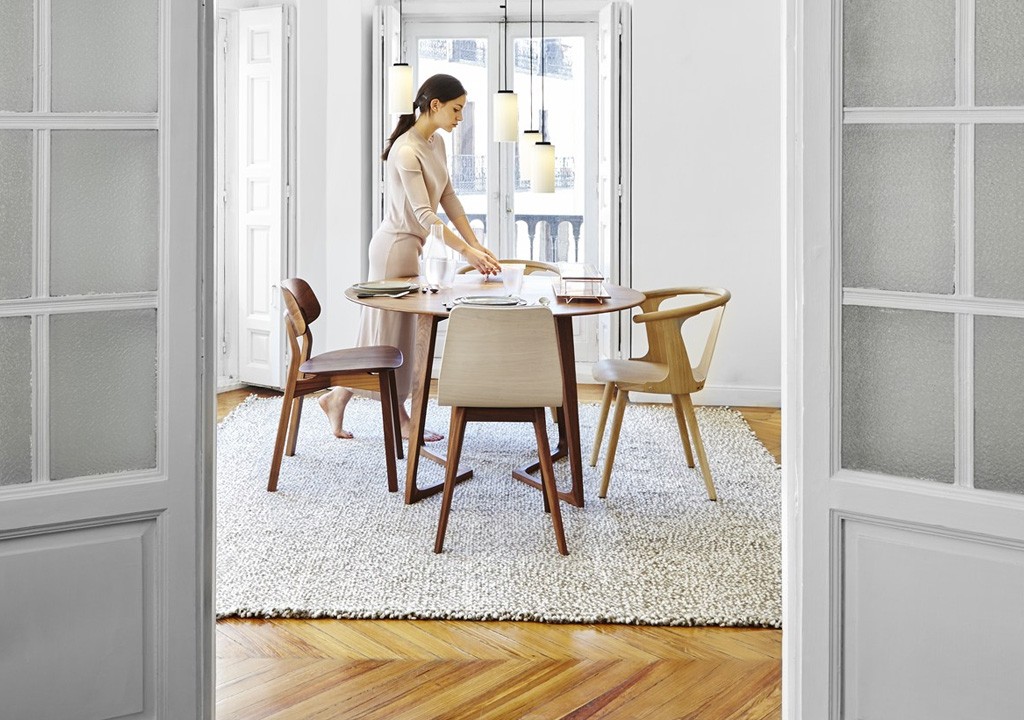
Meeting tables work best when they match the number of people who use them. A table for six suits most small teams in Johannesburg, while a boardroom for twelve needs room to move chairs without bumping the wall.
Leave at least 90 cm behind every chair so people can stand up and walk past without asking anyone to shuffle in.
Choose a hard-wearing top that wipes clean and resists rings from cups. Add cable ports in the middle so laptops and screens can be used without cords across the floor.
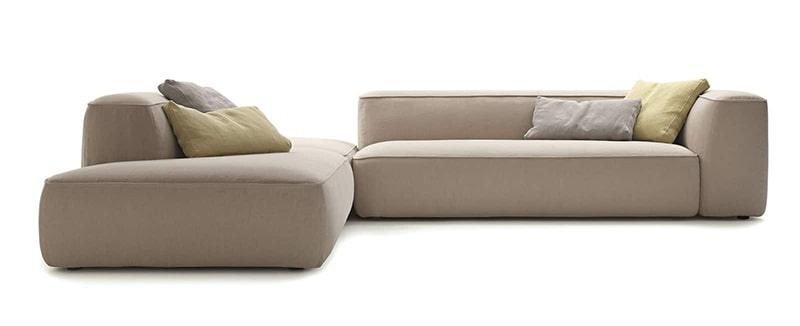
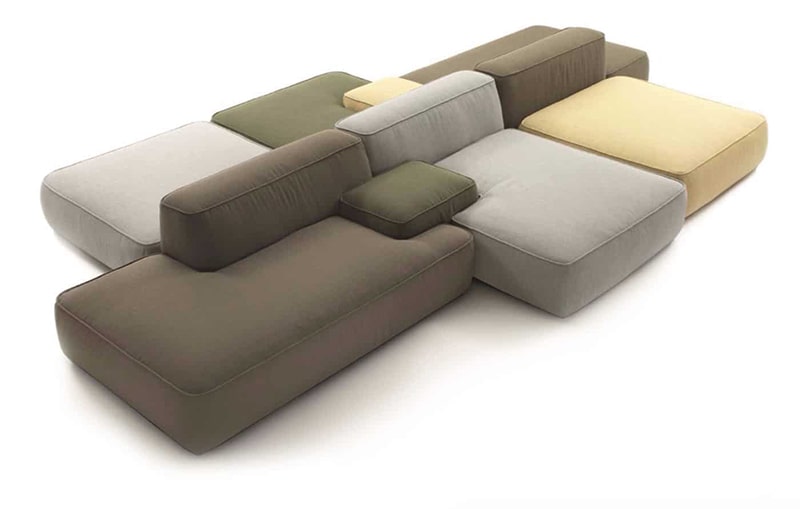
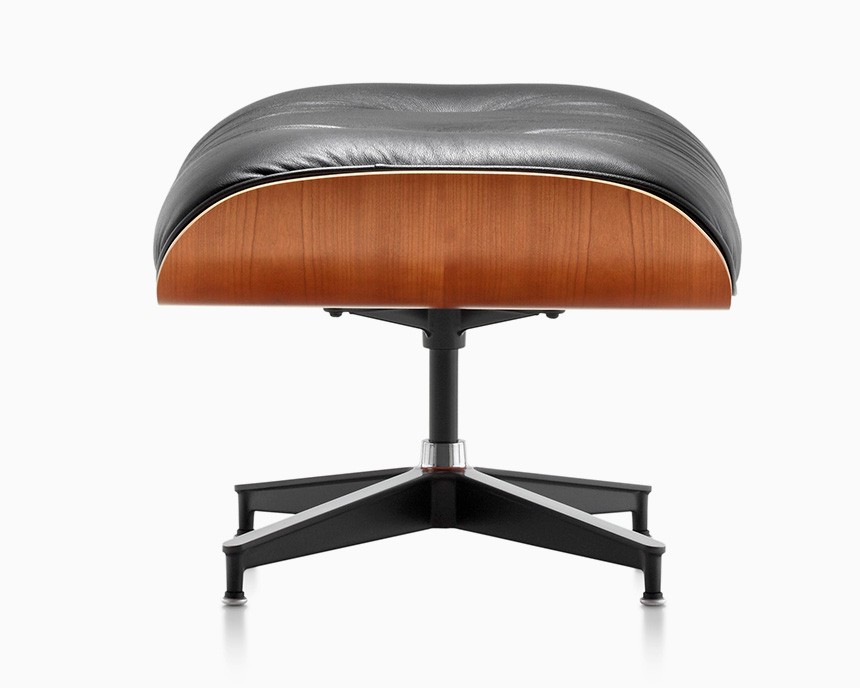
Reception furniture says a lot about a business. A comfortable lounge chair, a low table and a good light make visitors feel welcome before anyone says a word. Keep the counter at a height that works for both standing and seated guests.
Pick fabric or leather that cleans easily and holds its shape with daily use. Place seating so people can see the door and the front desk, and leave a clear path for wheelchairs, trolleys and deliveries during busy mornings.
Seating Tips
A good office starts with how people move through it. Walk the space with your team before you buy anything, and note where they sit, meet and print.
Leave a clear path of about a metre between desks and keep shared items close to the people who use them. Put quiet work away from the reception door, and give meeting tables room for chairs to slide back without hitting a wall.
Start with the desks, then add storage and seating. Werkplek can help with a floor plan if you bring measurements.
Small flats need furniture that works hard. A compact desk by a window, a supportive chair and a shelf above the desk is often all you need. Choose pieces that fit the room, not the other way around, and measure the wall before you order.
Keep cables tidy, keep the desk clear at the end of each day, and your workspace stays calm. A solid oak desk with a drawer, like ours at R5,499, hides the clutter and lasts for years.