Decoration

Water, and how much to carry

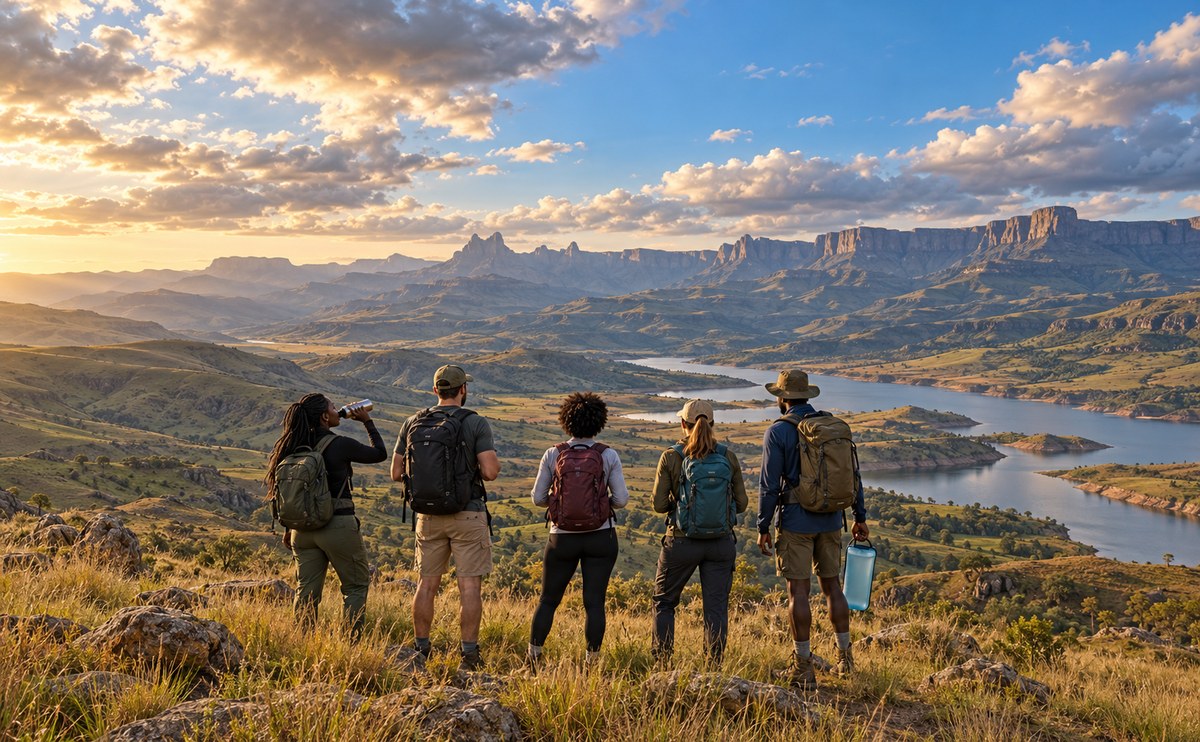
Group of hikers with water bottles and hydration packs pausing at a mountain lookout above a dam in the South African Dr

Water is the one thing you can't improvise on the trail. As a rule, plan for at least one litre per hour of hiking in moderate conditions, more on hot days or steep climbs. In the Western Cape a cool start can turn hot fast once you're out of the wind, so pack more than you think you'll need. Check your route for streams or taps before you leave, and always carry enough to get back to the car if a water point turns out to be dry.

Habitant leo

Carry more water than the map tells you to. Distances on a trail app don't account for sun, load, or how tired you are by the last climb.

A soft bladder in your pack is easier to drink from without stopping, so you actually drink enough instead of rationing by accident. If you prefer bottles, keep one within reach in a side pocket. Either way, build the habit of drinking small amounts often rather than big gulps when you remember.

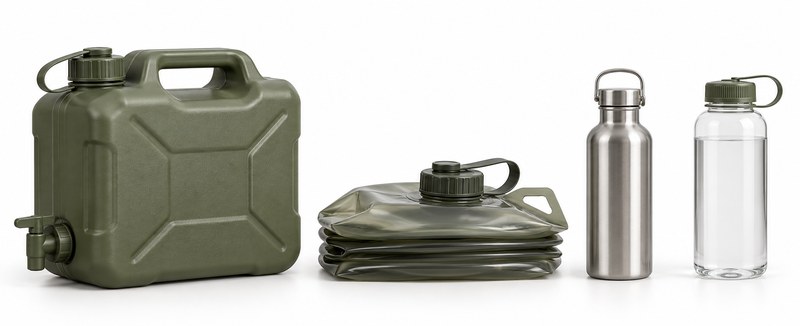
Water containers for camping: a large jerry can, a collapsible water bladder and a steel bottle lined up on a white stud

Work out how much you will drink before you go. On a cool Cederberg day, half a litre an hour is a fair guide. On a hot day, double it. Carry more than you think you need, and know where the next stream or tap is.

A full bottle is heavy, but an empty one is worse. Pack smart and drink often.

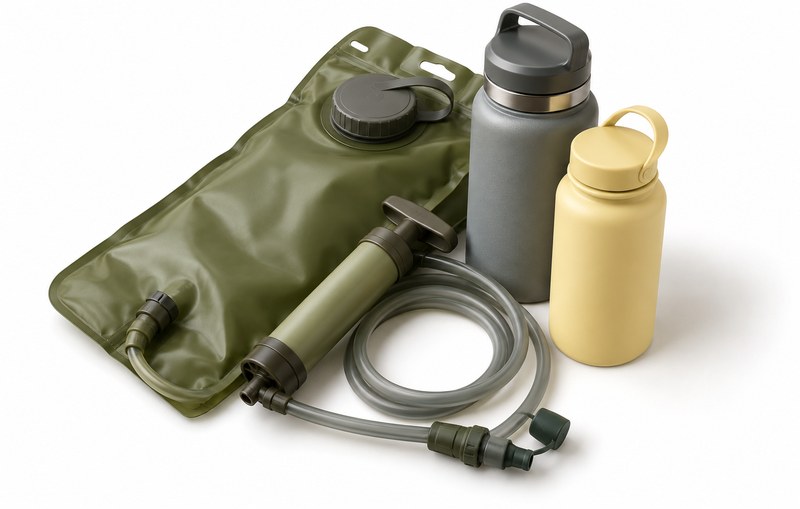
Collection of camping hydration gear: water bladder, bottles and a water filter arranged on a white background

Rivers and streams look clean, but still treat the water. A small filter or purifying drops take up almost no space in your pack.

Thirsty hikers make poor decisions. Drink before you feel thirsty, not after.

Spread your water across two bottles rather than one big one. It balances your pack and means you are not stuck if one leaks.

A short day hike still deserves proper planning. Even an easy loop can take longer than expected if someone turns an ankle or the group stops often for photos. Add half a litre extra per person to cover exactly this kind of delay.

On overnight trips, water for cooking matters too. A good camp kettle boils quickly and uses less fuel, so less water is lost to steam. Work out your cooking and drinking needs separately so neither one catches you short.

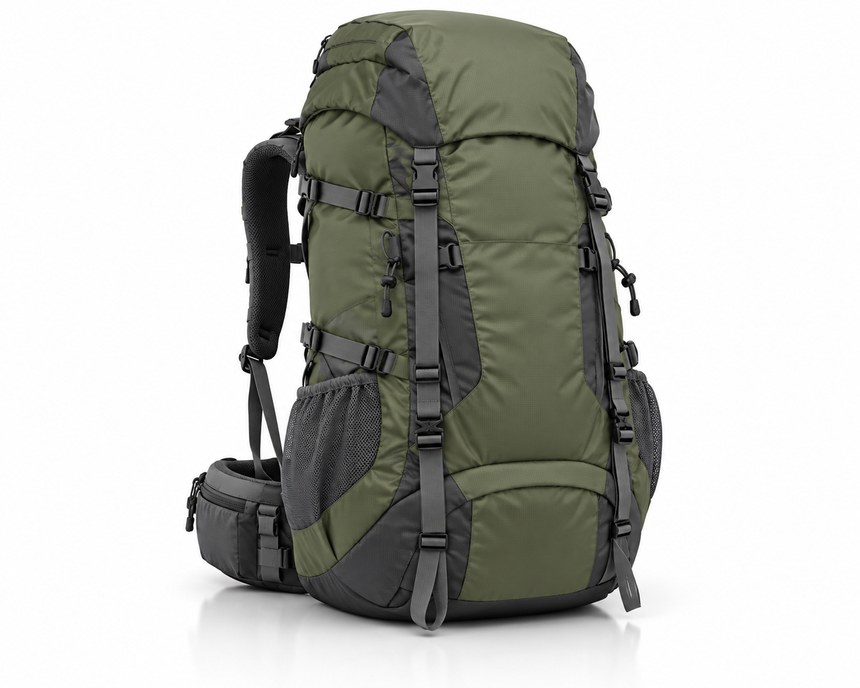
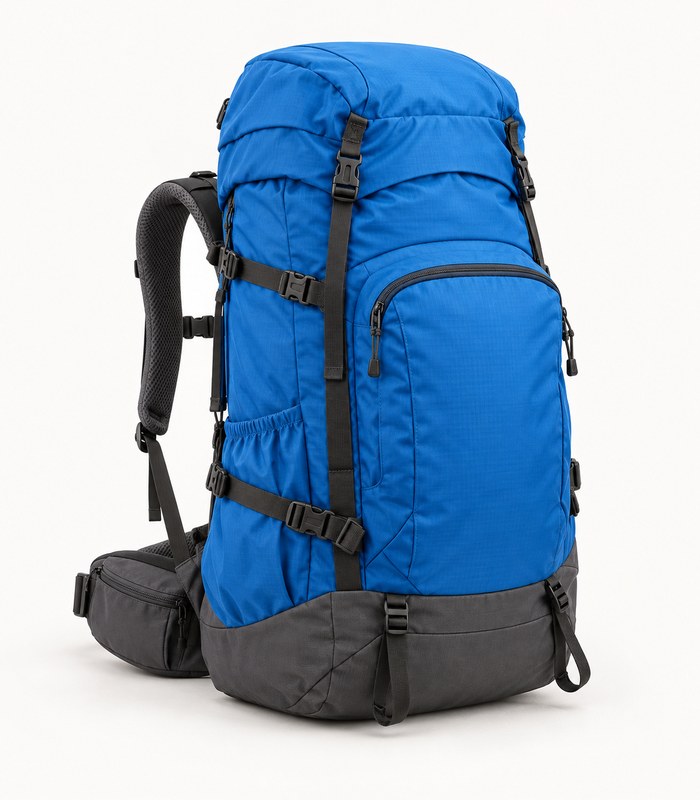
65L hiking backpack isolated studio product shot on white background, front three-quarter view

Plan ahead

Start each hike with full bottles, even for a short walk. Plans change, and weather on the mountain can turn quickly.

Check your route for streams marked on the map, and carry a way to purify water along the way. Add electrolytes on hot days to help your body hold onto fluid. Little sips often work better than big gulps.

Teach kids to drink before they feel thirsty too.

Getting your water right isn't complicated, it just takes a bit of planning before you leave the house. Know your route, know your sources, and carry enough to cover the unexpected.

Fill up fully before you set off, drink steadily along the way, and keep a little in reserve for the walk back to the car. That reserve is the one that matters most.

Leave a Reply

Your email address will not be published. Required fields are marked *