

Blog
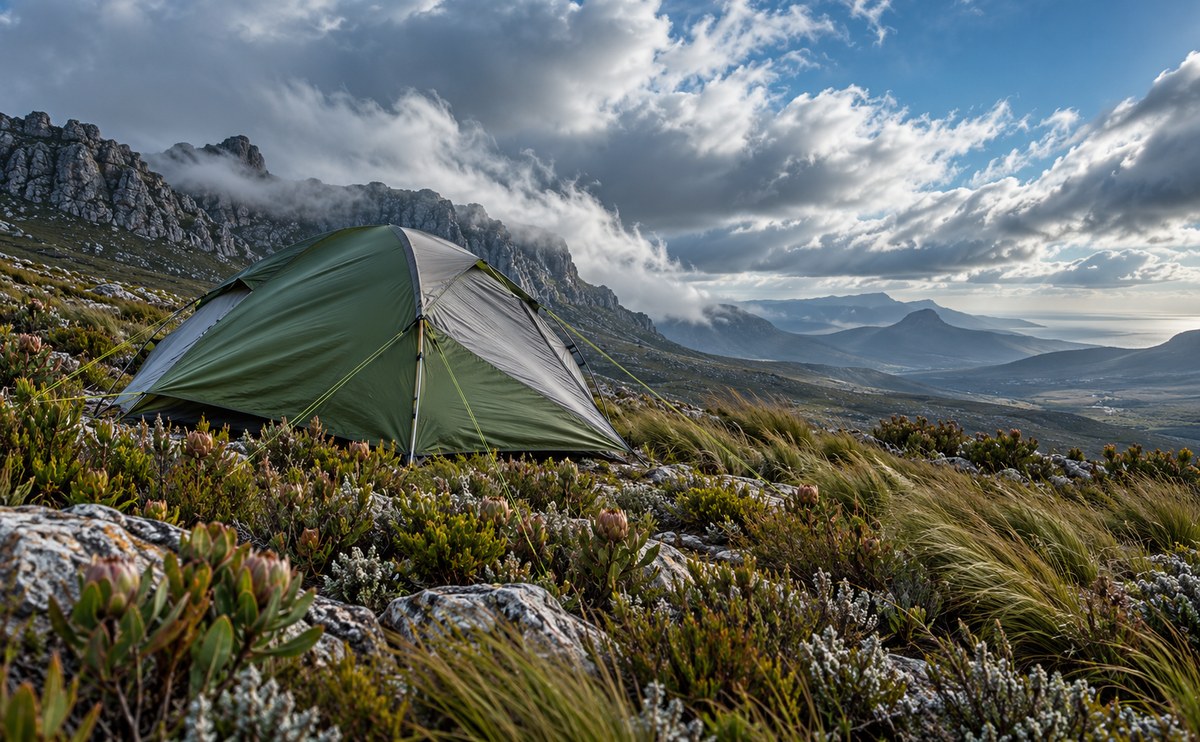
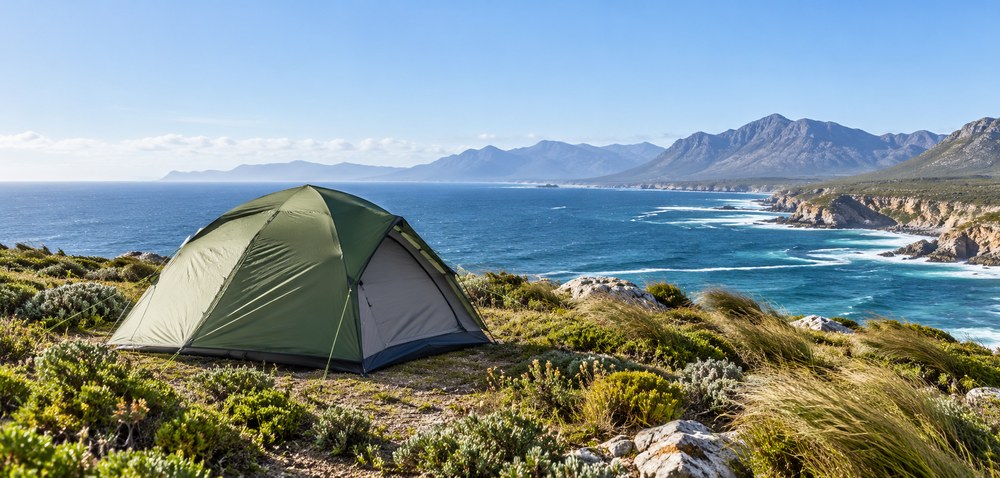
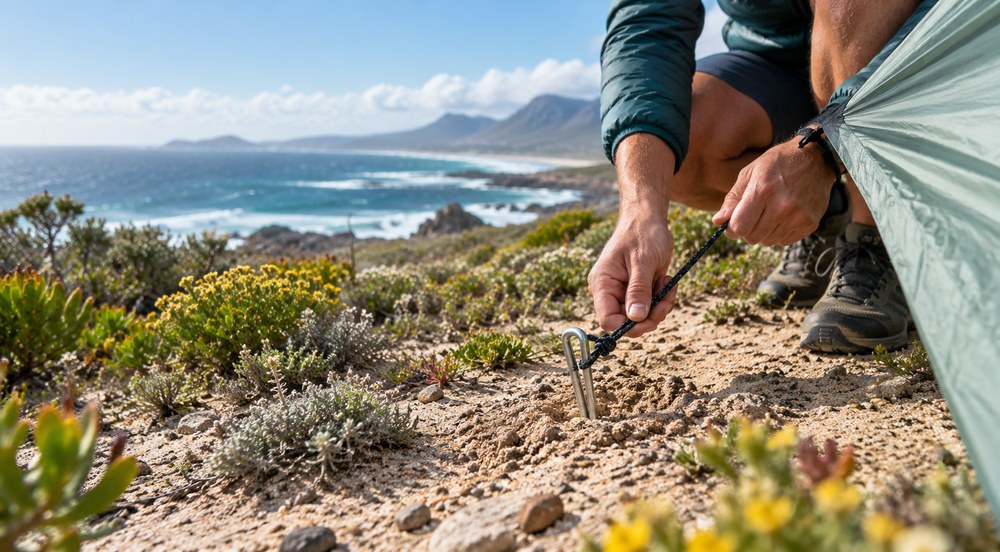
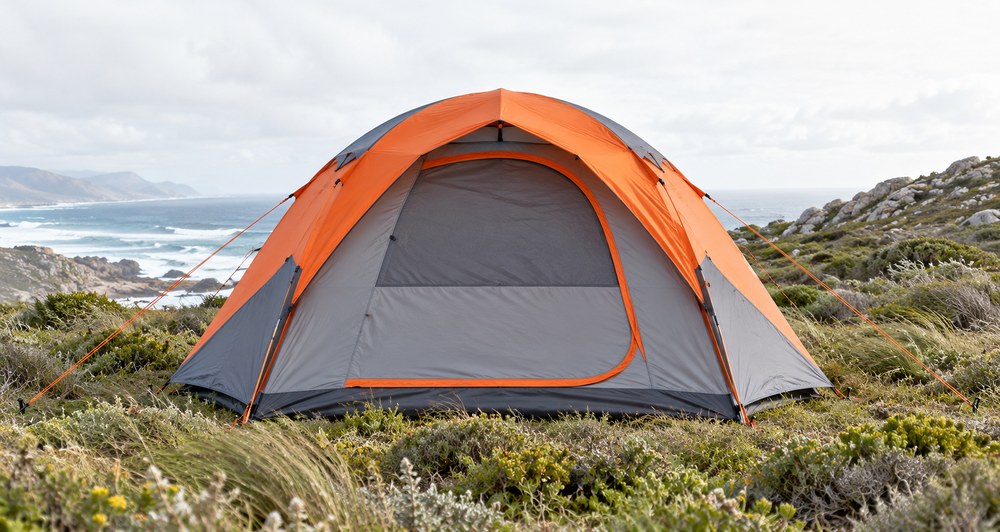
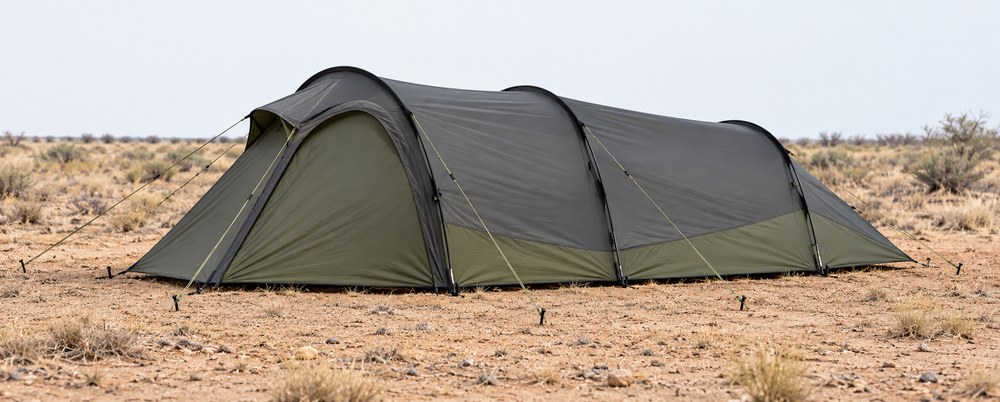
Choosing a tent for Cape winds

Related Posts
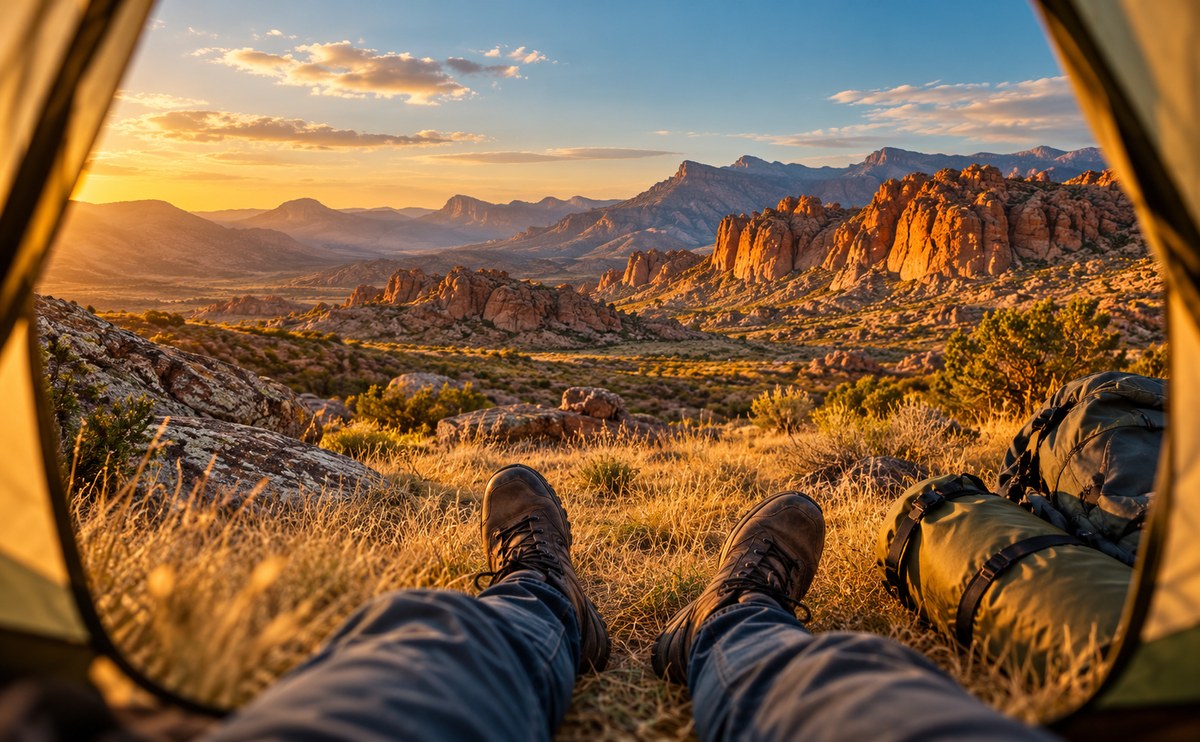
What to pack for a weekend in the Cederberg

A weekend in the Cederberg means hot days, cold nights and long stretches with no shops nearby, so t...
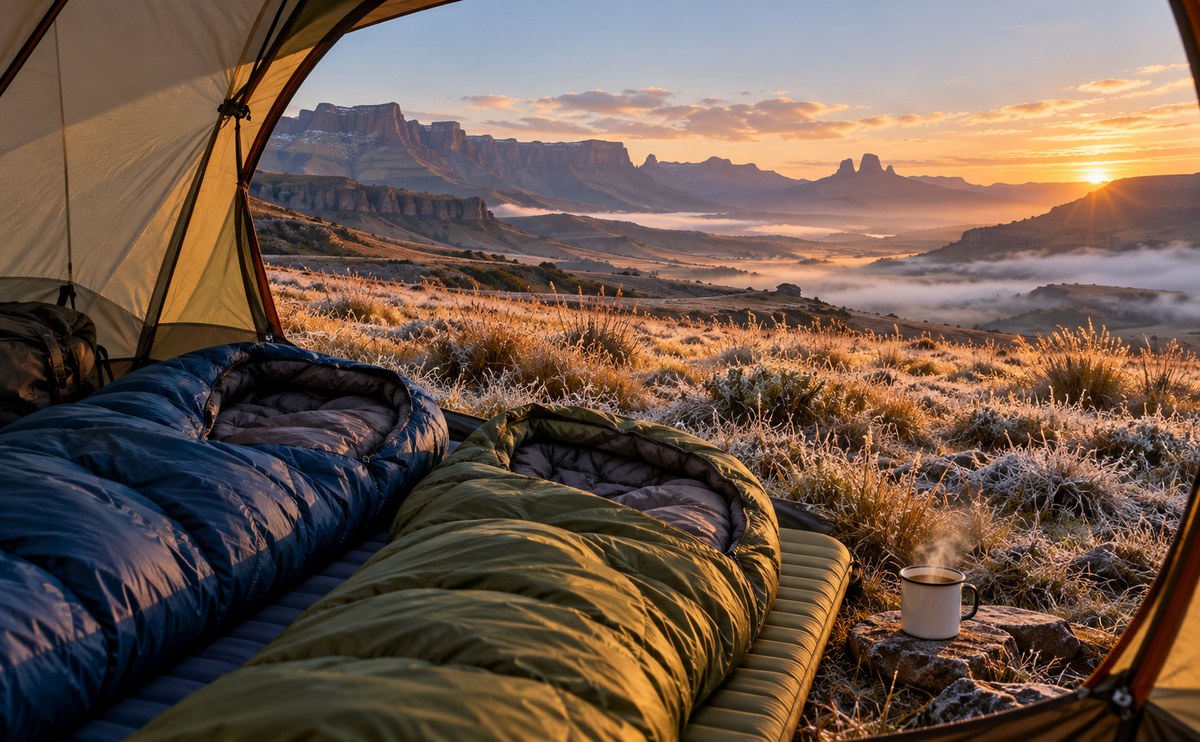
Sleeping bags and temperature ratings
When it's about controlling hundreds of articles, product pages for web shops, or user profiles in social networks, all
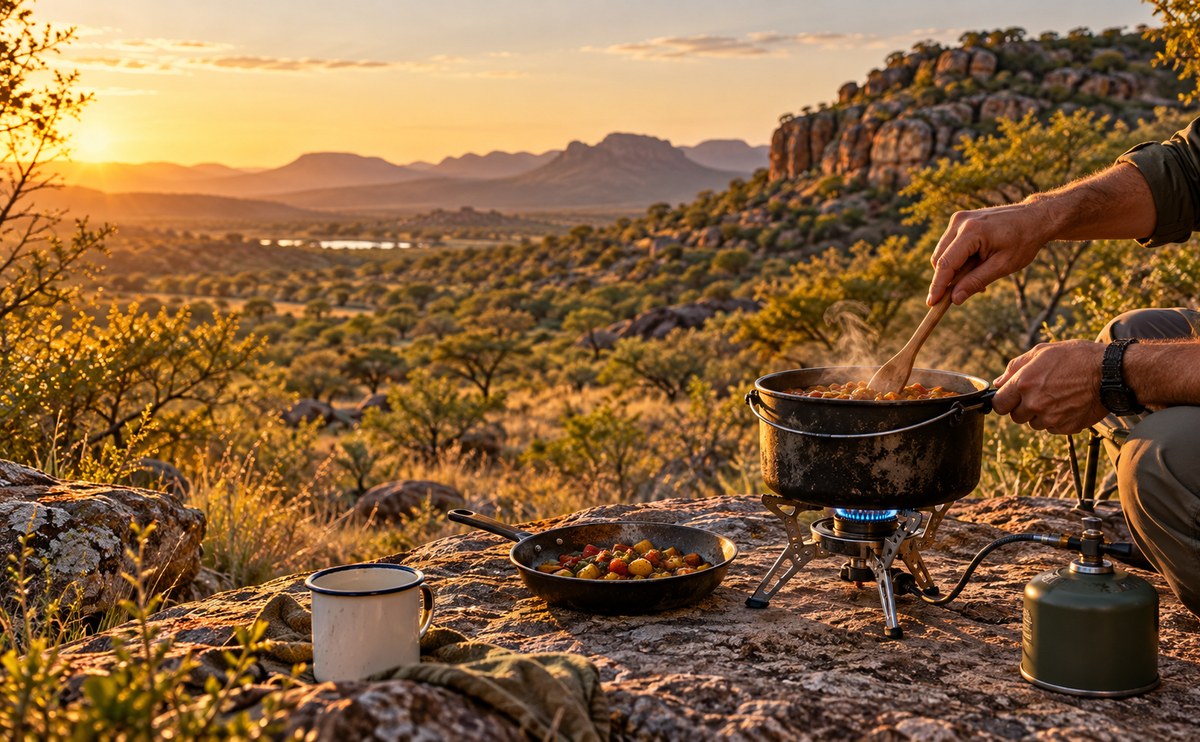
Cooking on a camp stove, simply
Cooking on a camp stove doesn't need to be complicated. One pot, a few ingredients, and a plan for h...
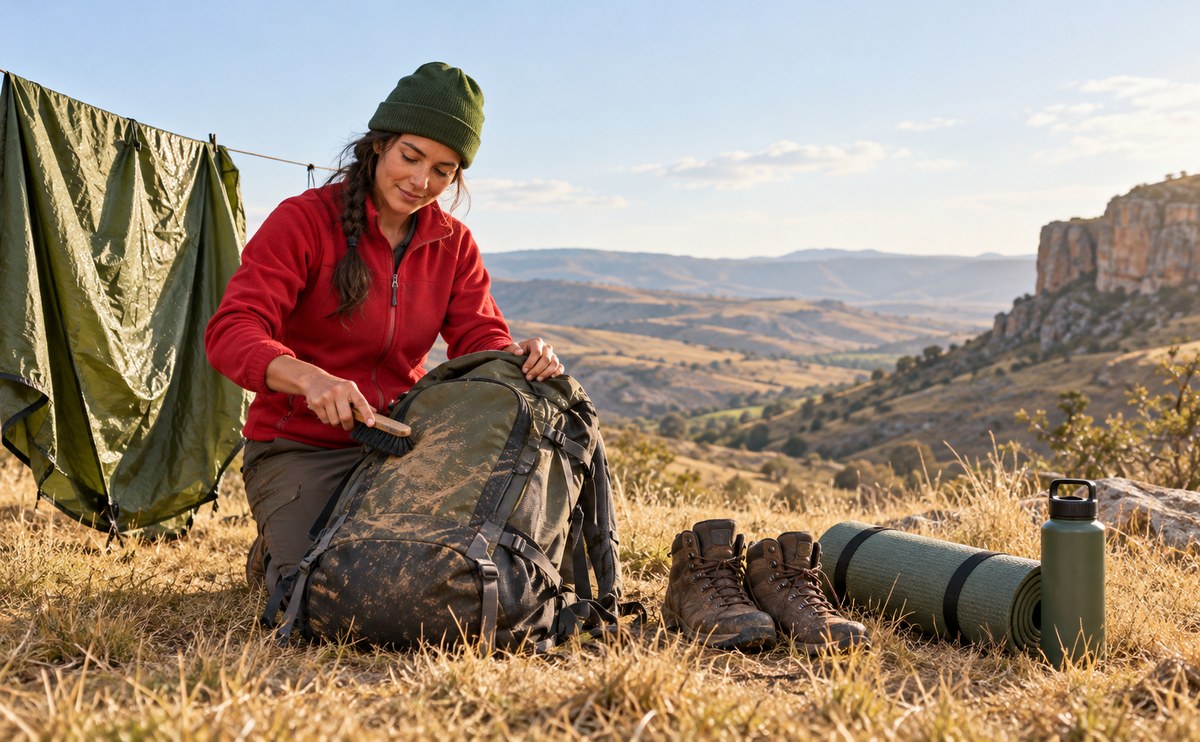
Looking after your gear after a trip
Getting home from a trip is when the real work starts. A quick clean and proper drying now means you...
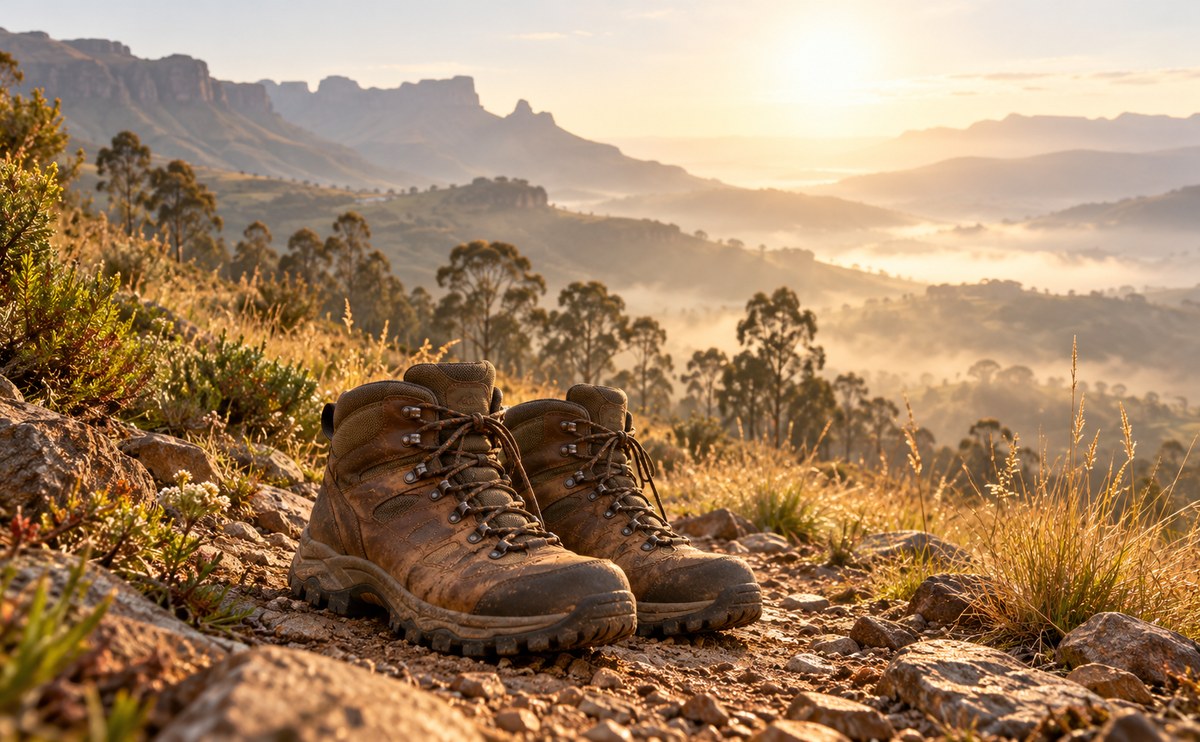
Hiking boots that suit local trails
South African trails are not all the same. One weekend you are on loose rock in the Cederberg, the n...
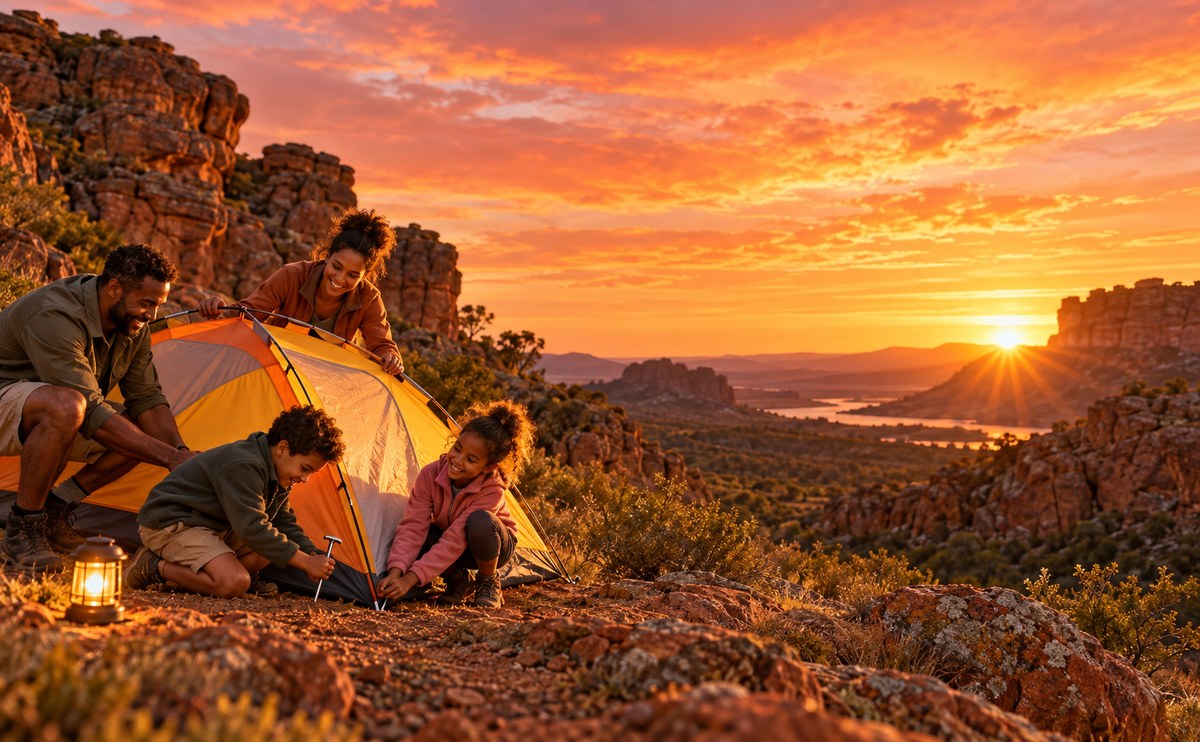
Camping with children for the first time
Camping with children works best when you keep the first trip short and close to home. Pick a site w...


