Decoration

Appliance faults that are cheap to fix

Two upholstered chairs in a modern room beside a stack of repaired household appliances, a toaster and a kettle on a whi

Not every appliance that stops working needs replacing. Most of the faults we see in the workshop come down to one small part, like a thermostat, a belt or a pump, and those are quick and affordable to put right.

Here are some of the most common faults we come across, and why fixing them usually costs a lot less than buying new.

ACCESSORIES

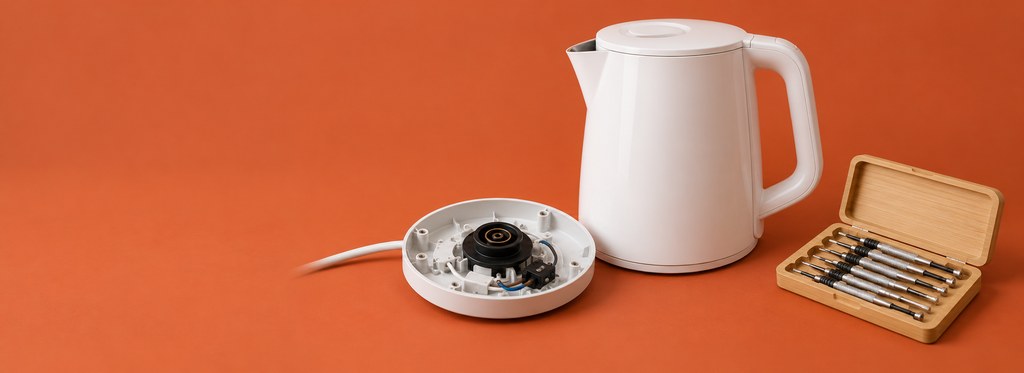
Wide banner of a plain unbranded kettle and a small toolkit with screwdriver set on a terracotta orange background

Before we quote you anything, we open the appliance up and test it properly. That tells us exactly which part has failed, instead of guessing. Most of the time the fault is small, and the repair is done the same day.

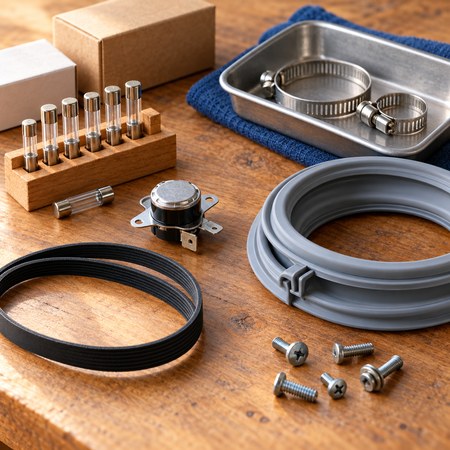
Neat arrangement of cheap replacement appliance spare parts (fuses, thermostat, drain hose clamps, door seal, small scre

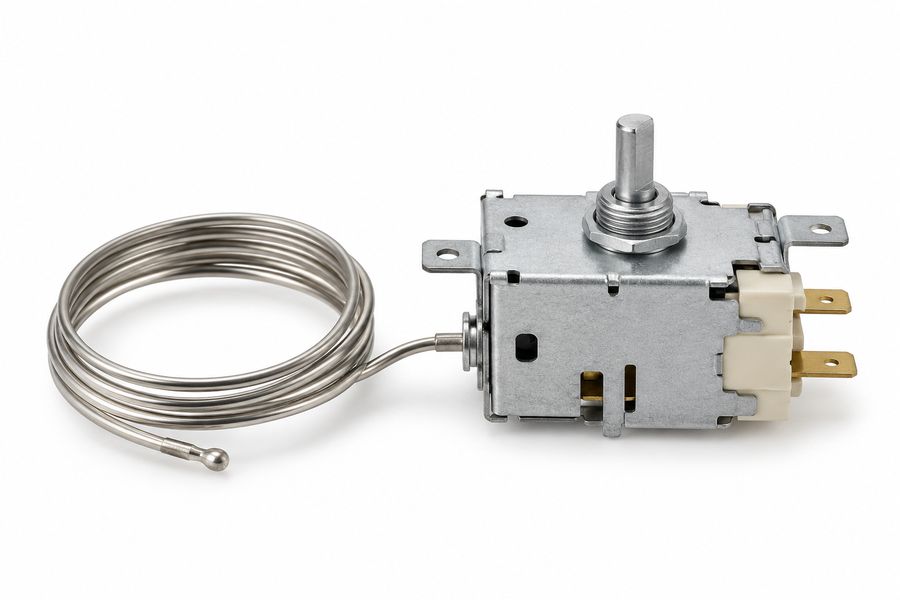
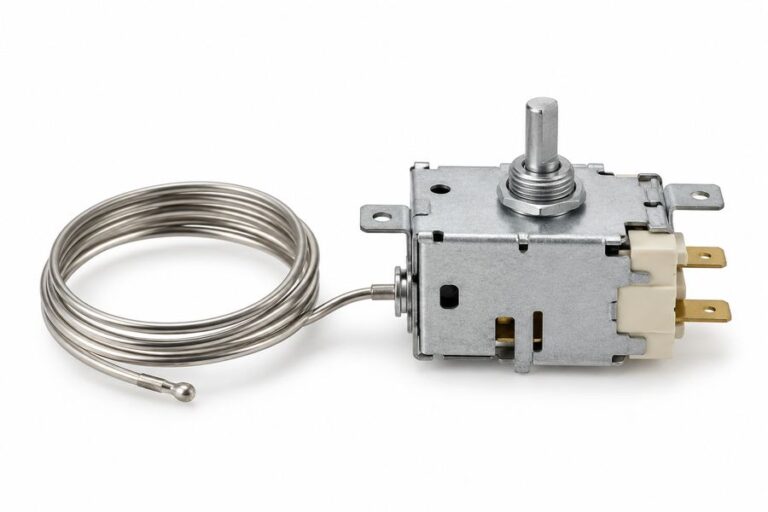
A fridge that runs warm, or keeps switching on and off, is often just a worn thermostat. It is an inexpensive part and takes under an hour to fit. There is no need to replace the whole fridge for this.

Fridge Running Warm - Book A Repair

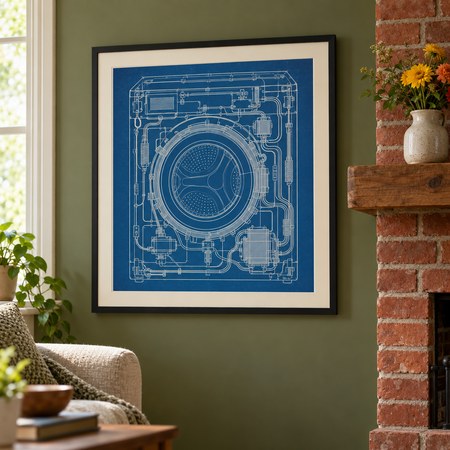
Framed unlabelled appliance wiring schematic on a wall beside a brick fireplace and flowers, replaced by a technician's

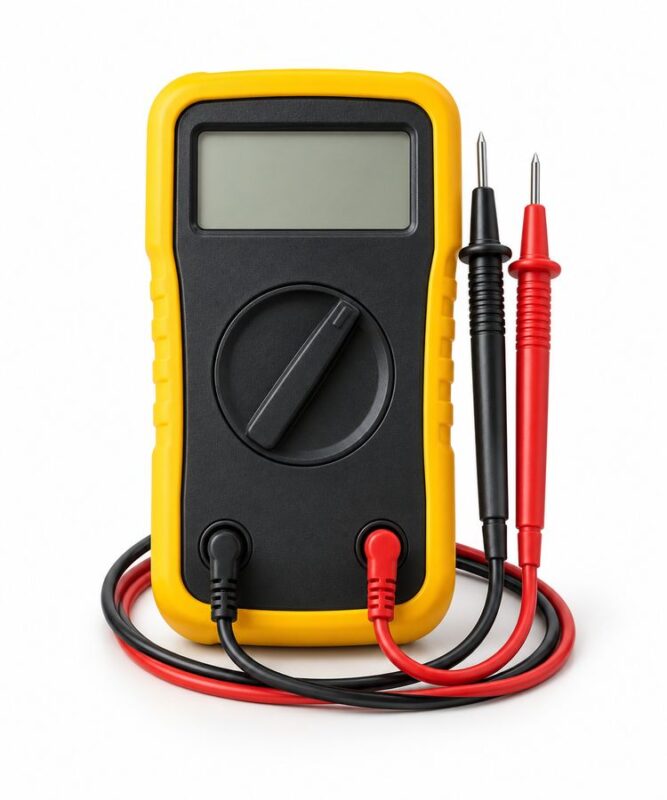
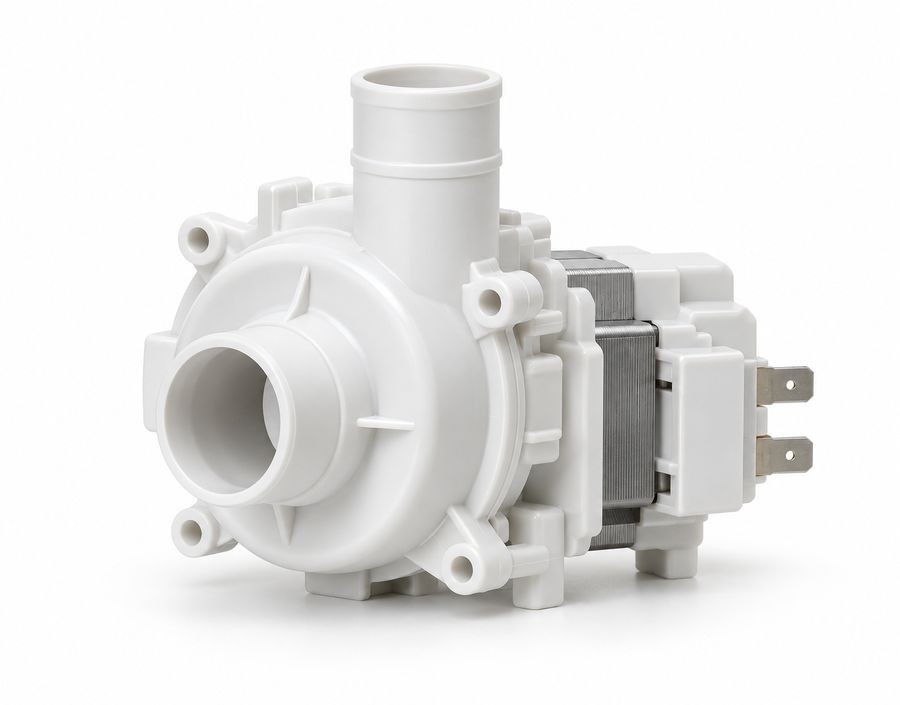
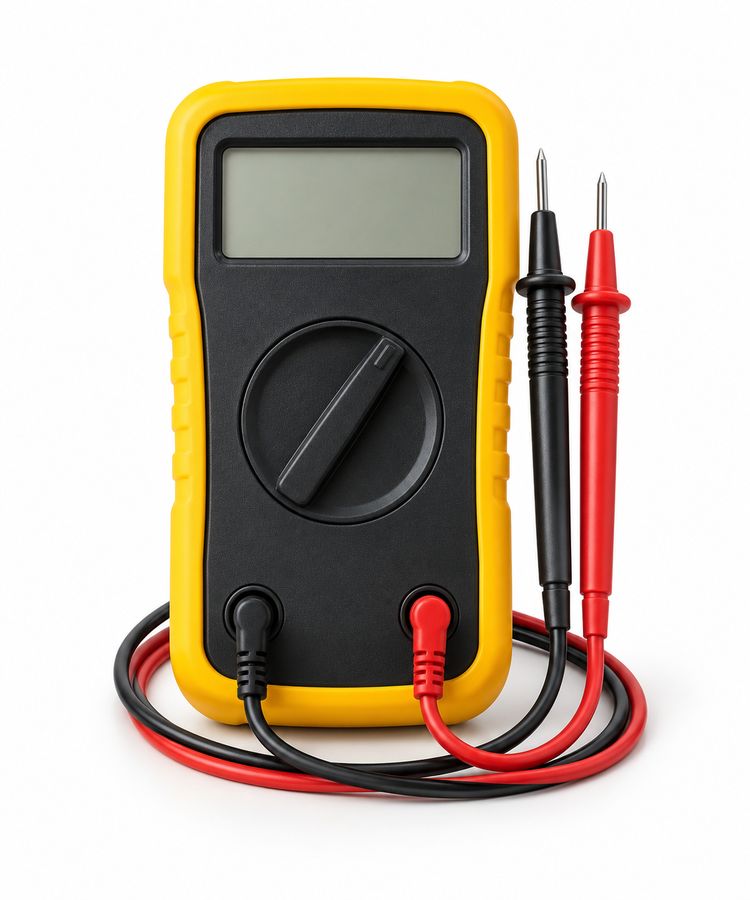
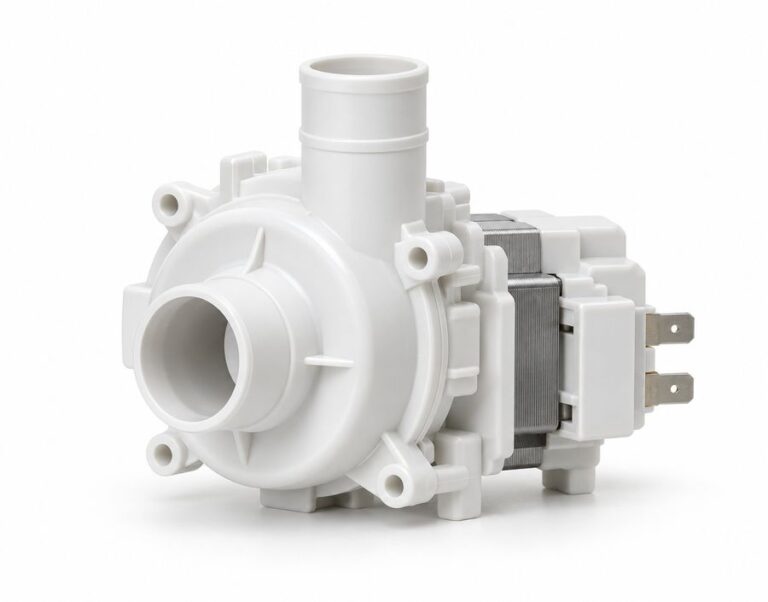
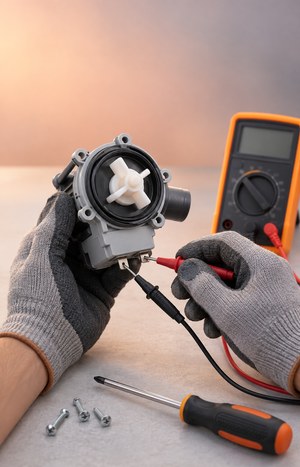
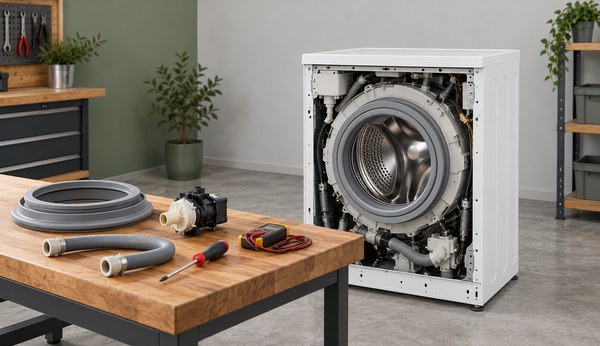
A washing machine that won't drain, or grinds on spin, usually has a worn pump. We test it with a multimeter first, then replace only the pump if that turns out to be the actual fault.

Washing Machine Not Draining - Book A Repair

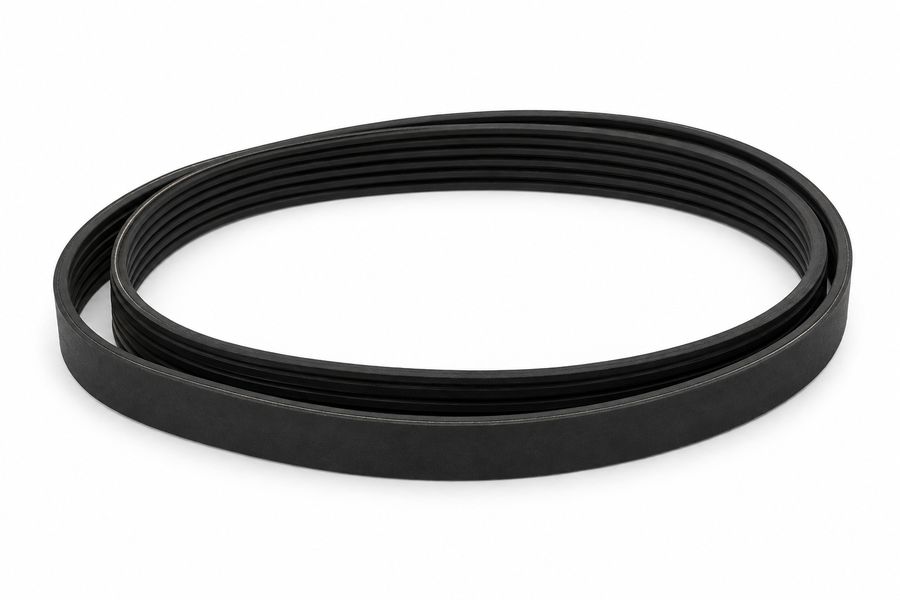
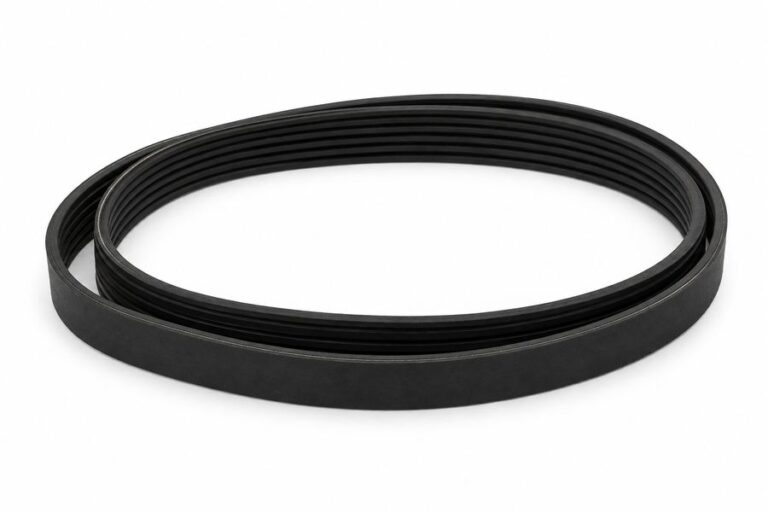
If the drum turns slowly, slips or makes a slapping sound, the drive belt has likely stretched or snapped. Swapping the belt is a short job and brings the machine straight back to normal.

Slipping Drum - Book A Repair

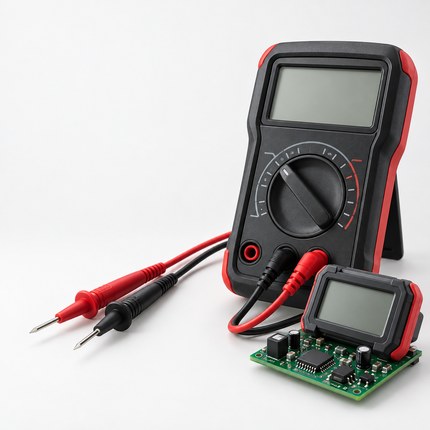
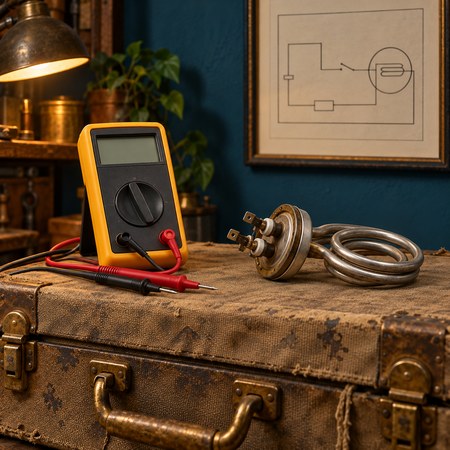
Digital multimeter and test probes resting on a vintage-style toolbox, used for diagnosing appliance faults

Water pooling under a washing machine or dishwasher is often just a worn door seal or a loose hose clamp, not a cracked tub. We check the seal and the hoses before anything else.

Appliance Leaking Water - Book A Repair

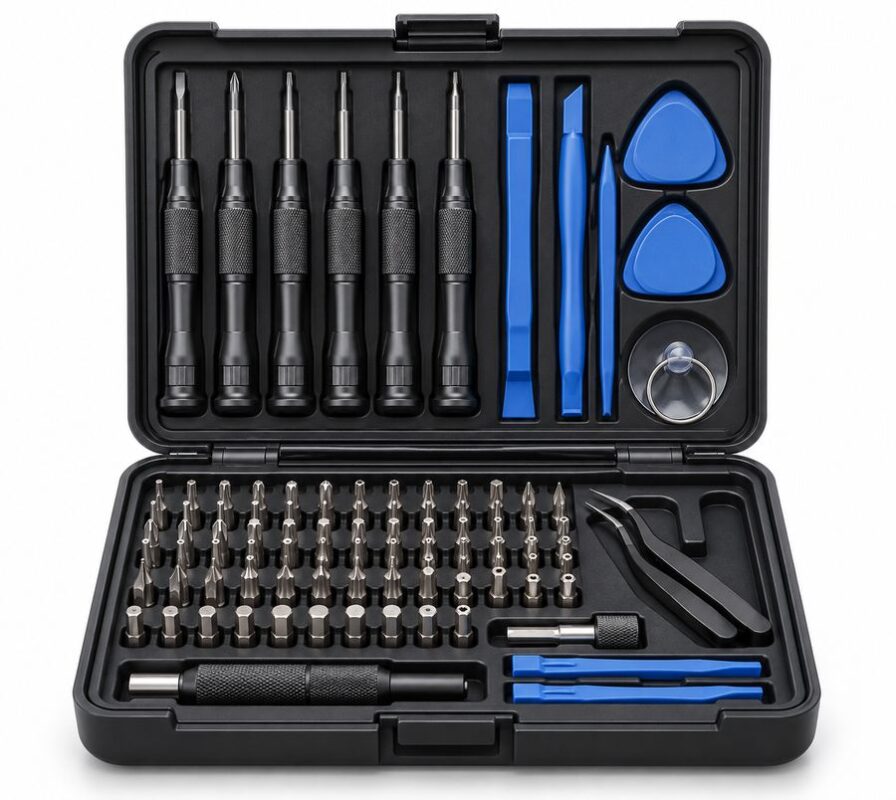
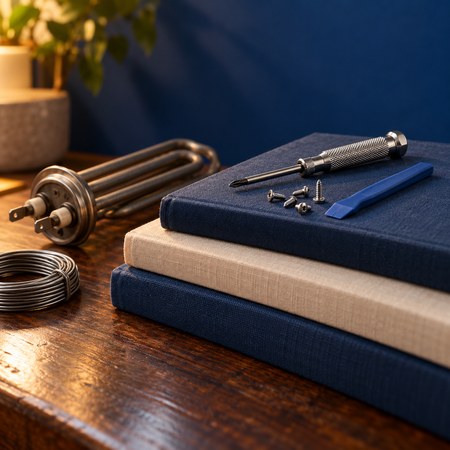
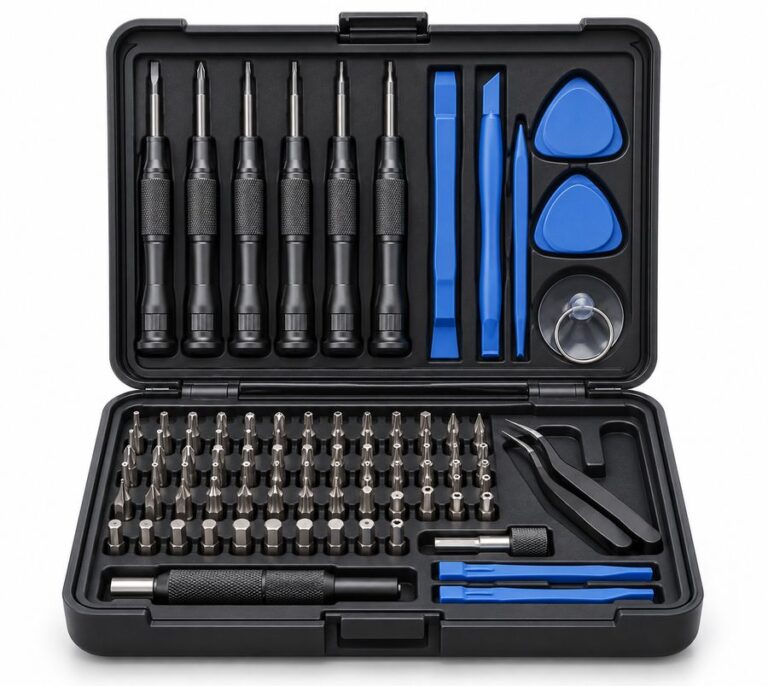
Neatly arranged small screwdriver, spudger and a few screws on a workbench beside a disassembled kitchen appliance part,

LIGHTING

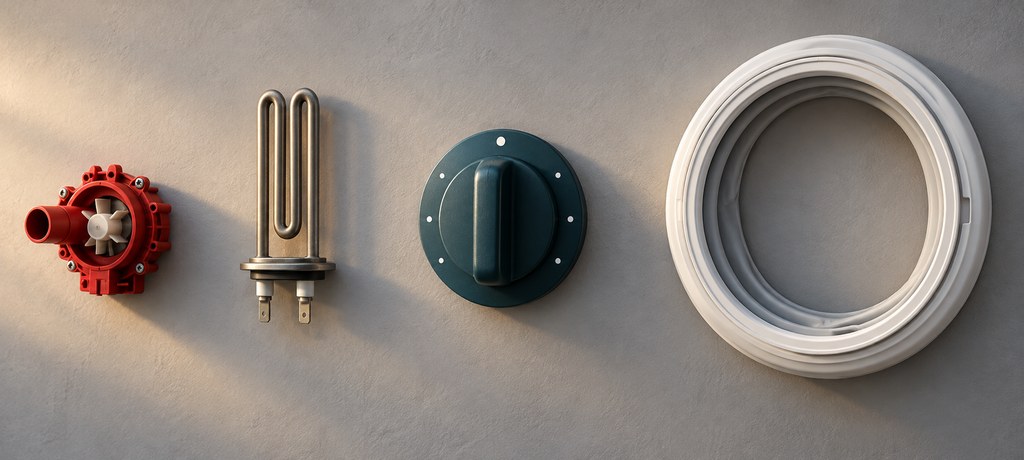
Row of four small household appliance parts of increasing size on a workshop wall, lit from the side

These small parts take the most strain, so they're the first thing we check. Catching the fault early, before it damages anything else, is what keeps your repair bill low.
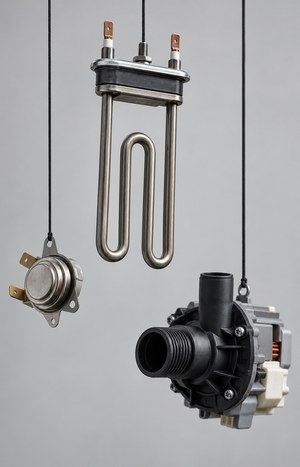
Close-up of a dismantled small appliance heating element and replacement parts such as a kettle element and a thermostat
Three small unbranded household appliance parts hanging on wires: a glowing ring-shaped heating element, a fuse and a th
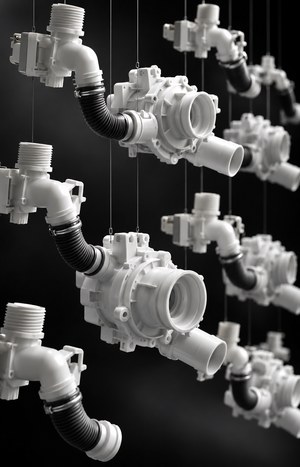
Rows of white spare appliance parts such as washing machine drain pump housings and water inlet valves hanging in a grid
Workbench with a small potted plant beside a repaired unbranded kettle and a toaster hanging above, with a plain grey wa

Fridge thermostats

A fridge that runs warm, cycles constantly or won't get cold at all is very often just the thermostat. It wears out well before the compressor does. We test it with a multimeter to confirm, then fit a replacement, which is a quick job compared to replacing the whole fridge.

Washing machines

Washing machines take a hammering from spin cycles, so pumps, belts and bearings wear out over time. A machine that bangs, leaks or won't spin is usually one of these three. We check each one with a diagnostic test before ordering a part, so you only pay for the fix you need.

Drive belts

Drive belts stretch and crack with age, especially on older tumble dryers and washing machines. A slipping belt shows up as a slow drum, a burning smell or a loud slapping noise. It's a quick part to fit, and once it's done the appliance runs quietly again for years.

Door seals

A torn or stiff door seal lets water escape and heat out, which is why dishwashers and washing machines start leaking long before anything else breaks. Seals wear out from everyday use, not from a fault in the machine. Fitting a new one usually takes less than half an hour.

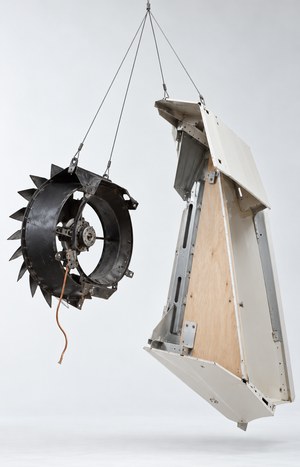
Disassembled appliance parts suspended on cables: a dark fan shroud and a pale folded panel, shown against a bright whit
Close-up of a technician's hands testing a washing machine drain pump with a multimeter on a workbench
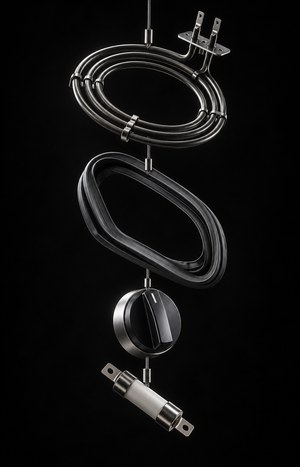
Row of small replacement appliance parts (heating element, door seal, thermostat, fuse) hanging and arranged vertically
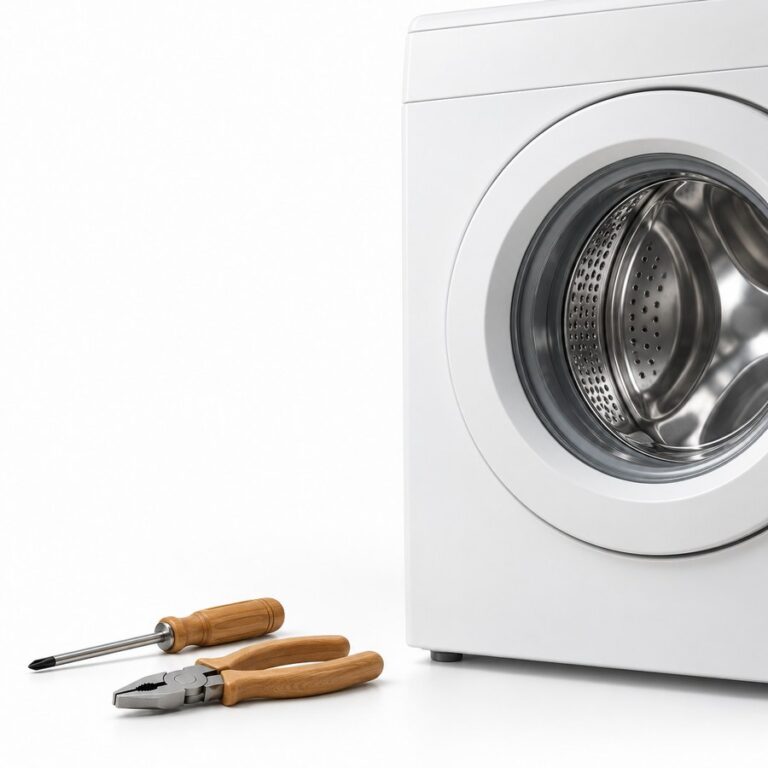
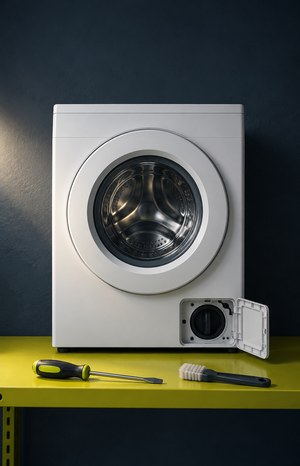
Open front-loader washing machine with the filter access panel open and a screwdriver and small cleaning brush on a coun

If your appliance is acting up, bring it in before you start pricing a new one. Most faults we see are small, and a proper check tells you straight away whether it's worth fixing.

FURNITURE

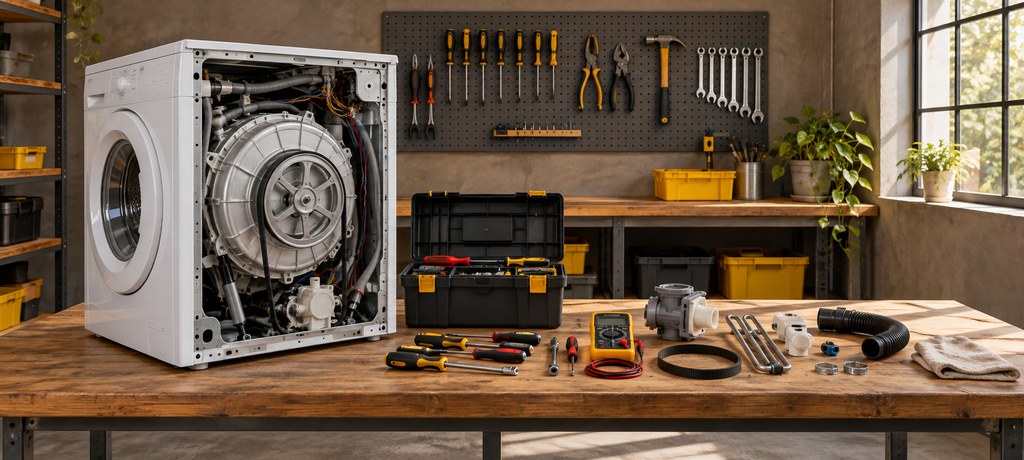
Repair technician's bench in a South African workshop with a washing machine being fixed and tools laid out

Before you replace an appliance that’s stopped working, it’s worth getting it looked at. We see washing machines, fridges and tumble dryers come in every week with faults that turn out to be one small, inexpensive part. A thermostat, a belt or a seal costs a lot less than a new appliance, and is usually just as quick to sort out.

Our process is simple. We run a diagnostic test to find exactly what has failed, then tell you what it will cost before we touch anything. If the part is cheap and the appliance is otherwise in good shape, fixing it is almost always the better option. Most jobs like this are finished within a day, and the appliance goes back to working the way it should.

Bright open-plan South African kitchen with a plain built-in oven and appliances being inspected by a technician

Heating elements, door seals, pumps and belts are the parts that wear out first on any appliance, simply because they do the most work. None of them mean the appliance is finished. We keep common parts in stock for the most popular fridge, washing machine and tumble dryer models, so repairs don’t sit waiting on an order.

Single plain unbranded washing machine or microwave standing alone in a minimalist white room with repair tools beside i

A control board fault looks serious, but it doesn’t always mean a costly repair. Sometimes a stuck button, a blown fuse or a loose connection is behind it, not the board itself. We test the simple things first, since they’re cheaper and faster to fix, before ever suggesting a full board replacement. It saves you money and gets your appliance back sooner.

Not every strange noise means trouble. A dryer that squeaks might just need a drum support replaced. A fridge that hums louder than usual might only need its feet levelled or its coils cleaned. We check the small, obvious things first, because that’s often where the real fault is hiding, long before we look at anything expensive.

If you’re not sure a repair is worth it, bring the appliance in and ask. We will test it properly and give you an honest answer, even if that answer is that it’s not worth fixing. More often than not, it’s a small part letting the rest of a good appliance down, and that’s a simple, affordable fix.

Bright repair workshop bench with a washing machine's opened-up parts and a technician's tools laid out neatly, illustra

Leave a Reply

Your email address will not be published. Required fields are marked *