Blog
Reading your electricity bill properly
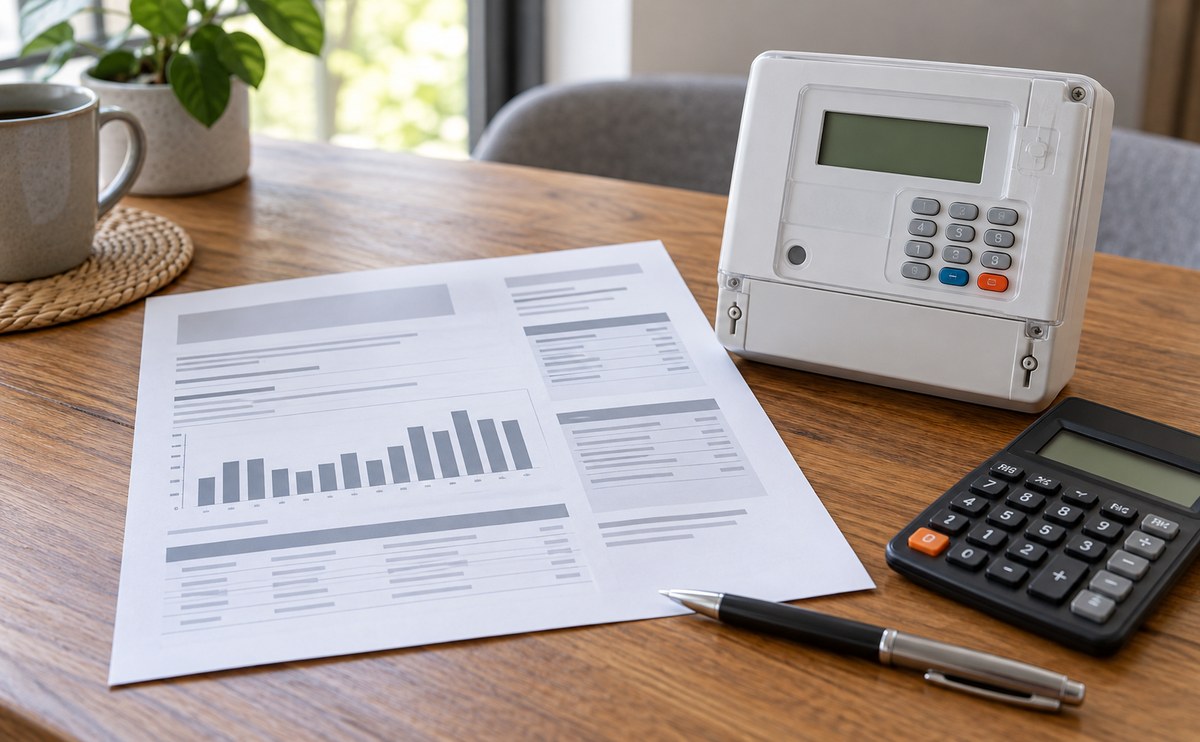
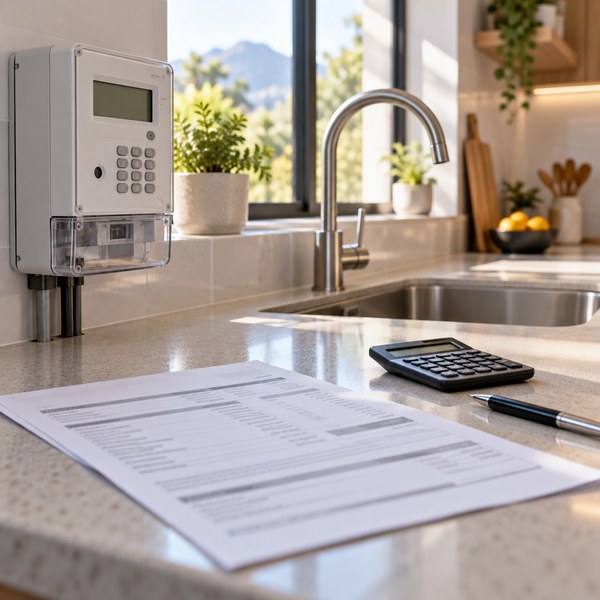
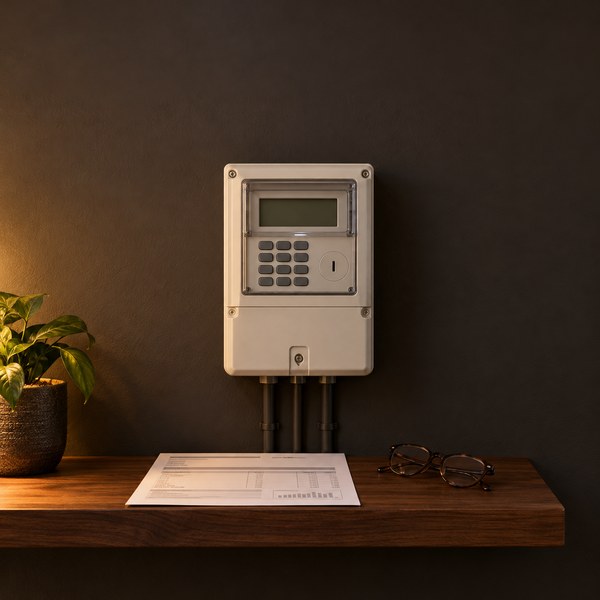
Your municipal bill has more on it than a total owed. There is a tariff block, a service charge and a basic monthly fee. On an inclining block tariff you pay more per unit once you cross a threshold, and that is where a lot of households get caught out.
We read your last twelve months of bills before we size anything. That tells us your real usage pattern, which matters far more than the size of your house.
5. Eva Solo: Danish Furnishing Accessories
Most bills show a daily average in kWh somewhere near the bottom, often tucked next to the VAT line. That single number is the one we actually use to size a system, because it reflects an ordinary week, not a one off month.
Compare at least three months of bills side by side before you commit to any system size.
Summer and winter usage can differ by a lot once heating or pool pumps come into it.
Start with the units, not the Rand total. Your bill shows a tariff structure, usually blocks of cents per kWh that rise the more you use in a month. Knowing which block you sit in tells us far more than the total at the bottom.
4. Magisso Finnish Design Movement
Find the kWh figure on your bill, not just the amount owed. That number is what your household actually used, and it barely changes even when the tariff goes up.
Once we have that figure for a few months running, sizing a battery and inverter stops being a guess.
Ask your municipality for a usage breakdown by time of day if you can get one. It tells you far more about your real power habits than one monthly total ever will.
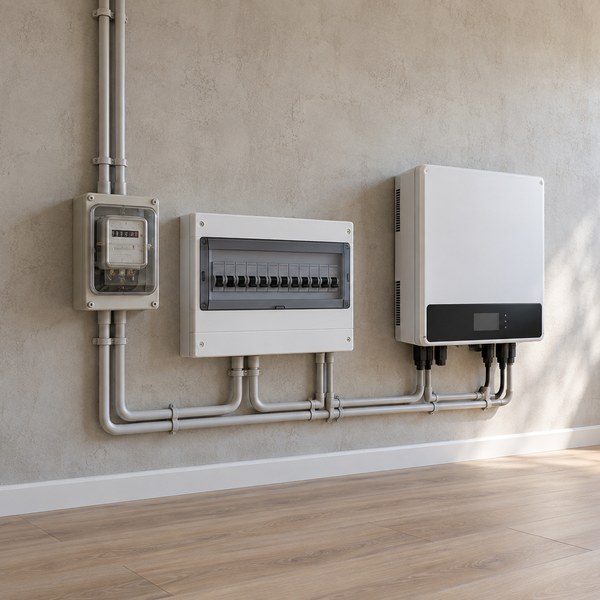
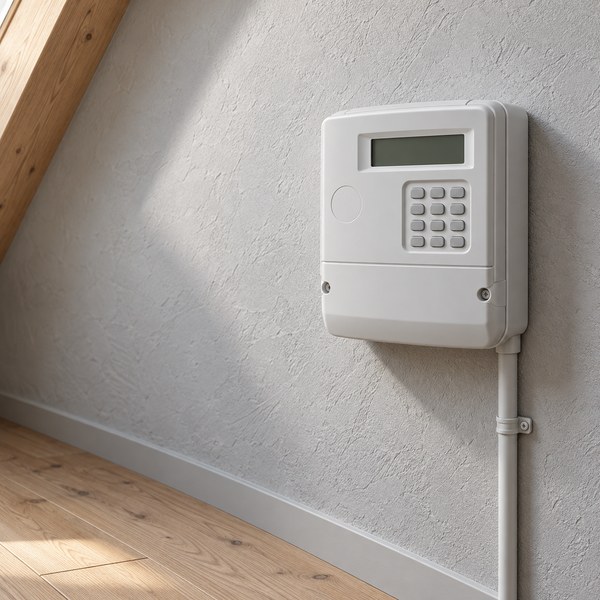
Check whether your home is on single phase or three phase before anything else. It decides which inverters will work in your house, and it is usually printed near your meter number on the bill.
3. Röshults Svenska Hantverk
Your account number and meter number sit near the top of the bill, and you will need both when you apply for any rebate or feed in approval.

Keep a copy of the bill handy when we come out to quote, it saves a second visit.
Fixed charges, network charges and VAT sit separately from your usage, and none of them change no matter how much power your panels save you.

Fixed charges, network charges and the basic monthly fee sit apart from what you use. They stay the same every month no matter how much your panels generate, so they shrink as a share of your bill once you are producing your own power.
2. Alessi: the Italian Factory of Design
Take an old bill and find the highest usage month, usually July or August. That peak tells us the worst case we need to plan for, not just an average month when the house happened to be quiet.
Keep your last twelve months of bills in one folder. When we size a system we would rather work from a real year of numbers than one good or bad month.
Winter pushes usage up fast once heaters and geysers run longer each day, while summer evens out again. A system sized only on one season will let you down in the other.
Once we understand your tariff, your daily average and your peak month, sizing becomes simple maths rather than guesswork. That is the whole reason we ask to see your bills before we quote anything.
1. Leolux Design Furniture
A bill you understand is a bill you can plan around. Once you know your tariff block, daily average and peak month, sizing a system stops being a guess.
Bring your last year of bills when you come in for a quote. It is the most useful thing you can hand us.
From there we can tell you honestly what size system suits your house, and how much of that bill it will take off your hands.