Blog
Lithium or lead acid batteries
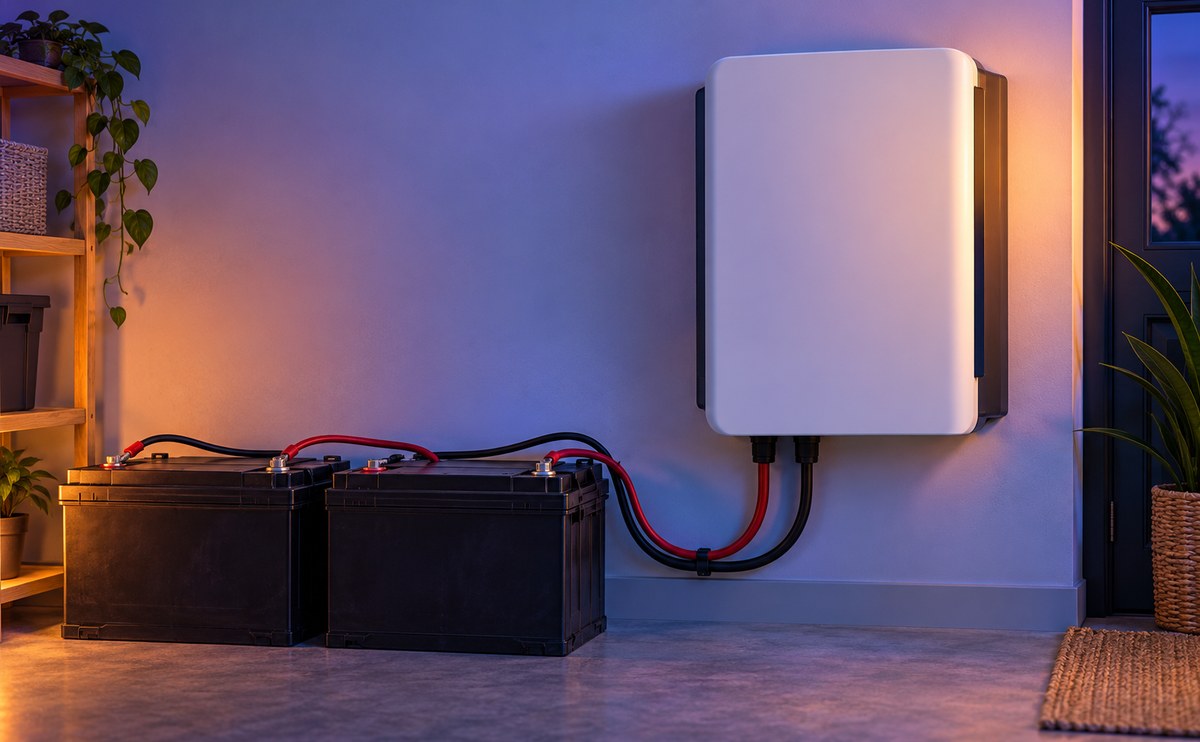
Lead acid batteries cost less to buy, but you can only use about half of what they hold before you start shortening their life. Lithium batteries cost more upfront, but you can use most of the capacity and they last far longer.
A well kept lead acid bank lasts around three to five years. Lithium batteries often run for ten years or more and do not mind being drained most days, which suits a home with daily load shedding.
Weight And Space
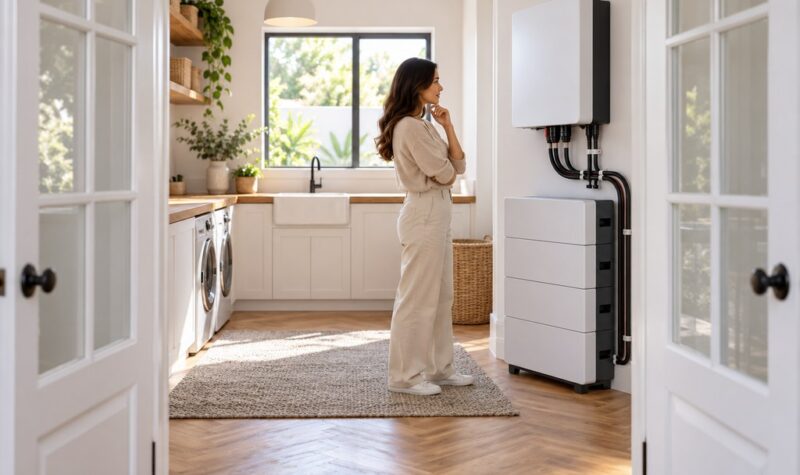
Lithium batteries are lighter and smaller for the same usable power, which matters if you are mounting them on a wall or fitting them into a tight space. Lead acid batteries need a well vented area and should never go in a closed cupboard.
The best battery is the one sized for how you actually use power at home, not the biggest one on the price list.
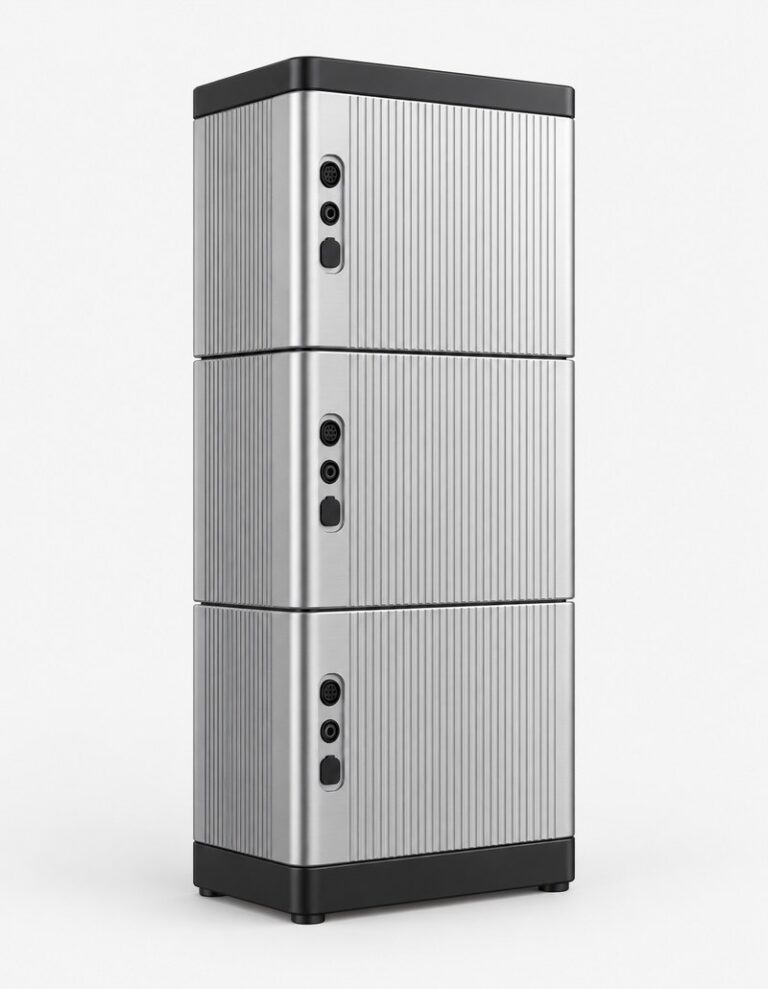
Modular Battery Tower 15kWh
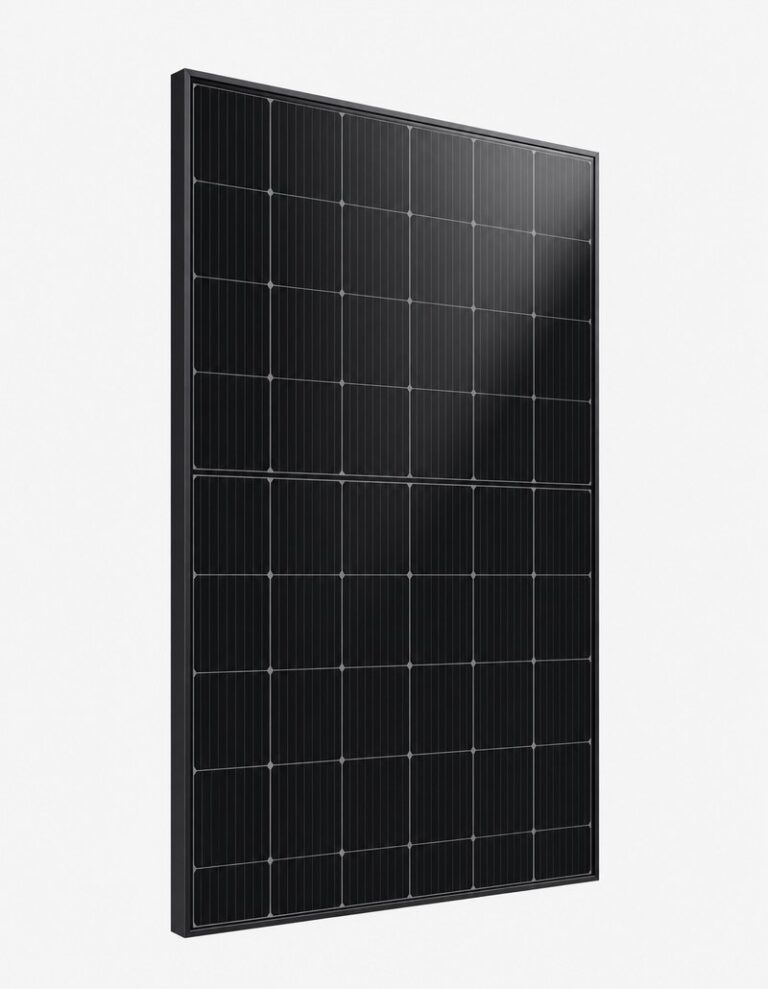
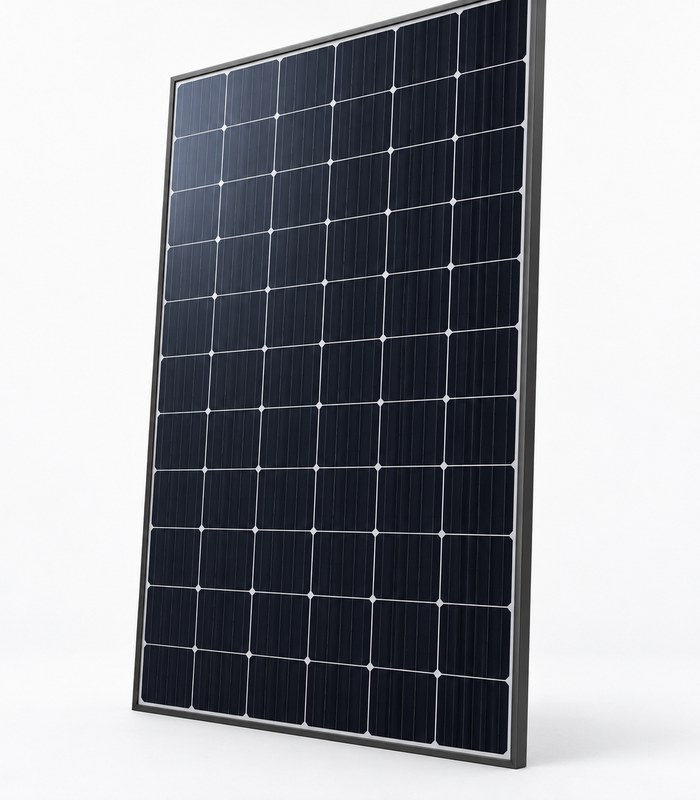
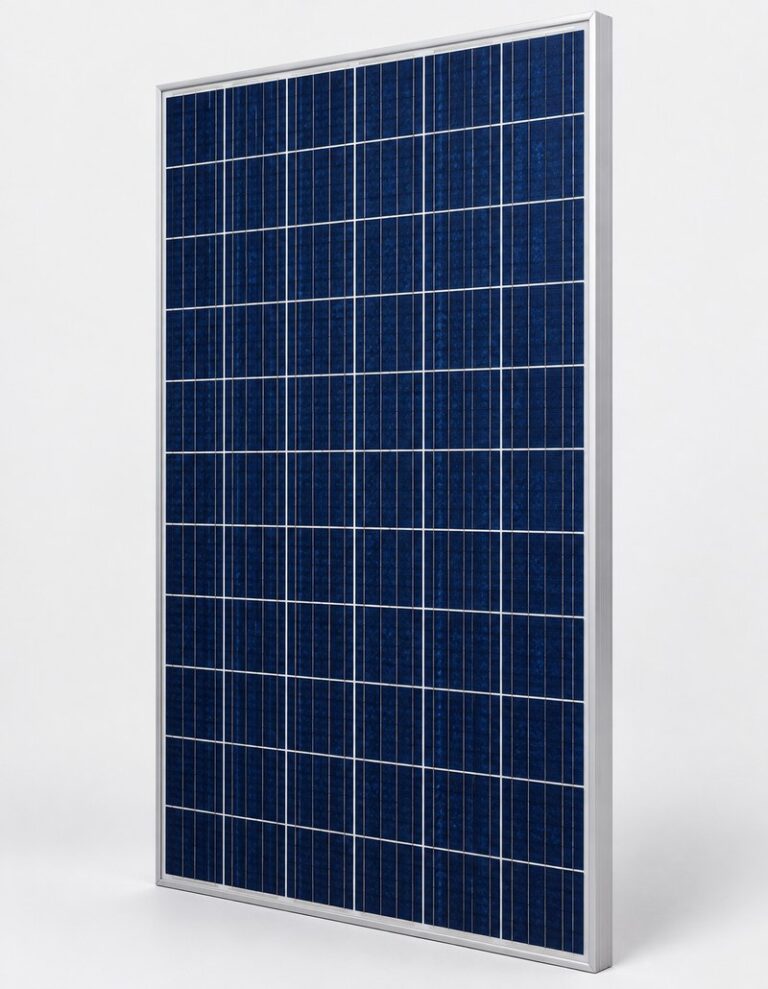
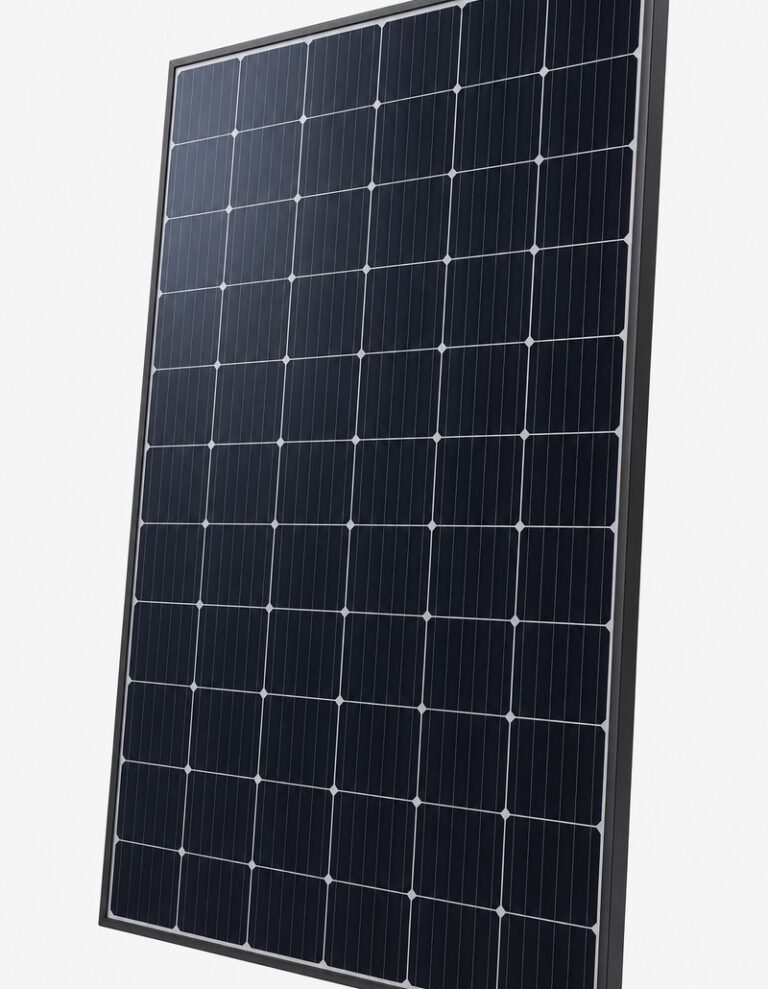
R7,720.00Monocrystalline Solar Panel 450W
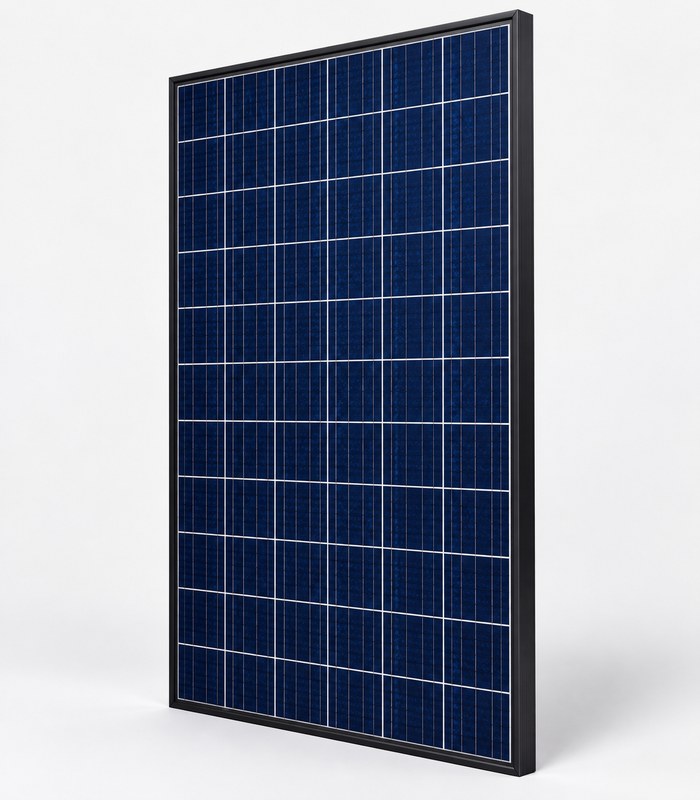
R3,580.00Polycrystalline Solar Panel 400W
R10,780.00Every lithium battery we install has a management system built in, watching temperature, charge level and each cell. This system protects the battery from the mistakes that used to shorten the life of lead acid banks, like running them flat or charging too fast.
What Happens To The Old Battery
We take your old lead acid batteries back when we install new ones and send them for proper recycling. Lithium batteries can be recycled too, though that network is still growing in South Africa.
How Heat Affects Battery Life
Heat is hard on any battery, lead acid or lithium. Keep yours out of direct sun and away from spaces that bake in summer. Cold is less of an issue here, though lithium batteries do charge a touch slower on a cold morning.
Choosing between lithium and lead acid comes down to your budget and how long you want the system to last. Either option works well once it is sized correctly and installed by someone who checks the wiring and ventilation, not just the price tag.