Blog
How we size a solar system
Sizing a solar system properly means matching panels, batteries and inverter to how your home actually uses power, not guessing from a brochure. Get this wrong and you either overspend or run short of power on a cloudy day.
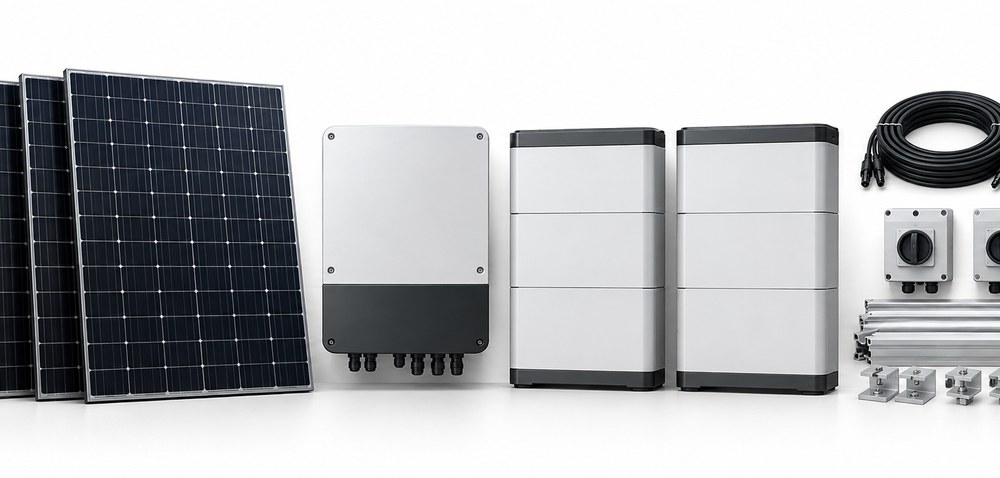
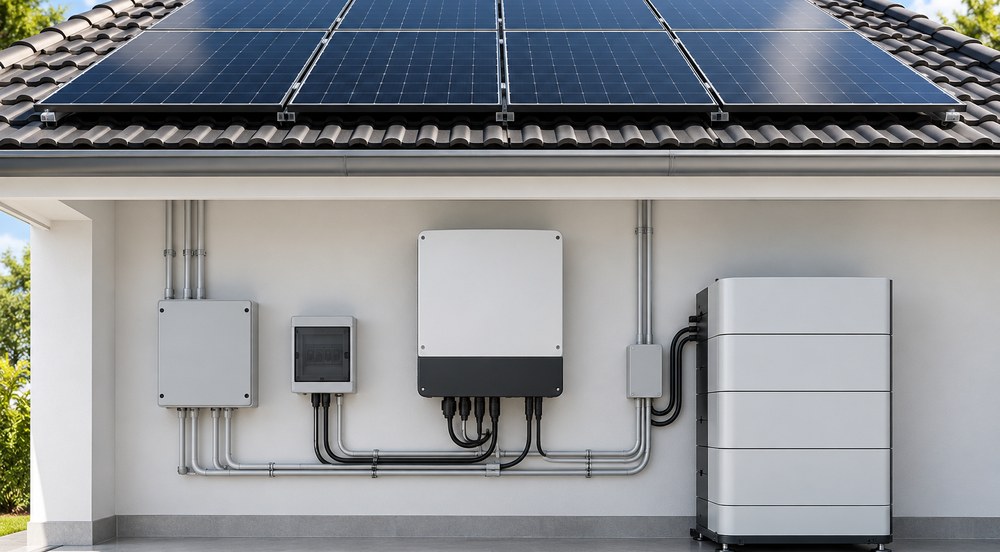
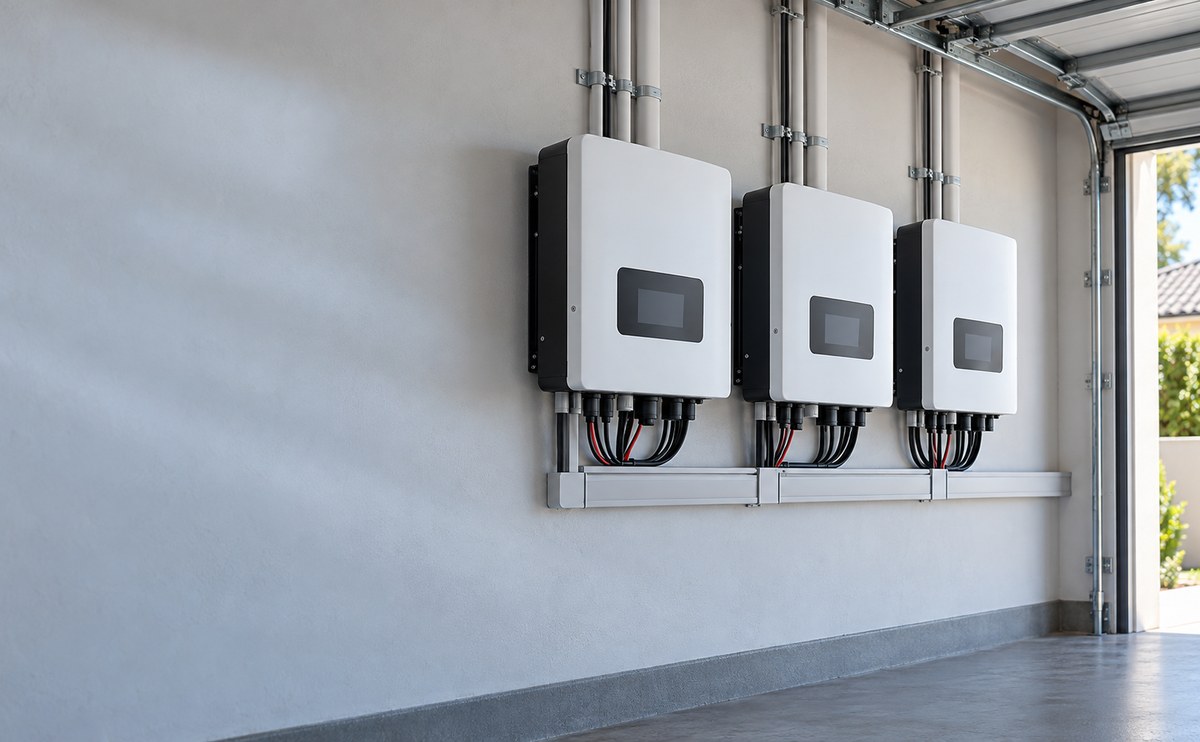
We start with your monthly usage from your bill, then look at your roof, your appliances and how much backup you want during an outage. From there we size the inverter, the battery bank and the panel array to match.
Your Usage
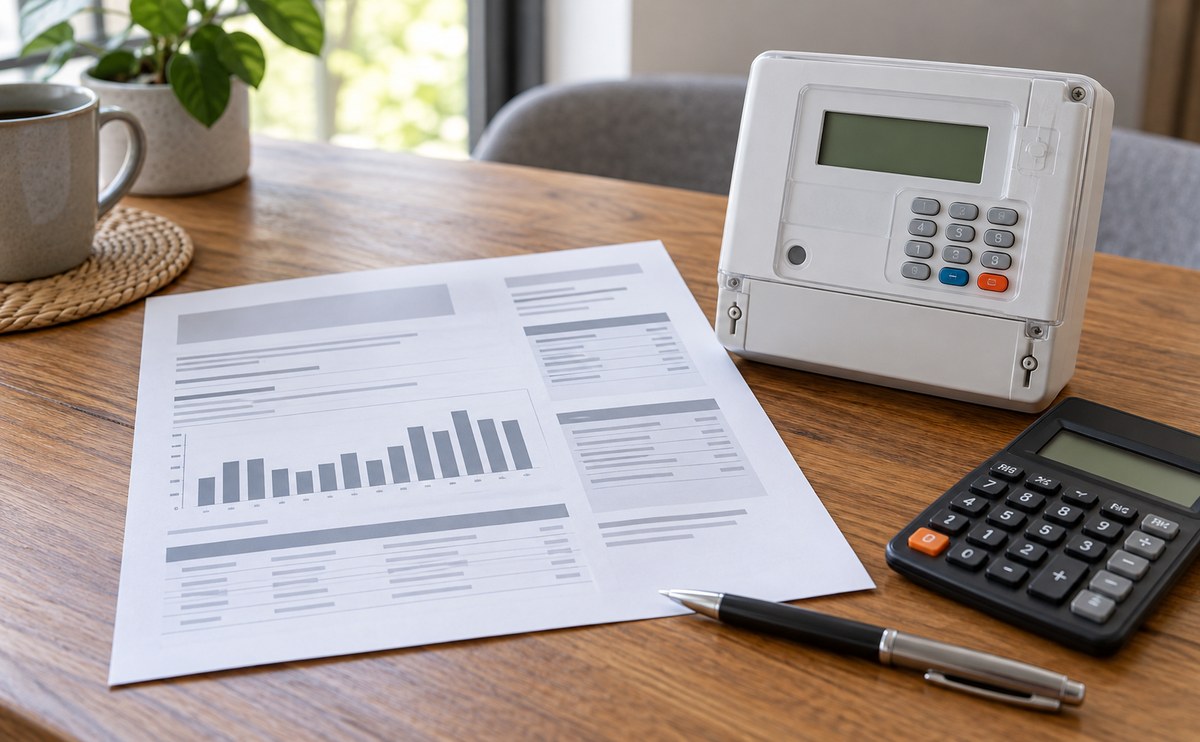
We ask for twelve months of bills so we can see your real average, not just one good month. Winter heating and pool pumps push usage up, so we size for the higher months. Your average daily usage in kWh tells us how big the battery and inverter need to be, and how many panels will cover your days without sun.
Roof Space
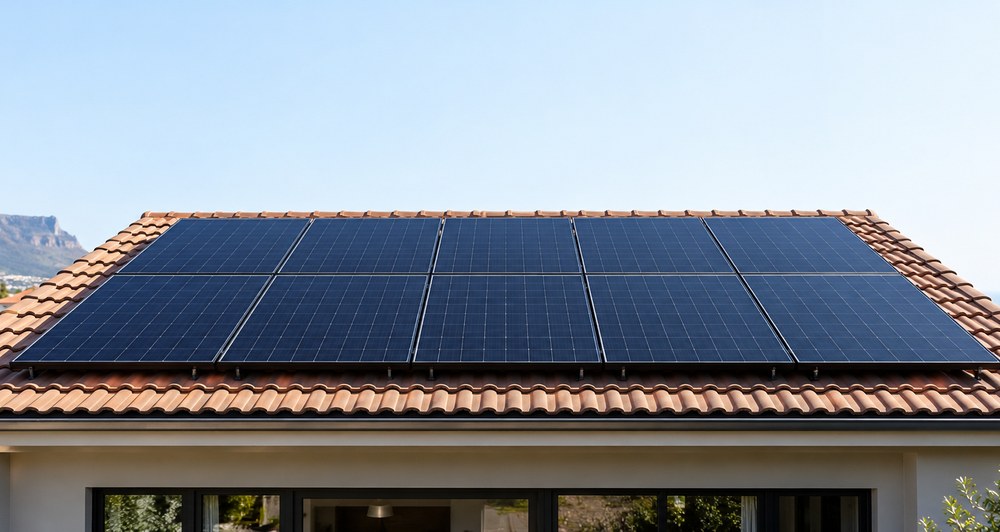
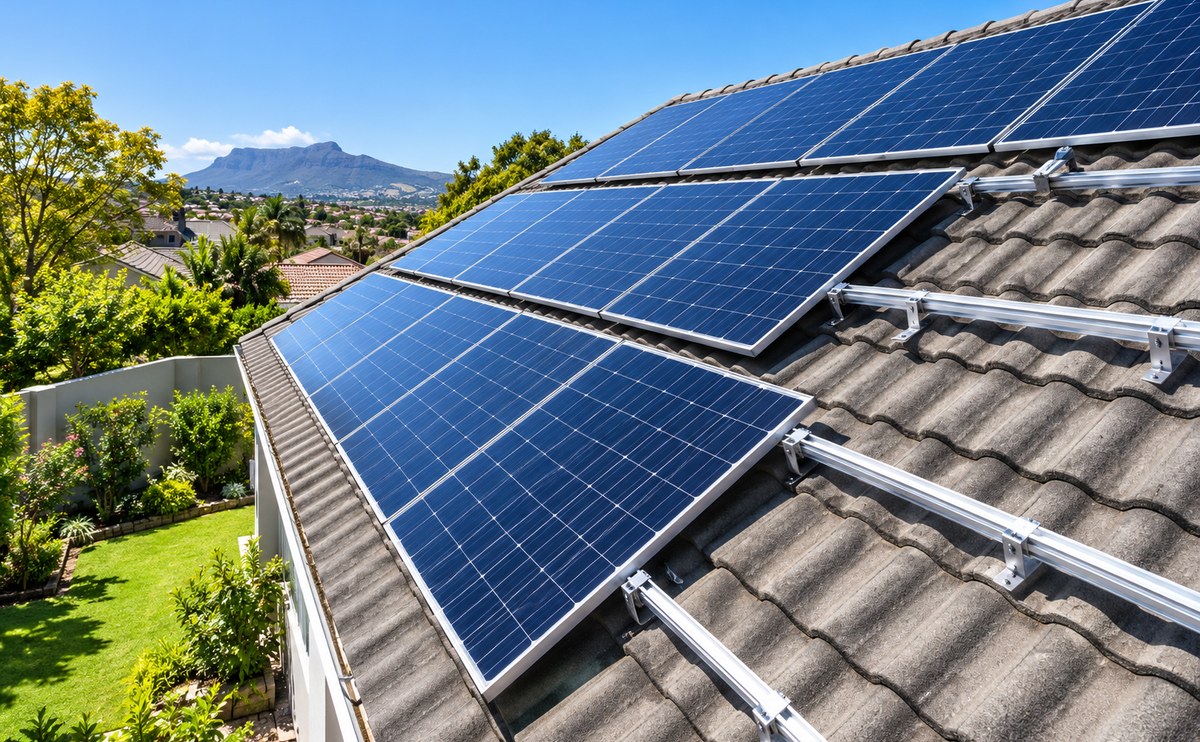
Next we check your roof. North facing roof space with little shade is worth more than a bigger roof with trees or a chimney in the way. Panel orientation and the angle of your roof change how much power you actually get, so we measure before we quote, not after.
Backup Needs
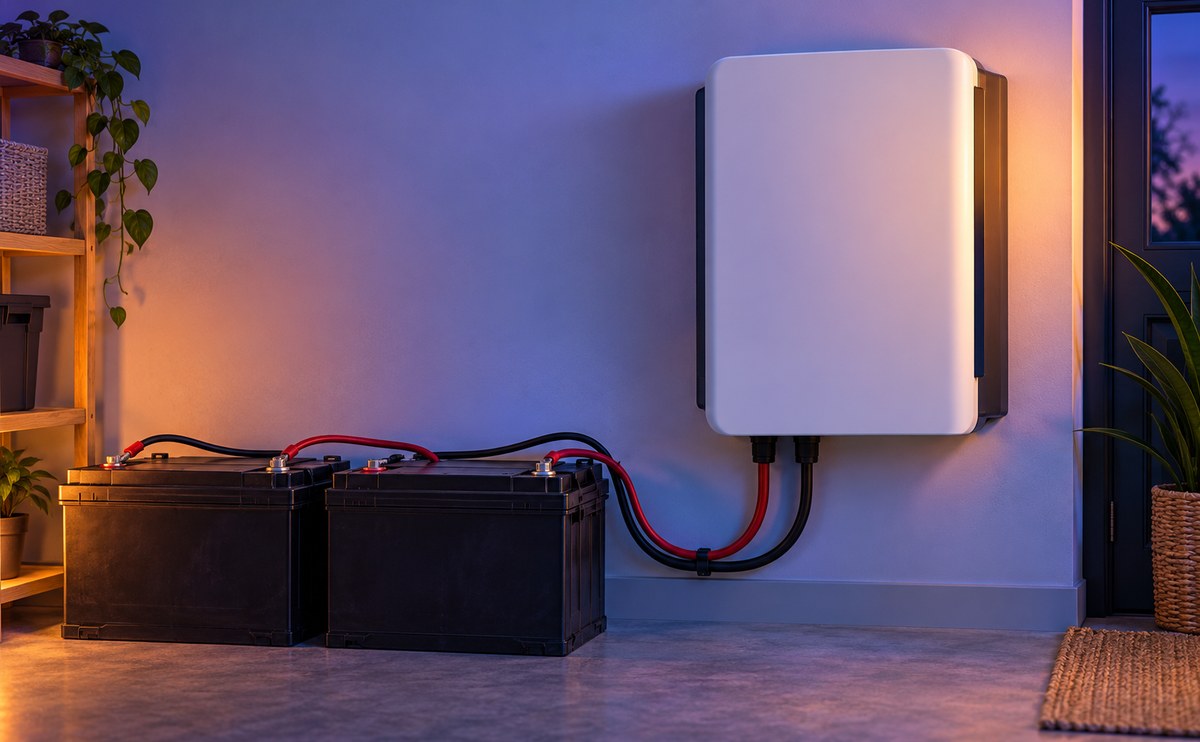
Then we talk about what must stay on when the power is out. Fridges, Wi-Fi, lights and a few plugs need far less battery than a house that also wants to run a stove or aircon. We size the battery bank around the hours you want covered, not around what sounds impressive on paper.
Cursus aliquam
Once we know usage, roof space and backup needs, we draw up two or three options at different budgets. Every quote shows the payback period in plain numbers, so you can see what you get for what you spend, and where it makes sense to start smaller and add on later.
No two homes size the same way, even on the same street. A west facing roof with afternoon shade and angle losses needs more panels than a roof with full open sun. We would rather quote what matches your roof than sell a standard package, and we show how to add more later if your budget is tight now.