
Blog
Inverters explained without the jargon
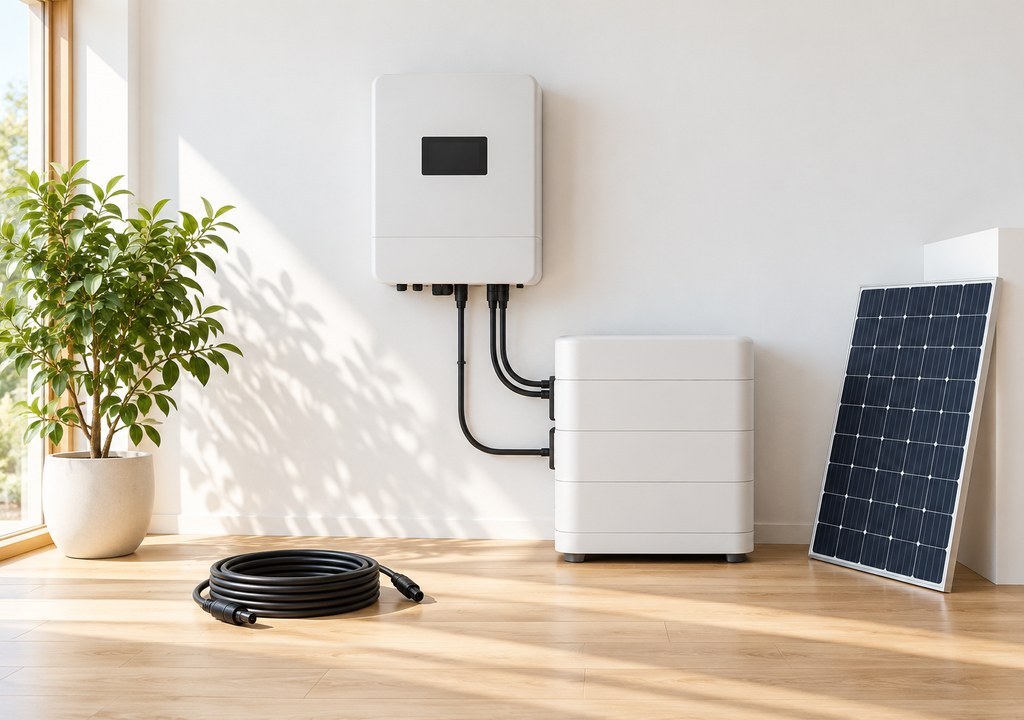
An inverter takes the DC power from your panels and batteries and turns it into the AC power your plugs and lights use. Get the size wrong and the kettle trips the system. Get it right and you barely notice it is there.
Every inverter does three jobs: convert power, manage the battery, and choose where the power comes from. Once you know that, the spec sheet stops being a wall of numbers.
How It Works
You will see kVA and kW on the box, and they are not quite the same thing. kW is the real power your appliances use. kVA includes a bit extra for motors and compressors that need a kick to start, like a fridge or a borehole pump.
Pure sine wave is the other term worth knowing. It means clean, steady power, the same as what comes from the grid. Cheaper modified wave units run lights and a kettle fine but struggle with sensitive electronics and some motors.
Your Options
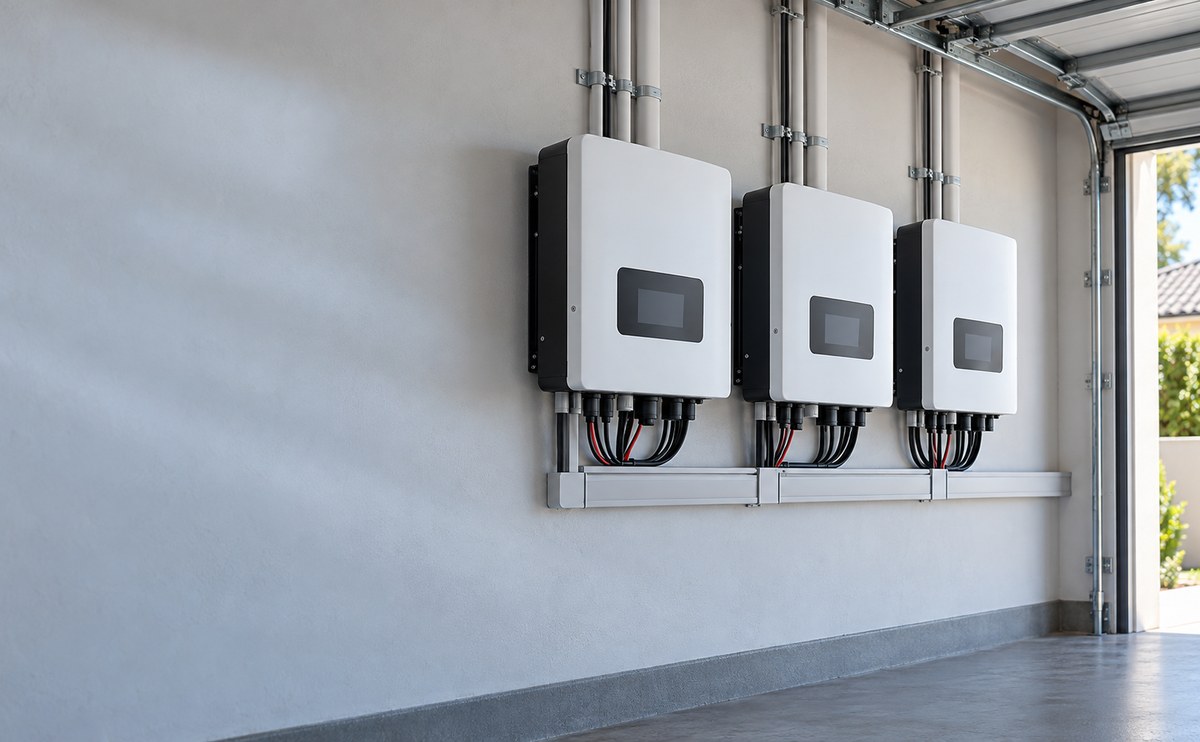
Where you mount the inverter matters too. It needs a cool, dry, ventilated spot, away from direct sun and rain. Keep it close to the battery bank to cut cable losses, and leave space around it so our technicians can service it easily.
Still not sure which inverter suits your home? Send us your average monthly usage and a note on what you want to keep running during an outage, and we will work out the right size and type for you.
71 Pilgrim Avenue
Chevy Chase,
MD 20815