Inspiration

Load shedding and what backup really costs

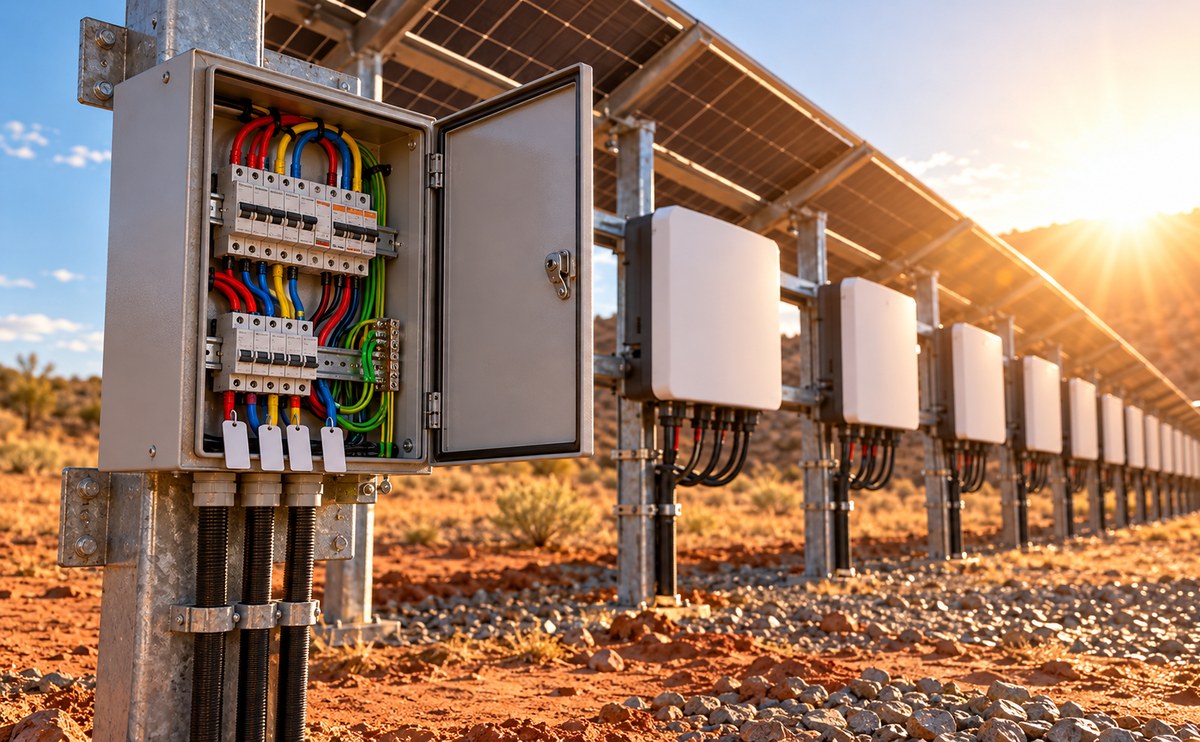
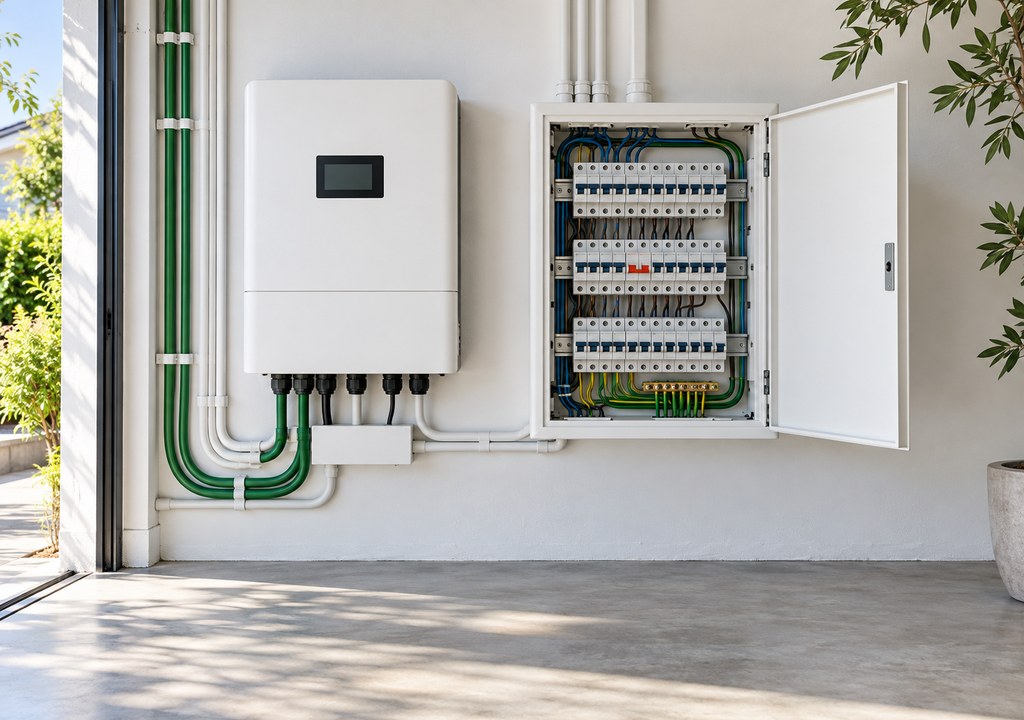
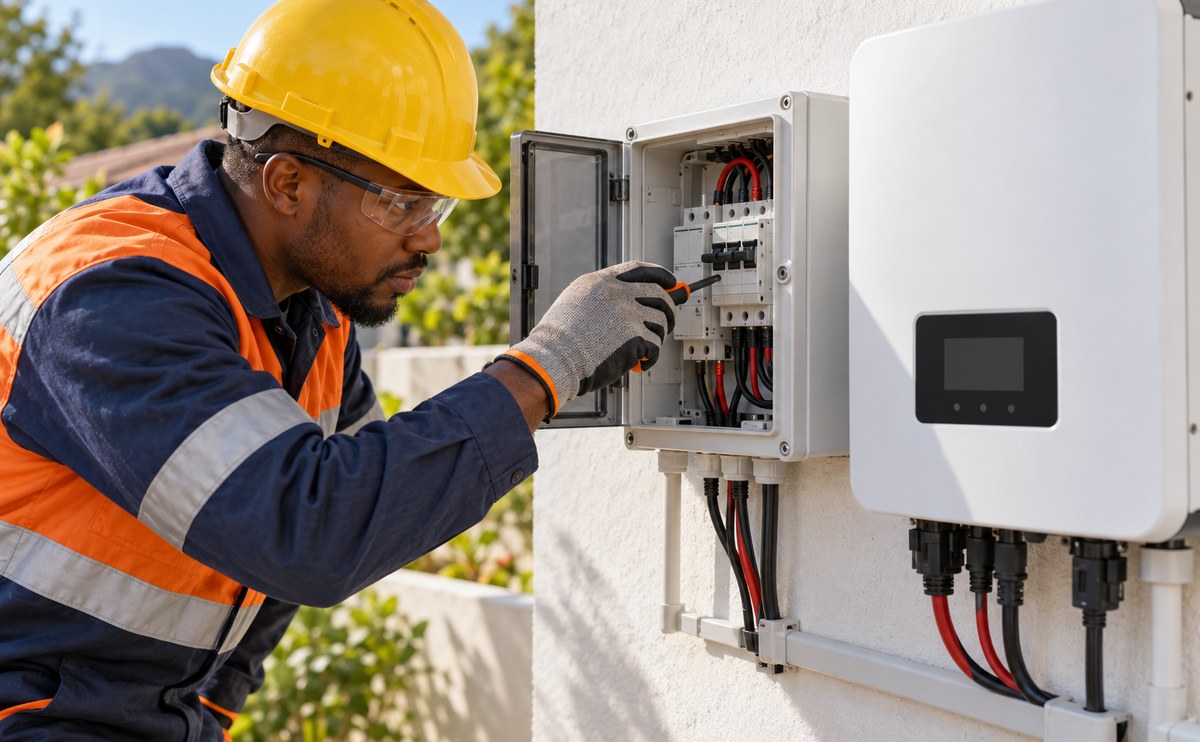
Open electrical combiner box with colour-coded wiring and unbranded inverters mounted under solar panels

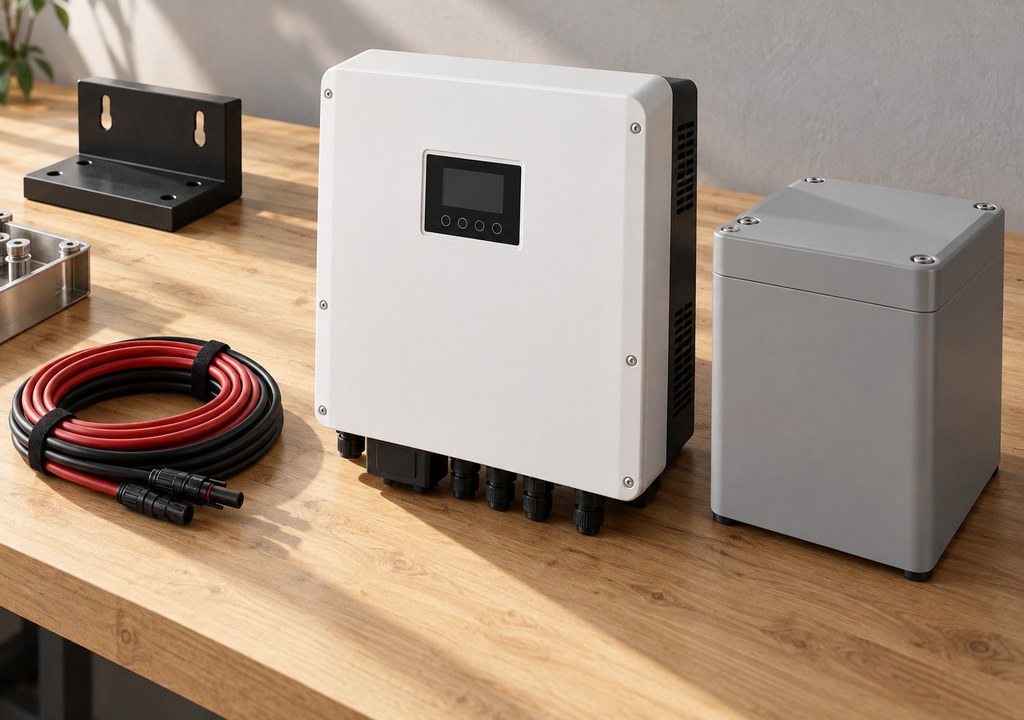
Load shedding sounds free once the lights go off, but backup power costs money every month. You pay for batteries, inverters, cabling and the inverter that keeps charging between outages. The real cost is not the panel, it is keeping enough stored charge for the hours you actually need.

Work out your load first. A fridge and lights need far less battery than a geyser or pool pump.

What It Really Costs

Add up spoiled food, lost work hours and fuel costs over one month.

EVENT INFO

“Backup Power Open Day” @Sunveld Showroom
Unit 4, Tygervalley Business Park, Cape Town
14 to 16 May, 09:00 to 16:00

Stage 4 for an hour is manageable. Stage 6 for a whole evening is a different story.

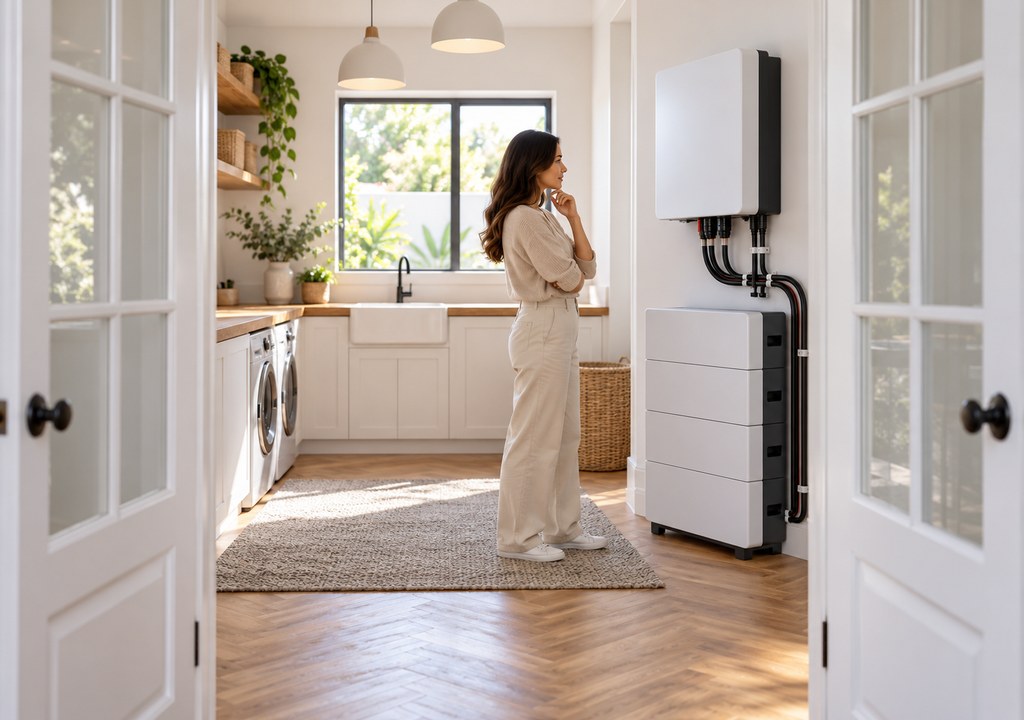
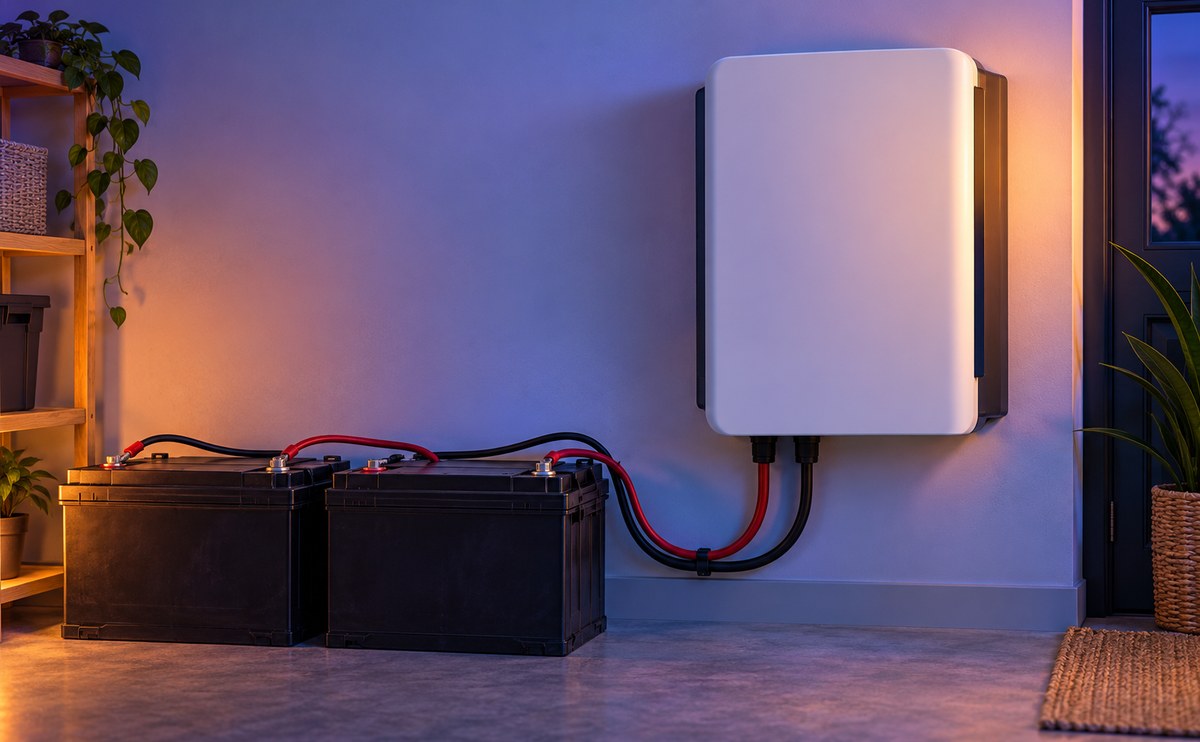
Diesel generators are noisy, need fuel runs, and cannot sit inside. A battery and inverter system switches over in seconds, runs quietly, and tops up from the grid or your panels whenever power is back, so you are not standing in a queue for diesel every week.

Generator Or Battery

A lot of people buy backup power during a bad week of load shedding and regret the size they chose once the stage drops and life goes back to normal. We would rather talk you through the real pattern in your area first.

Buy for the worst week you have had this year, not the best one. You can always add a panel or a battery later, but it is hard to shrink a system once it is installed.

Leave a Reply

Your email address will not be published. Required fields are marked *