Decoration

Wireless charging, the honest version
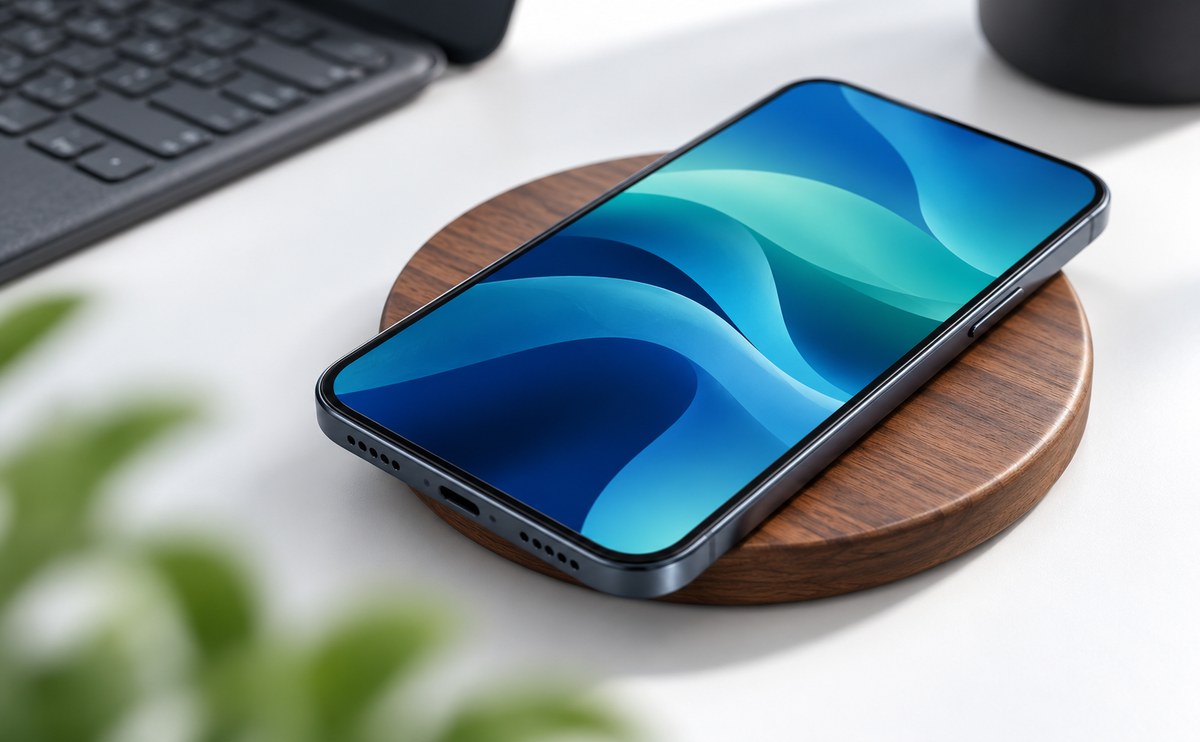
Smartphone with a neutral colourful wallpaper charging on a round wooden wireless charging pad on a white desk

Wireless charging feels like magic the first time you use it, but it is slower than a cable and it only works if the phone and the pad line up properly. If your phone slips even a little off centre on the pad, charging slows down or stops without any warning.

Habitant leo

MagSafe changed this a bit, because the magnets snap the phone into the right spot every time. That is the main reason it charges faster and more reliably than a basic wireless pad.

If you have an iPhone 12 or newer, a MagSafe charger is worth the extra over a generic pad. Older phones and most Android phones do not get that benefit, so a normal wireless charger or even a cable will serve you just as well.

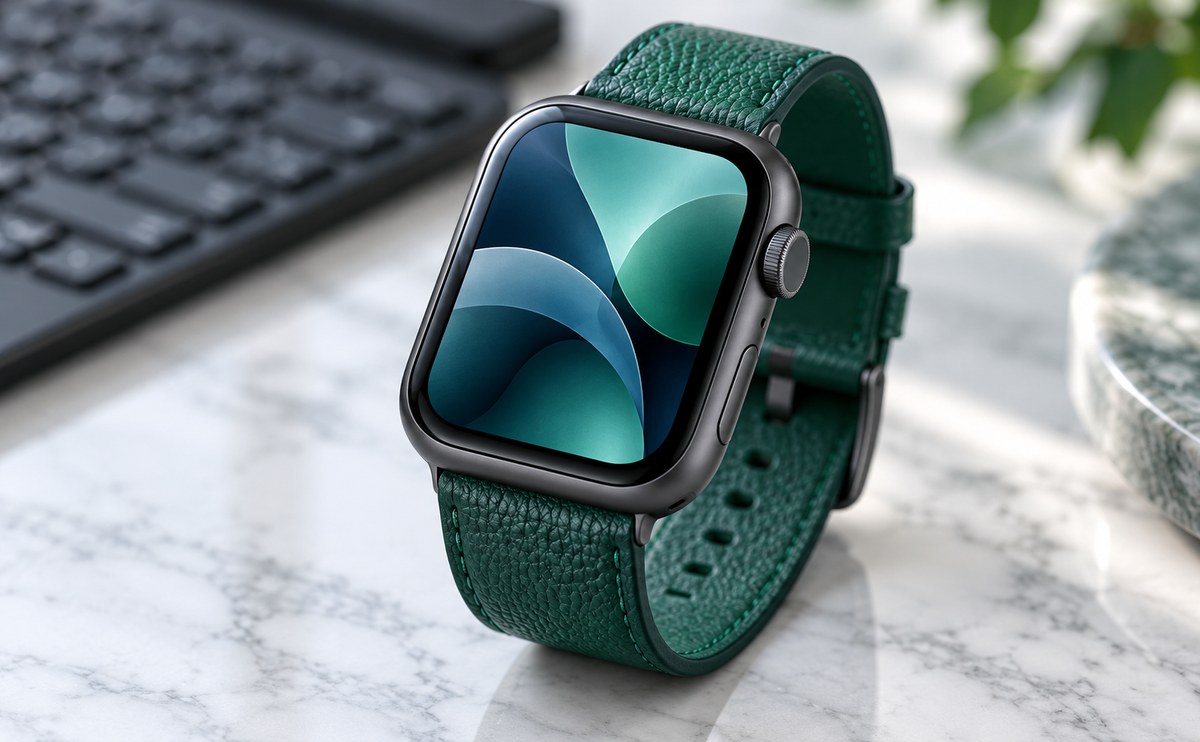
Smartwatch with a green textured leather strap on a light desk, close-up angled view

Wireless charging also runs hotter than plugging in directly, and heat is what wears down a battery over time. If you charge overnight, a cable is still the gentler option for your phone's long term health.

Where wireless really earns its place is on a desk or nightstand, where you can just set the phone down without fumbling for a cable in the dark. For quick top ups during the day though, a cable will always win on speed.

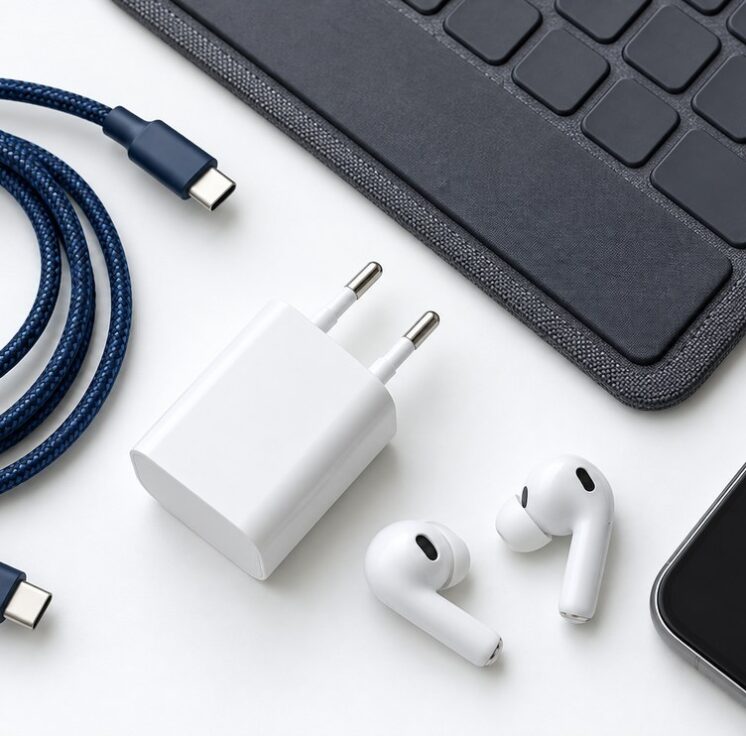
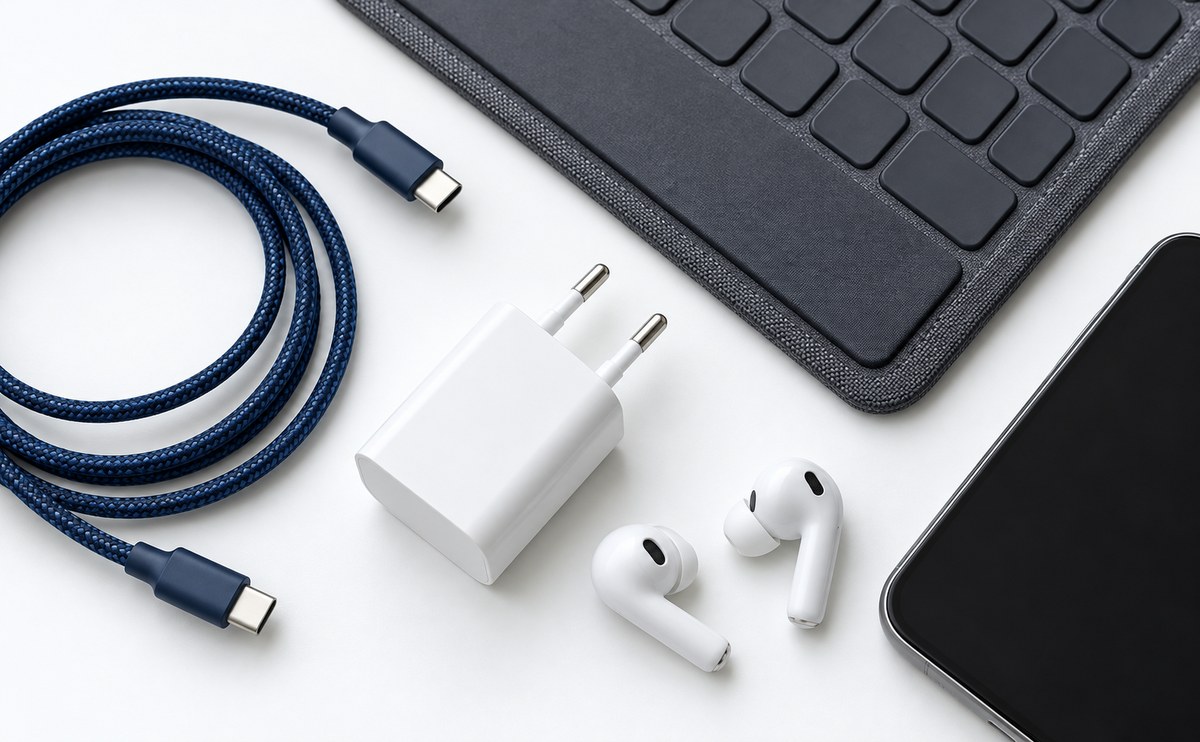
Close-up top-down flatlay of a braided USB-C charging cable, wall adapter and wireless earbuds on a white desk

We get asked often if wireless charging damages your phone. It does not, as long as you use a charger built for your phone's wattage and keep the case thin enough for the pad to work through.

Wireless charging is convenient, not necessarily faster, and that is fine once you know what to expect.

Thick cases, especially ones with cards or a wallet built in, can block the connection entirely. If your wireless charger stops working after a new case, that is usually the reason.

Our honest advice is to use wireless charging for convenience and a cable for speed. Keep a cable in your bag for when you actually need a fast top up before heading out.

Some people believe wireless charging is always the better option because it looks newer and more advanced. True enough that it is newer, but that is not all it takes to make something the right choice for every situation. Pick the method that suits the moment, not just the one that feels most modern.

Hand placing a smartphone in a protective case on a round wooden wireless charging pad on a white desk beside a laptop

The Trade-off

Wireless charging suits a desk, a car mount, or a nightstand, places where you put the phone down and leave it a while. It does not suit someone who needs eighty percent battery in ten minutes before running out the door.

That is the real test when choosing a charger: not what looks impressive in a shop, but what matches how you actually use your phone during the day. Most people need both a cable for speed and a pad for convenience, not one instead of the other.

If you are buying your first wireless charger, start with a basic 15W pad for your desk at home and keep your current cable for everywhere else. There is no need to replace a cable that already works well.

Come through to Hoesbox and we can show you the difference between a cheap pad and a proper one, side by side, before you spend anything on either.

Leave a Reply

Your email address will not be published. Required fields are marked *