Decoration

Grid tied, hybrid or off grid

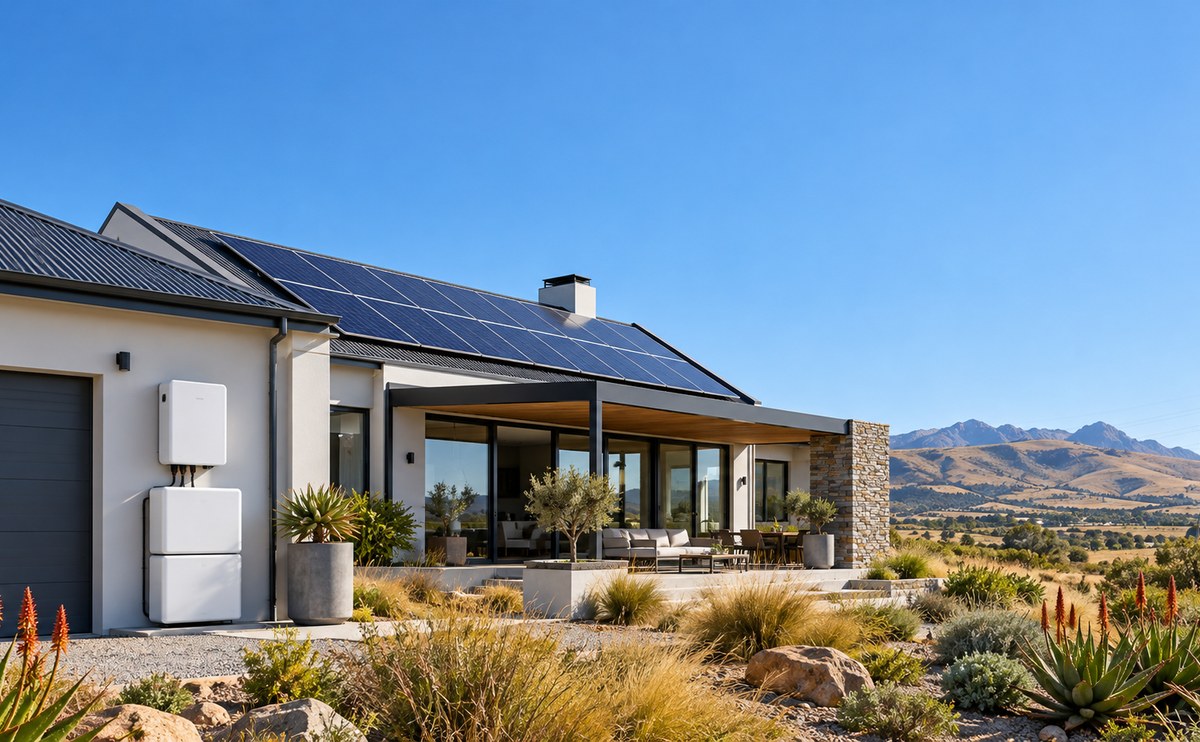
Modern South African house with rooftop solar panels, a hybrid inverter and battery on the garage wall, and a pylon in t

When people ask us about solar, the real question is how much backup they need and how much grid power they still want to use. Grid tied systems feed power back to Eskom but switch off in an outage. Hybrid and off grid systems keep your lights on when the grid goes down.

Habitant leo

Grid tied is the cheapest way in. Off grid gives you full independence. Hybrid sits between the two.

Most homes we fit go hybrid. You stay connected to the grid for cloudy days but your battery carries you through load shedding and outages. It is the easiest system to size and the easiest to grow later.

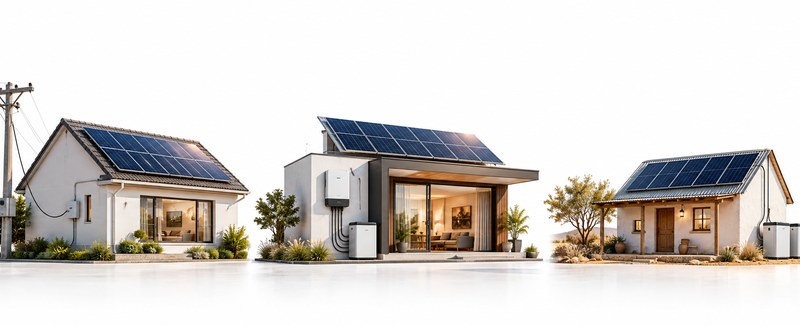
wide studio scene comparing grid-tied, hybrid and off-grid solar power setups using unbranded panels, inverter, batterie

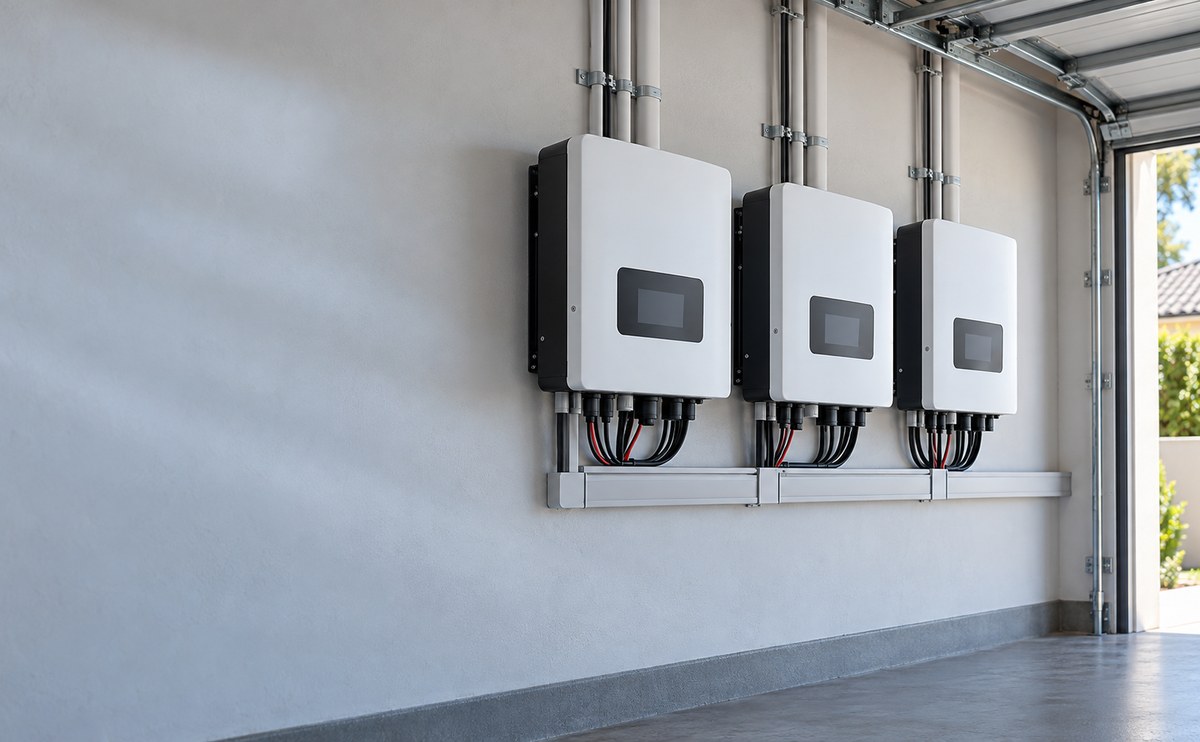
Grid tied inverters like our 5kW model are the cheapest option if load shedding is not your main worry. They push extra power back to the grid and lower your bill, but they shut down the moment Eskom does.

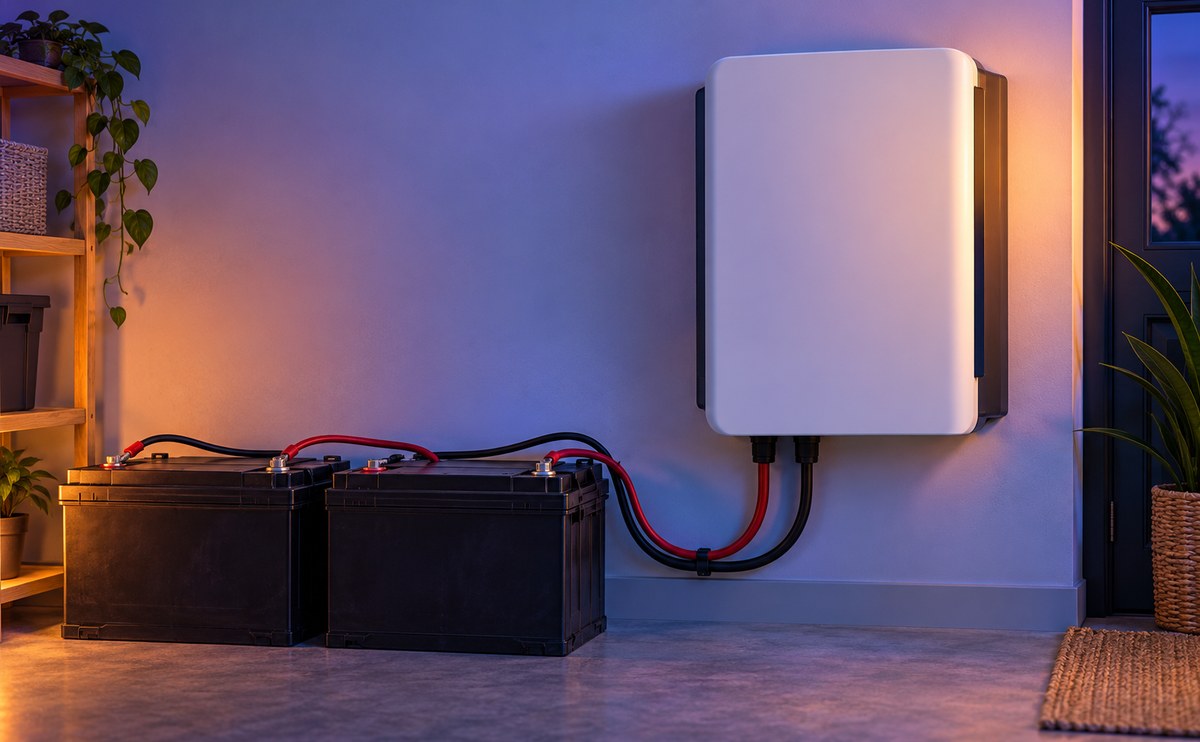
Off grid means no Eskom connection at all. You need bigger batteries and panels to cover every cloudy day, so it costs more but never depends on the grid.

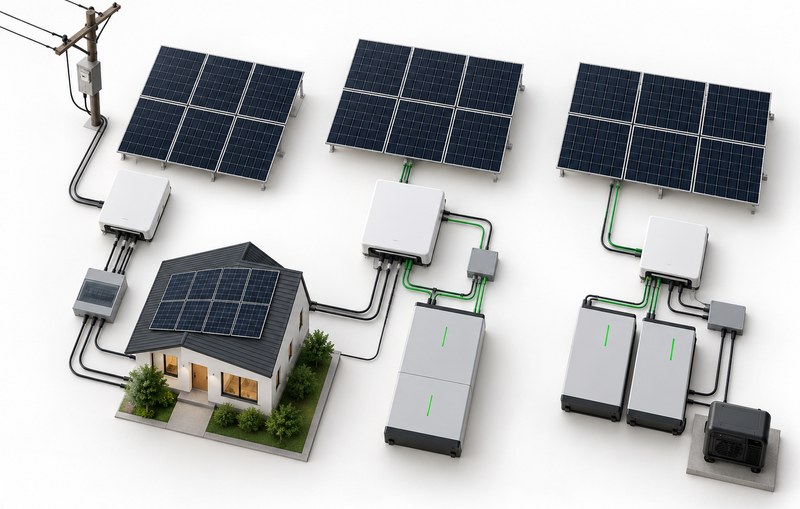
top-down modular flatlay of solar panels, inverter, battery storage, grid connection and home model illustrating solar s

Hybrid inverters, like our 5kW and 8kW units, are the middle ground most Sunveld customers choose. You keep grid power as backup and let the battery carry the house.

If you are not sure which way to go, hybrid is almost always the safer first system.

You can still add more panels or battery capacity later, so a hybrid system started small does not box you in.

So which one is right for you? Start with your electricity bill and your tolerance for load shedding. If the bill is the pain point, grid tied pays itself back fastest. If the outages are the pain point, hybrid earns its keep from the first dark evening.

Off grid only makes sense when there is no usable grid connection to begin with, or when you want complete independence from Eskom regardless of cost. We walk through your actual usage with you before recommending either direction.

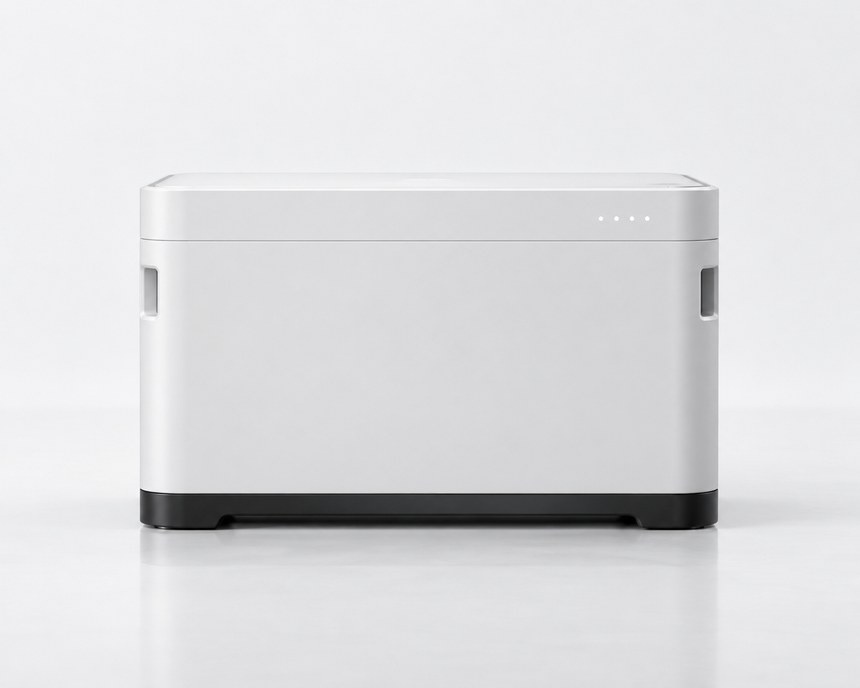
front-on studio product view of a single stackable 5kWh home battery module on a clean white background

Our verdict

Where you live matters too. Areas with long outages do better off grid or hybrid than a straight grid tied setup.

Budget matters too, but so does what you want out of the system load shedding cover, lower bills, or full independence from Eskom.

We walk through your roof, your usage and your outage history before we recommend a setup, so you only pay for what you actually need.

There is no single right answer. Some homes only want to dodge load shedding, others want to cut their Eskom bill every month, and a few want to leave the grid completely.

Tell us what matters most to you and we will tell you honestly whether grid tied, hybrid or off grid is the right fit.

Leave a Reply

Your email address will not be published. Required fields are marked *