Blog
What your roof needs to carry panels
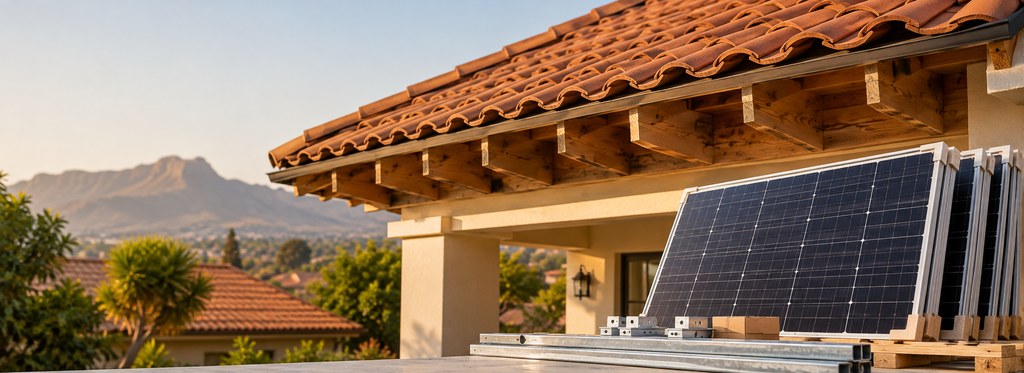
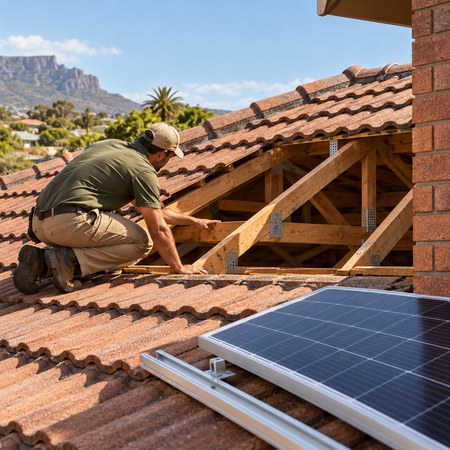
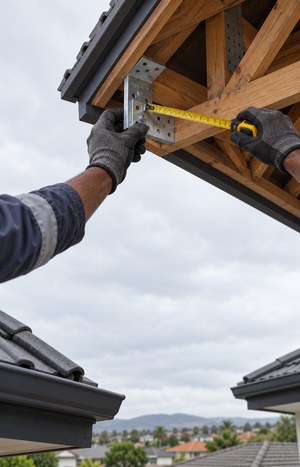
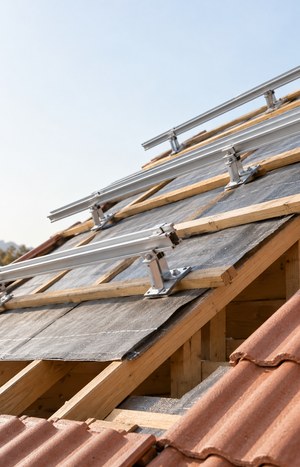
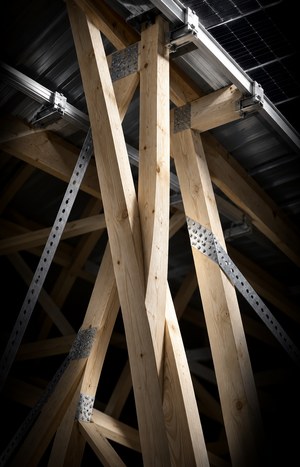
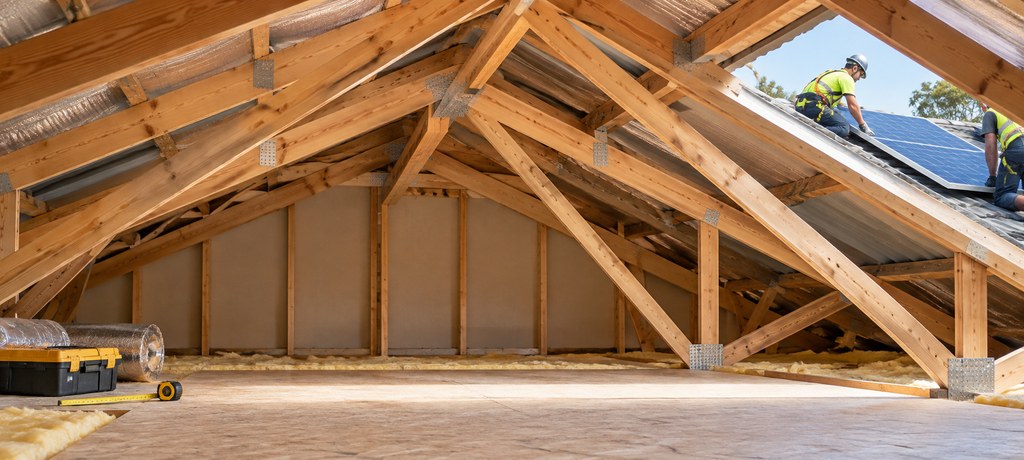
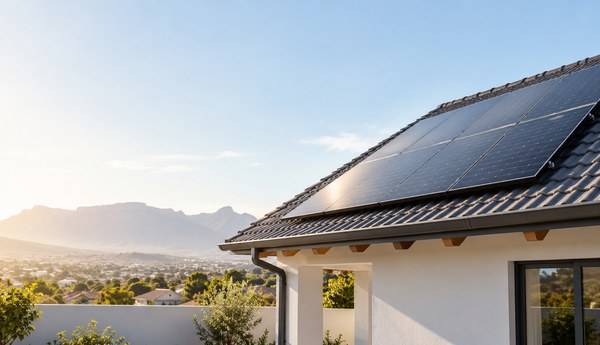
Before panels go up we check the roof itself. Rafters, trusses and battens need to carry the extra weight of panels, rails and clamps, so we look for rot, rust or sagging timber first. Weak sections get strengthened before we mount anything.
Pitch and direction matter too. A north facing roof between fifteen and thirty five degrees gets the best yield. Flat concrete roofs need a tilted frame instead.
ACCESSORIES
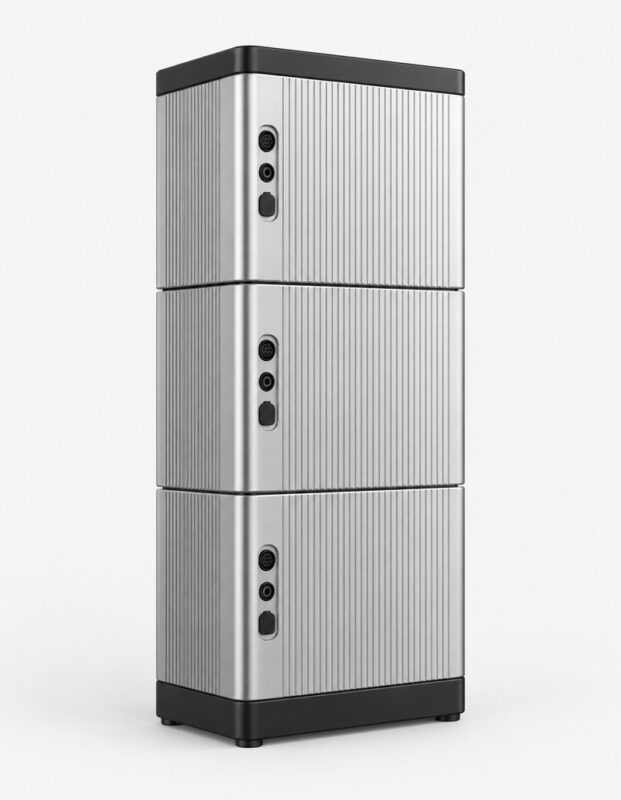
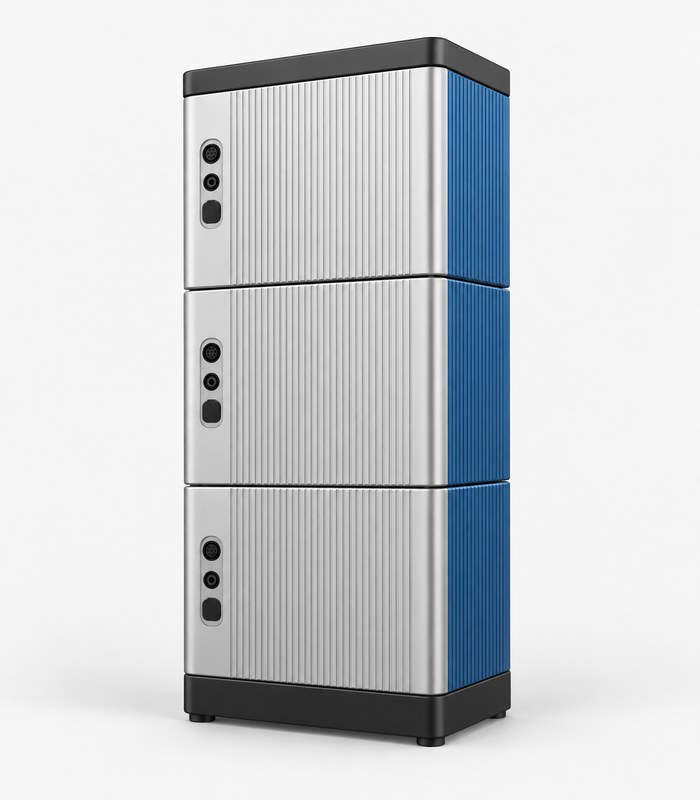
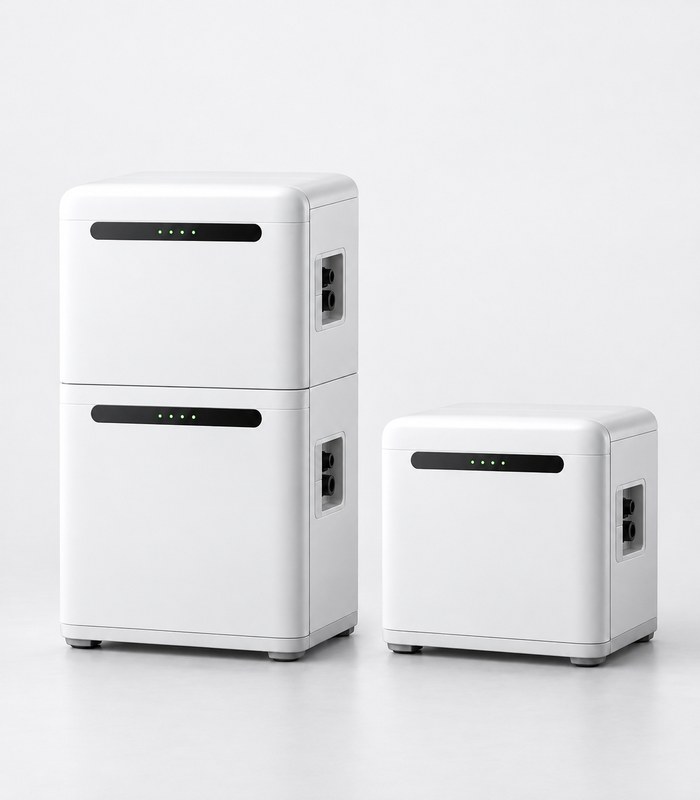
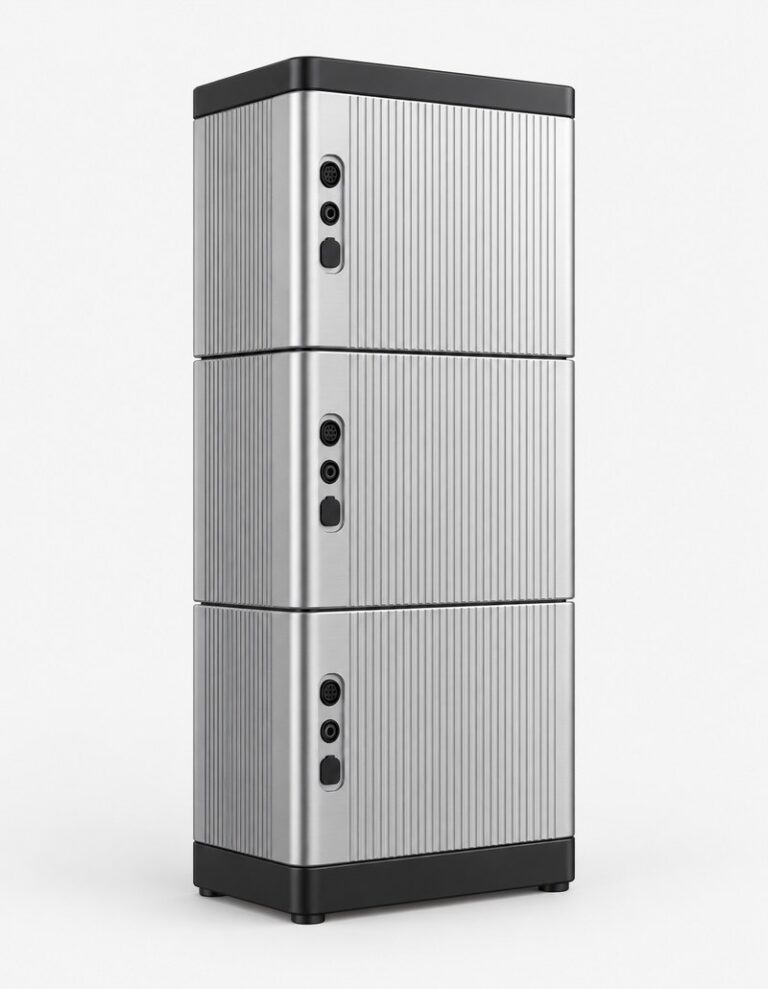
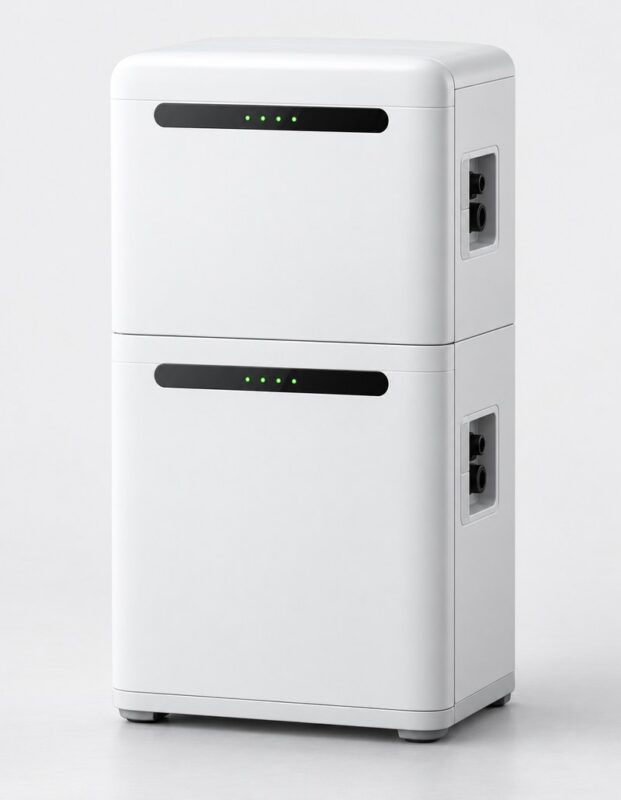
Modular Battery Tower 15kWh
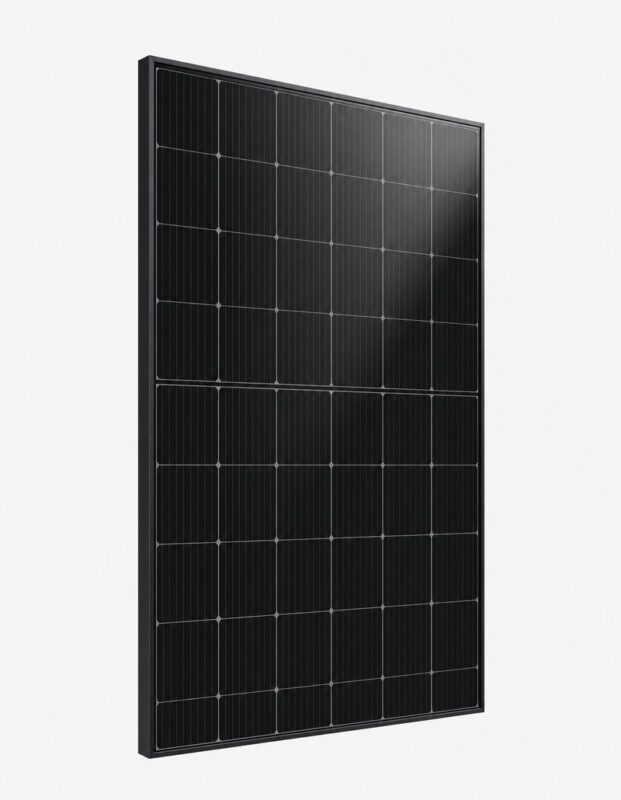
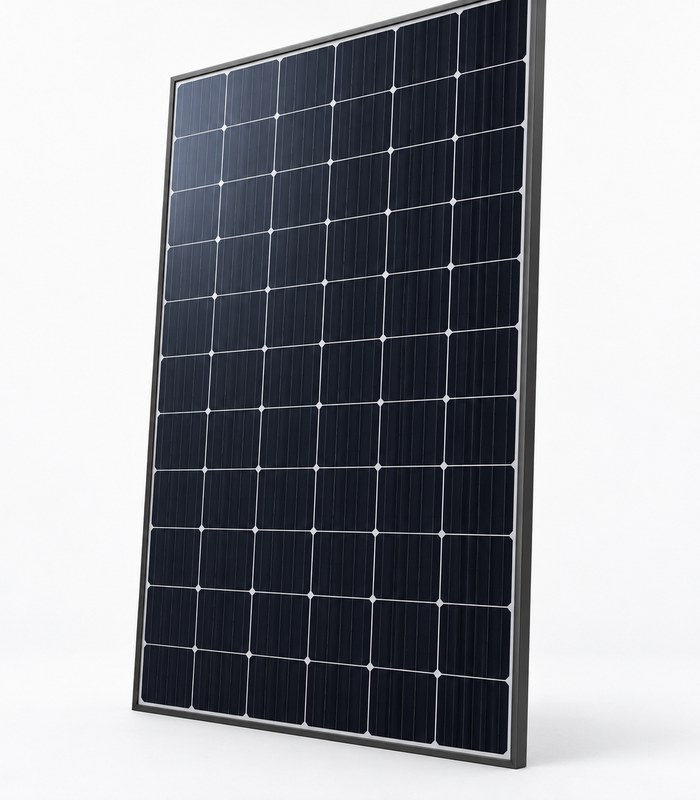
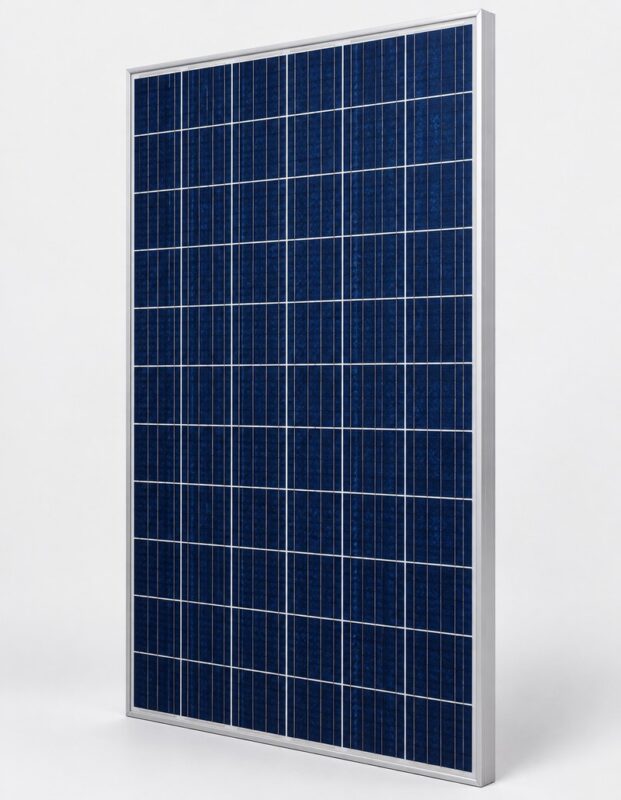
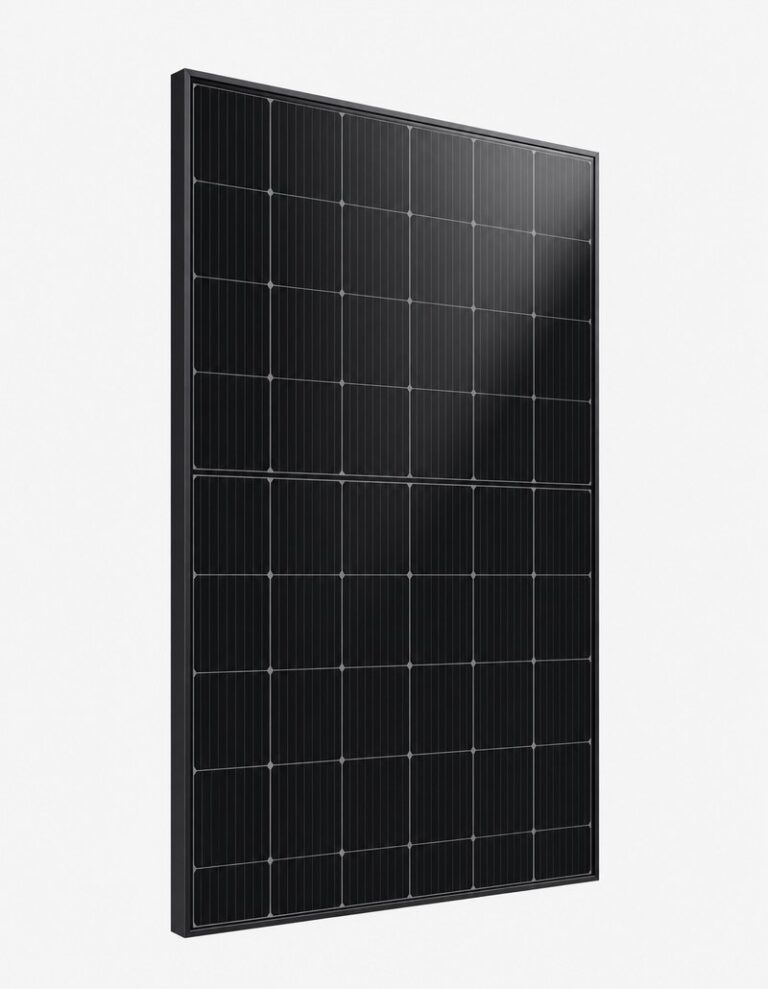
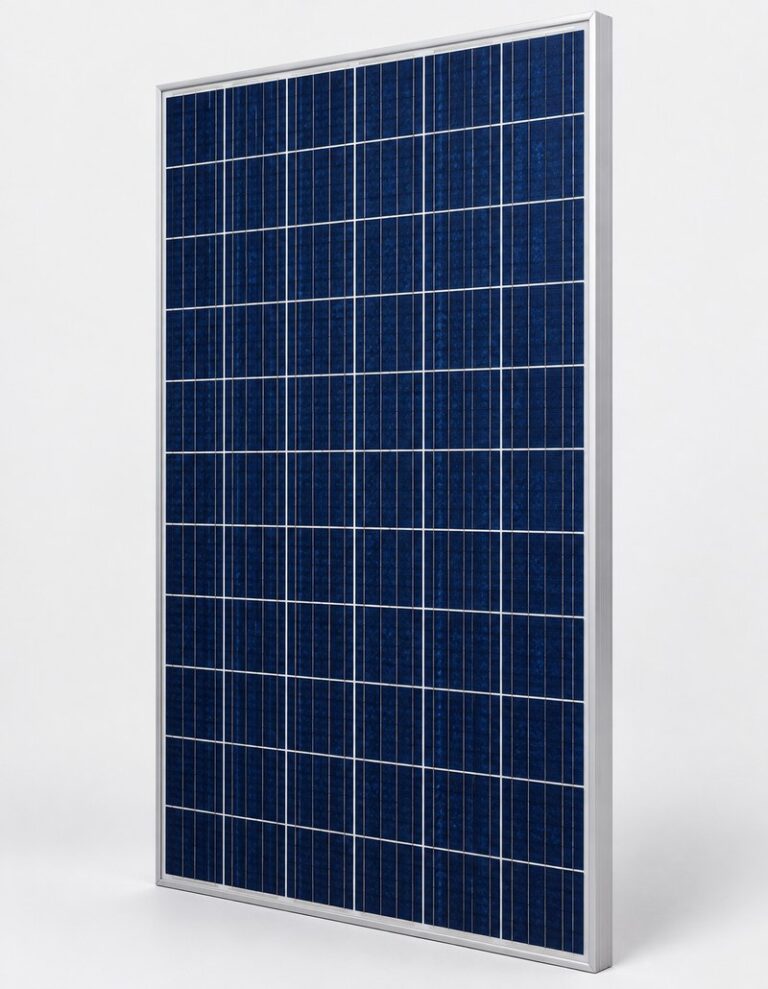
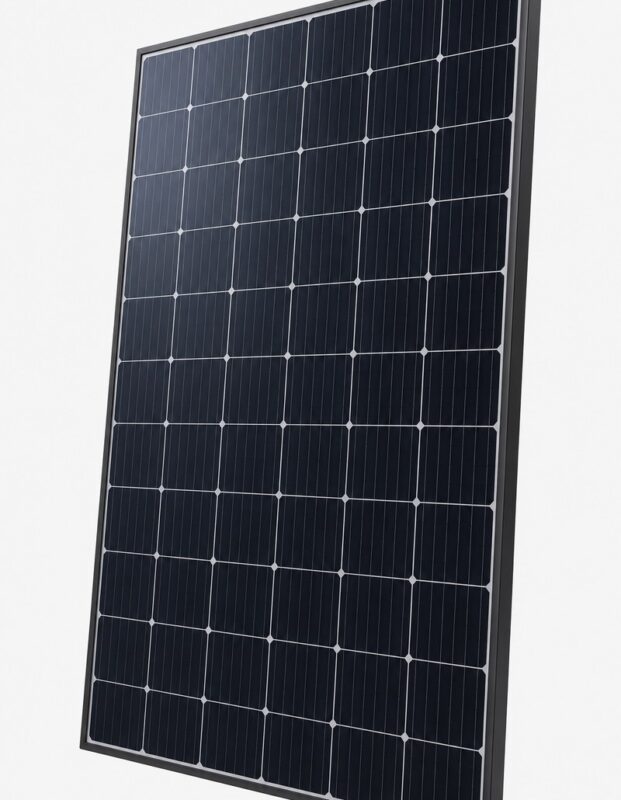
R7,720.00Monocrystalline Solar Panel 450W
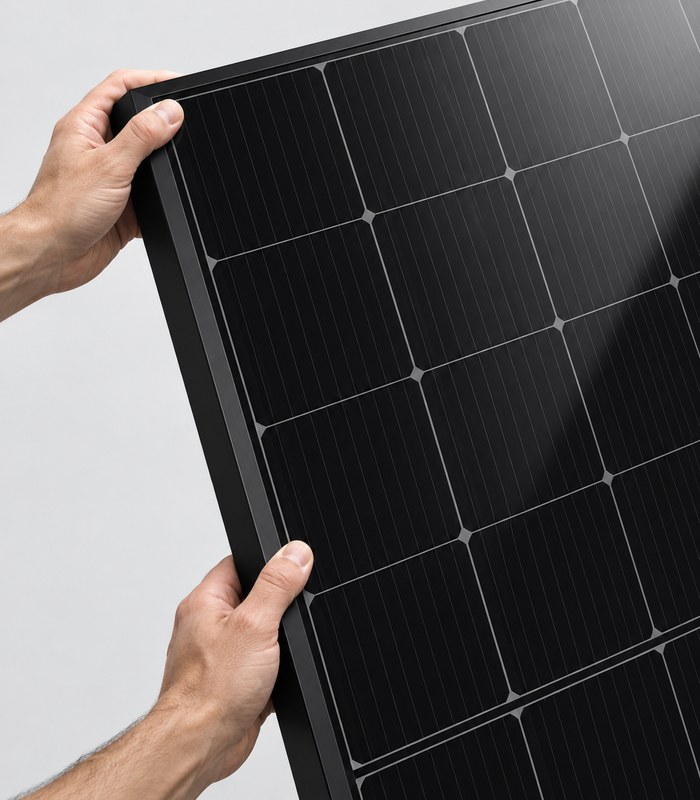
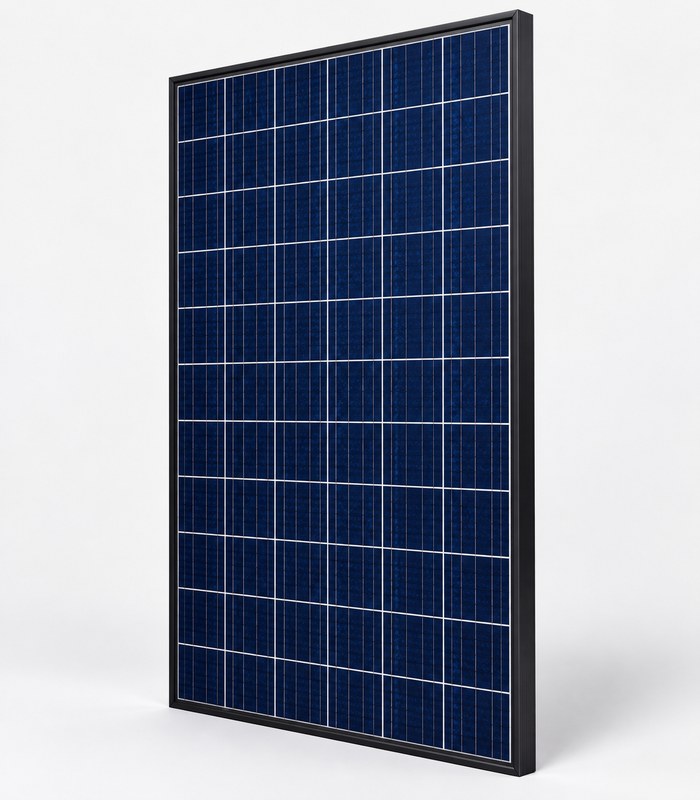
R3,580.00Polycrystalline Solar Panel 400W
R10,780.00
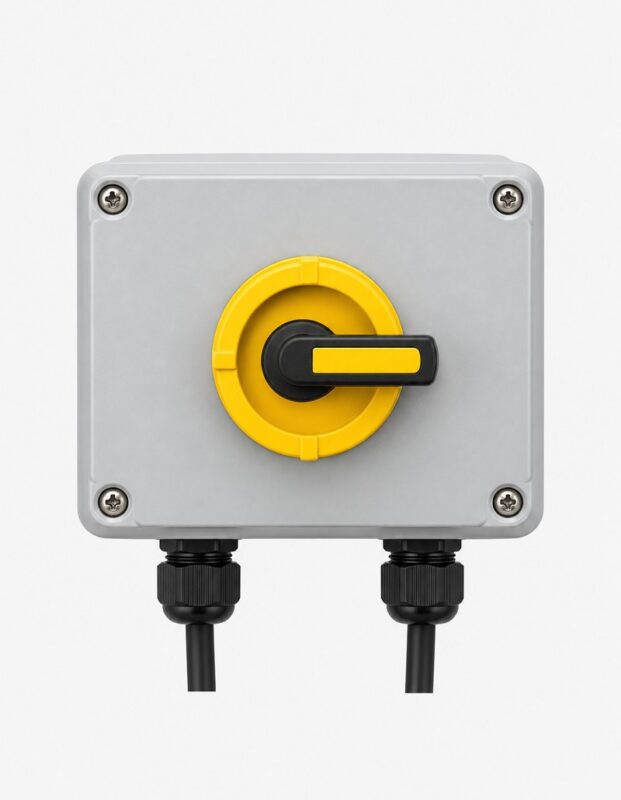
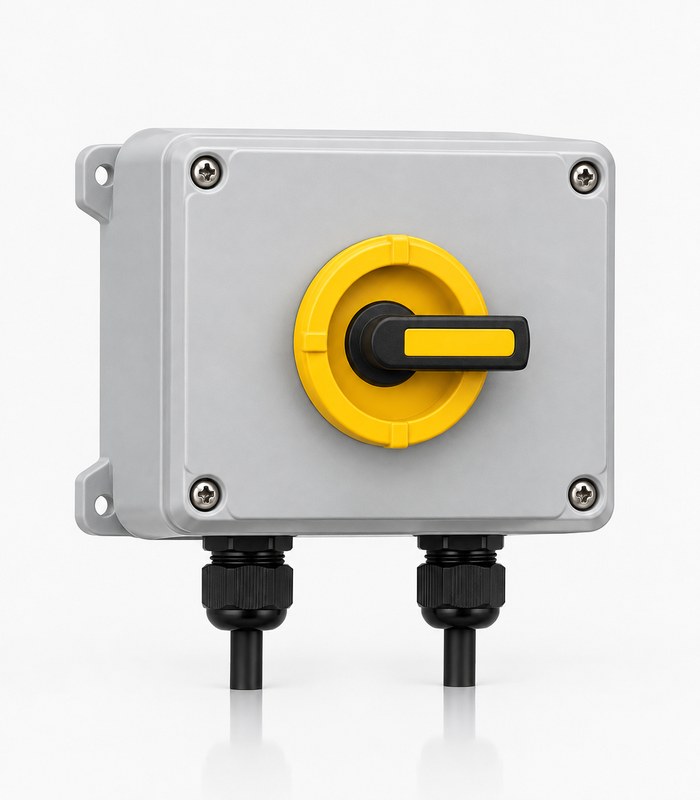
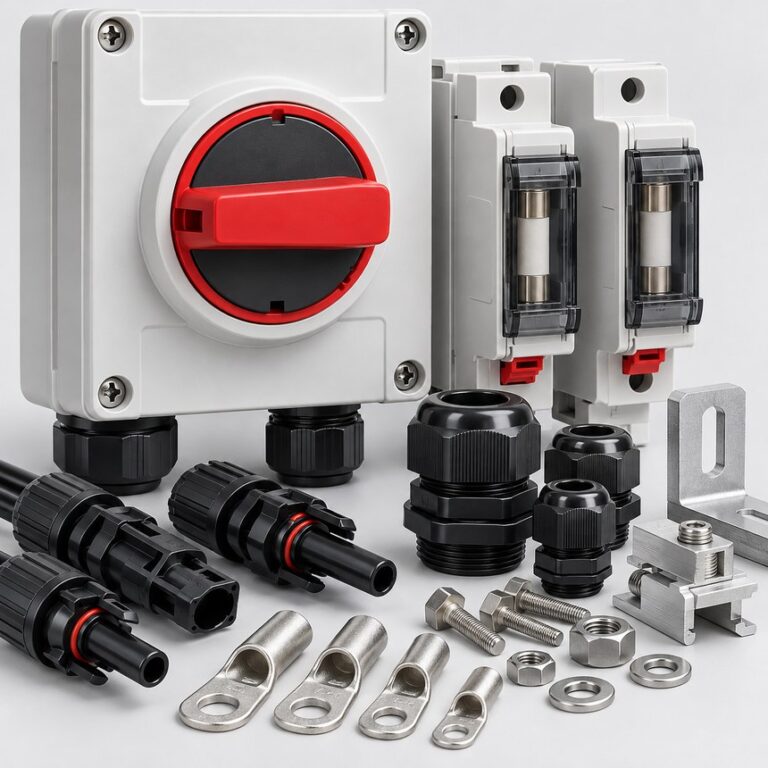
Rooftop DC Isolator Box
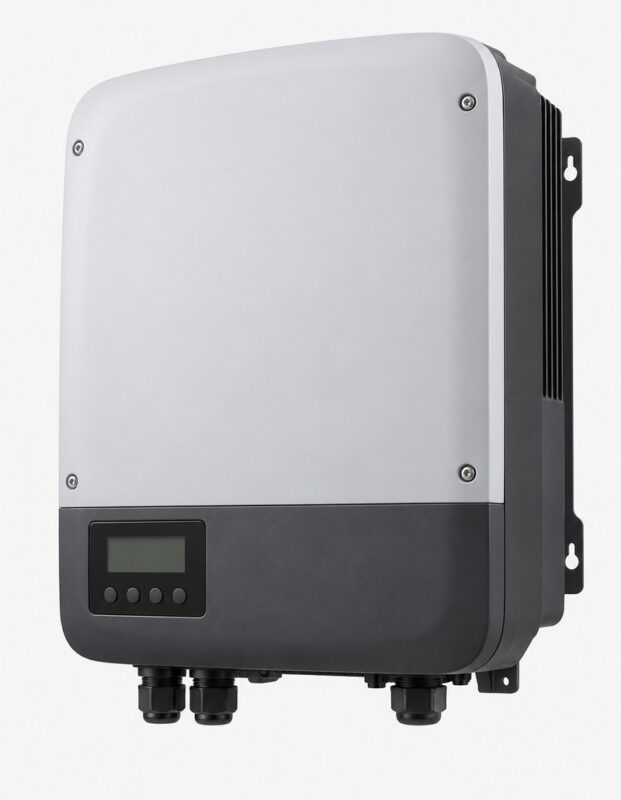
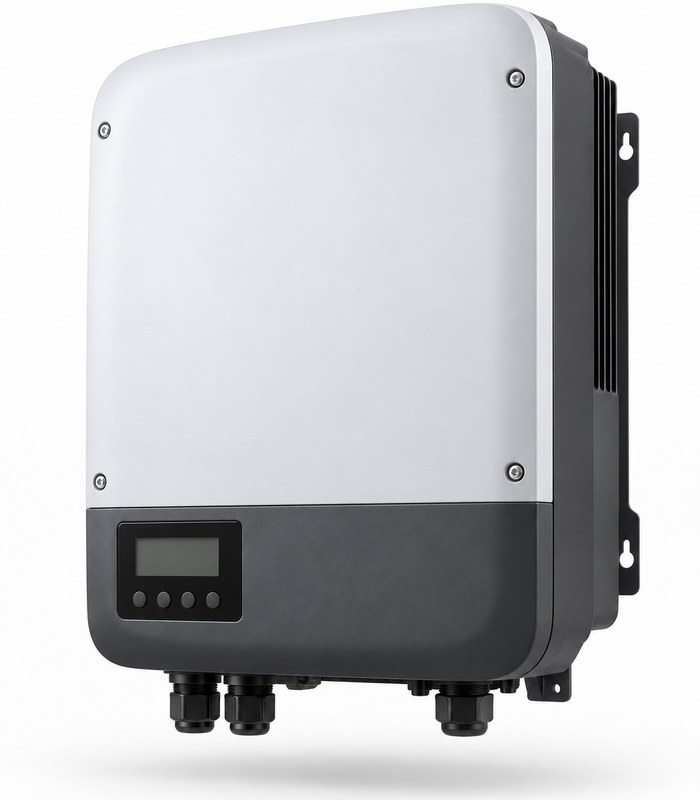
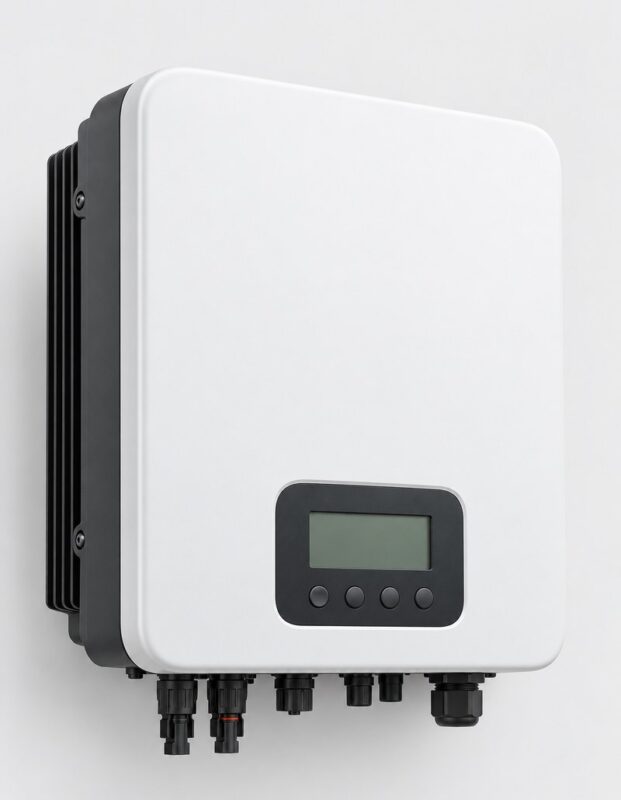
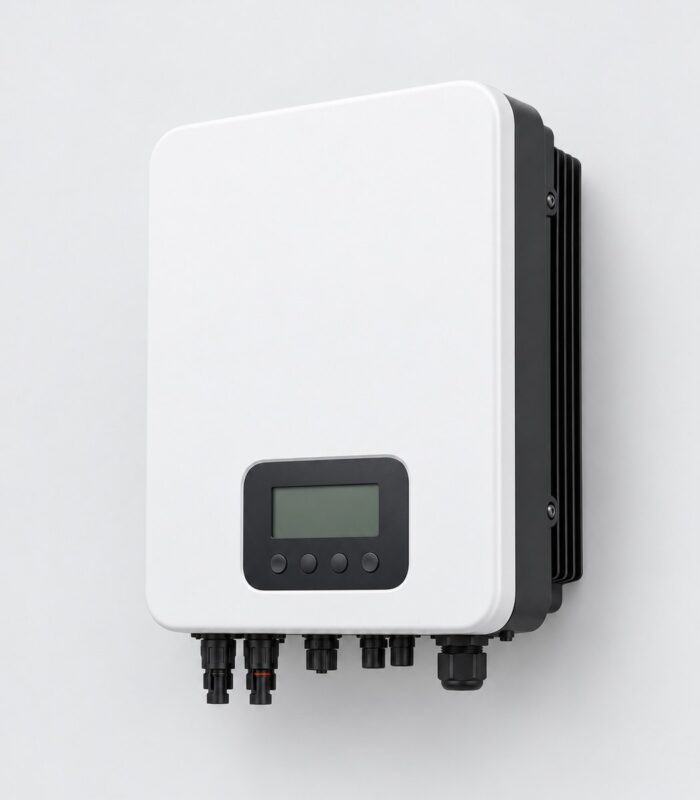
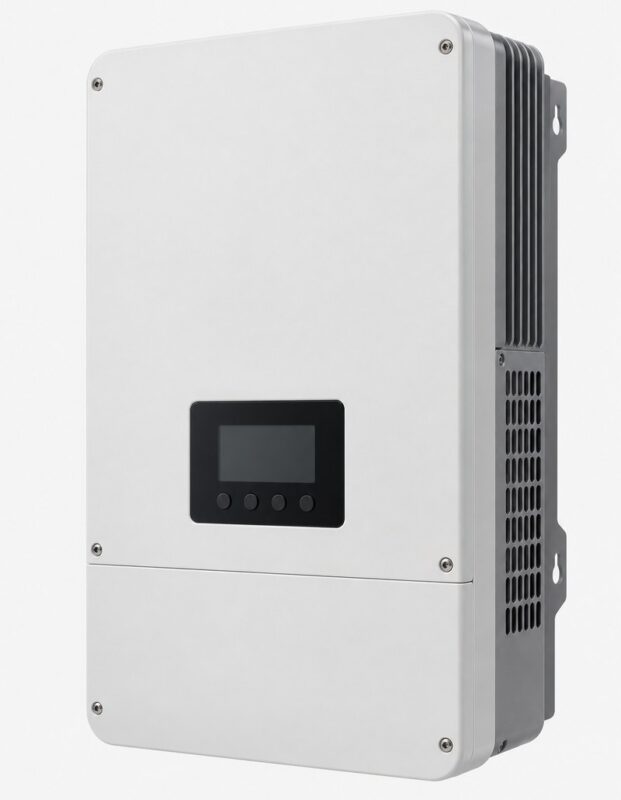
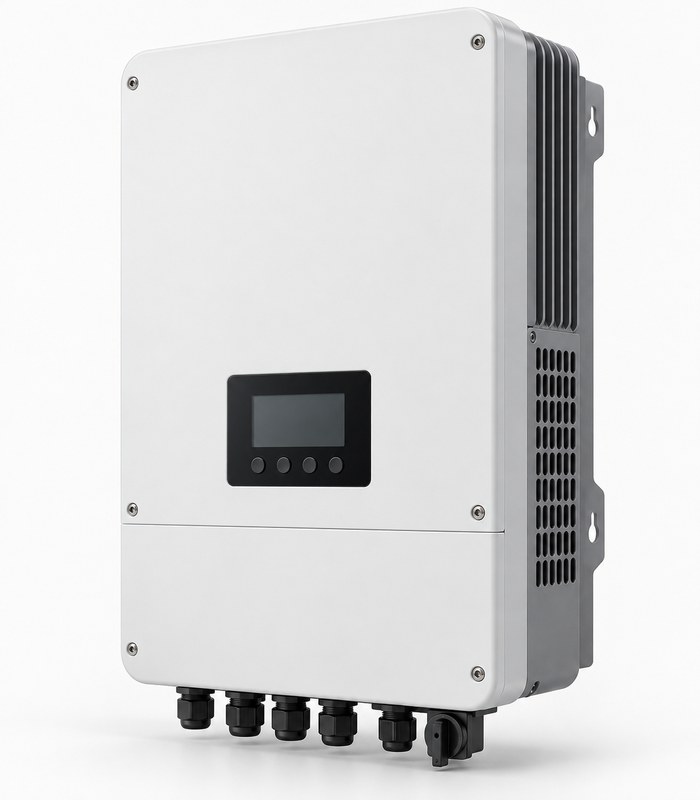
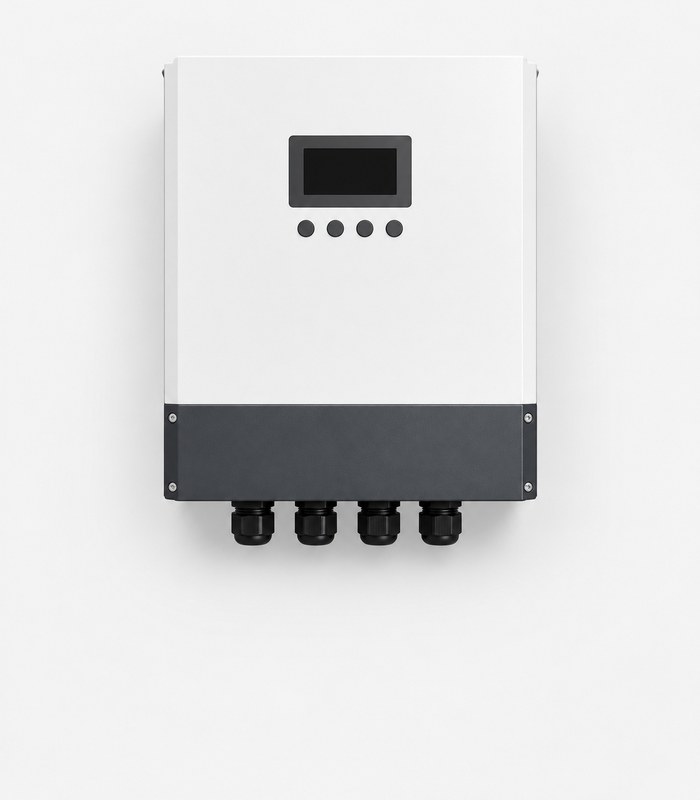
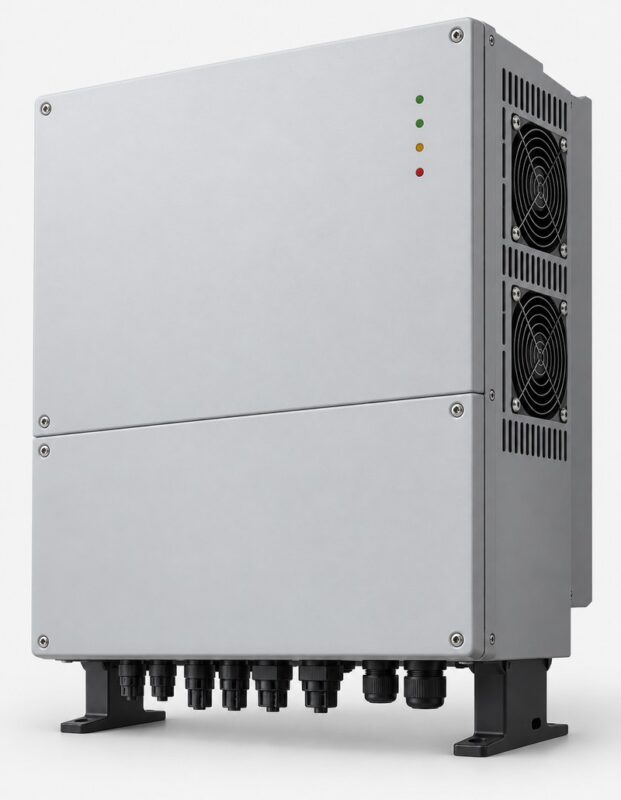
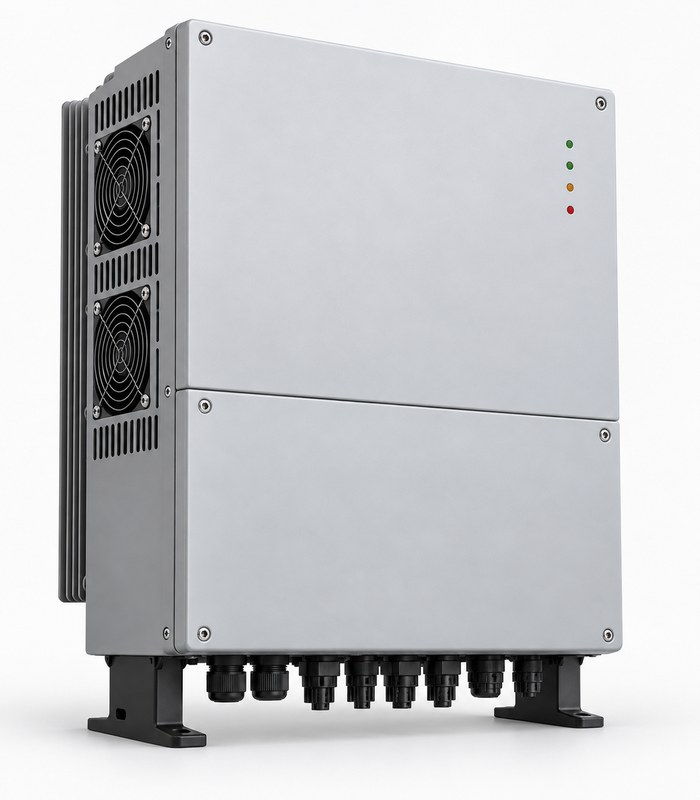
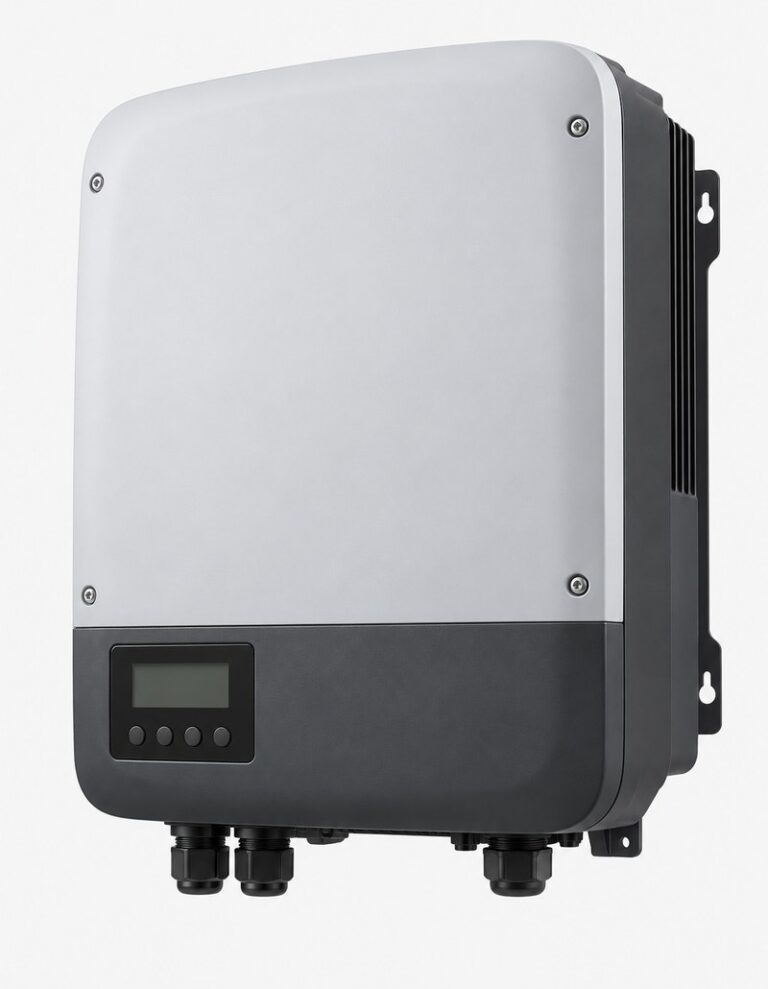
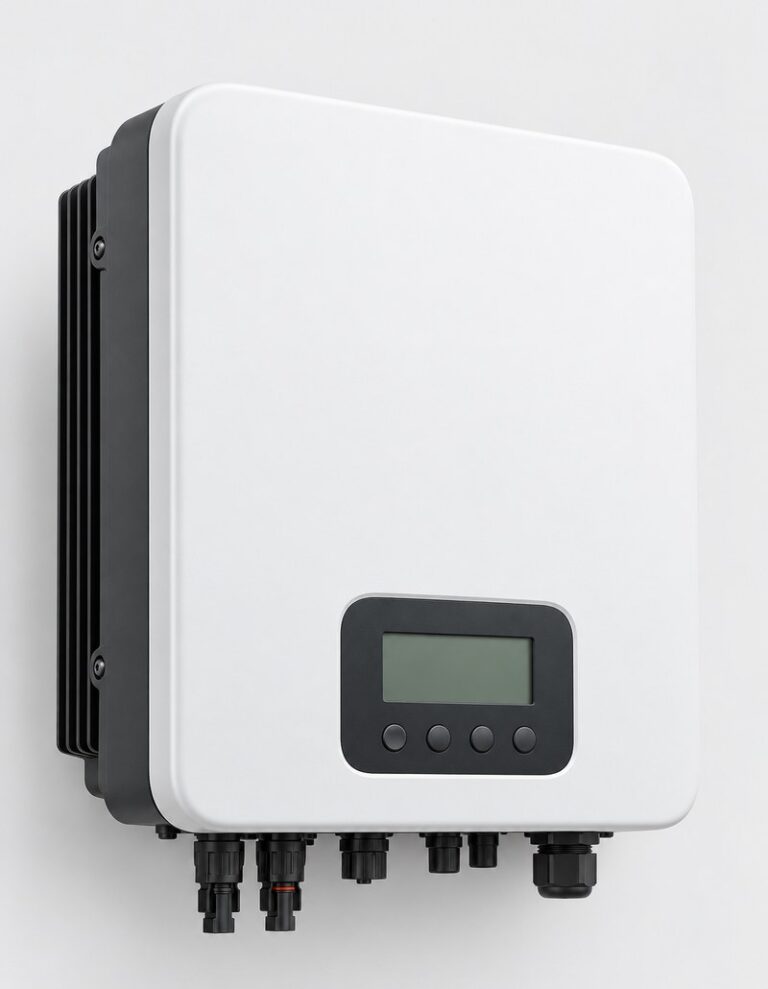
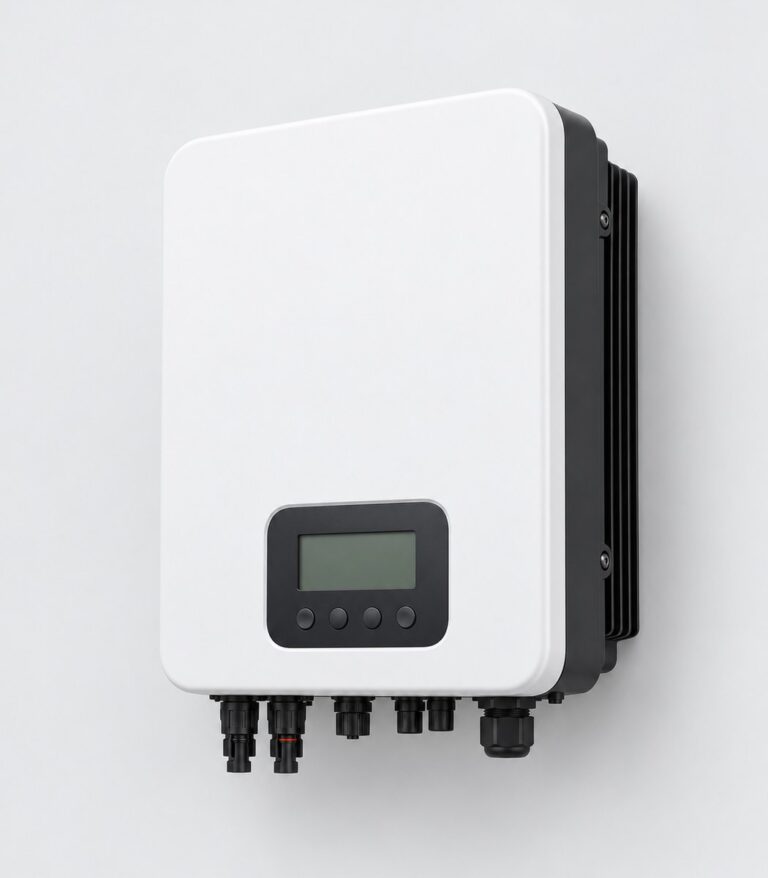
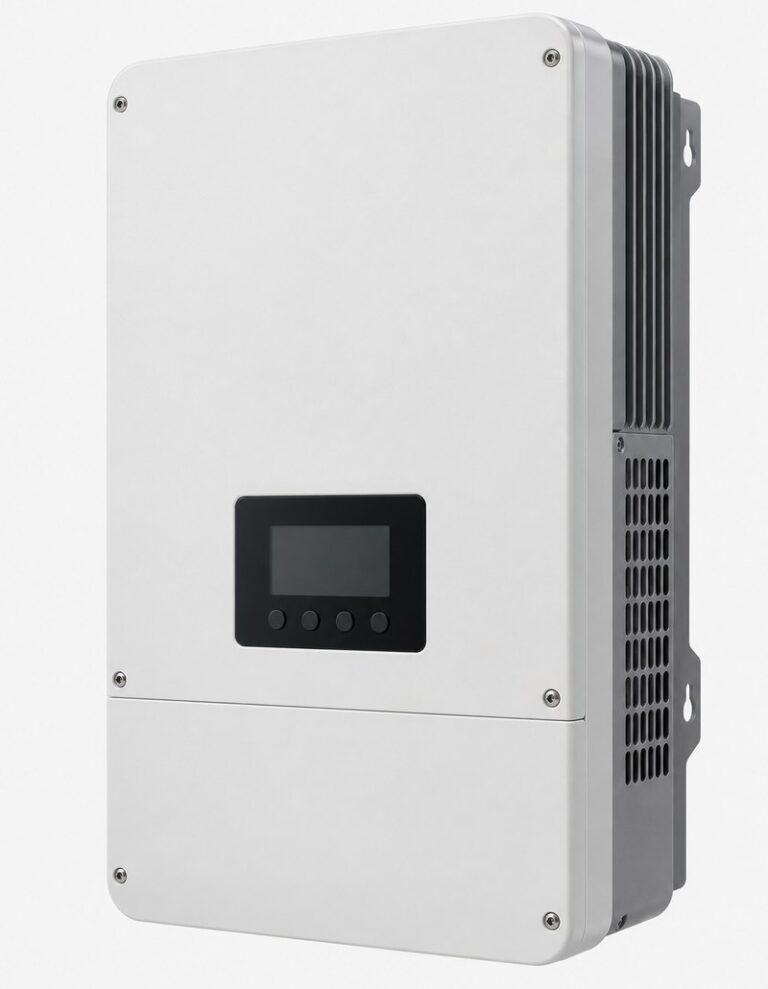
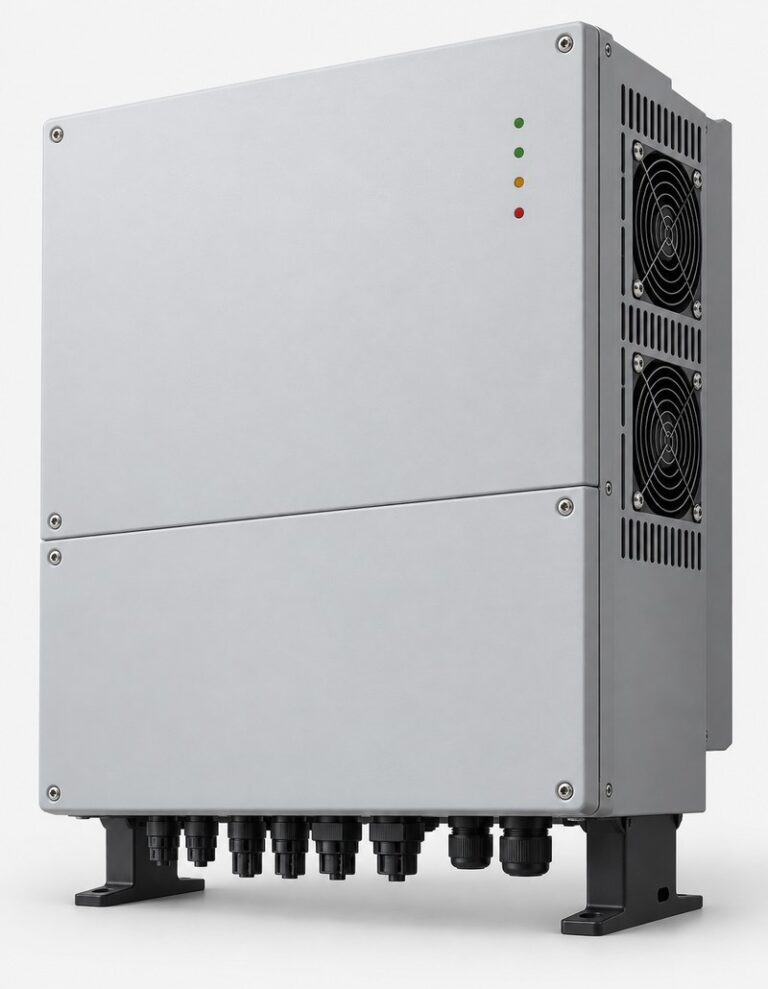
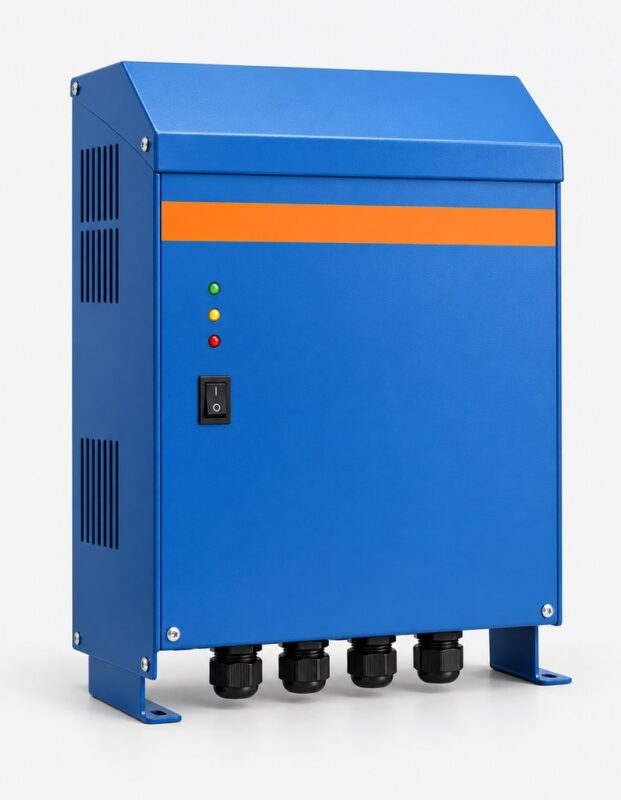
R1,780.00Three Phase Inverter 15kW
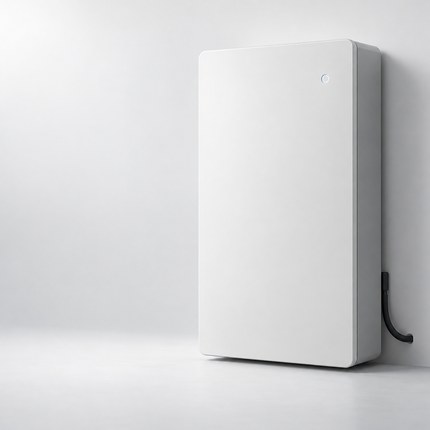
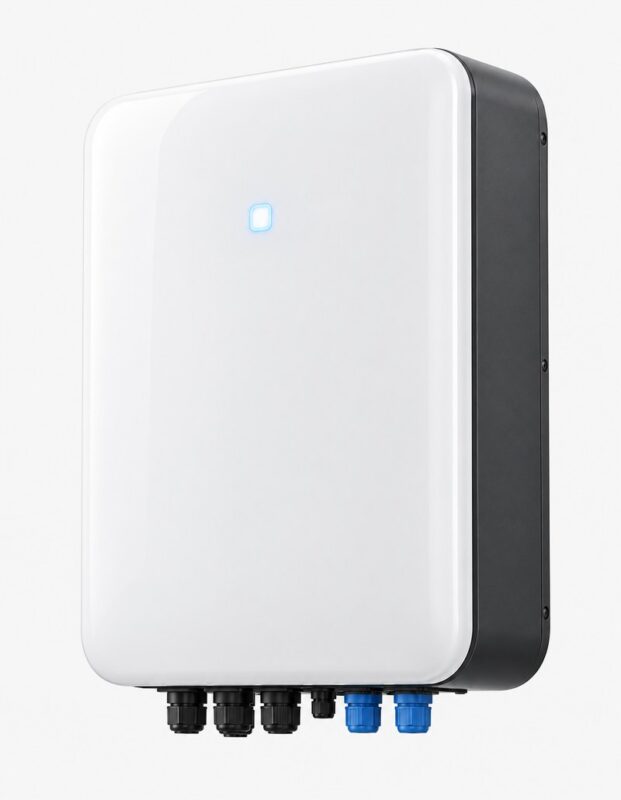
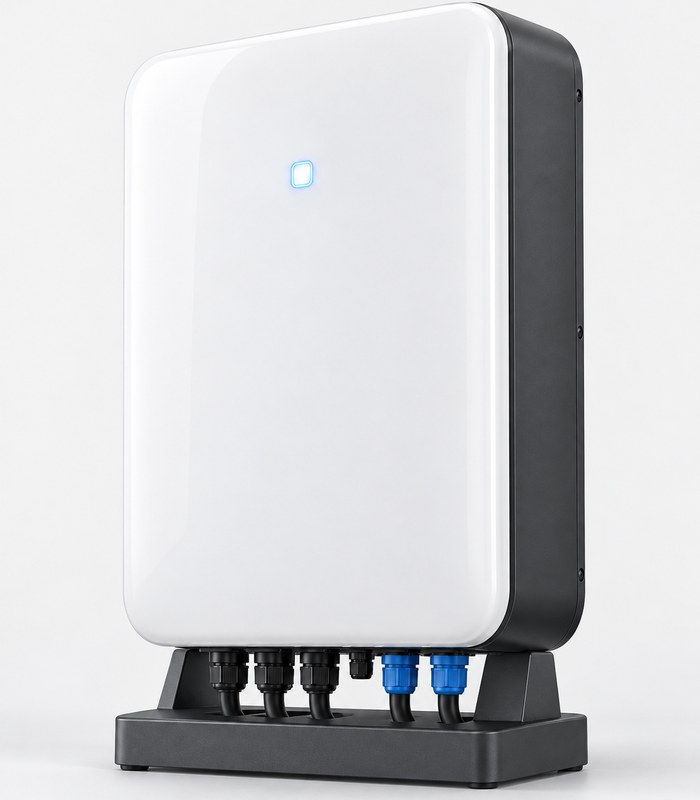
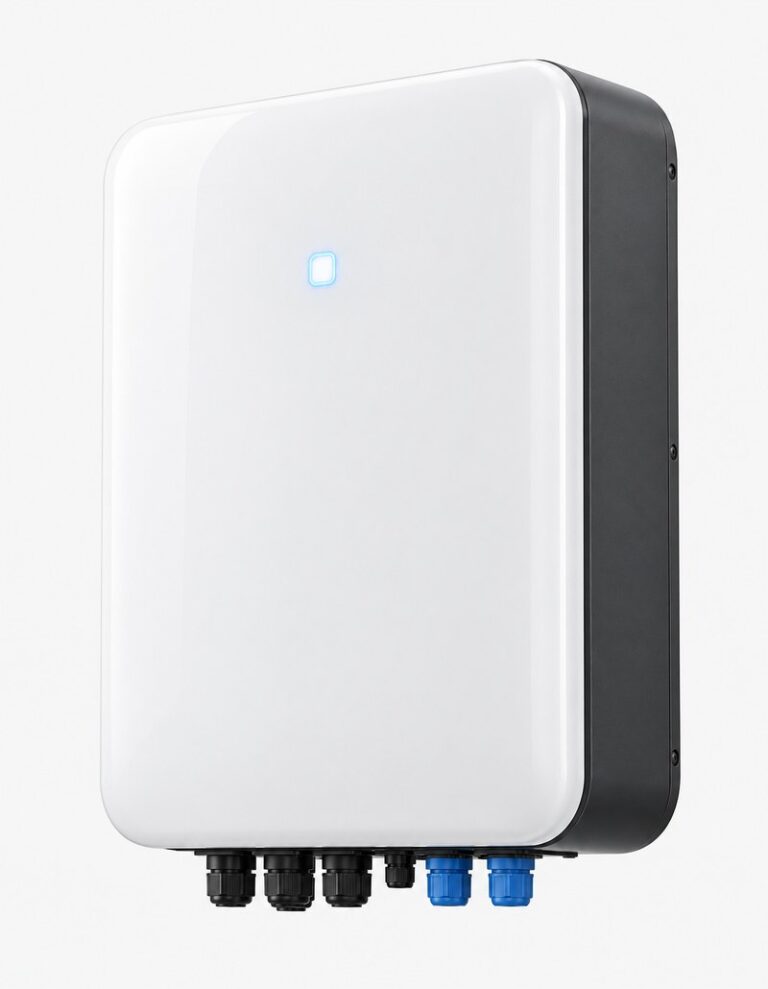
R1,600.00 – R5,380.00Price range: R1,600.00 through R5,380.00Wall Mount Battery 10kWh
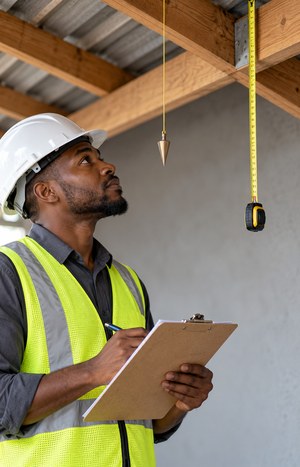
We always send someone out to look at the roof before we quote. Photos are not enough. A technician checks the timber, the sheeting or tiles, and how the roof has aged, so the mounting plan matches what your roof can actually carry.
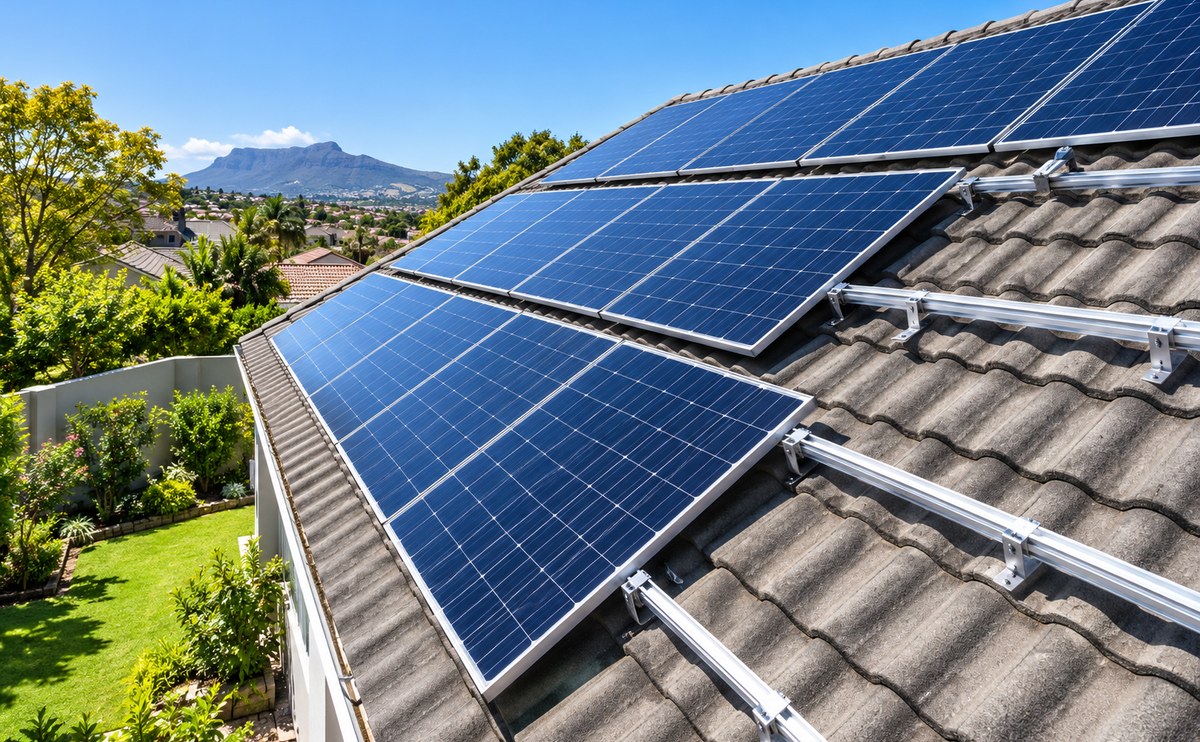
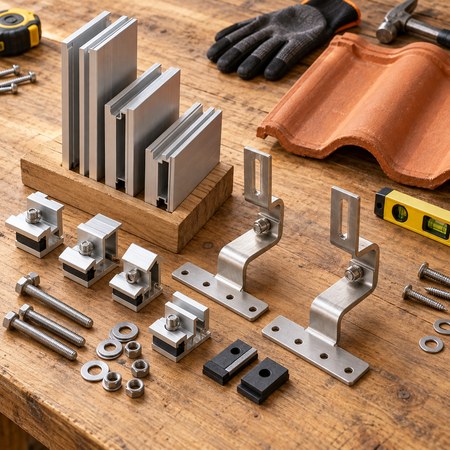
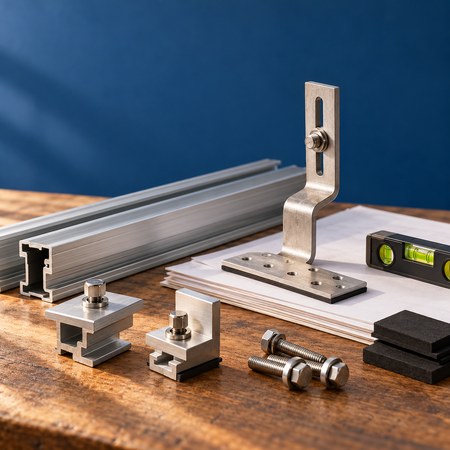
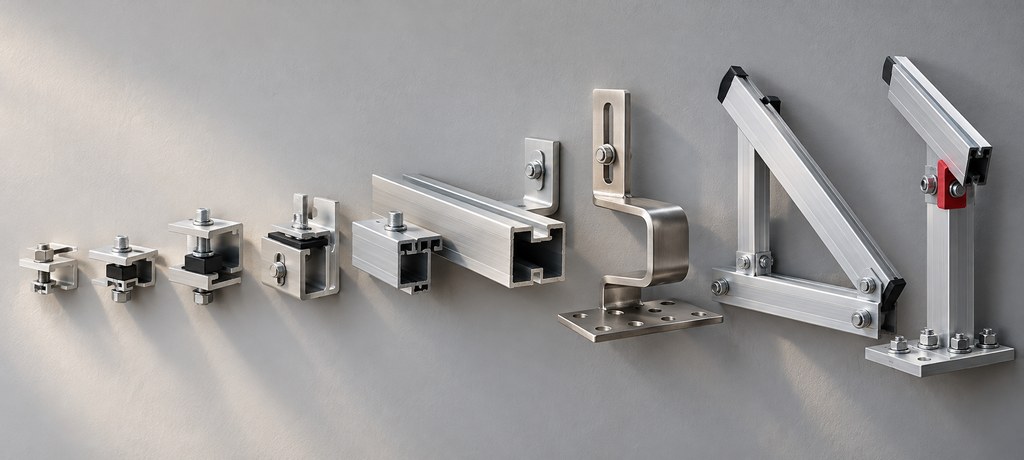
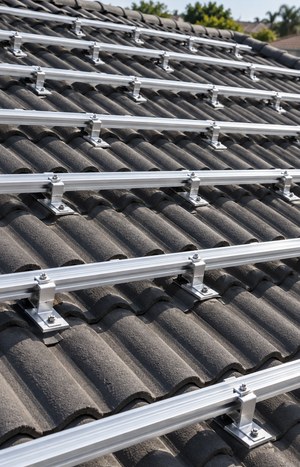
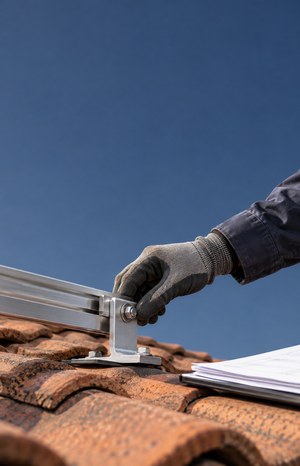
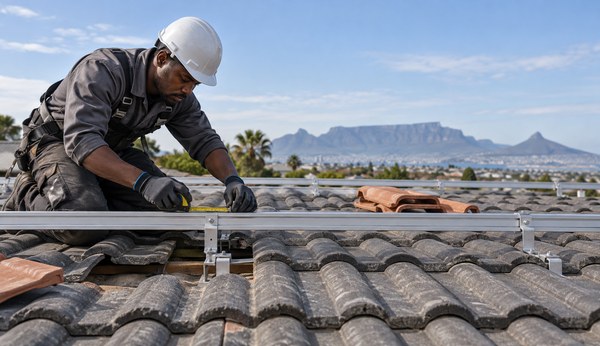
Tiled roofs need hook bolts fitted under the tiles so the rails sit flush and the tiles stay waterproof. We never drill straight through a tile. Older tiled roofs sometimes have brittle tiles that crack underfoot, so our installers use roof ladders and walk boards to spread their weight safely.
Backup power costs explained - Load shedding and what backup really costs
Corrugated iron and IBR roofs are usually the easiest to work with. We fix brackets straight to the purlins through the ridges of the sheet, then seal every hole properly. Rust is the main thing we check for, since old sheeting can be too thin to hold a bracket securely.
Choosing the right inverter - Inverters explained without the jargon
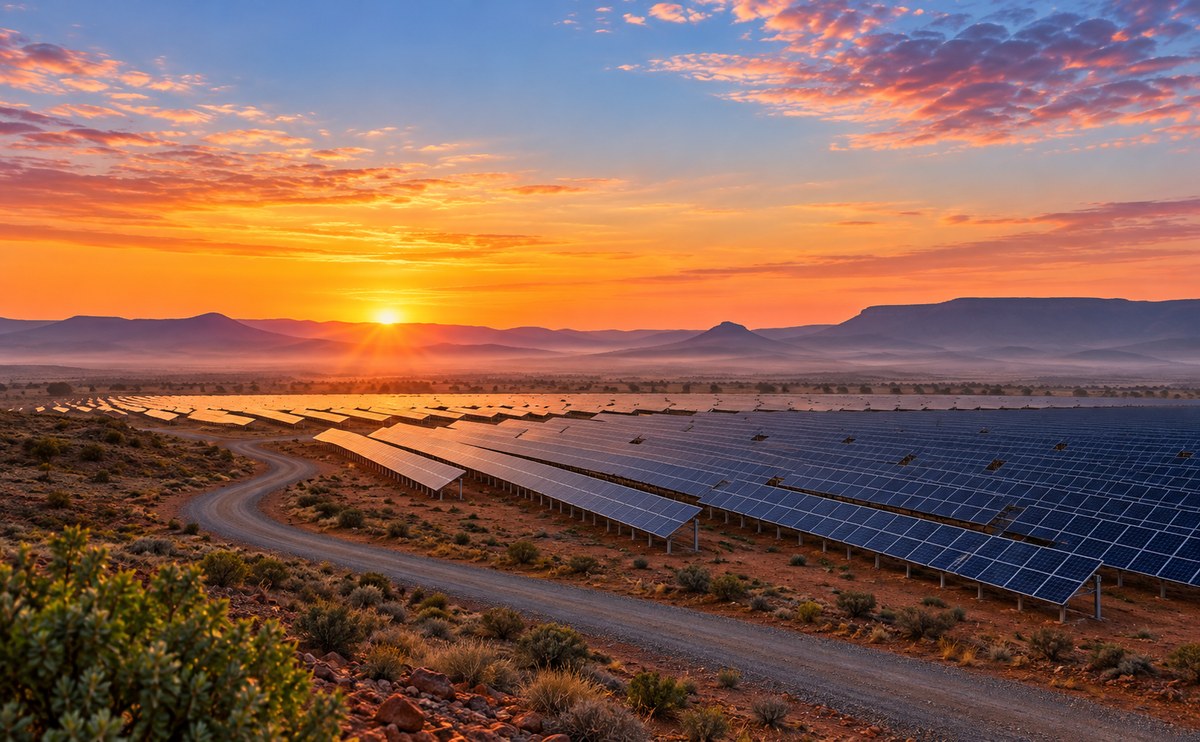
Thatch roofs can carry panels, but the array usually needs its own freestanding frame next to the house rather than sitting on the thatch itself. This keeps weight off the reeds and keeps panels clear of fire risk. We size the battery that pairs with this kind of setup separately.
Picking the right battery - Lithium or lead acid batteries
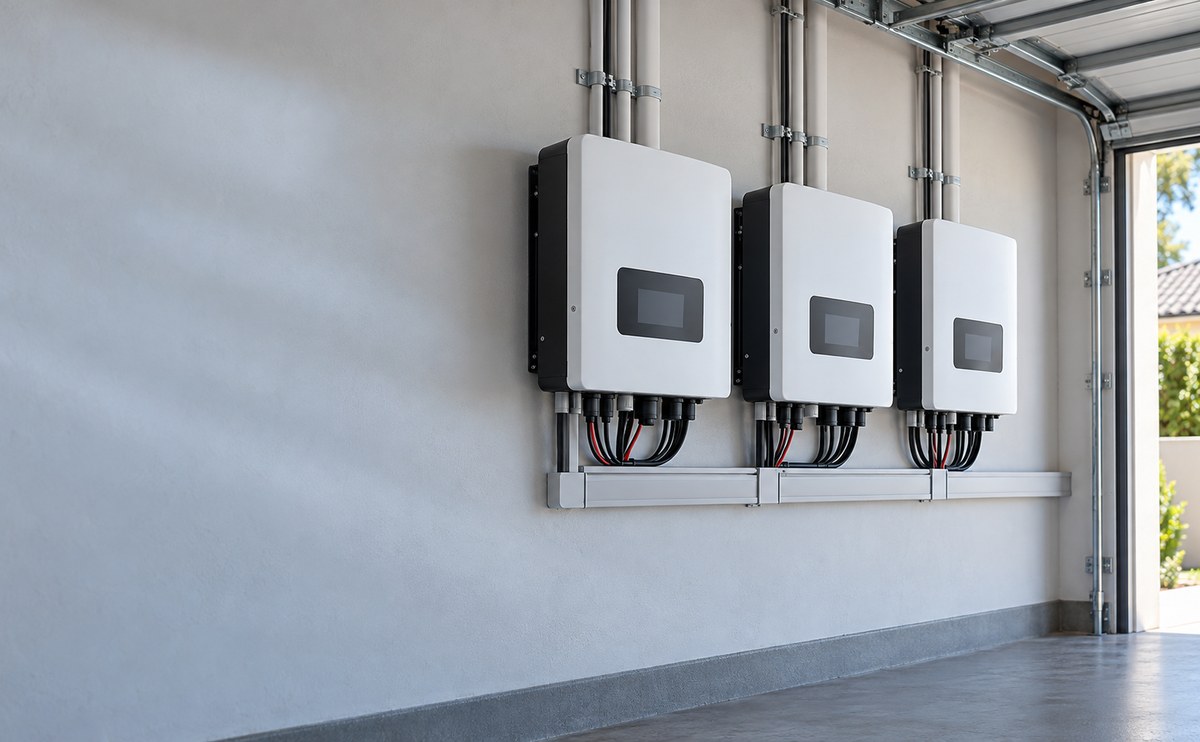
Once the mounting rails are up, we think about how the system gets wired before deciding on inverter type. A roof with shade on one side through the day changes whether a grid tied, hybrid or fully off grid setup makes more sense for that house.
Which system suits your roof - Grid tied, hybrid or off grid
LIGHTING
Modular Battery Tower 15kWh
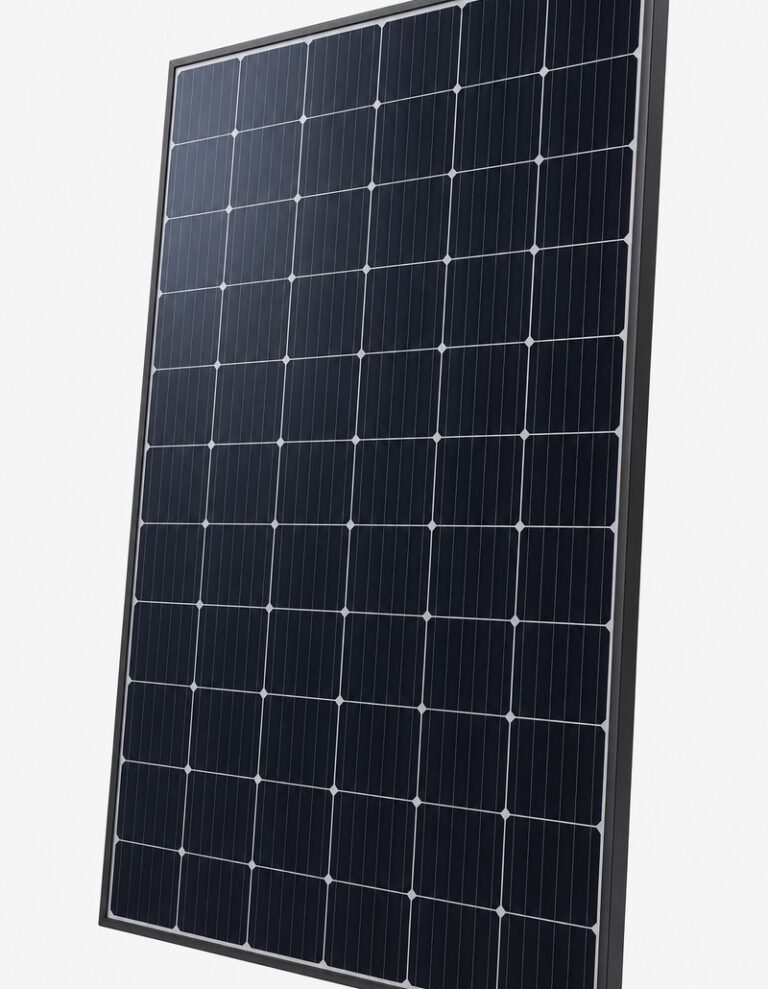
R7,720.00Monocrystalline Solar Panel 450W
R3,580.00Polycrystalline Solar Panel 400W
R10,780.00
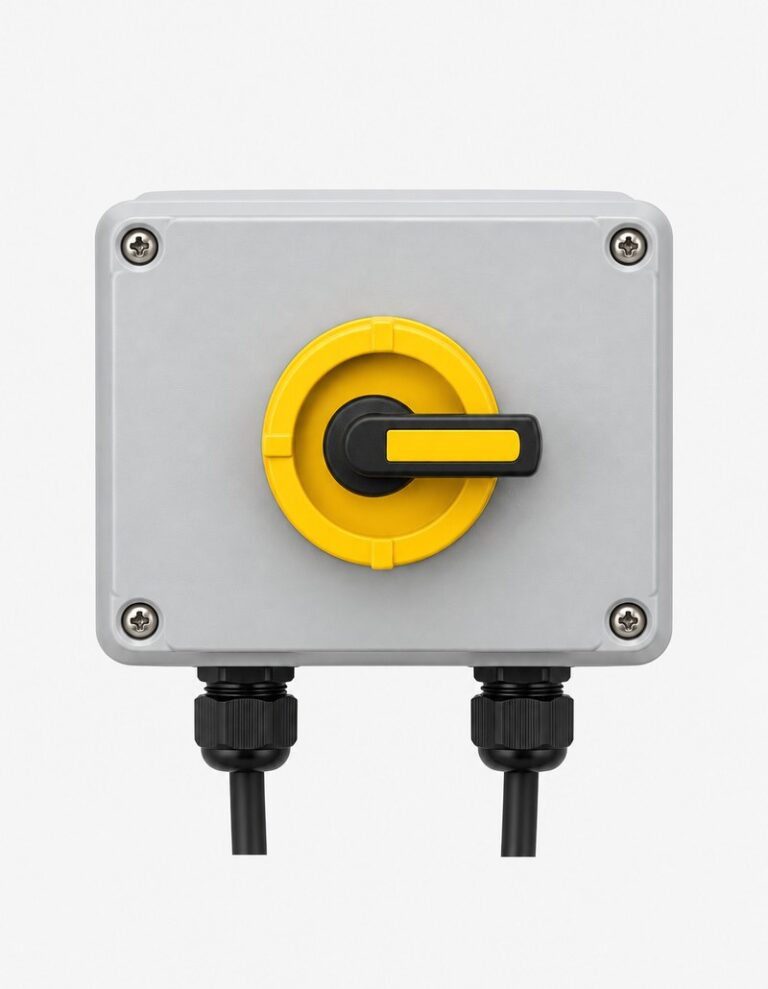
Rooftop DC Isolator Box
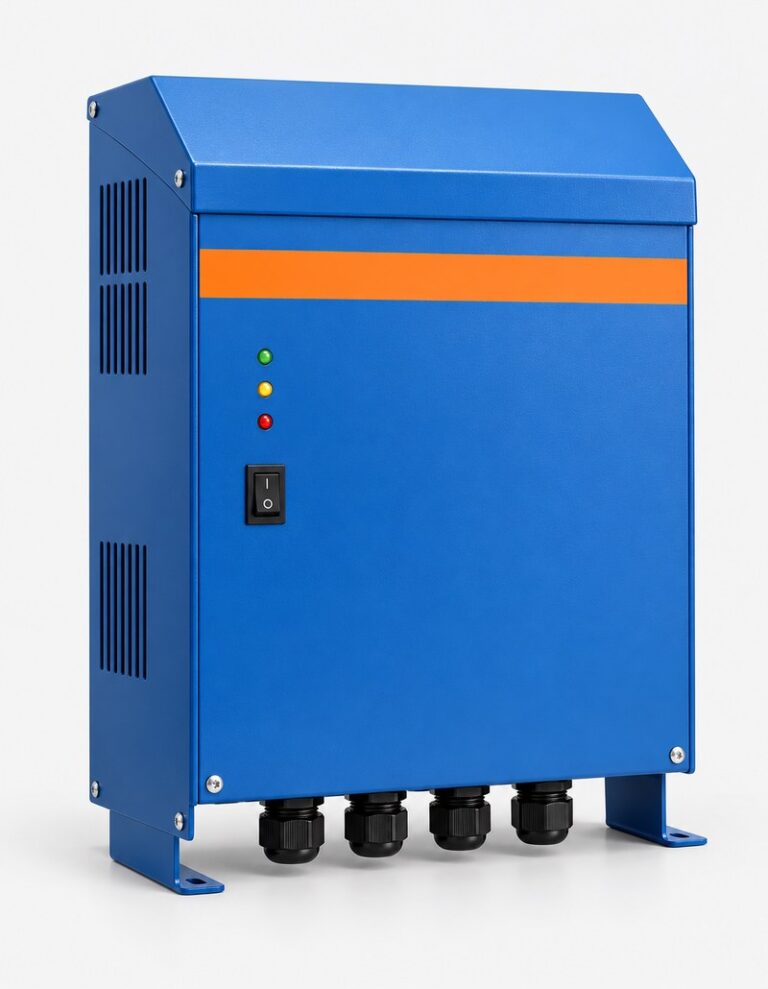
R1,780.00Three Phase Inverter 15kW
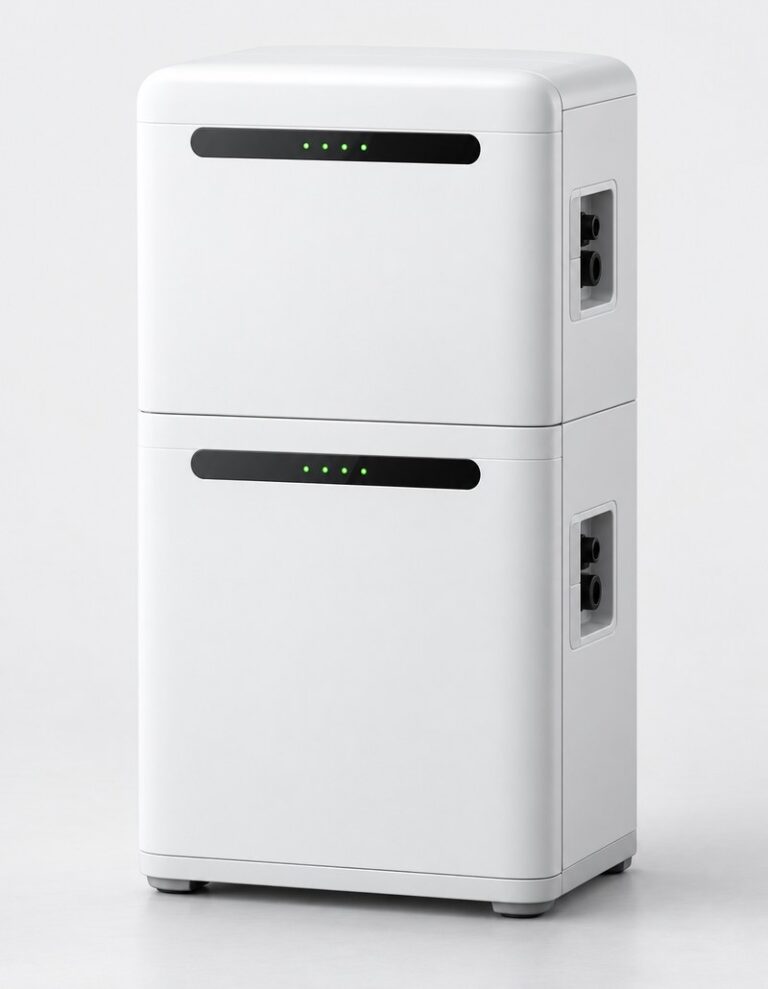
R1,600.00 – R5,380.00Price range: R1,600.00 through R5,380.00Wall Mount Battery 10kWh
We also check which way your roof faces before deciding where panels go. A roof that gets shade from a chimney or a neighbour's tree for part of the day still works, we just place the array to avoid the worst of it.
Roof condition
We walk the roof and check every truss, rafter and batten we can reach. Rot, rust, cracked tiles and loose sheeting all get noted. If the structure is sound we mount straight onto it. If not, we tell you what needs fixing first, before any panel goes up.
Roof pitch
Pitch decides how much sun your panels catch. Anything between fifteen and thirty five degrees facing north works well. Steeper or flatter roofs still generate power, just less of it, so we sometimes add a tilt frame to correct the angle and get more out of the same panels.
Weight spread
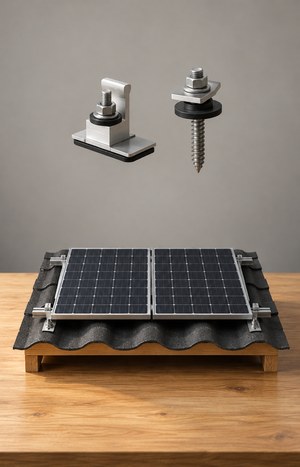
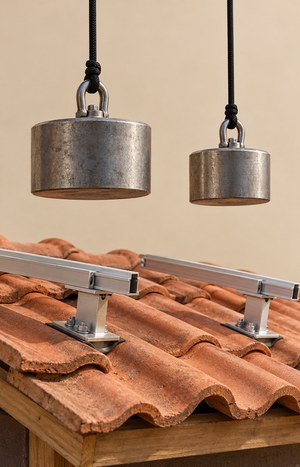
A full array is heavy, so we never load it onto one small section of roof. Rails spread the weight across several trusses, and brackets go in at points we know can take the load. This is why we check the roof in person before quoting a price.
Mounting points
Every bracket we fit gets sealed properly, whether it is bolted through a tile, screwed into a purlin or set into a concrete slab. A badly sealed mounting point is the most common cause of roof leaks after a solar install, so we take our time here.
Our installers always work off proper roof ladders and walk boards, never directly on tiles or sheeting. It keeps them safe and keeps your roof from cracking under their weight while the panels go up.
FURNITURE
Modular Battery Tower 15kWh
R7,720.00Monocrystalline Solar Panel 450W
R3,580.00Polycrystalline Solar Panel 400W
R10,780.00
Rooftop DC Isolator Box
R1,780.00Three Phase Inverter 15kW
R1,600.00 – R5,380.00Price range: R1,600.00 through R5,380.00Wall Mount Battery 10kWh
Ceiling boards and insulation sometimes need to come down briefly so we can run cables from the roof to the inverter. We patch and reseal anything we open, and we plan the cable route before installation day so there is as little mess inside the house as possible.
Our teams work at height every day, so safety on your roof matters. Proper ladders, walk boards and harnesses are standard on every job, and we check the weather before anyone goes up. A careful installation takes a little longer, and that suits us fine.
Once the array is mounted, we check every bracket, cable gland and seal again before we leave. Any roof we touch gets checked again after the first good rain, and we come back to sort out anything that was missed.