
Decoration

Packing light for a safari

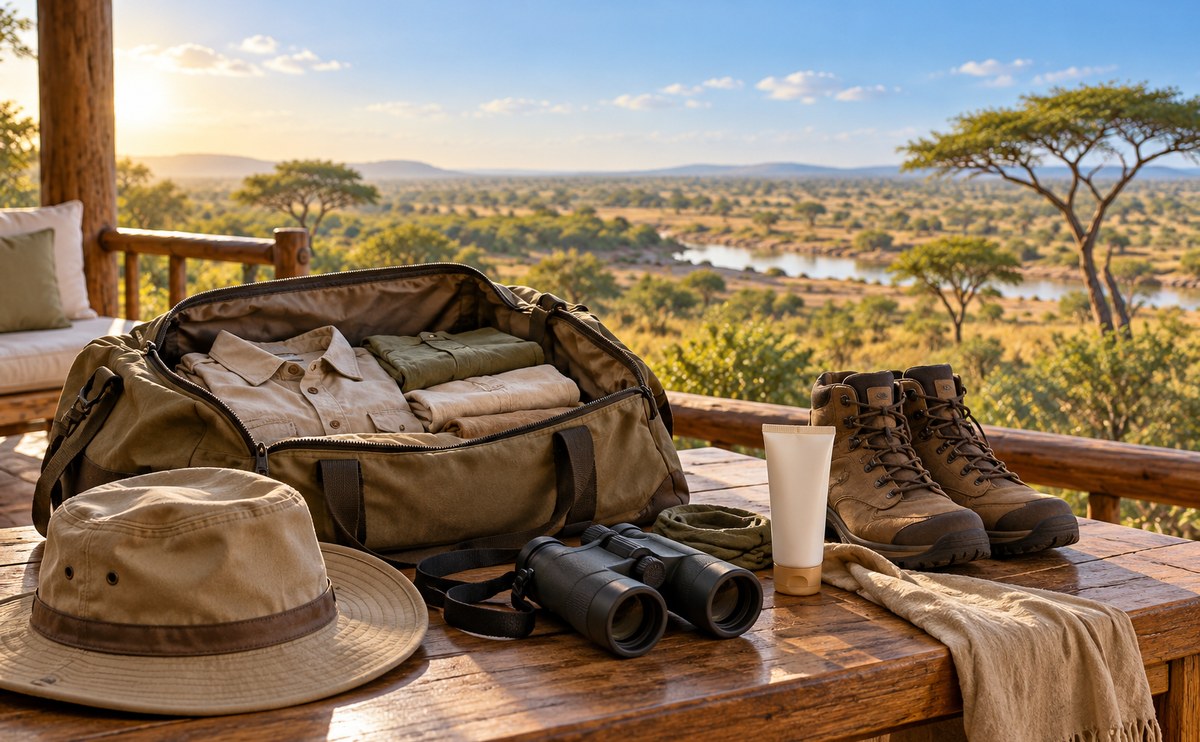
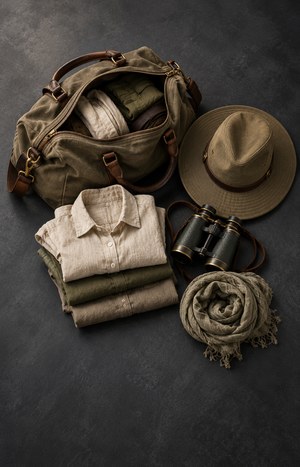
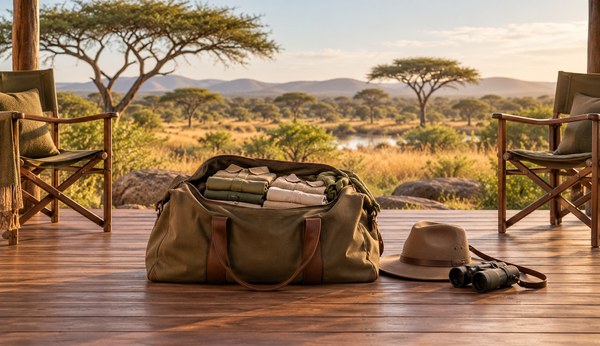
Light safari packing: small duffel bag with neutral clothing, hat, binoculars and boots laid out on a wooden lodge deck

Most safari camps fly you in on small planes with strict luggage limits, often 15kg in a soft bag. Pack neutral colours, light layers for cold mornings and hot afternoons, and comfortable closed shoes.

Leave the hard suitcase at home. Camps do laundry daily, so five days of clothing is plenty. Add a hat, sunglasses and a light jacket for early game drives.

ACCESSORIES

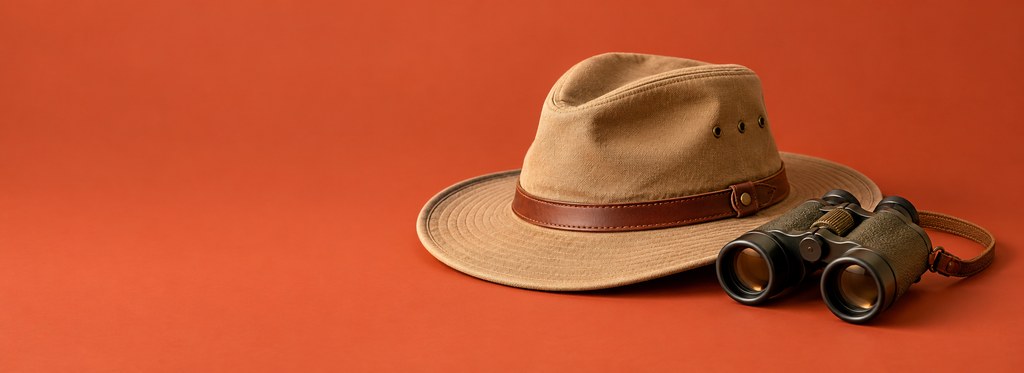
Wide banner of a compact khaki safari hat and binoculars on a terracotta background

Shoes matter more than most people pack for. One pair of closed, comfortable walking shoes is enough for camp and short walks, plus sandals for the evening. Skip anything new and unworn, your feet will thank you after a full day bouncing around in a vehicle. A hat with a wide brim and a pair of good sunglasses do more for your comfort than another outfit ever will.

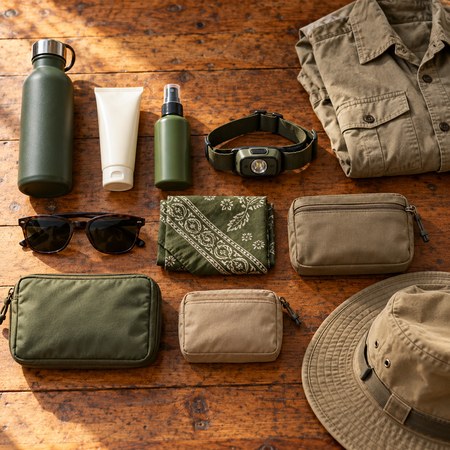
Flatlay of safari essentials: sunscreen, insect repellent, torch, sunglasses and small first-aid items laid out on a woo

Pack light, breathable layers rather than heavy jackets. Mornings on an open vehicle can feel close to freezing even when the day warms up fast, so a buff or scarf for your neck and ears makes a real difference. Long sleeves and long trousers in the evening keep mosquitoes off without needing to coat yourself in repellent. Leave the jeans at home, they take forever to dry and are heavy for what they are worth in a small bag.

Clothing And Layers - What To Bring For Each Day

Framed safari wildlife print of an elephant on a lodge wall beside a window with protea flowers on a mantel

If you are bringing a camera, pack spare batteries and memory cards rather than relying on charging every night, since power at some camps runs on generators for a few hours only. A dry bag or dust sleeve protects your gear on gravel roads. Binoculars are worth the space they take up, a decent pair makes the difference between seeing a bird and seeing a shape in a tree.

Camera And Batteries - Getting The Shot Without The Bulk

Keep your passport, visa documents, vaccination card and travel insurance details in one slim folder in your hand luggage, not your checked bag. Carry a basic medical kit with rehydration sachets, plasters and your own medication, since the nearest pharmacy might be hours away. A printed copy of your itinerary and booking confirmation is useful when phone signal drops, which it will, often.

Health And Documents - Papers You Cannot Leave Behind

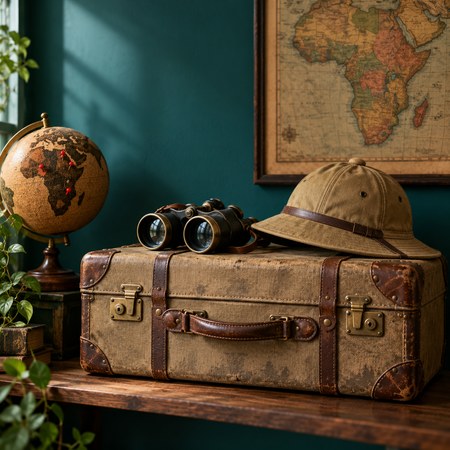
Vintage travel suitcase with a binoculars and a safari hat and a world map on a shelf, evoking safari trip packing

Dust gets into everything, so a few resealable bags for electronics and dirty laundry go a long way. Sunscreen and lip balm with sun protection matter more here than almost anywhere else you will travel. Pack a small bottle of insect repellent for evenings near water, and a head torch for walking between your tent and the dinner table once the generator goes off.

Dust, Sun And Bugs - Small Things That Save Your Trip

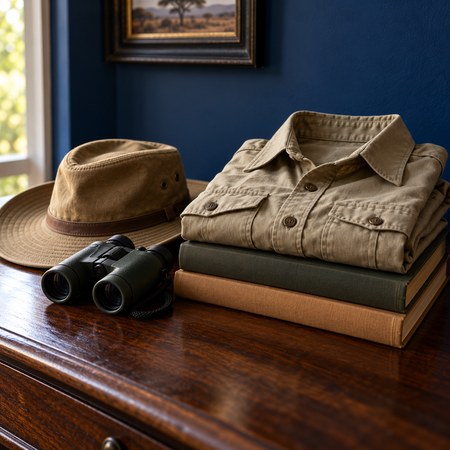
Light safari packing items stacked on a wooden surface: folded khaki shirt, a compact pair of binoculars and a small tra

LIGHTING

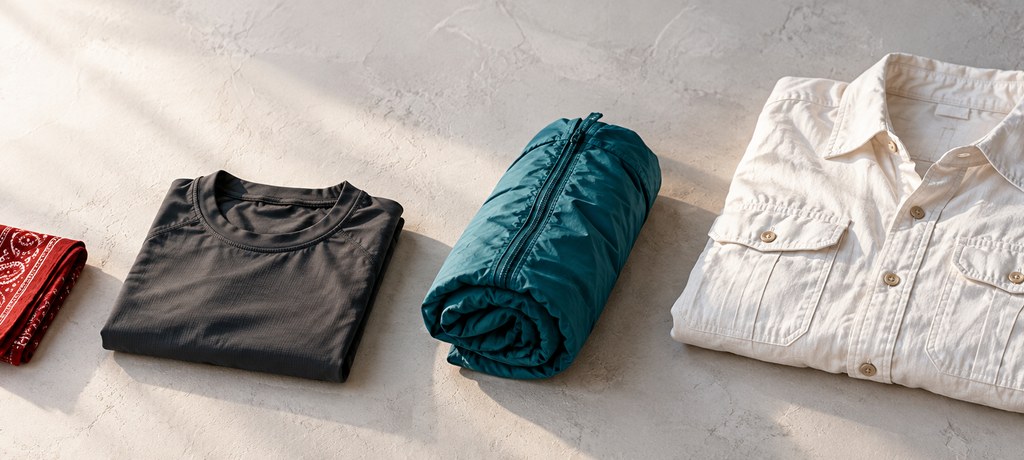
Four safari packing items in graduating sizes arranged in a row: a red wide-brim canvas hat, a grey folded shirt, a teal

A soft-sided duffel bag is far more useful than a hard suitcase on safari. It packs flat in a vehicle, bends to fit into a light aircraft hold, and takes up less space at camp. Leave the big hard-shell case for your first and last night in a city hotel, and travel light for the part of the trip that actually matters.

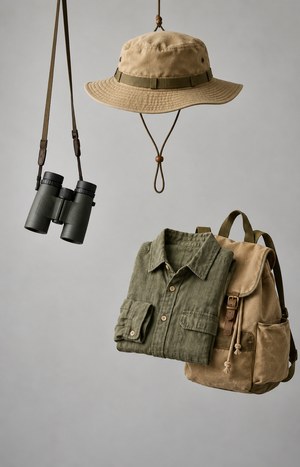
Light packing items for a safari: a compact khaki hat, folded neutral clothing and binoculars hanging against a pale wal
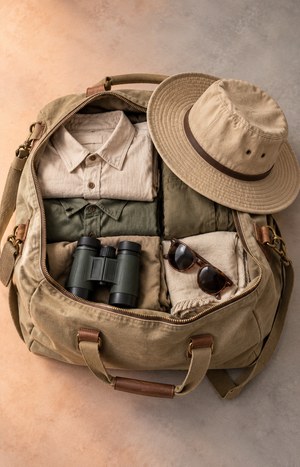
Neatly packed soft duffel bag and folded light clothing for a safari, shot from above
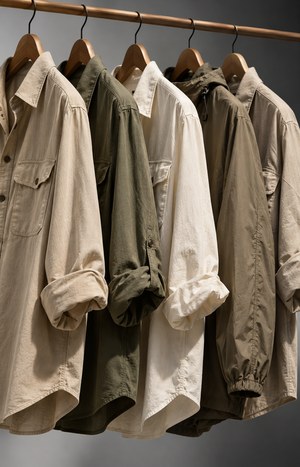
Row of lightweight neutral safari shirts and a light jacket hanging on a rail in soft light
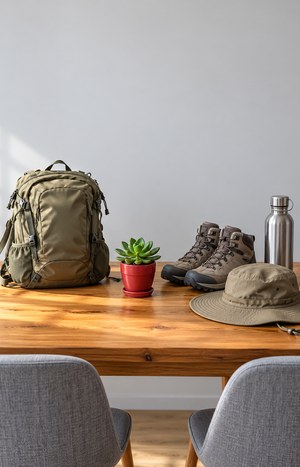
Safari packing set on a wooden table: a small backpack, boots, hat and water bottle in a bright room

Weight Limits

Light aircraft transfers between camps usually allow around 15 kilograms of luggage per person, soft bags only, sometimes less on smaller planes. Check this with us before you fly, since limits vary by route and aircraft type. If you are combining a safari with a beach stay, pack the beach clothes in a separate bag you can leave at a hotel or with us, and travel light for the bush part of the trip.

Laundry Service

Most safari lodges offer a same day or next day laundry service, often included in your stay. This means five days of clothing covers a two week trip easily, as long as you do not mind handing over a bag of dusty shirts each morning. Stick to quick-drying fabrics rather than cotton, since a thinner shirt dries overnight even without a tumble dryer at camp.

What To Leave Behind

Skip the hairdryer, the extra pair of jeans and the formal outfit, none of it earns its place in a 15 kilogram bag. Hard suitcases, camouflage clothing and anything bright white are also best left at home. Most camps are informal, nobody expects more than clean, comfortable clothes for dinner. The space you save is better used for a warm layer or spare batteries.

Packing Checklist

Before you zip the bag, run through the basics: passport and visa documents, malaria tablets if your doctor has prescribed them, a warm layer, a hat, sunscreen, insect repellent, binoculars and a torch. Add your camera gear and chargers last, once everything else is in. If it still closes without forcing it, you have probably packed well for a safari.

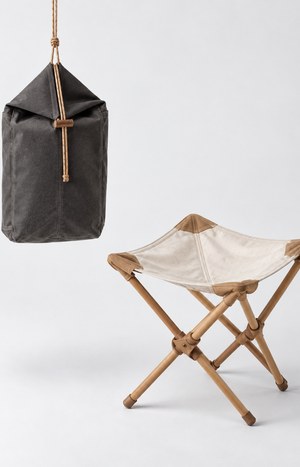
Compact folded safari gear: a packable tent-style duffel and a small foldable camp item in a clean studio
Neatly packed light safari duffel bag with folded khaki clothing, seen from above, on a warm neutral surface
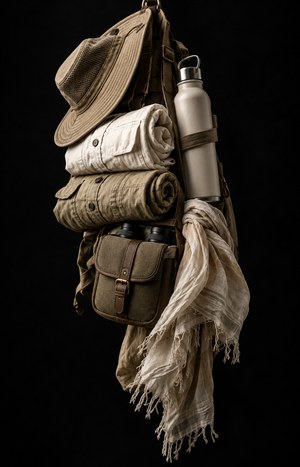
Rolled-up safari clothing and lightweight gear hanging and stacked against a dark backdrop, dramatic lighting
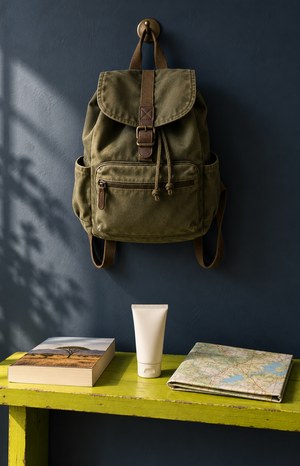
Compact travel items on a tidy surface: passport-sized notebook, sunscreen tube and a small backpack against a dark slat

Packing light for a safari is less about leaving things behind and more about choosing the right things. A small bag, neutral colours, a warm layer and good shoes cover almost everything you will need. If you are unsure what a specific lodge expects, ask us before you go, every camp is a little different and we book there often enough to know.

FURNITURE

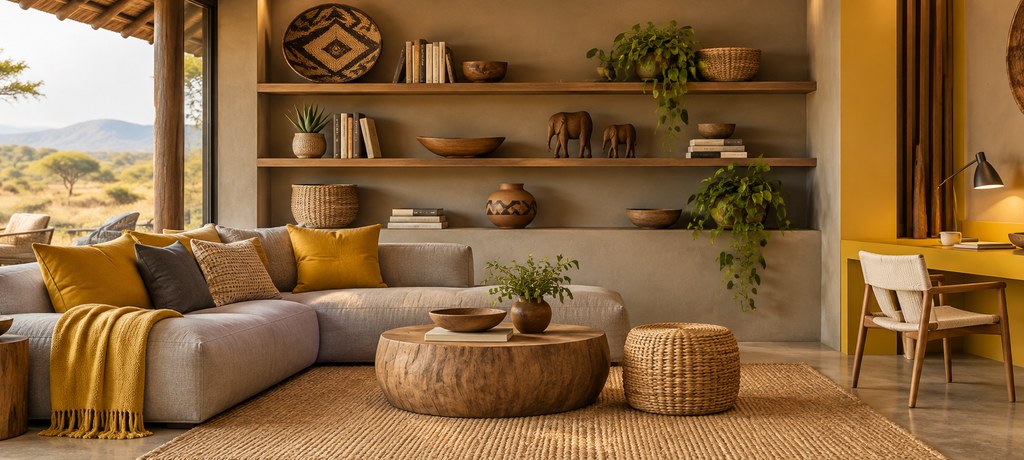
Open safari lodge lounge with a comfortable sofa, shelves of books and a writing desk, viewed straight on

Power is often limited at smaller camps, running from a generator for only a few hours a day. Bring a power bank for your phone and camera batteries, and pack a universal travel adaptor since plug types vary across Southern African countries. Charge everything fully before each transfer, you may not get another chance until the next camp. A spare set of batteries for a head torch is worth the little extra weight.

If you are travelling with children, pack a few familiar snacks and a favourite small toy, long drives between camps go easier with something to hold. Bring a sun hat and extra sunscreen sized for them specifically, children burn faster than adults do in the African sun. Check with us about the minimum age for game drives and walking safaris before you book, since this differs from lodge to lodge.

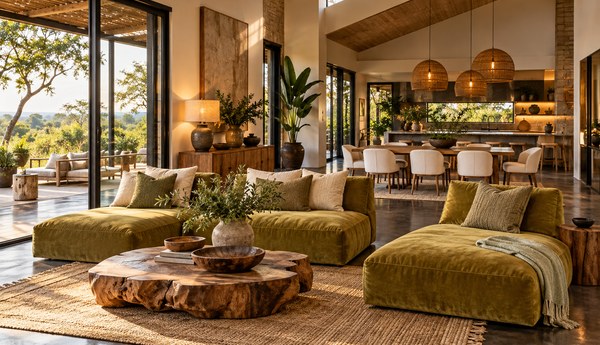
Spacious bright luxury lodge living area with modular olive-green lounge seating and a terrace garden view

Keep a few spare resealable plastic bags for wet shoes, dirty laundry or a phone caught in a sudden afternoon shower. A small microfibre towel dries faster than a cotton one and takes up almost no space. Dust finds its way into every zip and pocket on gravel roads, so keeping electronics in a dry bag inside your duffel is a habit worth starting before you leave home.

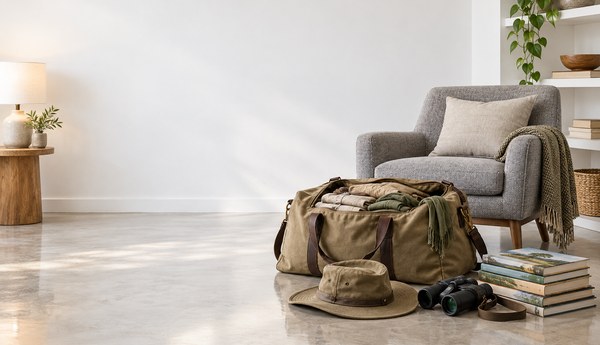
Packed khaki duffel bag and safari kit beside a leather lounge chair in a bright minimalist room

Malaria tablets need to start before you travel, so speak to your doctor or a travel clinic a few weeks ahead rather than the night before your flight. Pack enough for the whole trip plus a few spare days in case a flight is delayed. Keep them in your hand luggage with your other documents, not in a checked bag that could go missing on a connecting flight.

Binoculars matter more than a second camera lens for most guests. A shared pair between two people works, but if you are serious about birds or want your own view during a sighting, bring your own rather than relying on the vehicle’s single pair. Compact, lightweight models are easier to carry on a walking safari than a large pair built for stargazing.

Weigh your bag at home before you leave, scales at small airstrips are not always available and overweight bags cause real delays when a light aircraft is already full. Soft duffel bags compress better than wheeled cases and fit the narrow holds on smaller planes. If your trip includes a city hotel before or after the safari, leave anything you will not need in the bush there, and collect it on your way back.

Wide view of a safari packing setup: a soft duffel bag with neutral clothing and a hat on a wooden deck of a safari lodg
Leave a Reply

Your email address will not be published. Required fields are marked *