
Decoration

Craft beer styles explained
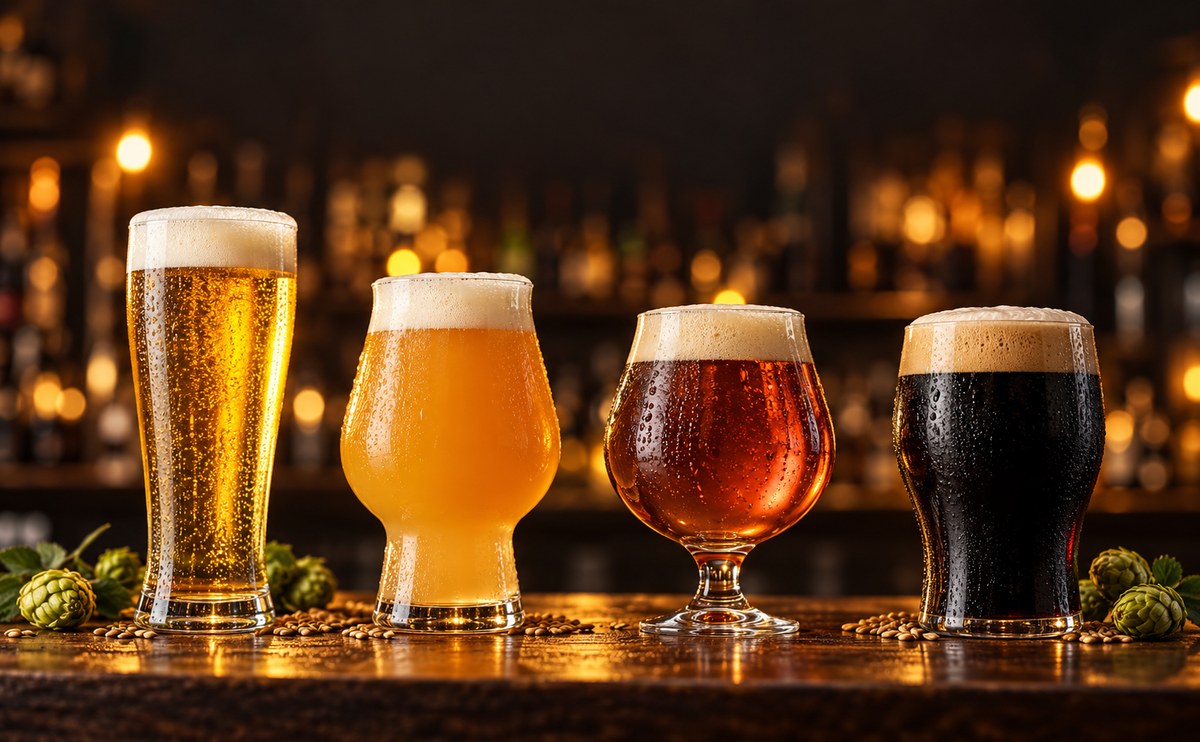
Flight of craft beer glasses in different styles, from pale ale to stout, on a dark bar counter

Lager is cold fermented and clean. Ale is fermented warmer and gives fruitier, rounder flavours. That one difference explains most of what you taste in a glass.
A stout leans on roasted malt for coffee and chocolate notes. An IPA leans on hops for bitterness and aroma. A pilsner sits crisp and light between the two.

ACCESSORIES

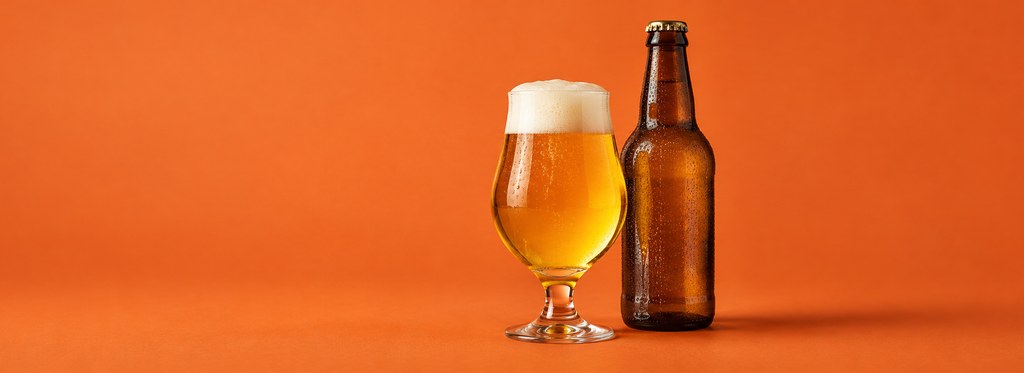
A single unbranded craft beer glass of golden pale ale beside a bottle on a terracotta-orange backdrop

One quick trick before you start browsing. Look at the label for two numbers: the ABV and the IBU. ABV tells you how strong the beer is. IBU tells you how bitter it is. A low IBU beer will taste soft and malty, while a high IBU beer leans sharp and hoppy. Keep those two numbers in mind and you can guess a lot about a beer before you even open it.

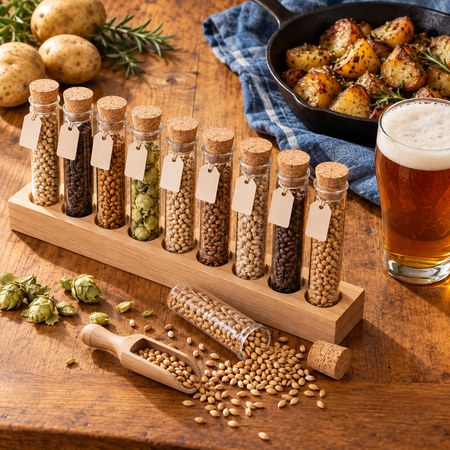
Wooden rack holding a row of corked glass test tubes filled with different hops and malts, with a skillet and glass of b

Lagers are the easiest style to drink every day. They are brewed cold over several weeks, which gives a clean finish with little fruitiness getting in the way. Think of your classic pilsner or helles, pale gold, light carbonation and a gentle bitterness that never overstays. They pair well with almost anything off the braai, from chicken to pap and wors, and they are a safe pick for anyone still finding their feet with craft beer.

Crisp Lagers - Read more

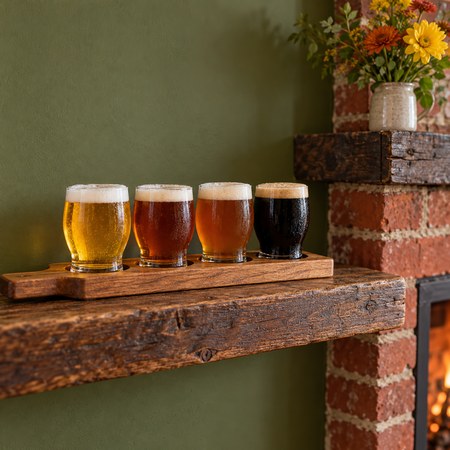
Flight of craft beer styles in tasting glasses on a wooden paddle in front of an olive-green wall, brick fireplace edge

If you like flavour with a bit of bite, hoppy ales are where craft beer gets interesting. Pale ales and IPAs lean on hops for citrus, pine and tropical fruit notes, with bitterness that can run from mild to sharp. They are brewed warm and fast, so the yeast adds its own fruity character too. Try one alongside something spicy or smoky, the hops hold their own against strong flavours on the plate.

Hoppy Ales - Read more

Dark beers look heavier than they taste. Stouts and porters get their colour and roasted coffee, chocolate and toffee notes from dark malts, not from extra strength. Many sit at a similar alcohol level to a lager, just with far more flavour packed in. They go beautifully with dessert, or on their own next to the fire on a cold Highveld evening. Expect a thick head and a smooth, almost creamy finish.

Dark Stouts - Read more

Vintage suitcase with two cork globes replaced by a craft beer bottle and glass of beer styled as a travel-themed beer w

Saisons and other sour or farmhouse beers are the wildcard of the fridge. Brewed with wild yeast strains, they come out tart, dry and often a little funky, closer to a dry white wine than a typical beer. They are brilliant with fresh salads, seafood or soft cheese, cutting through richness instead of filling you up. If you are curious and want to taste something properly different, start here.

Tart Saisons - Read more

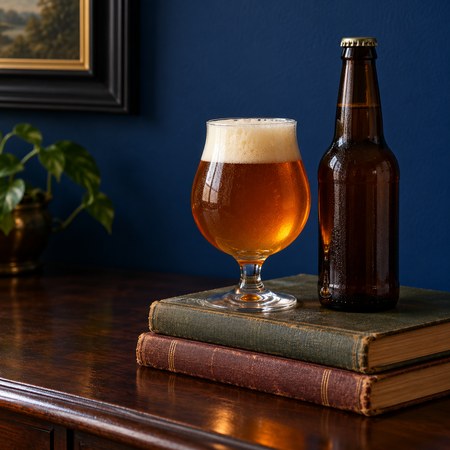
Unlabelled craft beer bottle and a filled glass of beer on a stack of old books, deep blue wall behind

LIGHTING

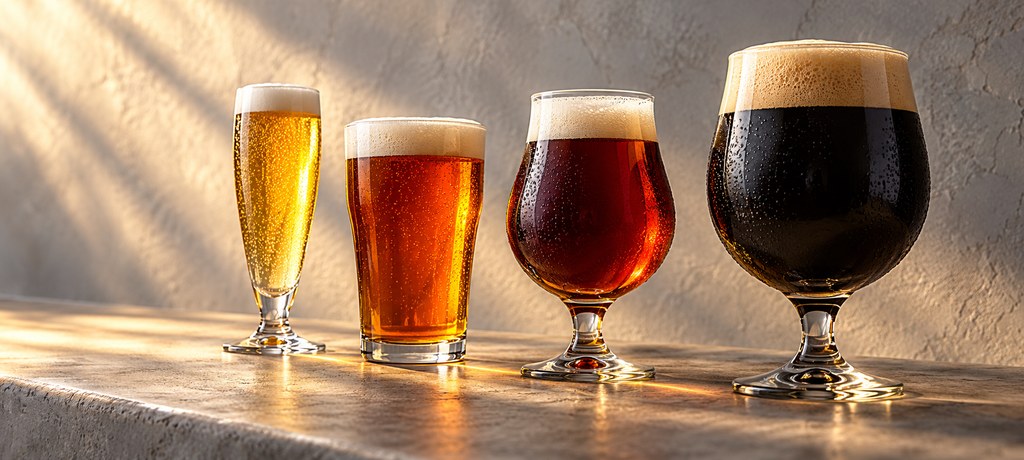
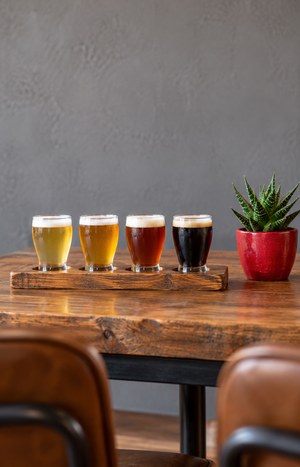
A row of four beer glasses showing different craft beer styles from light to dark, lit against a wall

Below we go through each of these four styles in a bit more detail, with a sense of what to expect in the glass and what we would reach for on a normal Tuesday versus a special occasion. None of this is a rulebook. Brewers bend these styles all the time, so treat it as a starting point and let your own taste take over from there.

Row of craft beer bottles in different styles (pale ale, stout, wheat beer) standing on a light grey surface
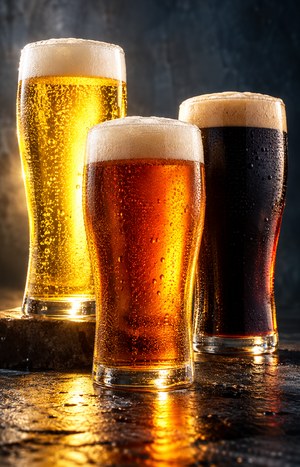
Three glowing glasses of beer in different colours (golden lager, amber ale, dark stout) arranged vertically against a d
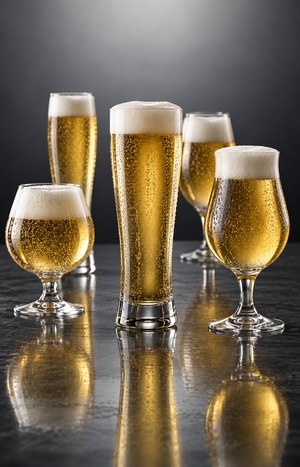
Close-up of tulip and pilsner beer glasses with frothy heads, showing different beer shapes and foam, in monochrome grey
Beer tasting flight of small glasses on a wooden table in a South African taproom

Crisp Lagers

A good lager rewards patience in the brewery, not in the glass. Expect pale straw to gold colour, fine bubbles and a dry, clean finish with barely any lingering aftertaste. Pilsners bring a touch more hop bitterness, helles leans softer and maltier, and a dunkel adds a little roasted depth while staying easy to drink. Serve it cold, in a tall glass, and reach for it when you want flavour without a fuss.

Hoppy Ales

Pale ales sit in the middle, balanced between malt sweetness and hop bitterness, good for a first step into the style. IPAs push further, with bigger aromas of citrus, pine or tropical fruit and a drier body to let the hops shine. Double or triple IPAs raise both the strength and the bitterness again. Serve these a little warmer than a lager, in a wider glass, so you can actually smell what you are drinking.

Dark Stouts

Porters tend to be lighter and sweeter, with toffee and light chocolate notes. Stouts go further into roasted malt, coffee and dark chocolate, sometimes with a touch of bitterness to balance the sweetness. An oatmeal or milk stout softens things with a rounder, creamier body. These beers often taste stronger than they are, so check the label before you pour a second one. Best served just below room temperature to let the flavour open up.

Tart Saisons

Saisons started as a farmhouse style, brewed to quench thirst after a day of work in the fields, so expect dryness over sweetness every time. Wild or sour ales take that further with a sharp, tangy edge from the yeast or added bacteria culture, sometimes finished with fruit. They are lower on bitterness than a hoppy ale, letting the tartness and spice notes carry the beer instead. Pour into a wide glass and serve cool, not ice cold.

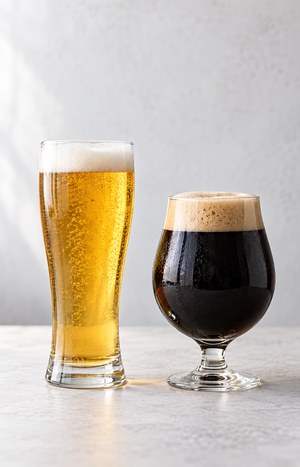
Pale ale and stout beer glasses on a light surface illustrating contrasting craft beer styles
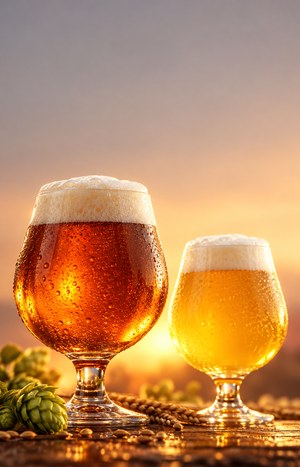
Two glasses of amber and hazy IPA beer glowing in warm light against a soft peach-grey backdrop
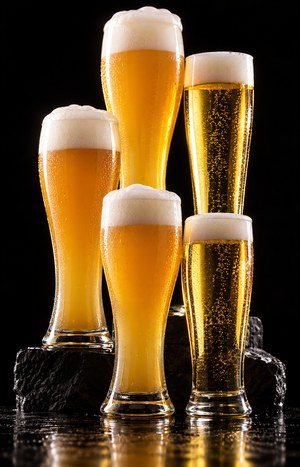
Row of tall slender beer glasses of wheat beer and lager arranged vertically against a black background
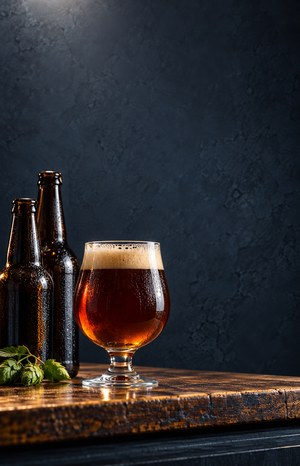
A glass of brown ale on a wooden bar top with a few bottles of craft beer against a dark slate wall

The best way to learn these styles is to taste your way through them, not just read about them. Pick one from each family, pour them side by side with a friend, and notice how different they are even though they are all called beer. Come chat to us in store if you are not sure where to start, we taste everything before it reaches the shelf and we are happy to point you the right way.

FURNITURE

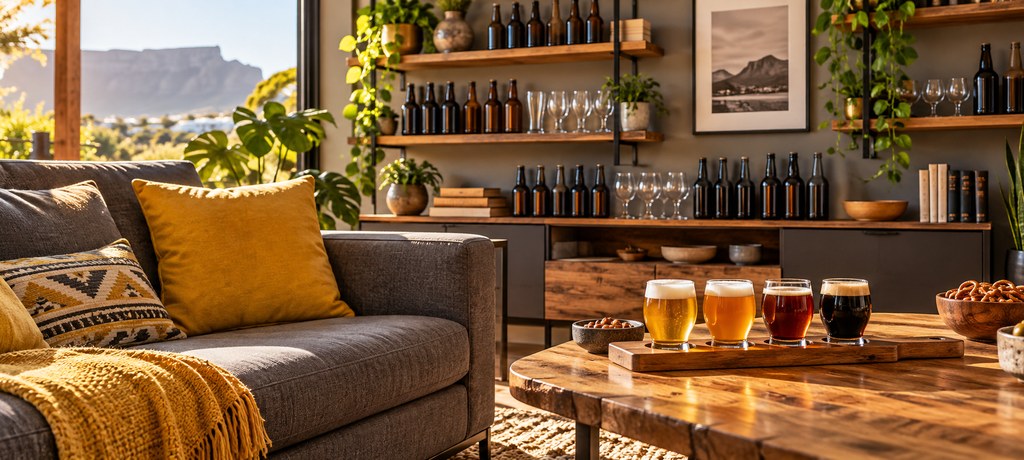
A cosy South African craft beer tasting corner with a flight of beers on a table, shelves with bottles and a lounge sofa

Craft beer is still young in South Africa, and new breweries keep adding twists on these classic styles. Do not worry about getting it “right”. If a lager tastes better to you than a double IPA, that is simply your taste, not a mistake. Use the styles above as a map, not a test. Come in, tell us roughly what you enjoy, and we will point you toward something in the same family worth trying next.

A small tip for tasting at home: pour your beer into a proper glass instead of drinking straight from the can or bottle. You lose half the aroma otherwise, and aroma is a big part of what separates these styles from each other. Give it a swirl, have a sniff, then taste. Try a lager next to a stout and you will notice the difference immediately, even if you could not describe it in words before.

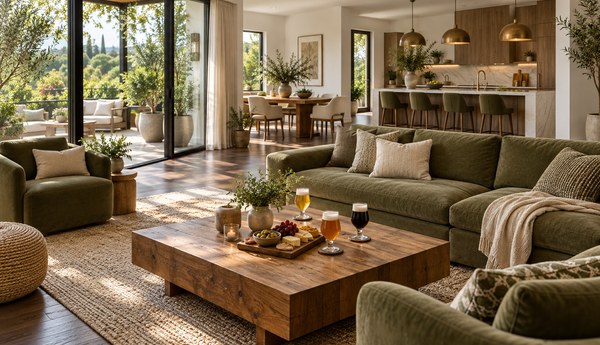
A spacious bright South African home bar and lounge with a brewing and beer tasting setup

Temperature changes a beer more than most people realise. A lager served too warm turns flat and boring, while a stout served too cold hides half its flavour. As a rough guide, serve pale lagers the coldest, hoppy ales a little warmer, and dark or sour beers warmer still. Give a beer a few minutes in the glass before judging it, the flavour often opens up once it has lost that first chill.

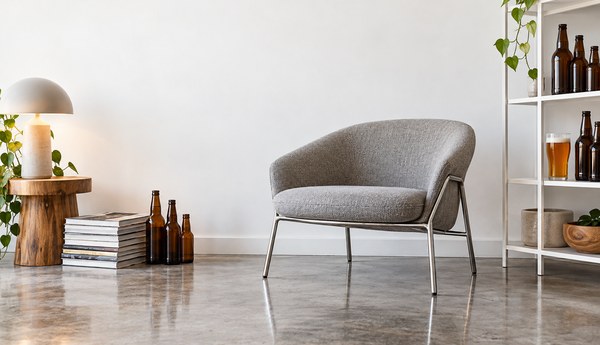
Tasting-room corner with a single armchair-style bar stool beside a low shelf of craft beer bottles and a glass of amber

If you are shopping for someone else, ask what they usually drink rather than guessing a trendy style. Someone who only drinks lager will likely enjoy a smooth porter more than a sharp double IPA. Someone who already loves bitter flavours, like strong coffee or dark chocolate, is a safer bet for a hoppy ale or a stout. Matching the new beer to an existing habit works far better than picking whatever looks impressive on the shelf.

We change our beer fridge often, so do not be surprised if a favourite disappears for a while and something new takes its place. Breweries release seasonal batches, and we try to bring in a fair mix of styles rather than stocking ten versions of the same thing. If you find something you love, buy a few while it lasts, and let us know, we keep notes on what our regulars enjoy and reorder accordingly.

Food pairing with beer does not need to be complicated. As a rough rule, match the weight of the beer to the weight of the dish, a light lager with something light, a heavy stout with something rich. Bitter hops cut through fatty or spicy food well, while malty beers sit nicely next to roasted or grilled meat. Dessert usually wants something dark and slightly sweet, a stout or a porter rather than a crisp lager.

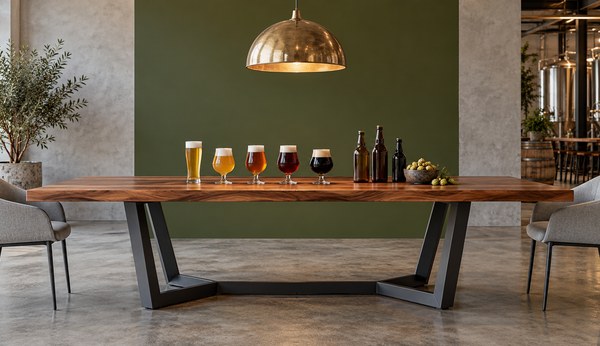
Long wooden table set for a craft beer tasting with a flight of different beer styles in glasses and plain bottles

Leave a Reply

Your email address will not be published. Required fields are marked *