Decoration

Seasonal eating on a budget
Seasonal fruit and vegetables: halved cantaloupe melons with a sprig of greenery against a bright white wall, bright and

Buying what's in season is still the cheapest way to eat well. Prices drop when fruit and vegetables are at their peak, so we build our shelves around what local farmers are picking that month.

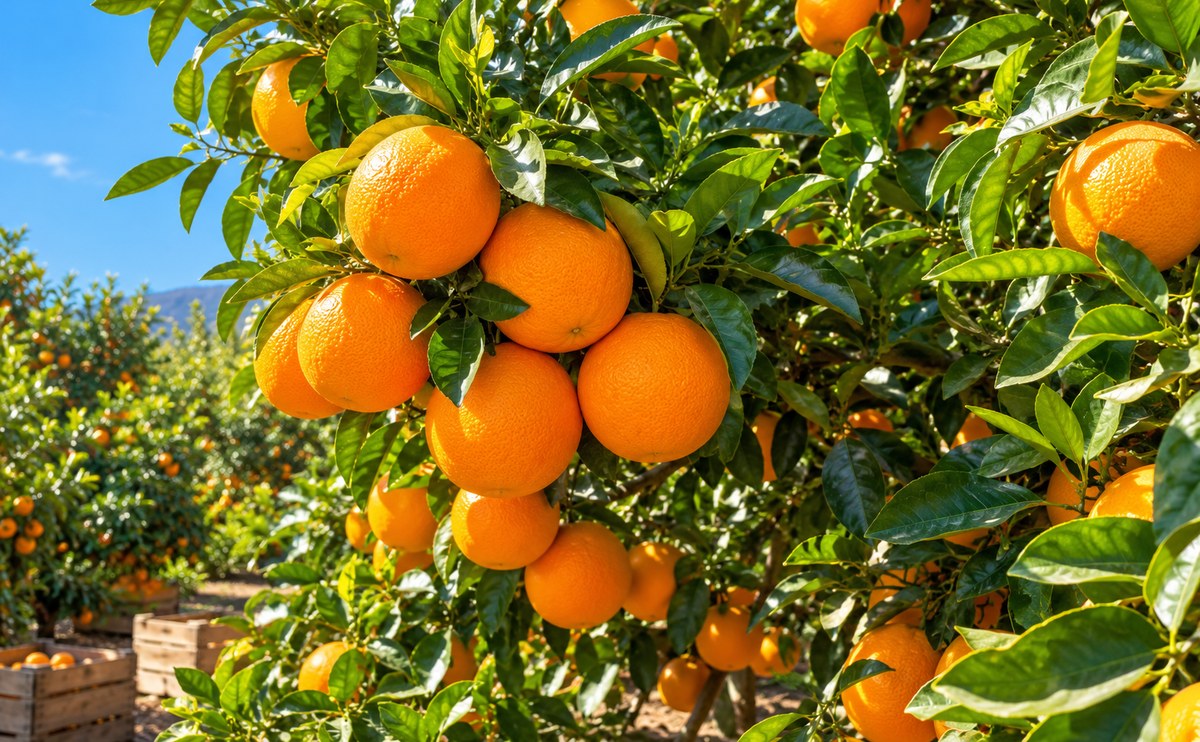
In winter we lean on root vegetables, dried fruit and grains. Watch for gluts, stock up when citrus or greens are cheap, and your basket stretches further without losing quality.

ACCESSORIES

Single ripe seasonal butternut squash and a few autumn vegetables on a terracotta orange background, wide banner

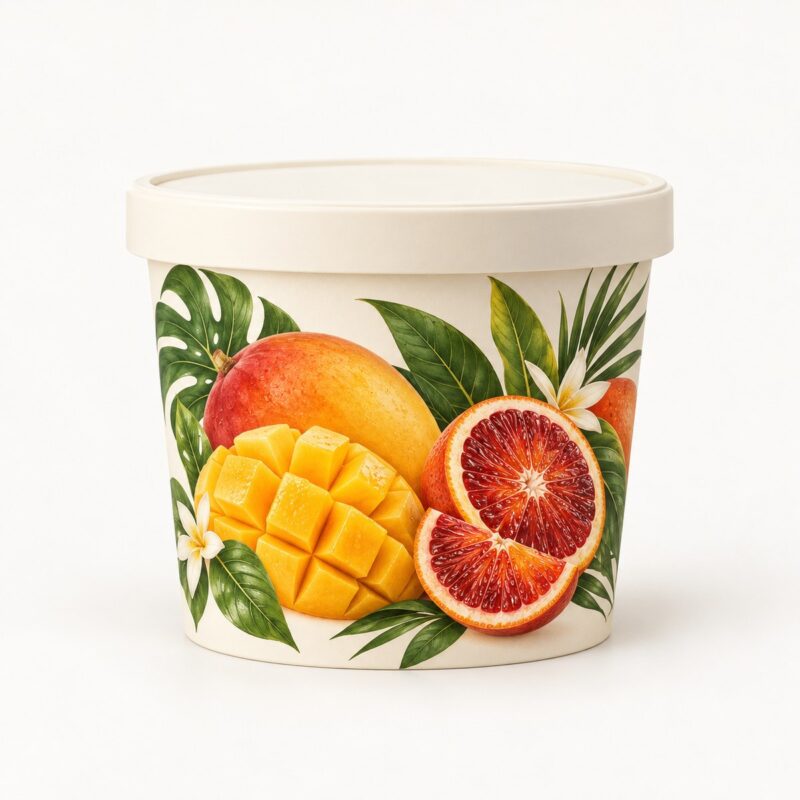
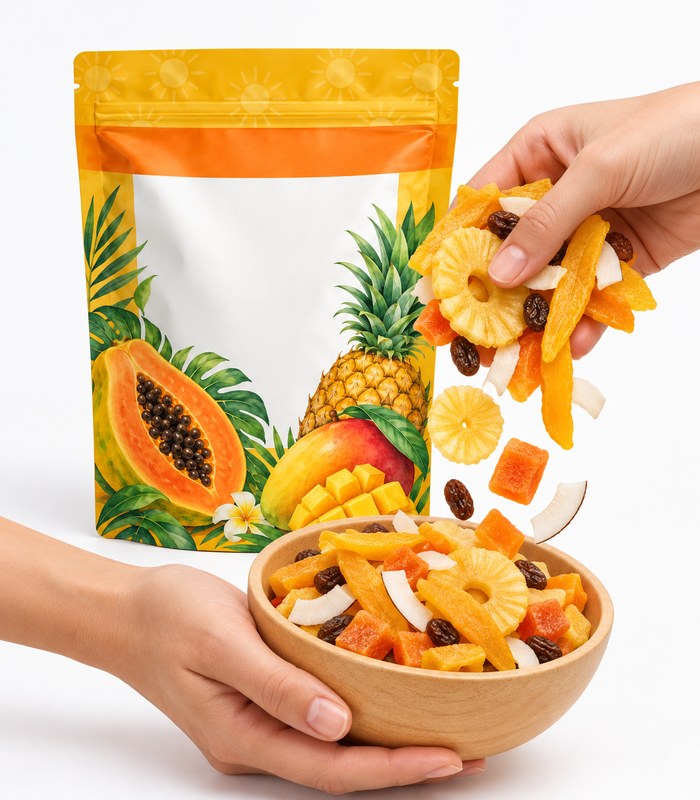
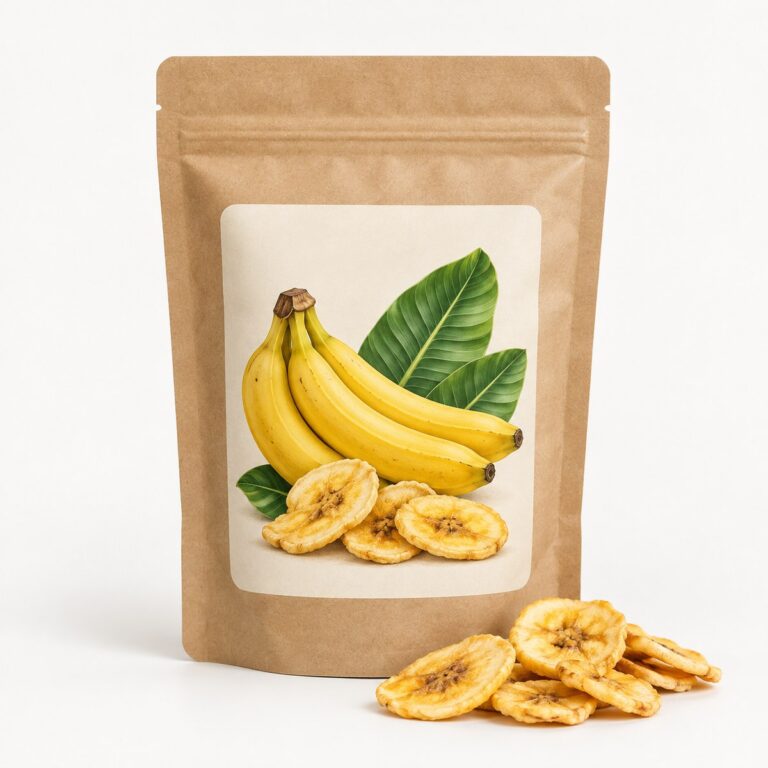
Frozen and dried fruit are picked and packed at their best, then kept that way, so the price does not swing with the season. Our organic banana chips and tropical dried fruit mix cost the same in July as they do in January, and they keep well in the cupboard. Frozen Greek style yoghurt works the same way, a treat you can portion out instead of buying fresh every few days.

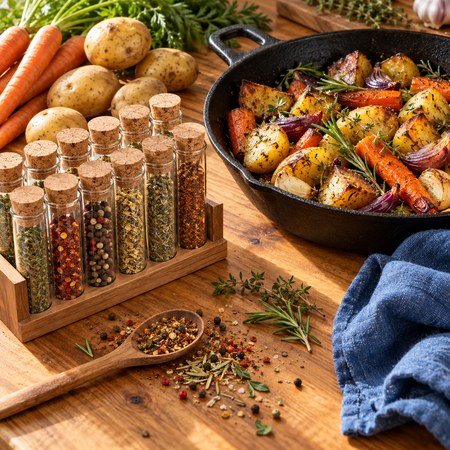
Wooden table with root vegetables, a bowl of pantry spices in plain jars, and a cast iron pan of roasted potatoes

Keep an eye on what we put out front each week. We group whatever is cheapest and most plentiful at the front of the shop, so you do not have to guess. If pineapples are flooding in from the coast, you will see more pineapple juice and dried pineapple on the shelf and a better price to go with it. Shopping from that table first, before you work through your usual list, is the single biggest saving most people find.

Shop the front table - See this week's picks

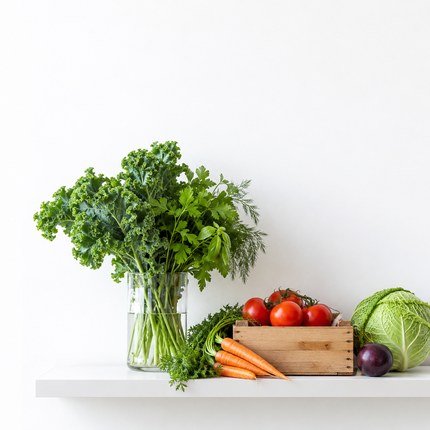
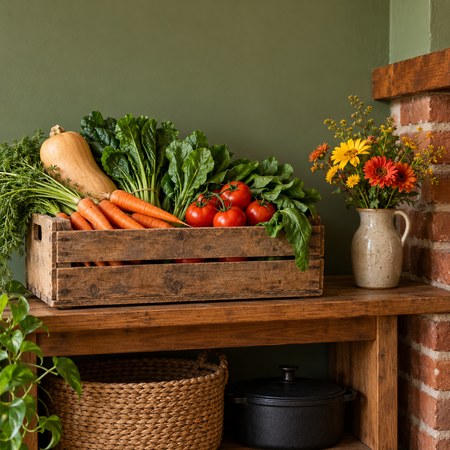
Wooden crate of fresh seasonal vegetables on a rustic kitchen wall setting beside a vase of flowers, evoking budget seas

Plan your week around what's cheapest at the till, not what's on a recipe card. A short shopping list built from seasonal produce and pantry basics costs less and wastes less too.

Shop Smart - See This Week's Deals

Most of a vegetable is edible, even the parts people throw away. Carrot tops make a good pesto, broccoli stalks can be grated into a stir fry, and the ends of onions and herbs make a solid stock. Keep a bag in the freezer for offcuts and empty it into a pot every few weeks. It turns kitchen scraps most households bin into another meal, and it means every rand you spent on that vegetable actually gets eaten.

Use the whole vegetable - Read our storage guide

Vintage suitcase styled with a wicker basket of seasonal fruit and vegetables against a deep teal wall

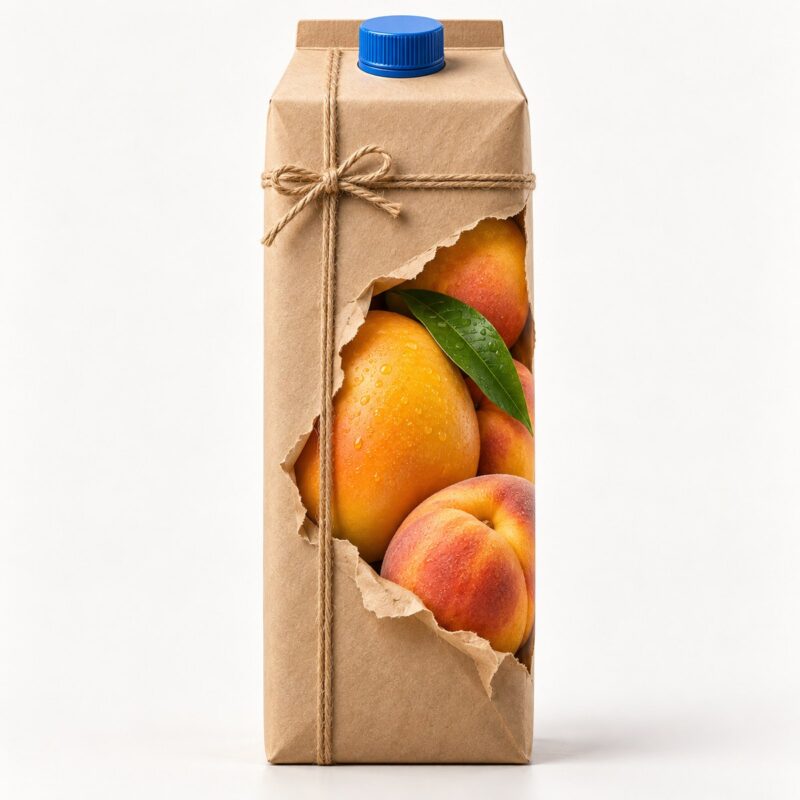
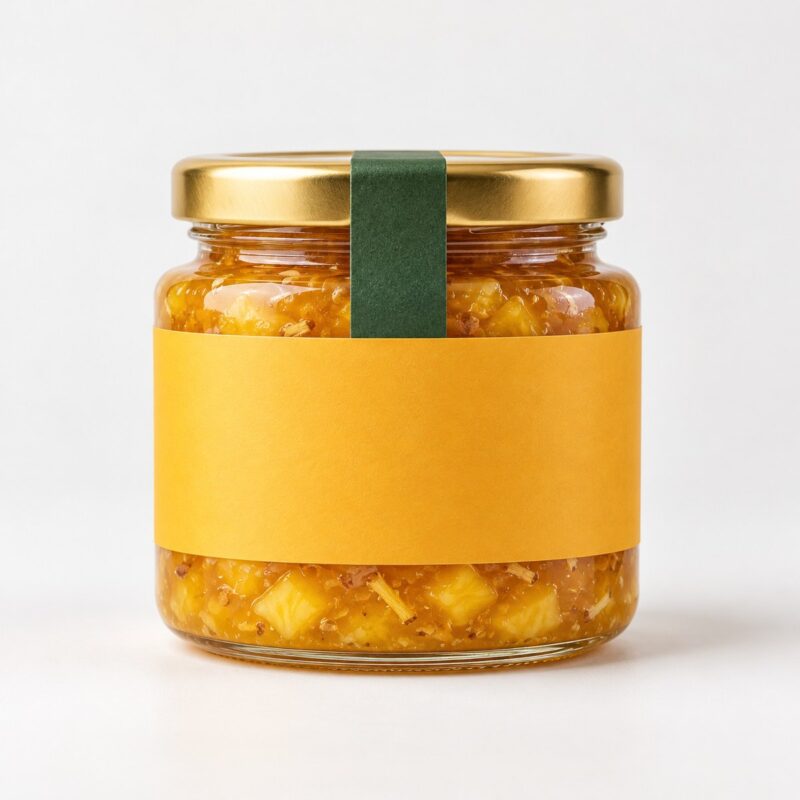
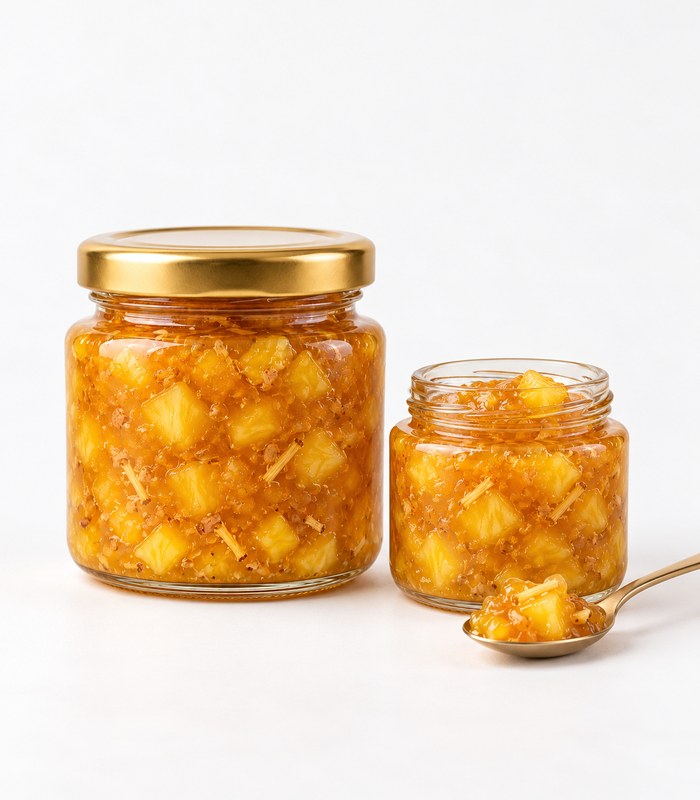
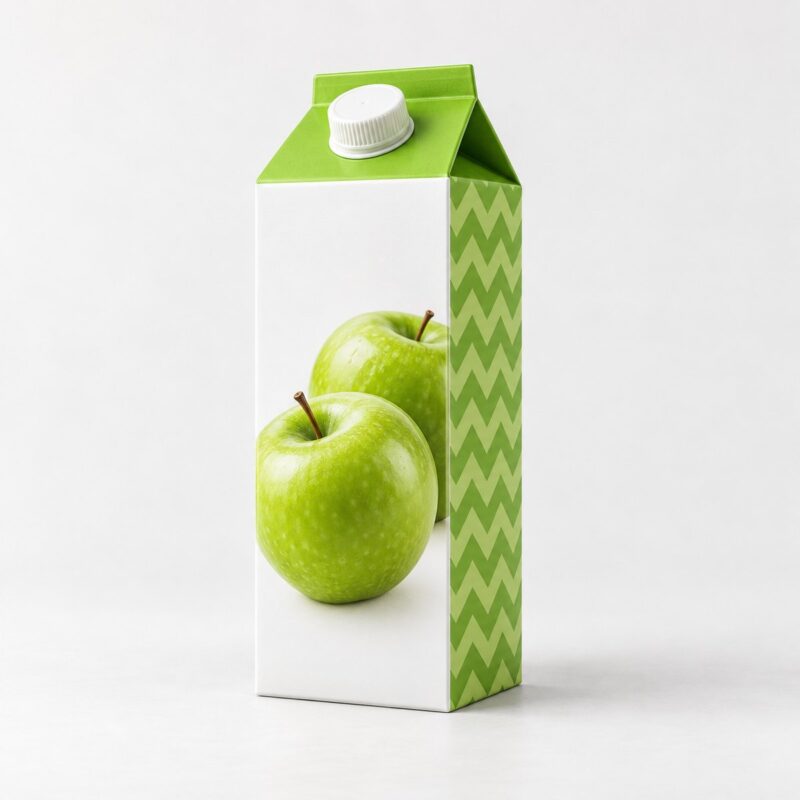
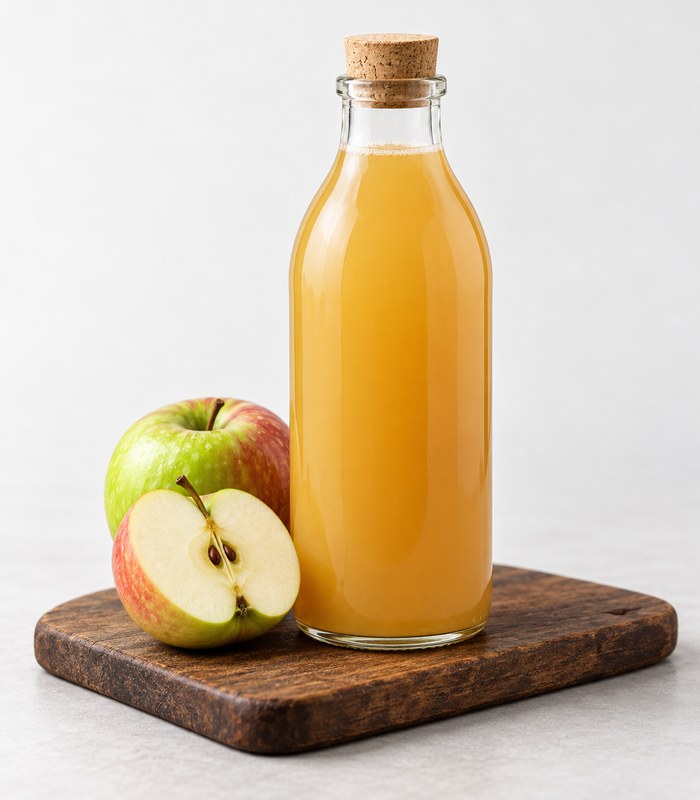
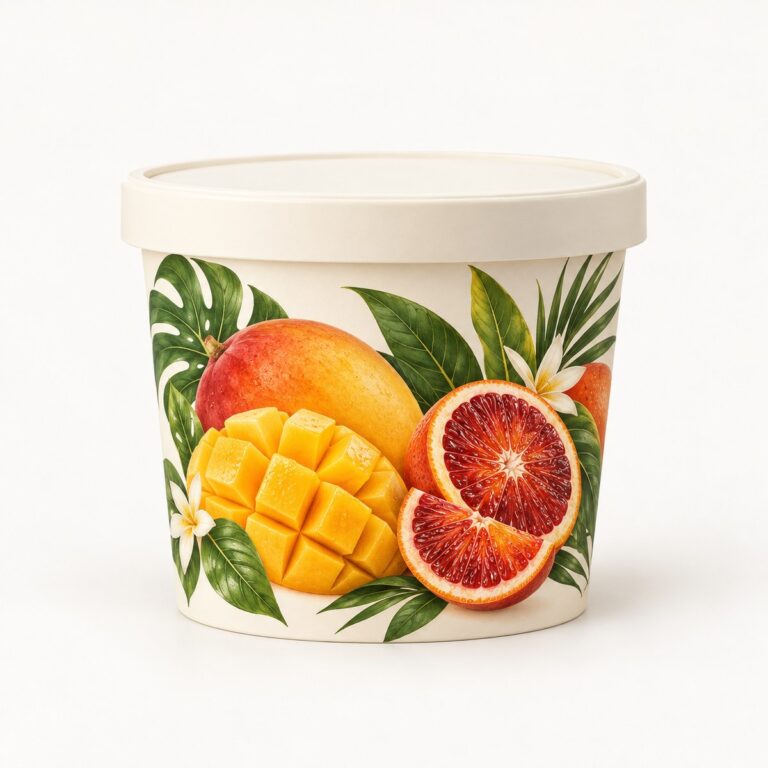
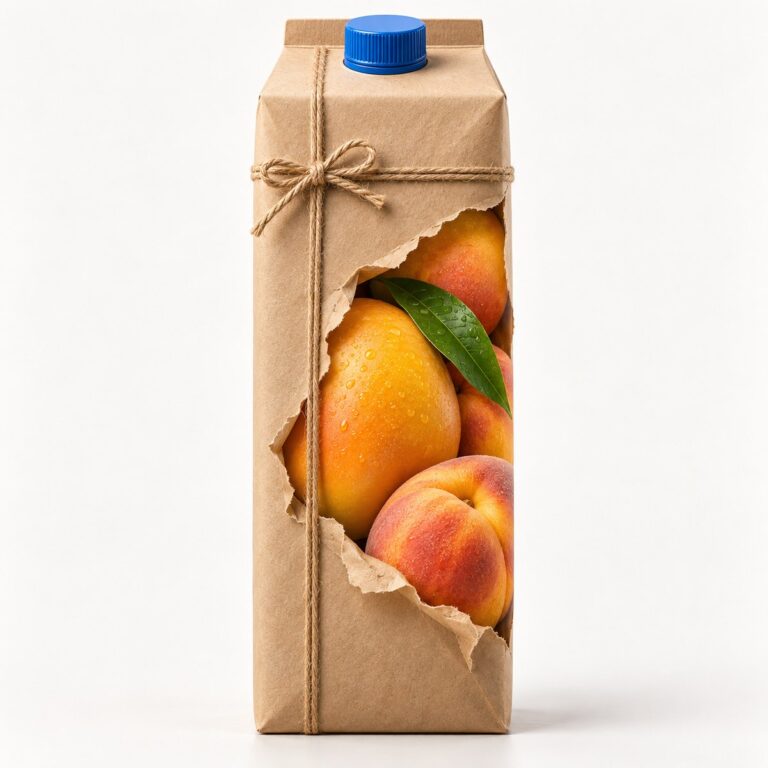
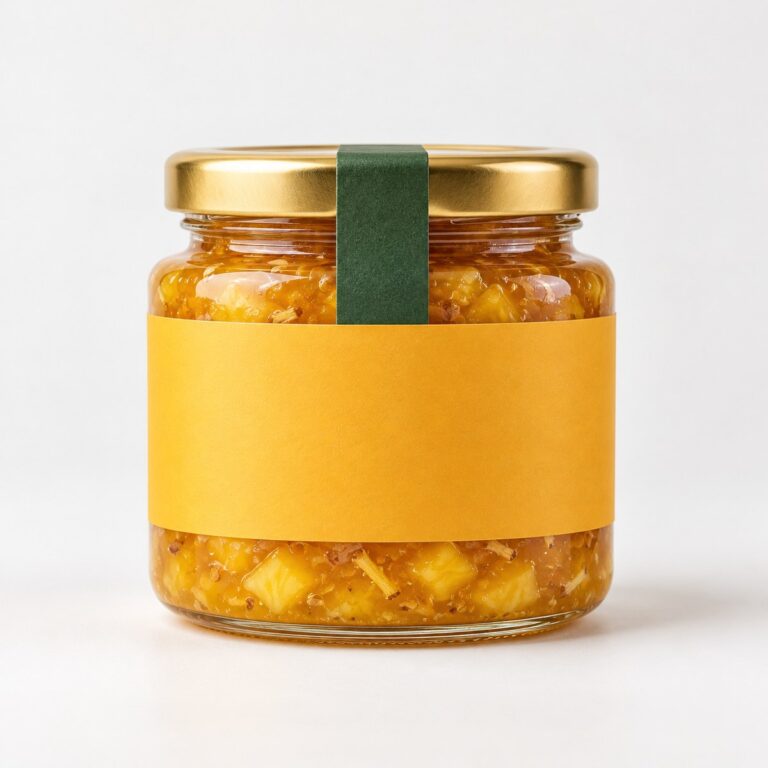
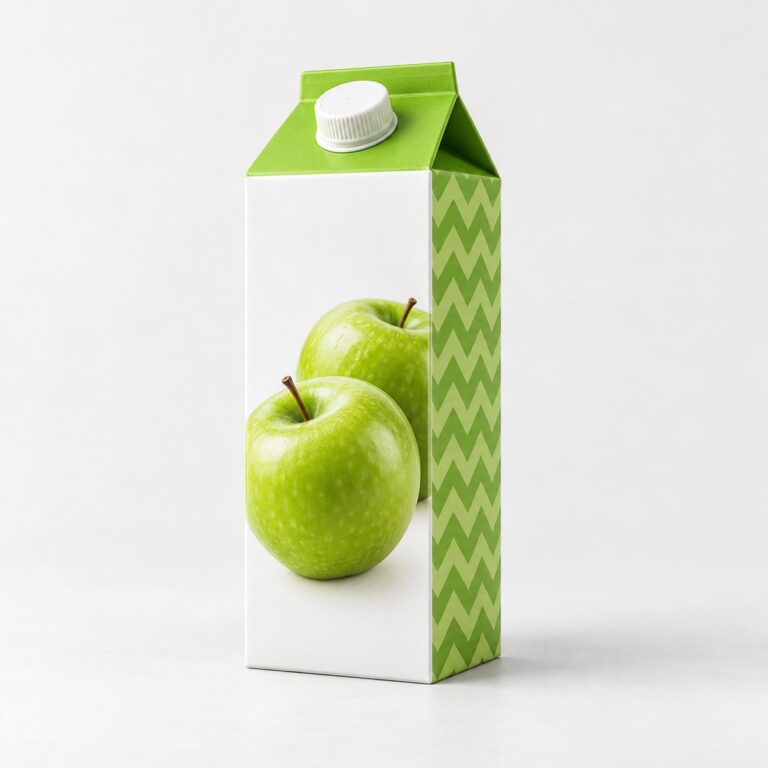
When a fresh item gets expensive, reach for its dried or bottled cousin instead of skipping it altogether. Our pressed apple juice, hibiscus fruit cordial and jam made from pineapple and ginger all give you that fruit flavour through the months when the fresh fruit itself is scarce and pricey. Stock a few of these in your pantry and you will not feel the gap when a favourite fruit goes out of season.

Keep a backup on the shelf - Shop pantry drinks

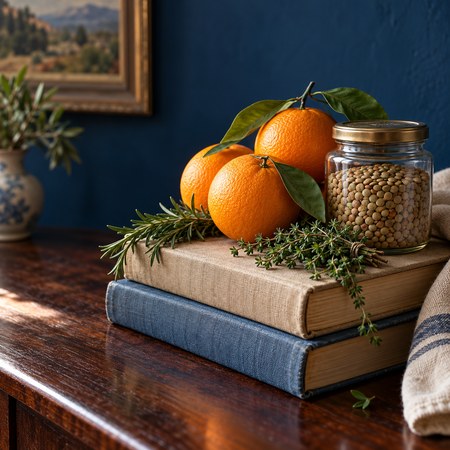
Small pile of fresh seasonal fruit and a glass jar of lentils resting on a stack of recipe books on a dark kitchen table

LIGHTING

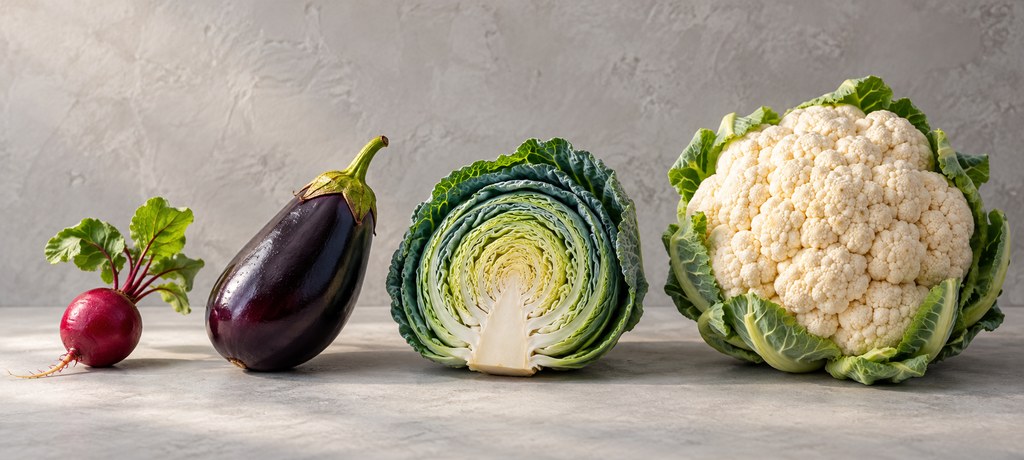
Row of four seasonal fruits and vegetables of increasing size in different colours arranged left to right on a light gre

None of this works without a plan, even a rough one. Before you shop, look at what is cheap that week and build two or three meals around it, rather than deciding on a meal first and chasing the ingredients at full price. It takes ten minutes on a Sunday and it is the difference between a trolley that matches your budget and one that does not.
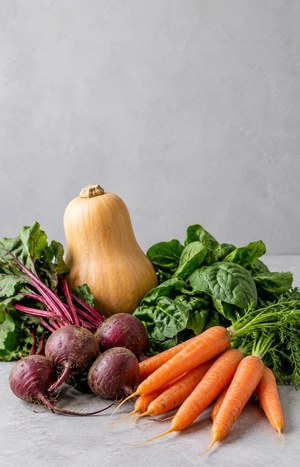
Seasonal vegetables (pumpkin, beetroot, carrots, spinach) arranged on a pale grey surface with generous empty space
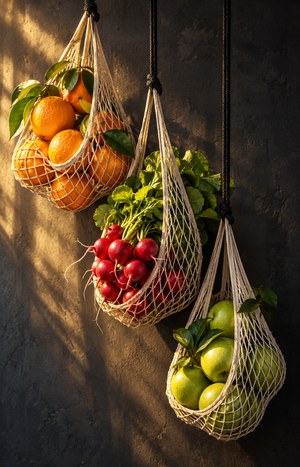
Three fresh produce items hanging in string bags against a dark moody backdrop, each softly glowing in warm light
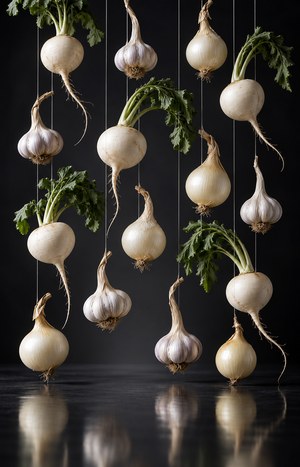
Several pale curved bulbs of garlic and white turnips and onions suspended in a rhythmic vertical arrangement against a
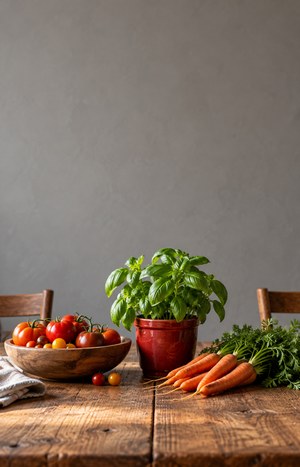
A wooden table with a small potted herb in a red pot and a bowl of seasonal produce, grey wall behind with empty space a

Buy in bulk

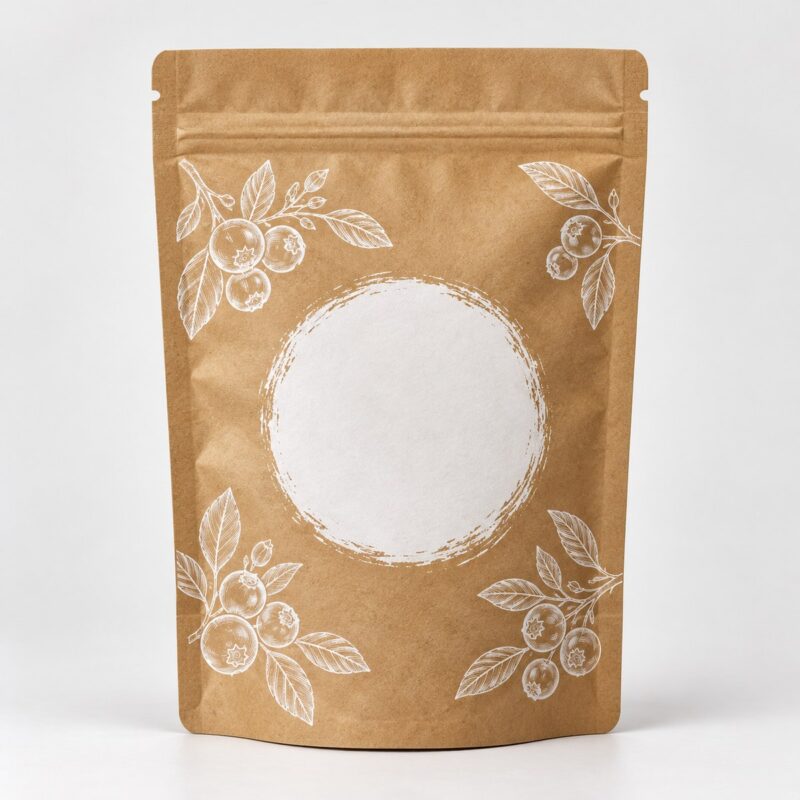
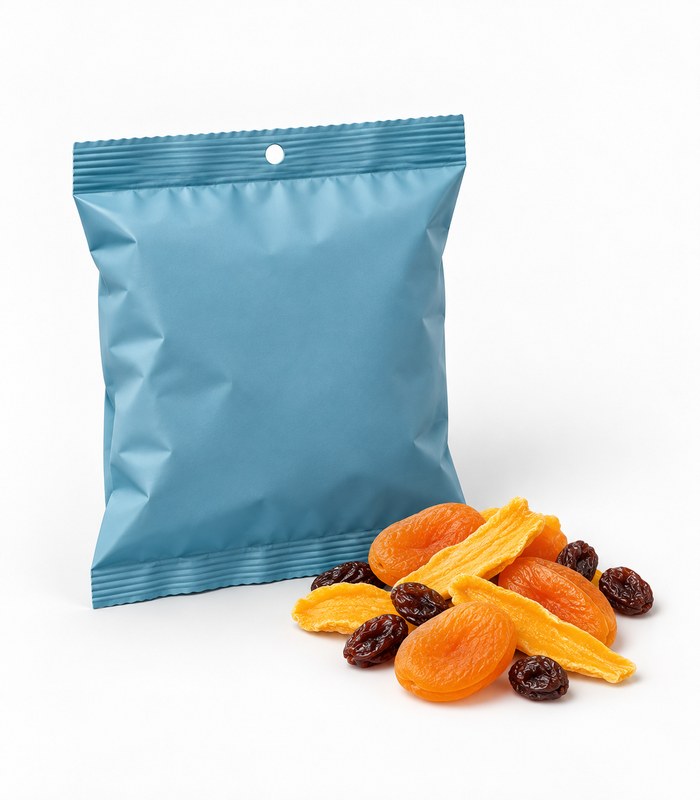
Buying in bulk from our refill station costs less per gram than small packaged portions, and you only take what you will actually use. Pantry staples like our dried fruit snack packs and bergamot tea work out cheaper bought this way over a month, even though the once off outlay looks bigger on the till slip. Bring your own containers and the saving is even better, since you are not paying for packaging each time.

Mind the dates

Ask us about stock that is close to its date. We would rather sell fresh produce and pantry goods at a lower price than have them go to waste, so we often mark these down near closing time or at the start of a new delivery. It is a good way to pick up juice, yoghurt or fresh produce for less, as long as you plan to use it within the next day or two.

Grow a little

You do not need a garden to grow something. A pot of herbs on a windowsill means you are not buying a small bunch of parsley or coriander every week just to use half of it. Potatoes, onions and tomatoes also regrow from scraps if you have even a small patch of soil outside. It will not replace your shopping, but it takes the pressure off the parts of your budget that add up fastest.
Share the load

Splitting a bulk order with a neighbour or a family member works well for things you do not get through quickly on your own, like a large bag of pantry staples or a box of fresh produce from a delivery. You both pay less than buying small packs separately, and nothing sits in your cupboard going stale before you can finish it. It is an easy way to try something new without committing to a full bag.
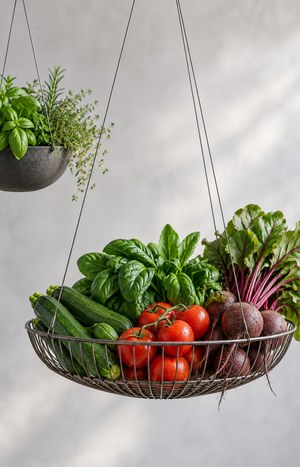
Seasonal summer vegetables (courgettes, tomatoes, spinach bunches) arranged in a hanging wire basket against a pale grey


Two round fresh oranges and lemons hanging in string nets against a warm peach-grey backdrop
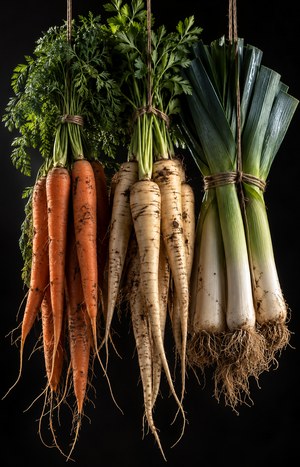
Bunches of long slender carrots and leeks hanging vertically in a cluster against a dark backdrop
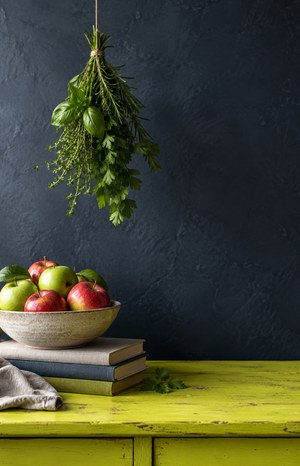
A small stack of recipe books and a bowl of apples on a lime-yellow kitchen shelf against a dark slate wall

Budgeting for food does not mean eating worse. It usually means paying more attention to what is actually in season and cheap right now, instead of what you always buy out of habit. Start with one or two of these habits, see what suits your week, and build from there. Small changes add up faster than most people expect over a month of shopping.

FURNITURE

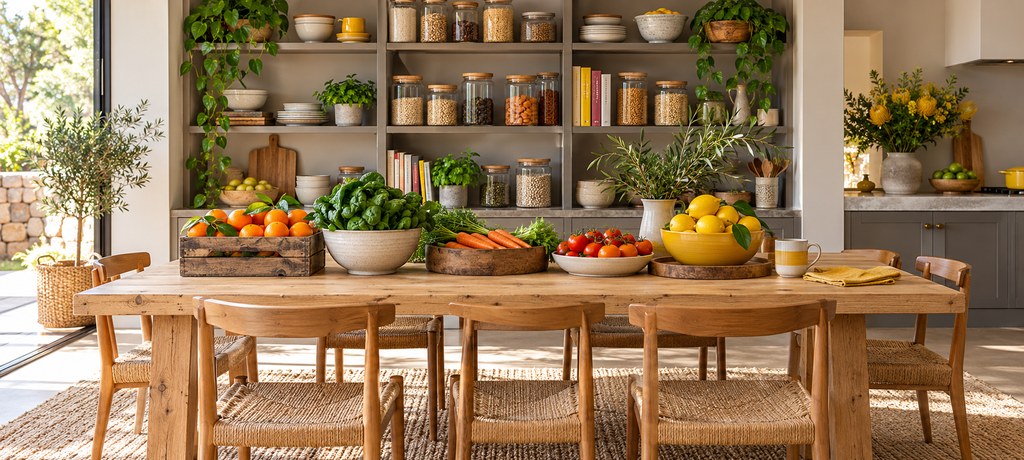
Bright South African kitchen with a wooden table laden with seasonal fresh produce, bowls of fruit and shelves of pantry

Write your list after you have seen what is cheap that week, not before. A list made the night before shopping, based on habit, tends to lock in whatever you always buy at whatever price it happens to be. A list made standing in front of the specials table costs less and still gets you a proper week of meals, it just takes a little more flexibility about what is for dinner.

Keep a small stock of frozen and dried basics so a quiet week at the shop does not mean an empty cupboard. Frozen yoghurt, dried fruit and a jar or two of jam made from fruit in season give you something to fall back on when fresh produce prices jump or you simply cannot get to the shop. None of it goes off quickly, so there is no pressure to use it up before it is needed.

Open-plan sunlit home dining area with a large wooden table of seasonal vegetables and fruit baskets and green plants by

Check the specials board before you fill your trolley, not after. We update it as fresh stock comes in, so it tells you honestly what is currently cheap rather than what was cheap last month. A few minutes spent reading it properly at the start of your shop usually saves more than any voucher ever could, because it is based on what is actually in good supply right now.

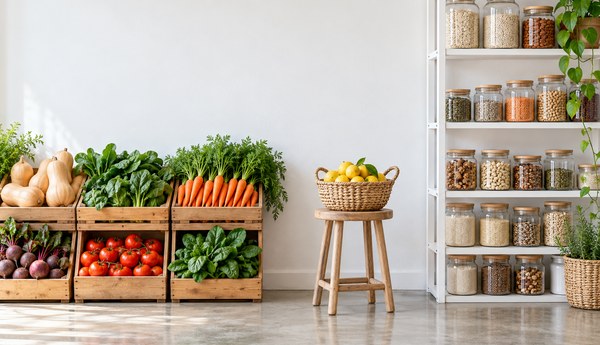
Wide shot of a sunlit wholefood store display with seasonal fresh produce crates on a pale floor against a white wall

Set aside one afternoon every couple of weeks to cook a few meals at once, using whatever fresh produce is cheapest that week. Portion it into containers and freeze what you will not eat in the next two days. It takes the decision out of weeknight cooking, cuts down on last minute shopping at full price, and means a bad day at work does not end with an expensive takeaway.

Produce grown closer to home usually costs less, because it has not travelled far and has not needed much to keep it fresh along the way. Ask us where something was grown if you are not sure, we know our suppliers and we are happy to tell you. Buying local when you can is often the simplest way to save, without changing anything else about how you shop or cook.

Food waste is a hidden cost most people do not add up. Vegetables that go soft at the back of the fridge or bread that goes stale before it is finished are money thrown out with the peelings. Buy only what you will realistically use before your next shop, store it properly once you get home, and check the back of the fridge before you add anything new to the trolley.

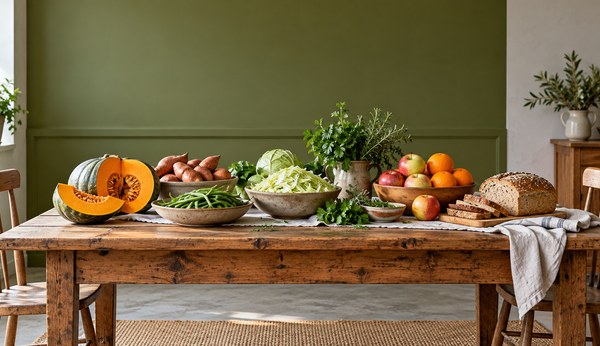
Rustic wooden table laden with a seasonal vegetable spread and a bowl of fresh greens, with green backdrop

Leave a Reply

Your email address will not be published. Required fields are marked *