Blog
Warming up without wasting time

A good warm up does not need twenty minutes. Five to eight minutes of movement gets your legs ready without eating into your session. Walk first, then move into light jogging before you pick up the pace.
The order matters more than the time you spend. Mobility first, then dynamic stretches, then a few short strides. Skip static stretching before a run and save it for afterwards.
ACCESSORIES
Start every warm up the same way: two minutes of brisk walking, then two minutes of easy jogging. Add hip circles and ankle rolls while you walk. By the time you break into your running pace, your joints have had a proper chance to loosen up.
Begin on the spot or walking slowly. Roll your ankles, circle your hips and swing your arms across your chest. This takes under a minute and wakes up the joints you are about to load, especially on cold Cape mornings when everything feels stiffer.
Step One - Loosen Up
Hold onto a wall or pole and swing one leg forward and back, then side to side. Ten swings each leg is enough. This moves your hips through the same range you will use on the run, without the impact of actual strides.
Step Two - Leg Swings
Once you are jogging comfortably, add three or four short strides of about twenty seconds each, easing up to near race pace and back down. These teach your legs to move quickly before you need to, so the first fast kilometre does not catch you flat.
Step Three - Strides
On race morning, give yourself longer: a slow jog, mobility work and strides, finished about ten minutes before the gun. Races start faster than training runs, and a longer warm up stops the first few hundred metres from feeling like a shock to the system.
Step Four - Race Morning
LIGHTING
None of this needs a stopwatch or a checklist taped to your wall. Once the order becomes a habit, a proper warm up takes less time than scrolling through your phone before you head out the door.
Loosen up
Dynamic stretching means moving stretches: leg swings, walking lunges, high knees. These wake muscles up and prepare them to work. Static stretches, where you hold a position still, are better saved for after your run, once your muscles are warm and you are not asking them to fire quickly a few minutes later.
Build pace
Strides are short bursts, not sprints. Pick a flat stretch of road or grass, ease up to about eighty percent effort over twenty seconds, then let the pace fall away again. Three or four of these after your jog switch your legs on properly for the work ahead.
Race day
A race warm up works differently to a training one. Start earlier, since nerves and queues eat into your time. Jog gently, run through your mobility routine, then add two short strides near the start line so your legs already know what race pace feels like.
Cold mornings
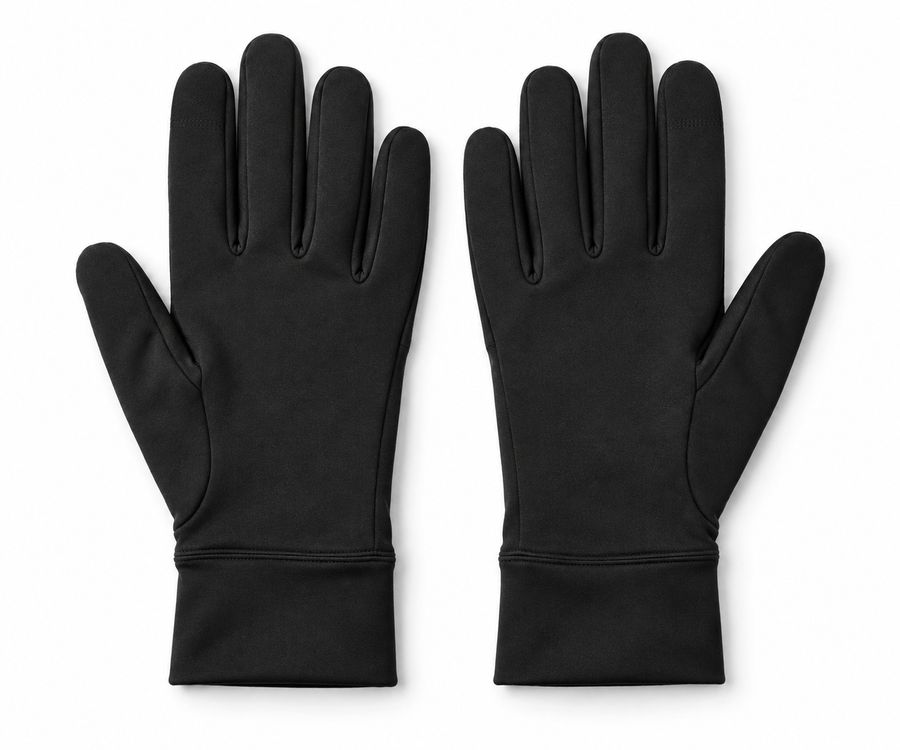
Cape winter mornings need a longer warm up, not a shorter one. Cold muscles take longer to loosen, so stretch the walking and jogging phase out by a few extra minutes. Gloves and a light top for the first kilometre help too, even if you peel them off later.
A warm up is not wasted time before the real session starts. It is part of the session. Get it right and the rest of your run goes better, easy day or hard day.
FURNITURE
Hip circles, ankle bounces and arm swings cost you less than a minute each and wake up the joints you are about to use. Do them standing still or while walking slowly on the spot. They matter more on cold mornings, when your ankles and hips feel stiffer than usual before you get moving.
Leg swings loosen your hips fast. Hold a wall, swing one leg forward and back ten times, then side to side ten times, and repeat on the other leg. Do this after your first few minutes of walking, once your body has warmed up a little and the movement feels easy rather than forced.
Before a hard session, add three short strides once your jog feels easy. Build up to near race pace over twenty seconds, then ease off. This switches your legs on properly, so the first fast repeat of the session does not feel like the hardest one.
Track sessions need a longer warm up than an easy run. Jog for ten minutes, work through your mobility routine, then run two or three strides building towards interval pace. Arrive at the track ready to hit your first rep properly, instead of using it as part of the warm up itself.
Long, slow runs need less fuss. A few minutes of walking and easy jogging is enough before you settle into pace, since the first kilometre or two of a long run acts as a natural extension of the warm up itself.
In a group, warm up together rather than alone before the set starts. Walk and jog as one, run through the same mobility moves, then peel off into strides at your own pace. It keeps everyone starting the real session loosened up, instead of some runners cold and others ready.