Design trends

Kit that survives a full season

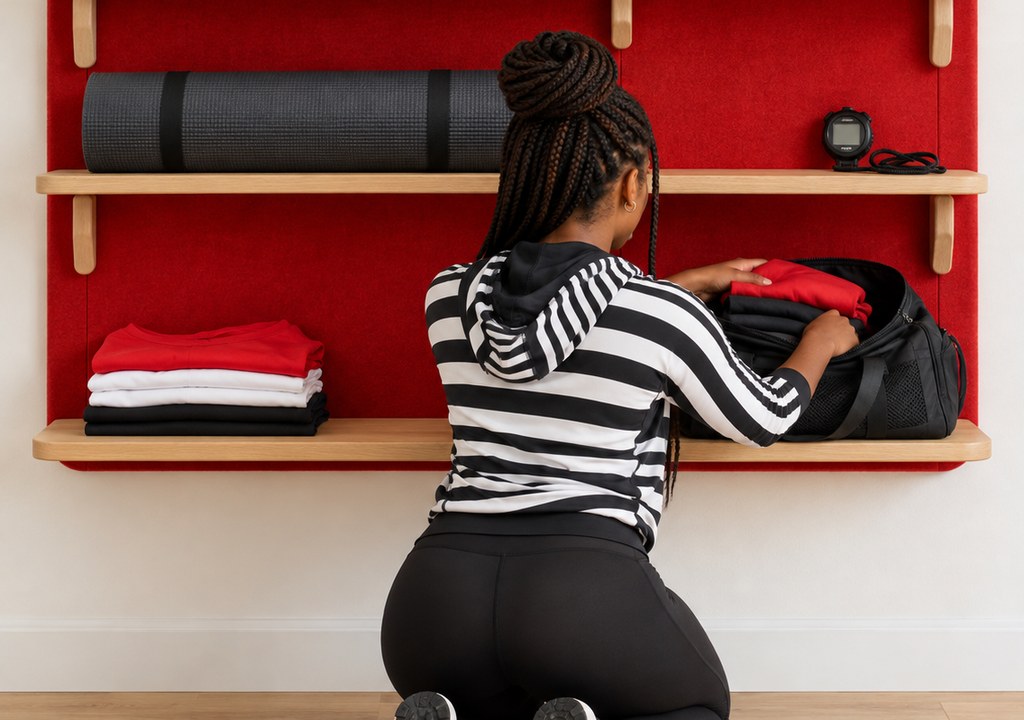
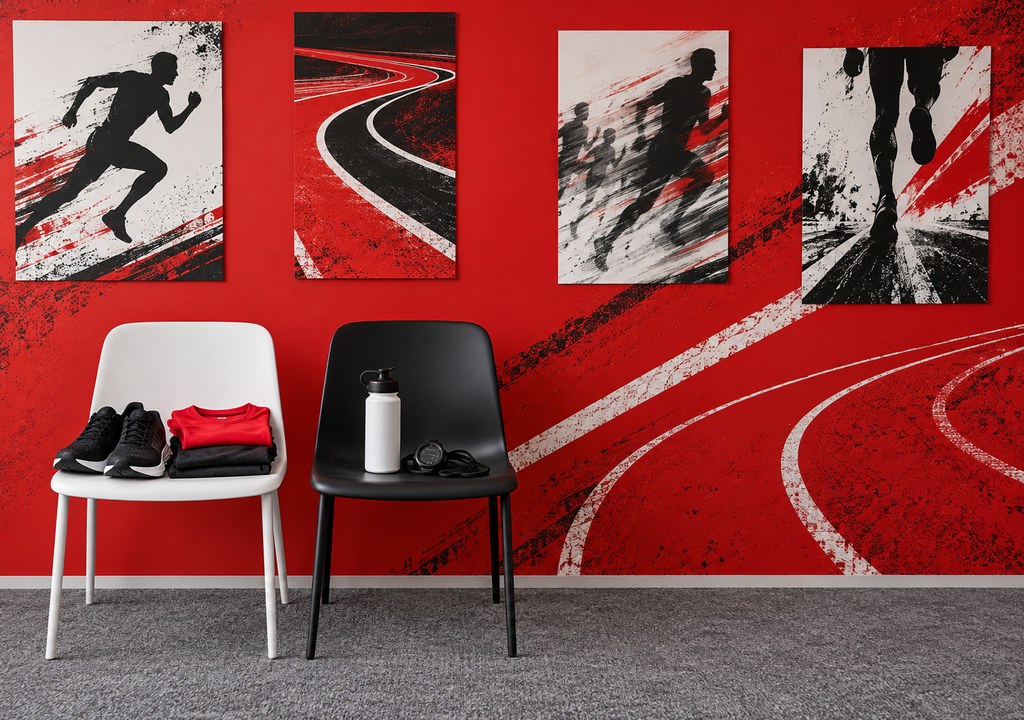
South African runner kneeling and sorting running kit on a wall-mounted red kit rack with shoes, bottles and folded clot

A season of training puts real wear on kit. Shoes take the knocks from the road, but seams, zips and elastic on jackets and bags usually give up first. Choose kit built for sweat and washing.

Rinse kit after every run before sweat sets into the fabric, and let it dry before you pack it away. That bit of care gets you through a full season without replacing everything.

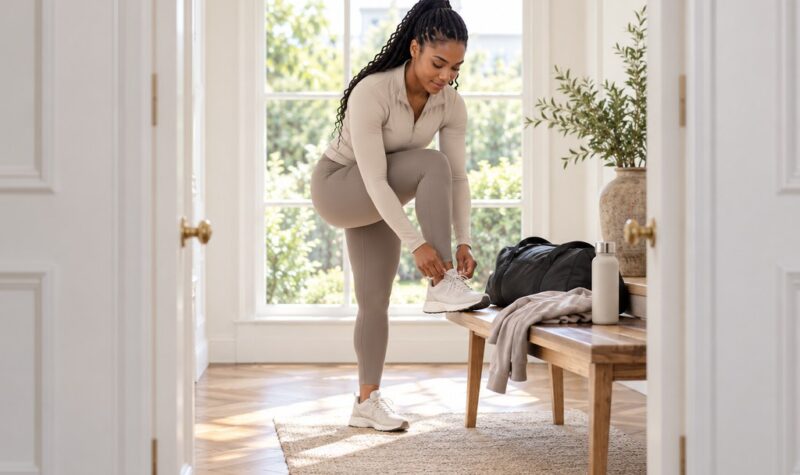
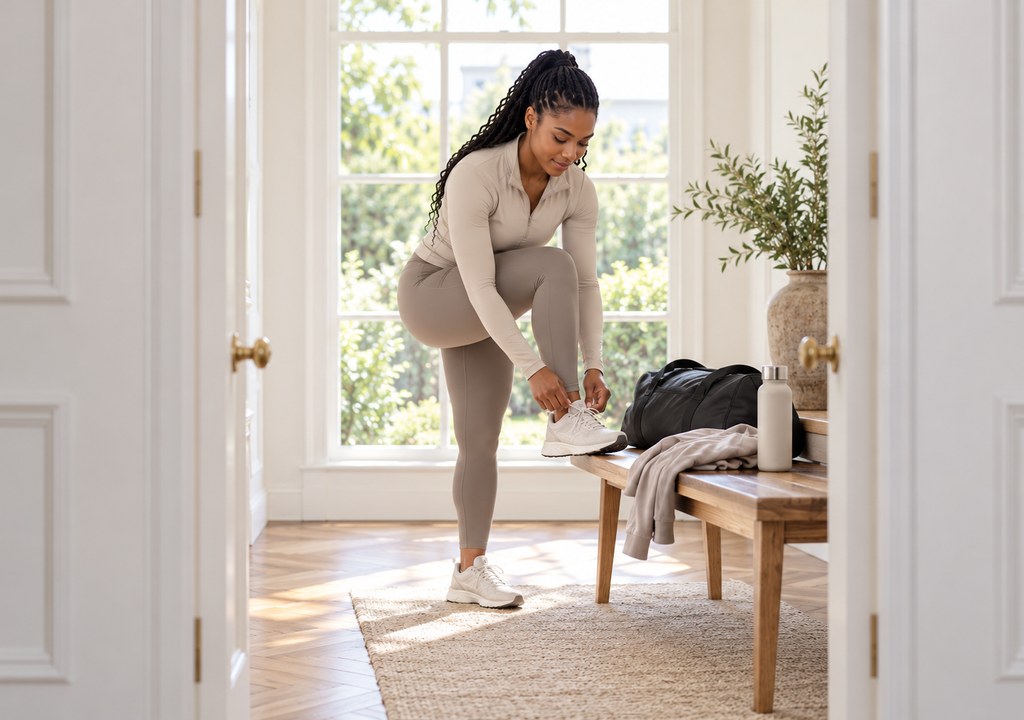
South African woman runner lacing up trail shoes in a bright doorway, with a kit bag and running gear on a wooden bench

Fabric that lasts

Look at the fabric before you look at the price tag. Good stitching at the seams and underarms is the first place cheap kit falls apart, usually after a handful of washes. The second thing worth checking is how it behaves when wet, since quick drying material keeps you warmer on a cold run and stops chafing on a long one.

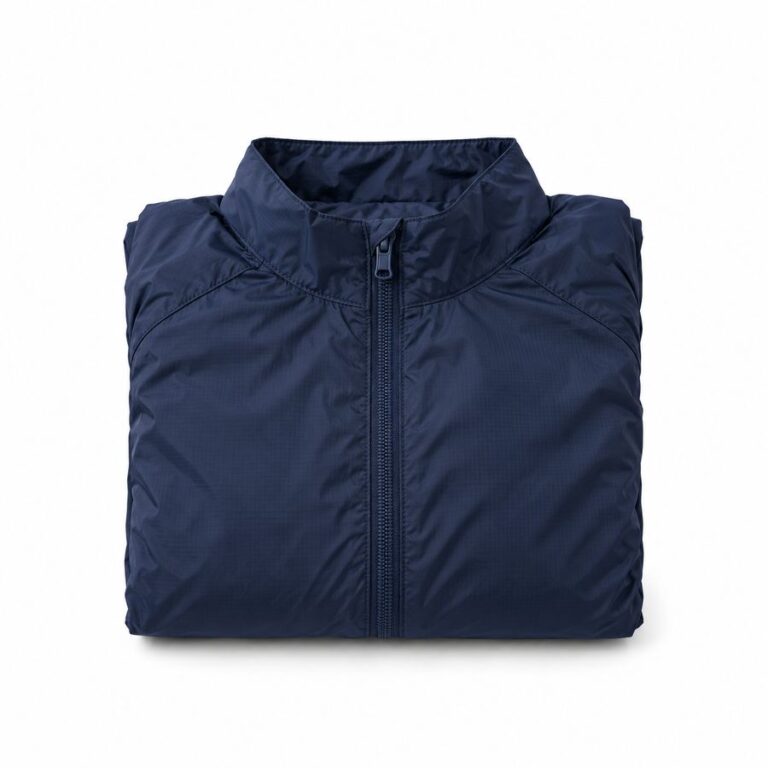
Buy once, buy right. A jacket that keeps you dry through a full Cape winter is worth more than three cheap ones that leak by July.

Washing kit the right way makes it last longer too. Cold water and a gentle cycle keep elastic and seams in shape, while a hot tumble dryer is usually what wears running kit out before its time. Air drying your shoes and jacket overnight does more for their lifespan than any fabric softener ever will.

Rotate your running shoes

Running in the same pair every single day wears out the cushioning twice as fast. Keep two pairs on the go and swap between them, and each pair will last a lot longer than you expect.

Check your kit regularly

A quick look over your kit every few weeks catches small problems early, a loose seam, a worn sole, thinning fabric, before they turn into a reason to throw the whole thing out and start again.

A full season covers a lot of weather, so your kit needs to cope with all of it, not just the sunny days. Layering well matters more than owning one expensive piece, since a thin base layer under a light jacket beats a single heavy top on most Cape mornings, and it packs away small once the sun comes out.

Leave a Reply

Your email address will not be published. Required fields are marked *