

Blog
How often to replace your shoes

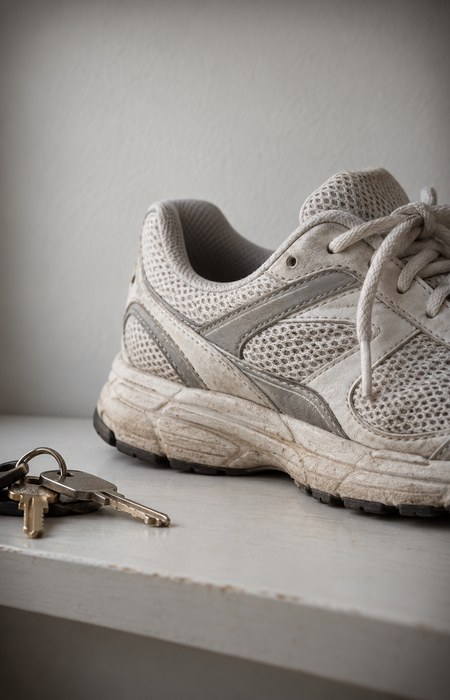


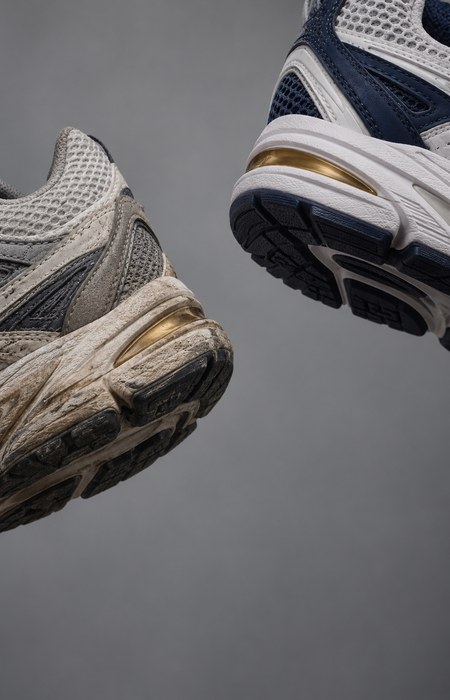





"I ran my longest training block ever in one pair of shoes because I genuinely thought if they still looked okay, they were still okay. My physio set me straight. Now I replace on distance, not on looks, and my knees have thanked me for it ever since."

"I kept two pairs on rotation without realising both were already past their best. Tracking kilometres on each pair separately showed me they were older than I thought. Replacing them together made more difference to my running than any training change I made that year."

"Shin splints took me out of training twice before someone pointed out my shoes were the common thread. I replace mine every six months now regardless of how they look, and I have not had the same problem since. Cheap insurance for the amount of running I do."
Related Posts
Choosing running shoes that suit your stride

Your stride is your own. What works for your training partner can leave you with sore shins after one run. A quick check before you buy...
Training through a Cape winter
Cape winters bring rain, wind, and short daylight, which makes it tempting to skip sessions altogether. A few small changes keep your t...
Kit that survives a full season
A season of training puts real wear on kit. Shoes take the knocks from the road, but seams, zips and elastic on jackets and bags usuall...

Running your first ten kilometres
Your first ten kilometres is about finishing strong, not finishing fast. Start slower than feels natural, keep your breathing easy, and...